
The Influence of Limited-Time Offers on Impulse Buying Behavior Among Shein Shoppers
Understanding Limited-Time Offers
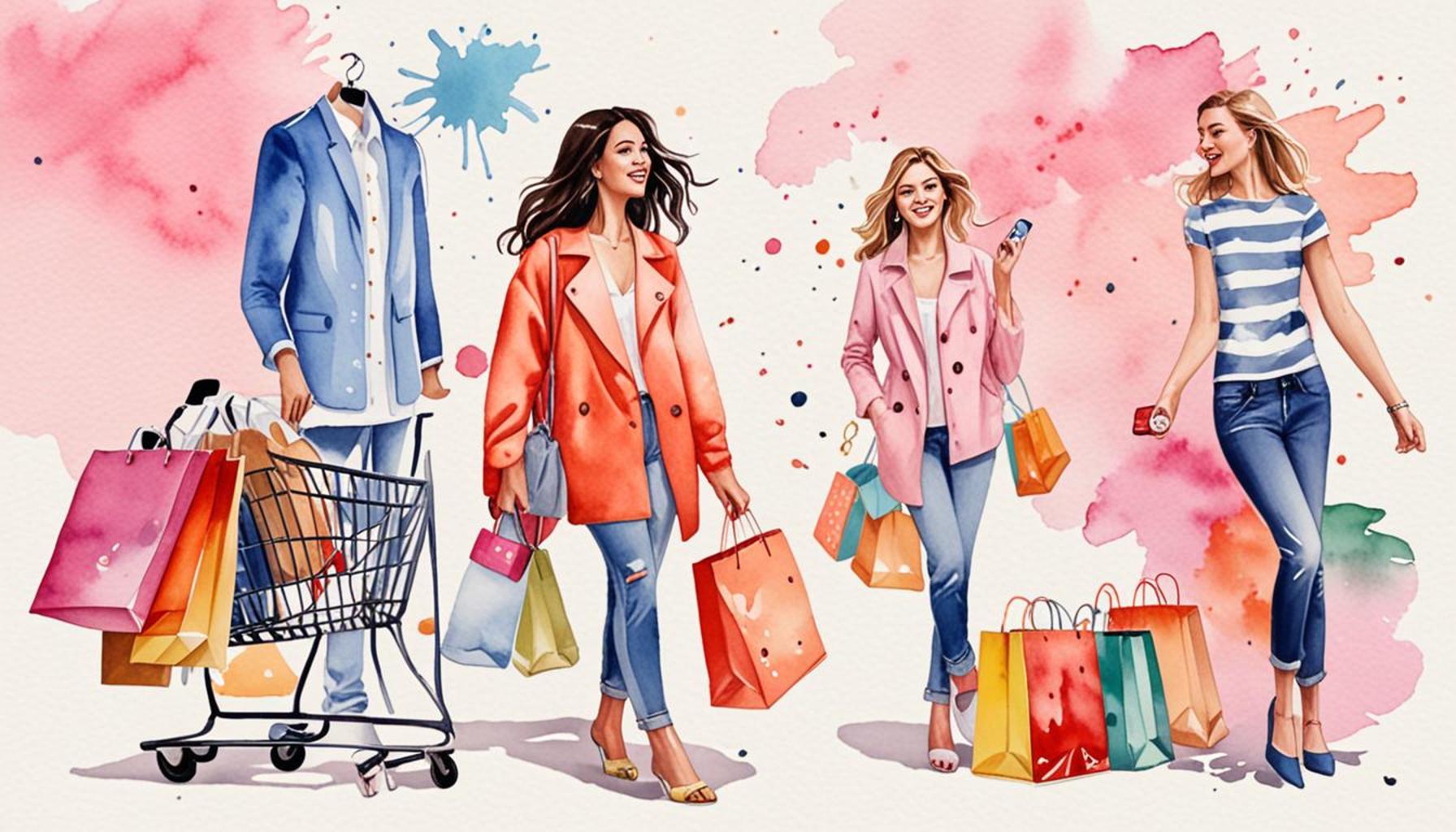
The popularity of limited-time offers in online shopping has transformed the retail landscape, particularly in the realm of fast fashion. Retailers like Shein have successfully tapped into this strategy, creating a compelling shopping experience that exploits the natural tendencies of consumers to act quickly when presented with urgency. This strategy is rooted in psychological principles that resonate with buyers, compelling them to make quicker purchase decisions.
The Psychology Behind Scarcity
When consumers perceive that products are in limited supply or available for a short duration, they often experience a phenomenon known as the scarcity effect. This is deeply rooted in human psychology; when people feel they might miss out on a desirable item, their urge to purchase increases. For instance, when Shein advertises a clothing item that will only be available for 24 hours or features a countdown timer, it drives home the message that those who hesitate might lose the chance to own the item altogether. Research indicates that this type of urgency can enhance decision-making speed, sometimes before potential buyers fully consider the implications of their purchases.
Attraction to Savings
In tandem with urgency, the allure of perceived savings plays a vital role in fast fashion’s marketing strategies. Discounted prices are often highlighted prominently during these limited-time offers, giving shoppers the impression they are securing a significant deal on their purchases. For example, Shein might offer a 50% discount on selected items for a limited period, making shoppers feel like they’re saving money compared to regular pricing. This perception often overrides other considerations, such as budget constraints or the actual need for the item, leading to impulse buys that might not have occurred otherwise.
The Role of Social Media and Influencers
Furthermore, social media influence dramatically amplifies the effectiveness of these promotions. Platforms like Instagram and TikTok are flooded with influencers showcasing their Shein hauls or promoting flash sales. This creates a community effect where consumers feel encouraged to participate in the latest trends, spurred by the fear of being left out. The power of virality on these platforms means that limited-time offers can go viral, increasing their reach exponentially and intensifying the urgency to buy among followers.
Implications for Shoppers and Retailers
For consumers, recognizing the tactics employed by retailers is essential. Understanding that limited-time offers are designed to manipulate purchasing behavior can help shoppers make more informed decisions and avoid unnecessary spending. For retailers, this knowledge can be used strategically to enhance marketing campaigns effectively. By balancing urgency with consumer education about the psychology behind their shopping habits, both entities can operate in a more mindful marketplace.
This exploration into impulse buying behavior highlights a complex interplay between consumer emotions, perceived savings, and marketing strategies. As online shopping continues to evolve, being aware of these dynamics can empower consumers to shop wisely while providing retailers with necessary insights to refine their promotional tactics. Understanding this psychology is crucial for navigating the thrilling yet often impulsive world of online shopping.
DISCOVER MORE: Click here to learn about hassle-free returns and exchanges
The Impact of Limited-Time Offers on Consumer Behavior
Limited-time offers are not merely marketing gimmicks; they represent a well-crafted strategy aimed at influencing consumer behavior in significant ways. Specifically in the fast-fashion sector, where trends change rapidly, Shein’s implementation of such tactics demonstrates how successfully they can drive impulse buying behavior among shoppers. The effectiveness of this approach can be attributed to a mix of psychological prompts, emotional triggers, and the innate human need to seize opportunities as they arise.
The Urge to Act: Instant Gratification
In the digital marketplace, the allure of instant gratification plays a pivotal role. Today’s consumers are often conditioned to expect quick results, and this extends to shopping. When Shein offers a limited-time deal, it taps into the immediate desire to acquire something that feels exclusive. This can manifest in various ways, such as:
- Countdown Timers: Visual cues that count down the remaining availability of an offer build urgency.
- Exclusive Deals: Promotions available only for a set period make items feel unique and desirable.
- Social Proof: Seeing others purchasing items during sales reinforces a sense of urgency and increases the fear of missing out (FOMO).
The combination of these elements creates a high-stakes environment, prompting quick decision-making without the chance for extensive deliberation. As a result, shoppers may prioritize a momentary deal over previously established shopping criteria, inadvertently leading to impulse purchases.
Emotional Responses and Impulse Buying
Another layer to this phenomenon involves the emotional responses elicited by limited-time offers. Sales promotions trigger emotional reactions that can overshadow logical analysis. For many consumers, the thrill of snagging a great deal can lead to a dopamine release, which further incentivizes the purchase. Researchers suggest that the impulsive nature of these decisions can also stem from:
- Fear of Loss: The belief that a desirable item may not be available later is a powerful motivator.
- Social Comparison: Seeing others partake in limited-time offers may create pressure to do the same.
- Anticipation: The excitement surrounding a flash sale can alter consumers’ perception of value, pushing them toward quick buying decisions.
This emotional engagement indicates that Shein’s limited-time offers do more than present a sale; they ignite a complex interplay of fear, excitement, and social validation that compels consumers to act swiftly.
Understanding Consumer Choices
Shein’s strategic use of limited-time offers effectively capitalizes on psychological triggers and emotional responses, encouraging impulsive purchases that may not have occurred under normal circumstances. Being aware of the underlying mechanisms can empower consumers to take a step back and evaluate their purchases more critically, rather than succumbing to the pressure that accompanies these marketing strategies. In today’s fast-paced shopping environment, understanding the full influence of limited-time offers is crucial both for shoppers looking to make informed decisions and for retailers aiming to refine their sales techniques.
The concept of limited-time offers (LTOs) plays a significant role in shaping impulsive buying behaviors among Shein shoppers. As consumers navigate the online retail landscape, the urgency created by these promotions can lead to a heightened sense of scarcity and exclusivity, prompting quick purchasing decisions. The psychology behind this behavior lies in the fear of missing out (FOMO), which can profoundly impact consumer choices. When shoppers see a countdown timer or a message indicating that an offer is expiring soon, their instinctive response may be to act immediately, often without thorough consideration of their needs or budget.Research suggests that consumers are more likely to engage in impulse buying when they perceive that an item is available for a limited time. On platforms like Shein, where stylish apparel and accessories are constantly showcased, LTOs create an enticing environment that encourages shoppers to add items to their cart before the opportunity vanishes. This heightened sense of urgency can overshadow traditional purchasing rationality, leading to decisions driven by immediate gratification rather than long-term value.Moreover, the strategic placement of LTOs on Shein’s webpage, often integrated with eye-catching visuals and attention-grabbing notifications, can create a buzz among potential buyers. By utilizing social proof, such as highlighting “best sellers” or showing stock levels diminishing, Shein effectively amplifies the pressure to purchase. Shoppers may find themselves compelled to buy an item they had no prior intention of purchasing, simply to capitalize on the perceived value of the deal.Such tactics not only increase immediate sales but also cultivate brand loyalty. When customers feel they secured a desirable item at a great price, their satisfaction with the buying experience can translate into repeat purchases and positive word-of-mouth marketing. Therefore, the dynamic interplay between limited-time offers and shopper psychology serves as a cornerstone of Shein’s marketing strategy, reinforcing the influence of urgency on impulse buying behaviors within the fast-paced realm of online shopping. To delve deeper into how FOMO and urgency manipulate consumer behavior, consider exploring the effects of these tactics through user testimonials and real-time shopping data that reflect shifting trends in impulse buying practices.
DISCOVER MORE: Click here for essential shipping tips
Psychological Triggers Behind Impulse Buying
Understanding the psychological triggers that drive impulse buying can illuminate why limited-time offers are particularly effective among Shein shoppers. The captivating nature of these offers is carefully crafted to exploit core human instincts, leading to decisions that are often made in haste. Research in consumer psychology suggests several key factors that play a significant role in driving impulse purchases within the framework of limited-time promotions.
The Dopamine Effect and Reward Systems
One of the underlying psychological triggers related to impulse buying is the dopamine release associated with the anticipation of getting a good deal. When a shopper comes across a limited-time offer at Shein, the prospect of saving money or acquiring a sought-after item creates excitement. This is not merely a fleeting emotion but rather a calculated response activated within the brain’s reward system. The sudden spike in dopamine can create a euphoric sense of reward when a purchase is made, effectively creating a cycle where consumers seek more shopping thrills. This phenomenon aligns with the behavioral concept of operant conditioning, where positive reinforcement through deals makes consumers more likely to repeat the impulse purchasing behavior.
Privacy and Anonymity in Online Shopping
Online shopping platforms like Shein provide a level of anonymity that can diminish the psychological barriers normally associated with shopping, such as judgment from retail associates or fellow shoppers. This sense of privacy can lead to reduced impulse control, as the immediacy and convenience of making a purchase from the comfort of one’s home further amplifies the likelihood of shopping sprees triggered by limited-time offers. Studies show that consumers are far more prone to indulge in spontaneous purchases when they feel safe behind a screen, particularly when in-store shopping dynamics, such as crowds or long lines, are eliminated. Thus, limited-time offers can act as catalysts that exploit this vulnerability, allowing shoppers to act on whims without the typical constraints found in physical retail environments.
The Role of Branding and Perceived Value
Shein’s branding strategy significantly contributes to the perception of value associated with their limited-time offers. The creation of a fashion-forward identity paired with frequent promotional tactics positions the brand as not merely affordable, but trendy and desirable. By effectively communicating scarcity and exclusivity through limited-time offers, Shein enhances consumer perceptions of the product’s value. When shoppers feel that they might miss out on the latest fashion trend, their motivation to purchase escalates, often leading to impulse decisions. The powerful combination of branding, social factors, and impulse buying tendencies creates a perfect storm, where consumers feel compelled to act quickly to secure an item they believe enhances not only their wardrobe but also their social standing.
Future Trends and Consumer Awareness
As limited-time offers continue to evolve within the fast-fashion landscape, it is essential for consumers to become more aware of how such marketing tactics can shape their purchasing decisions. Increased exposure to these promotional strategies raises important questions about consumer responsibility. Awareness of the psychological triggers and metrics influencing impulse buying can empower shoppers to recognize when they might be acting out of impulse rather than genuine need. With the rise of digital retail, including platforms similar to Shein, understanding these adaptive marketing strategies will be key to making informed shopping choices in an environment designed to provoke swift buying decisions.
DISCOVER MORE: Click here to learn how to order clothes easily
Conclusion
The intricate relationship between limited-time offers and impulse buying behavior is vividly illustrated among Shein shoppers. By leveraging psychological triggers such as the dopamine effect, the platform taps into a deep-seated human desire for instant gratification and exceptional value. The anonymity of online shopping further enhances the likelihood of spontaneous purchases, as consumers are able to indulge in retail therapy without the traditional constraints of physical stores.
Moreover, Shein’s marketing tactics masterfully cultivate an ethos of scarcity and exclusivity, with each limited-time offer reinforcing shoppers’ perceptions of fashion value. As consumers find themselves drawn to trending items, they often succumb to the urgency of making quick decisions, fueled by fear of missing out. This unique interplay creates a cycle of impulse buying that may not only affect individual shopping habits but may also reshape broader consumer trends in the fast-fashion industry.
Looking ahead, as digital advertising evolves, it becomes crucial for shoppers to enhance their awareness regarding these persuasive techniques. Empowering oneself with knowledge about the influence of limited-time offers can promote more mindful consumption choices, steering consumers towards fulfilling not just the desire to buy but the need for quality, sustainability, and long-term satisfaction. Ultimately, understanding the dynamics of impulse buying paves the way for a more responsible and informed shopping experience in a constantly changing retail landscape.