
How Competition in the Fast Fashion Sector Impacts the Market Dynamics of Shein
Understanding the Fast Fashion Landscape
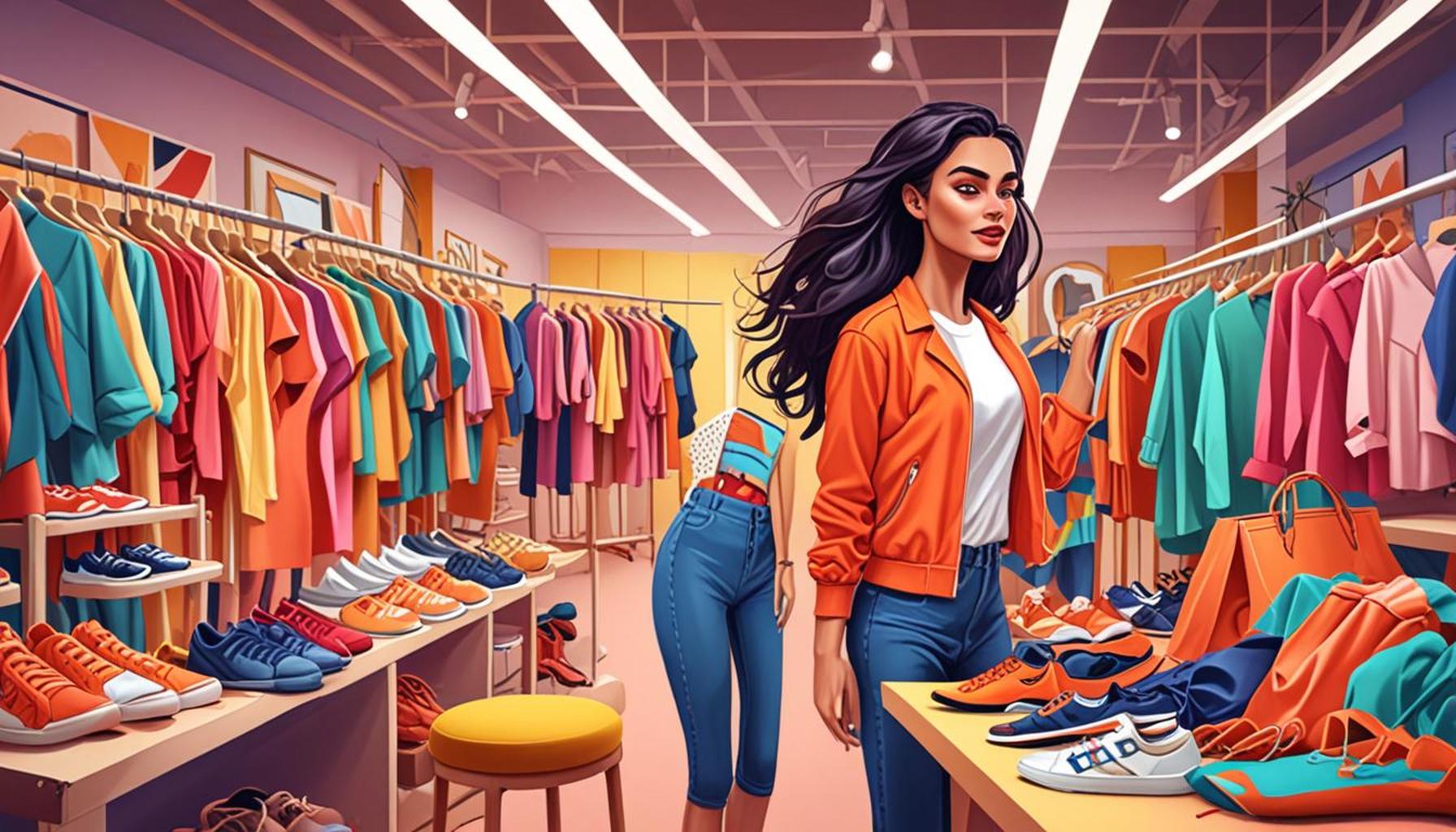
The fast fashion industry has transformed the retail landscape, enabling consumers to access the latest fashion trends at lightning speed and at affordable prices. This fast-paced realm is typified by brands that produce clothing in a matter of weeks, rather than months, showcasing new designs frequently to capture fickle consumer interests. Companies like Shein exemplify this model, effectively utilizing data analytics and consumer insights to tailor their offerings to the whims of shoppers. However, as competition mounts, the stakes are raised for all players within this vibrant yet volatile marketplace.
The Impacts of Competition
Competition in the fast fashion arena leads to a rapidly evolving landscape where brands must constantly innovate to retain consumer interest. Several key factors drive this competition:
- Price Wars: In an effort to entice price-sensitive consumers, numerous brands engage in aggressive pricing strategies, which can lead to fierce discounting wars. Retailers frequently introduce flash sales, significant markdowns, and promotional pricing to stand out, consequently squeezing profit margins and altering perceived value in the eyes of consumers.
- Innovation: Staying ahead in this industry demands continuous technological advancements. Companies are increasingly investing in automated supply chains, artificial intelligence, and predictive analytics to streamline operations and expedite the design process. For instance, brands are adopting 3D modeling technologies that allow faster prototyping and reduced waste, improving efficiency and sustainability, crucial factors in today’s market.
- Marketing Strategies: The role of marketing, particularly through digital channels, cannot be overstated. Brands increasingly rely on influencer collaborations and social media campaigns to create buzz and engage potential customers. A strategic partnership with popular figures can amplify reach, creating a buzz that drives immediate sales—a tactic used successfully by Shein and many rival companies.
The emergence of smaller, nimble brands further intensifies this competitive scenario, forcing established entities to rethink their strategies. It’s not merely about offering the latest clothing; companies must also evaluate their operational capabilities and consumer engagement practices to survive and thrive.
Shein’s Strategic Positioning
In the midst of these challenges, Shein has carved out a significant position through its adeptness at agility and user-centric strategies. The company’s ability to:
- Quickly respond to trends: By analyzing social media patterns and consumer feedback, Shein can design and produce new lines in a fraction of the time compared to traditional retailers, ensuring they remain topical and appealing to their audience.
- Maintain affordability and accessibility: One of Shein’s pillars is its commitment to keeping prices low. The brand’s direct-to-consumer model eliminates middlemen, allowing them to pass savings onto consumers, thereby catering to a broad audience.
- Enhance user experience through personalized offerings: Utilizing advanced algorithms, Shein provides personalized shopping experiences, such as recommending styles based on past purchases and browsing behaviors. This level of customization fosters customer loyalty and boosts sales conversions.
As competition intensifies, these dynamics will be crucial for Shein’s continued success in a marketplace that ever changes. Understanding these strategies illuminates the broader trends within the fast fashion sector, underscoring the intricate dance between innovation, price war tactics, and consumer engagement that defines the industry’s currents.
DISCOVER MORE: Click here to learn about the fast fashion revolution
The Competitive Forces Shaping Shein’s Strategy
The fast fashion sector is characterized by an unrelenting pace and constant evolution, where competition is fierce and consumer preferences shift rapidly. Brands must navigate a landscape where agility and adaptability are paramount. For Shein, one of the largest players in this domain, understanding and responding to the competitive forces at play are essential to its market dynamics.
Adapting to Consumer Demands
One of the hallmarks of competition in the fast fashion sector is the increasing need to understand consumer behavior. With trends now dictated largely by social media and celebrity endorsements, Shein has refined its approach to market research. Through the use of sophisticated analytics, the brand monitors trending hashtags, viral TikTok challenges, and influencers’ wardrobe choices to anticipate what consumers will want next. This real-time feedback loop enables Shein to introduce new collections at a pace that keeps it relevant, often within mere days of a trend’s inception.
Moreover, the rise of sustainability consciousness among consumers has prompted Shein to explore eco-friendly practices. While competition fuels a race to push production speed, there is simultaneous pressure to enhance sustainability. Brands that successfully marry the appeal of low prices with environmental responsibility not only attract a loyal customer base but also set benchmarks for the industry.
Supply Chain Innovations
As competition mounts, innovation in supply chain management becomes a critical differentiator. Shein distinguishes itself through a highly efficient logistics network that minimizes lead times without compromising quality. The company utilizes a decentralized production model, maintaining relationships with manufacturers both in its home base of China and across other international markets. This interconnected system allows for rapid production, ensuring that the brand can respond quickly to surging consumer demand, similar to its competitors.
In addition, automation plays a vital role in Shein’s operations. The integration of robotics and AI within their supply chain not only optimizes inventory management but also aids in precise forecasting of fashion trends based on consumer purchasing behavior. This level of customization is becoming increasingly essential in a market where personalized experiences drive purchasing decisions.
Digital Marketing and Brand Engagement
The digital landscape is pivotal in shaping competitive dynamics, particularly for fast fashion brands like Shein. Due to the prevalence of online shopping, effective digital marketing strategies have emerged as a cornerstone of success. Brands invest heavily in social media marketing, leveraging platforms like Instagram and TikTok to connect with a younger demographic. Shein’s partnership with micro-influencers exemplifies this trend, as it uses relatable figures to promote its clothing, often leading to greater authenticity and engagement.
Brands in the fast fashion sector not only engage in product promotions but are also tasked with building communities around their offerings. As competition grows, such engagement tactics become vital for sustaining interest and enhancing brand loyalty. This dual strategy of aggressive marketing and community-building is essential for companies like Shein, as they seek to maintain relevance amid an expansive field of competitors.
As these competitive dynamics unfold, Shein’s continued success will hinge on its ability to remain agile while also anticipating the evolving demands of consumers, never losing its grip on the fast fashion pulse.
As the fast fashion landscape continues to evolve, the emergence of new competitors like Zara, H&M, and even online platforms such as ASOS exemplifies the rapid pace at which market dynamics can shift. The pressure from these rivals compels Shein to innovate and adjust its strategies consistently. This aspect leads to a greater focus on sustainability and ethical manufacturing processes as consumers become increasingly aware of the environmental and social implications of fast fashion. Thus, brands that adapt to these trends tend to resonate with a more conscientious clientele. Additionally, the advent of e-commerce has transformed the distribution channels significantly. Shein has capitalized on this by leveraging data analytics to optimize their inventory and predict fashion trends, thus ensuring quicker turnaround times. Such practices not only enhance customer experiences but also bolster Shein’s competitive edge. Market dynamics are heavily influenced as brands engage in responsive marketing strategies that cater to immediate consumer demands. This shift cultivates a vibrant and competitive market, which can often compress margins, but it also opens avenues for distinct branding and niche markets. Furthermore, with the rise of social media influencers and user-generated content, Shein has effectively harnessed these platforms for marketing. Collaborations with influencers create a buzz and generate organic traffic, similarly, helping the brand to stand out amidst stiff competition. Together, these dynamics not only dictate the operational strategies of Shein but also illustrate a broader trend within the fast fashion sector; that the drive for innovation and adaptability is critical in maintaining market share against the backdrop of intense competition. This competition fuels a cycle of continuous improvement, driving the industry forward while simultaneously raising questions about sustainability, consumer responsibility, and the true cost of “fast” fashion.
DISCOVER MORE: Click here to dive deeper
Leveraging Technology for Competitive Advantage
In an industry defined by its need for speed, leveraging technology is not just an advantage—it’s a necessity. Shein’s ability to utilize cutting-edge technology plays a key role in how it navigates the competitive landscape. Automated systems and algorithms are increasingly integrated into every facet of its operations, from design to customer service. By harnessing big data analytics, Shein can craft personalized shopping experiences that keep customers returning.
Shein’s technological approach enables rapid prototyping, allowing the company to test various styles and aesthetics through digital mock-ups before commencing large production runs. This digital-first approach not only saves time but also aligns with market trends more accurately. The brand can assess consumer reactions to potential releases via pre-orders or social media polls, thereby refining its offerings based on real-time insights.
Price Wars and Consumer Perception
Competition inevitably leads to price wars in the fast fashion sector, and Shein is no stranger to this game. The brand’s well-established model of offering trendy apparel at ultra-competitive prices has set a high bar for its competitors. This aggressive pricing strategy is supported by its efficient supply chain, reducing costs that can be passed on to the consumer.
However, the impact of these price wars extends beyond mere sales numbers; they influence consumer perception, shaping the understanding of value in the fast fashion landscape. While price sensitivity remains high among budget-conscious shoppers, there is an emerging shift where consumers also seek versus basic value—quality, sustainability, and brand ethics. As competition increases, brands like Shein find themselves challenged to balance affordability with these additional layers of consumer expectations.
The Role of Social Responsibility
Amidst the competitive chaos, social responsibility has become a focal point for many fast fashion companies. Shein is under increasing scrutiny to align its practices with the ethical expectations of a growing demographic that values corporate responsibility. As brands incorporate more sustainable practices into their models, Shein’s competitive positioning can be impacted by its reputation for environmental impact.
Shein recently made moves to downplay its fast fashion label by developing eco-friendly lines and maintaining transparency about its manufacturing processes. While this shift may appear advantageous in the eyes of consumers seeking responsible brands, it also represents a significant cost and operational overhaul. The ability to innovate while adhering to social responsibility standards is what will ultimately differentiate Shein from its competitors and allow it to regain consumer trust in a crowded market.
Global Market Expansion
Driven by fierce competition, Shein has set its sights beyond the domestic market, accelerating its global expansion strategy. With a presence in many countries, including the U.S., Europe, and Asia, Shein capitalizes on regional fashion trends to tailor its offerings accordingly. This adaptability in international markets allows the brand to spread its risks and tap into diverse consumer bases, thereby enhancing its market presence.
As Shein continues to expand, challenges also arise in managing local competition, regulatory environments, and varying consumer preferences. Each market demands a unique strategy, and Shein must continue to evolve its approach to maintain its competitive edge. Whether responding to regional fashion trends or addressing local sustainability concerns, Shein’s global strategy significantly shapes its overall market dynamics.
DISCOVER MORE: Click here to learn how to order effortlessly from Shein
Conclusion: Navigating the Fast Fashion Landscape
The rapid evolution of the fast fashion sector has initiated a significant transformation in market dynamics, particularly for companies like Shein. As analyzed, technological investments have emerged as critical facilitators for Shein, allowing the brand to not only keep pace with changing consumer preferences but to also set trends. The reliance on big data and automated processes creates an agile framework for responding to market demands swiftly and effectively.
However, the ongoing price wars and heightened consumer expectations present a dual-edged sword. While competitive pricing has propelled Shein to a dominant position, it has also raised concerns about quality and ethical practices. As consumers grow increasingly discerning and prioritize brand ethics alongside affordability, companies must strike a balance that satisfies both lower price points and sustainable practices.
As Shein continues to expand its global footprint, the challenges of navigating diverse markets and adapting to localized demands will be pivotal. The competition within the industry is not merely about financial metrics; it encompasses a broader narrative of social responsibility and environmental stewardship. To maintain its competitive edge, Shein must not only excel operationally but also enhance its image as a responsible brand.
In conclusion, the interplay of competition in the fast fashion sector and Shein’s adaptive strategies highlights a continuously evolving marketplace. As upcoming trends and consumer behaviors shape future dynamics, companies seeking longevity must learn from Shein’s lessons while aiming to innovate responsibly. The ultimate question remains: can fast fashion evolve beyond mere trends to embody sustainable and ethical practices, paving the way for a more conscientious industry?