
Innovation in the Supply Chain: How Shein is Redefining Logistics in Digital Commerce
The Transformation of Supply Chain Management
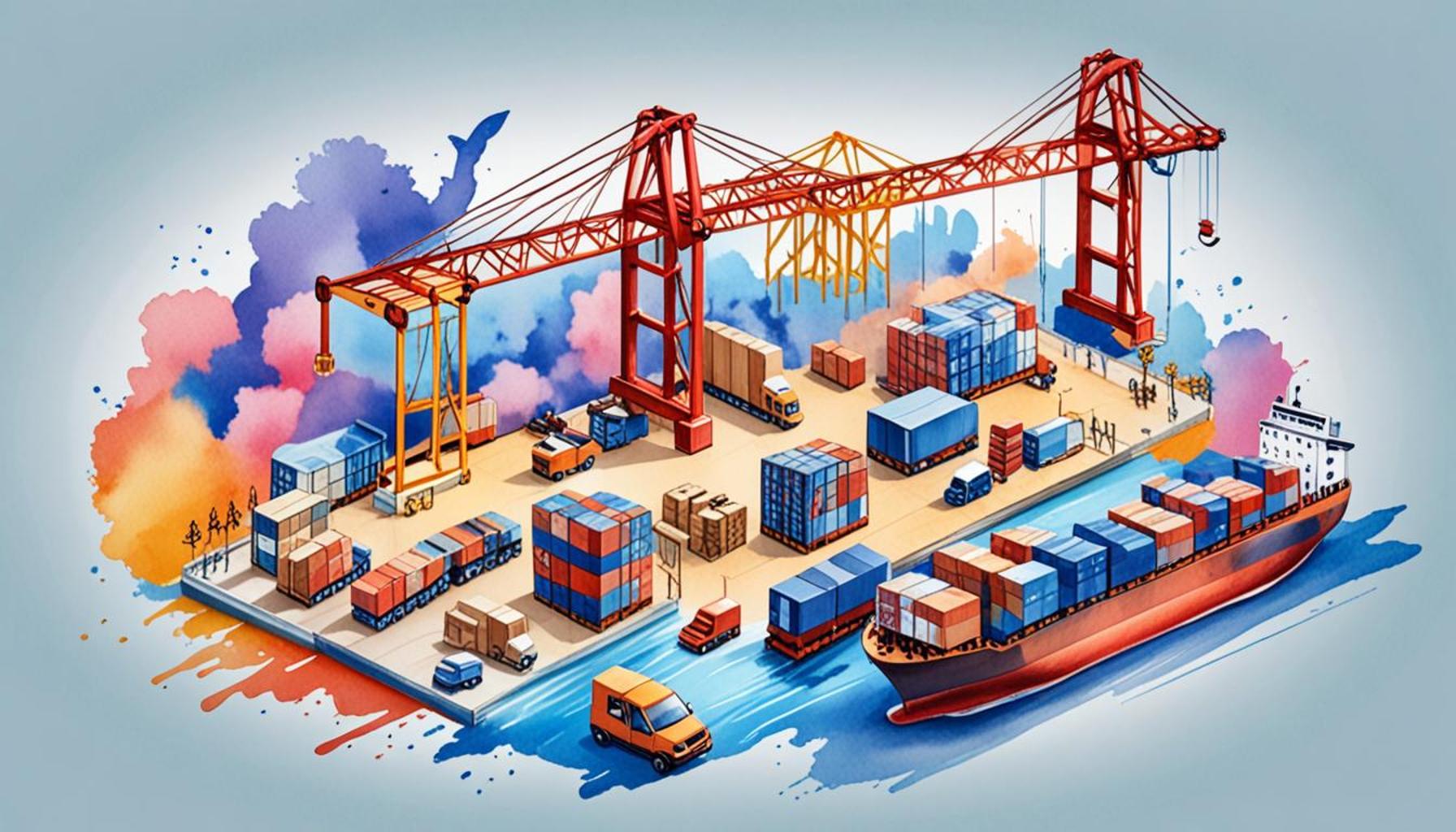
In the modern landscape of digital commerce, innovation in supply chain management has taken center stage. Enterprises like Shein exemplify this need for innovation, utilizing cutting-edge technology to refine logistics and adapt to the fast-evolving demands of consumers. This agility not only enhances operational effectiveness but also enriches customer experiences, making it a vital component for success in today’s retail environment.
Key Strategies Transforming Supply Chain Practices
To fully appreciate how Shein is disrupting traditional supply chain models, it is essential to examine several pivotal strategies that define their operations:
- Real-Time Data Utilization: The backbone of Shein’s supply chain is its ability to harness analytics for informed decision-making. Through advanced data collection methods, Shein gathers insights from customer behavior and market trends. This real-time data enables the company to make quick adjustments to its inventory and promotional strategies, ensuring that what’s trending is always in stock. For example, if a specific design starts gaining traction on social media, Shein can rapidly adjust production quantities to meet the anticipated surge in demand.
- Rapid Production Cycles: One of the most striking features of Shein’s supply chain is its swift production cycle. While traditional retailers might take months to move from concept to retail shelves, Shein has streamlined this process to just weeks. This is achieved through a combination of advanced design software, close partnerships with manufacturers, and a decentralized operational model. Such rapid turnaround allows Shein to introduce hundreds of new styles weekly, keeping their offerings fresh and exciting for consumers.
- Flexible Inventory Systems: Shein’s inventory management is characterized by a high level of flexibility. The company’s approach involves adopting a just-in-time inventory system that is responsive to immediate customer preferences. By closely tracking sales patterns and using predictive analytics, Shein adjusts its stock accordingly, minimizing waste and reducing the risk of overproduction. This nimbleness not only supports sustainability efforts but also enhances profitability.
- Advanced Shipping Techniques: To address the demand for quicker deliveries, Shein employs innovative logistics solutions. The company has developed partnerships with various logistics providers and utilizes advanced shipping algorithms to optimize delivery routes. This engagement allows Shein to offer attractive shipping options, such as expedited shipping, which is crucial in drawing in the millennial customer base that prioritizes speed in e-commerce.
Setting a New Standard
These strategies not only highlight Shein’s unwavering commitment to operational excellence but also signify a significant shift within the retail industry. As competition escalates, it becomes crucial for brands to either innovate or risk becoming obsolete. The success of Shein serves as a potent case study for emerging brands and established retailers alike.
In conclusion, the innovative logistics strategies employed by Shein are paving the way for a new standard in digital commerce logistics. Understanding these elements offers valuable insights into potential future trends in supply chain management, paving the path for further exploration into how technology continues to reshape the retail landscape. The implications of this transformation are far-reaching, signaling a future where agility and responsiveness are paramount in supply chain design.
LEARN MORE: Click here to delve deeper
Revolutionizing Supply Chain Dynamics
The rapid evolution of digital commerce has propelled companies like Shein to the forefront of supply chain innovation. The manner in which Shein engages with its logistics processes showcases a shift from traditional methods to a tech-driven approach, redefining what efficiency and responsiveness mean in the world of retail. From the earliest stages of production to the final delivery at customers’ doorsteps, Shein demonstrates that understanding consumer behavior is crucial for maintaining its competitive edge.
Comprehensive Data-Driven Insights
At the heart of Shein’s operational strategy lies an extensive reliance on data analytics. This capability not only informs inventory decisions but also drives the design process. By utilizing robust data-gathering techniques, Shein can identify precisely what styles, colors, and fabrics resonate with consumers. With reports suggesting that over 85% of companies see data-driven decision-making as a primary driver of growth, Shein remains ahead of the curve by employing sophisticated analytics platforms to dissect upcoming fashion trends and consumer preferences within moments.
Additionally, Shein’s use of analytics extends beyond simply observing trends; it actively involves engaging with the consumer base on social media platforms. By tapping into user-generated content and feedback loops, Shein adapts its offerings in real-time. According to industry reports, this engagement strategy can result in up to a 50% increase in consumer satisfaction, exemplifying how well-timed responses to customer feedback can significantly impact sales.
Streamlined Production Processes
The hallmark of Shein’s success is its ability to condense production cycles to a mere fraction of what conventional retailers require. Traditional fashion brands typically operate on a seasonal production schedule, which can take months. In contrast, Shein has mastered the art of the “fast fashion” model, facilitating rapid design and manufacturing shifts that can see a newly conceived product reach the market within three weeks. This ability to pivot quickly not only avoids the pitfalls of outdated inventory but also creates a buzz among consumers who crave the latest styles almost instantaneously.
Innovative Inventory Management
- Data-Driven Stock Adjustments: By leveraging predictive analytics, Shein aligns its inventory more closely with consumer demand, thereby mitigating risks associated with overstocking. This agile inventory system allows Shein to optimize space and inventory costs effectively.
- Just-in-Time Fulfillment: Adopting a just-in-time approach, Shein provides retailers with the ability to respond to market dynamics swiftly while minimizing excess inventory and potential waste, which is increasingly vital in a world with heightened environmental consciousness.
- Dynamic Warehousing Solutions: Shein’s logistics prowess includes advanced warehousing capabilities that support their quick turnaround time. By employing automated storage and retrieval systems, goods are processed and dispatched efficiently, enhancing overall delivery times.
As these innovative practices come to light, it’s evident that Shein is not merely a participant in digital commerce but a pioneer steering the conversation on supply chain evolution. Their practices set a new paradigm for what supply chains should aspire to become in order to thrive in a digitally driven marketplace. Ultimately, Shein’s strategies serve as a blueprint for not only emerging brands but also established companies aiming to reimagine their operational methodologies in an increasingly competitive landscape.
| Advantage | Description |
|---|---|
| Rapid Fulfillment | Shein leverages advanced algorithms and data analytics to identify emerging trends, allowing rapid response to market demands. |
| Cost Efficiency | Their streamlined logistics reduce operational costs and enhance competitiveness without sacrificing quality. |
In exploring how Shein is reshaping the logistics landscape of digital commerce, one cannot overlook the pivotal role of technology integration. With the use of cutting-edge technology, Shein has positioned itself as a leader in logistics efficiency. By utilizing real-time data, the company can forecast inventory needs, significantly reducing overproduction and waste.Moreover, Shein’s unique approach to supply chain management embraces a just-in-time (JIT) strategy, which ensures products are manufactured only when there is consumer demand. This not only streamlines operations but also fosters sustainability—an increasingly crucial aspect in today’s eco-conscious market. This innovative model has caused a ripple effect across the industry, prompting other brands to rethink their logistics frameworks. The focus on speed, accuracy, and client-centric service showcases how Shein is not just redefining its own logistics but also setting the pace for digital commerce as a whole. As brands globally grapple with the challenges of adapting to consumers’ fast-evolving desires, Shein stands out as a case study in agile logistics that other players might aspire to emulate. Would you like to delve deeper into Shein’s supply chain innovations?
DIVE DEEPER: Click here to uncover more insights
Agile Logistics and Fulfillment Strategies
In an era where consumer expectations are at an all-time high, Shein’s logistics strategies have become a cornerstone of its operational success. The intricate web of logistical processes developed by Shein not only facilitates rapid product delivery but also enhances customer experience, consistently transforming the traditional e-commerce landscape. One of their pivotal innovations is the implementation of enhanced last-mile delivery solutions, which have been reshaping how consumers receive their orders.
Localized Distribution Centers
To ensure prompt delivery, Shein has established localized distribution centers across key markets. By positioning their warehouses closer to major consumer bases, Shein significantly reduces shipping times. Within the United States, for instance, the company has strategically placed warehouses in states like California and Texas, allowing for expedited shipping throughout the country. This infrastructure not only speeds up the fulfillment process but also lowers shipping costs, resulting in a win-win scenario for both the company and its customers.
Additionally, Shein’s commitment to localizing its logistics network benefits from advanced technologies like real-time tracking systems. These systems enable customers to monitor their orders from the moment of purchase to delivery. Research indicates that customers who can track their orders exhibit up to a 40% higher satisfaction rate, underscoring the significance of transparency in consumer engagement.
Smart Automation and Robotics
Another aspect of Shein’s innovative supply chain approach is the integration of smart automation and robotics within its fulfillment centers. By utilizing automated sorting systems and robotic arms for order picking, Shein enhances accuracy and efficiency, ensuring that the right products are dispatched in a timely manner. This automation not only accelerates processing times but also mitigates human error, thereby improving overall service quality.
- Inventory Replenishment Systems: Advanced algorithms predict stock levels based on real-time sales data, prompting automatic stock replenishments. This minimizes instances of out-of-stock scenarios and allows Shein to maintain a competitive edge in inventory availability.
- AI-Driven Demand Forecasting: Utilizing artificial intelligence for demand forecasting helps Shein pivot its inventory management, aligning supply more closely with actual market demand. This foresight prevents excess stock and encourages efficient use of resources.
Sustainability Initiatives in Logistics
As sustainability becomes ever more critical in the realm of commerce, Shein is also embracing eco-friendly practices within its logistics operations. Initiatives such as green packaging solutions and energy-efficient transportation methods highlight the company’s commitment to reducing its carbon footprint. For example, Shein has begun to implement recyclable materials for product packaging and partnered with shipping companies that prioritize low-emission vehicles.
The push toward sustainable logistics is not merely a compliance measure but an integral component of Shein’s branding strategy. Reports indicate that consumers are increasingly inclined to support brands that prioritize environmental responsibility. By aligning its logistics methodologies with sustainable practices, Shein not only enhances its marketability but also resonates with a growing demographic that values “green” business operations.
As Shein continues to leverage innovation in its supply chain logistics, the implications are profound. The brand’s multifaceted approach illustrates how a company can effectively intertwine technology with consumer demands, leading to enhanced operational efficiency. It is clear that Shein’s logistical innovations hold valuable lessons for the entire retail sector, challenging businesses to reevaluate their supply chain strategies to meet the dual demands of speed and sustainability.
DIVE DEEPER: Click here to learn more
Conclusion: A New Era of Supply Chain Innovation
Shein’s innovative approaches in supply chain logistics are not merely trendsetters—they represent a seismic shift in how digital commerce can operate. By emphasizing localized distribution centers, the brand has managed to significantly reduce delivery times, catering to the ever-increasing consumer demand for immediacy. This move is complemented by the deployment of cutting-edge smart automation and robotics, which streamline order fulfillment and enhance accuracy, creating a seamless transactional experience. Coupled with sustainability initiatives that align with modern consumer values, Shein is not just delivering products; it is delivering an experience that resonates with a conscientious audience.
The key takeaway from Shein’s logistics innovation is the importance of agility and adaptability in a fast-paced e-commerce environment. Their ability to leverage technology, including advanced algorithms for inventory management and AI-driven demand forecasting, underscores the necessity for businesses to remain responsive to market fluctuations and consumer preferences. As the e-commerce landscape evolves, companies are encouraged to look closely at these methodologies, reconsidering their own supply chain strategies in pursuit of enhanced efficiency and sustainability.
As we step into a future where digital commerce will continually evolve, it is imperative for businesses to embrace such innovative practices. Shein’s journey serves as a compelling case study, illuminating the path for others to follow in redefining logistics within the supply chain. Ultimately, the brands that prioritize consumer satisfaction while addressing sustainability will thrive in this competitive market.