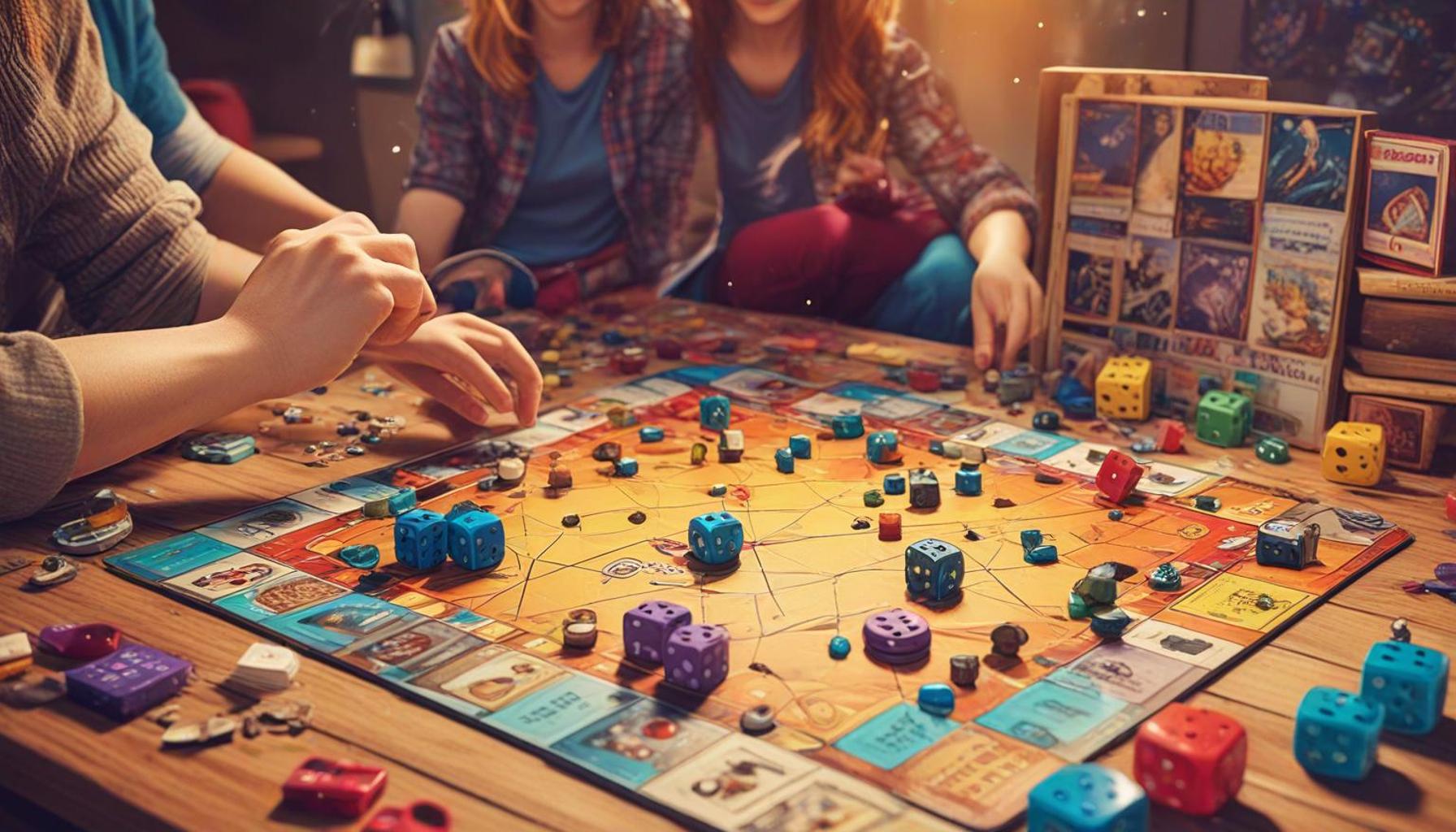
The influence of board games on mental relaxation: a social analysis
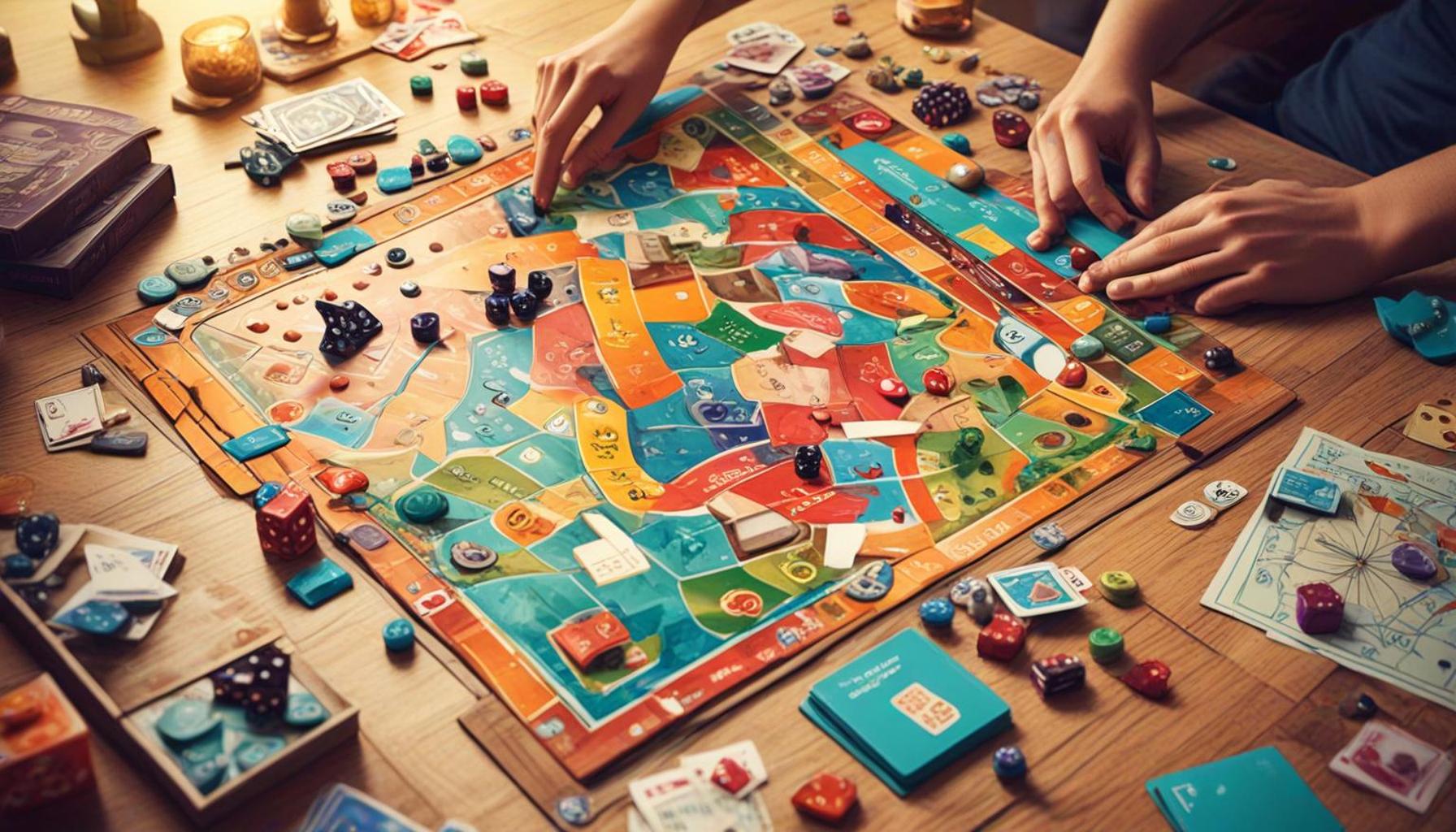
The Power of Board Games in Connecting People
Board games have long held a special place in various cultures, including Nigeria’s rich tradition of communal play. They are more than just a pastime; they serve as a medium for social connection and mental relaxation. As lifestyles become increasingly hectic, individuals are turning back to these leisurely pastimes to unwind.
Why are board games significant in the realm of mental relaxation? Consider the following aspects:
- Social Interaction: Board games naturally encourage communication and bonding among family and friends. In many Nigerian households, evenings or weekends are dedicated to playing games like Oware or Drafts, which bring together loved ones around a table, fostering laughter and conversation. This shared experience helps strengthen relationships and create lasting memories.
- Mindfulness: Engaging in strategic gameplay promotes focus, effectively pulling players away from daily stressors. When players immerse themselves in the mechanics of a game, they find themselves momentarily liberated from concerns such as work deadlines or financial worries.
- Emotional Release: The light-hearted competition and shared laughter can alleviate anxiety and enhance mood. For instance, after a challenging week, gathering over a game of Ludo can serve as an excellent emotional outlet, allowing players to escape their everyday stress while enjoying friendly competition.
Moreover, the benefits of board games extend beyond mere entertainment. Studies suggest that they can enhance cognitive functions such as problem-solving and creativity. In Nigeria, the popularity of games like Ludo and Chess reflects the communal spirit, where mental relaxation is intricately tied to the social fabric. Players engage in critical thinking and strategic planning, honing their cognitive skills while enjoying the game.
Examining Mental Health Benefits
As we delve deeper into this analysis, it is essential to explore the impact of board games on mental health across different demographics. For instance, among youth, these games can serve as a bridge for developing social skills, while older generations use them to strengthen familial connections. What can these games reveal about social dynamics and well-being in modern Nigerian society? The answers may not only surprise you but also inspire a return to these traditional forms of entertainment.
Additionally, board games serve as a means of preserving cultural heritage. Many traditional games tell stories, passed down through generations, preserving history and community identity. This intertwining of play and culture further enriches the experience, making board games not just a tool for relaxation but also a vibrant expression of communal identity.
Ultimately, the charm of board games in Nigeria lies in their ability to create joyful moments, promote mental well-being, and foster a sense of belonging. In an era increasingly characterized by isolation due to digital distractions, returning to these engaging activities may just be the answer to enhancing mental relaxation and reinforcing social bonds.
YOU MAY ALSO LIKE: Read read another article
Exploring the Complex Relationship Between Board Games and Mental Wellness
In a world increasingly driven by digital technology, factors that promote mental relaxation deserve attention. Traditional board games, often seen as relics of the past, are emerging as pivotal tools in enhancing mental well-being. These games engage players within a rich tapestry of social interaction that can significantly mitigate stress levels. So how do these nostalgic pastimes influence mental relaxation in contemporary society, particularly within Nigeria?
One of the most profound attributes of board games is their capacity to create an engaging atmosphere that encourages teamwork and collaboration. Most notably, in many Nigerian homes, games like Mancala and Abakada are not just competitive; they involve communication that fosters cooperation, allowing families and friends to reconnect in an otherwise fast-paced life. When players gather at the table, there’s a collective shift in focus, pulling them away from the daily grind and into a shared moment of joy. This communal aspect strengthens the emotional ties among players, reinforcing the notion that games are as much about social bonds as they are about competition.
- Encouragement of Teamwork: Board games often require players to work together to achieve a common goal, which further enhances cooperation and communication skills.
- Stress Relief: The focus required to play games effectively diverts attention away from stressors, providing a much-needed break for the mind.
- Cognitive Engagement: Games that demand strategic thinking and planning stimulate mental processes, contributing to a sharper mind and improved problem-solving skills.
Furthermore, board games can be an effective way to develop essential life skills in youth. The social dynamics at play allow young people to learn conflict resolution, patience, and negotiation—all through the enjoyable lens of play. In Nigeria, where communal living often shapes upbringing, the ability to share, compete, and communicate fluidly through games can have substantial repercussions on youths’ social skill development. Players learn both the joy of winning and the grace of losing, important aspects that contribute to emotional intelligence.
Additionally, board games offer significant mental health benefits that go beyond mere entertainment. Research indicates that engaging in such activities can lower cortisol levels, the body’s primary stress hormone. This means that when players gather to enjoy a game, they may literally be playing away their worries. In urban areas in Nigeria, where the pressure of modern life can be overwhelming, the act of sitting down for a simple game can serve as a powerful antidote to mental fatigue.
In conclusion, the influence of board games on mental relaxation is multifaceted, extending from immediate enjoyment to long-term benefits in mental health and social relationships. As individuals increasingly seek solace from the pressures of modern living, these traditional games present not just a means of entertainment, but a path towards emotional well-being and collective harmony. Could the revival of board games in Nigeria signal a communal shift towards prioritizing mental health and connections in today’s challenging times? Only time—and perhaps a few board games—will tell.
The Benefits of Board Games for Mental Relaxation
Board games have evolved into much more than mere entertainment; they play a significant role in mental relaxation and social interaction. As individuals navigate through daily stressors, engaging in board games can provide a much-needed escape and a moment to unwind. This intriguing phenomenon invites us to explore the various benefits associated with such recreational activities.One of the primary advantages is the opportunity for socialization. In our increasingly digital world, board games offer a tactile, face-to-face platform where players connect and interact with one another. This promotes not just bonding but also the sharing of experiences and emotions, which can deeply influence one’s mood and overall mental health.Additionally, board games can enhance cognitive functions such as critical thinking, problem-solving, and strategy formulation. Engaging in these mentally stimulating activities sharpens the mind and distracts players from daily anxieties, allowing for a significant reduction in stress levels. Notably, studies have illustrated how strategic games engage both hemispheres of the brain, fostering creativity and improving memory retention. The experience of playing board games extends beyond just winning or losing; it encompasses a sense of community and belonging. For many, these games serve as a ritual for family or friends, where laughter and shared narratives become the fabric of their relationships. This social aspect is crucial as it acts as a buffer against feelings of isolation and loneliness, thus promoting mental wellness.To delve deeper into the understanding of how board games influence relaxation and psychological well-being, let’s explore a structured overview of some of the key benefits further.
| Category 1 | Category 2 |
|---|---|
| Social Interaction | Facilitates connections and bonding among players. |
| Cognitive Enhancement | Stimulates critical thinking and problem-solving skills. |
As we further navigate through this social analysis, we invite readers to reflect on their experiences and the potential psychological benefits derived from indulging in board games.
RECOMMENDED: Check out this similar article
The Therapeutic Nature of Board Games in Community Settings
Beyond the immediate joy that board games bring, they serve as a therapeutic outlet, especially in community settings like neighborhoods or local gatherings. In Nigeria, where social gatherings are common, games such as Ludo or Whot! not only entertain but also create an environment that fosters mental relaxation. The laughter, banter, and shared experiences during these sessions can significantly reduce feelings of isolation and anxiety, which are often prevalent in urban areas.
The cognitive benefits of board games extend to enhancing mental agility as well. Popular games that involve strategic thinking such as Chess can stimulate the brain’s executive functions, which include problem-solving, planning, and critical thinking. Engaging in these processes is akin to a mental workout, leading to sharpened thinking over time. Studies show that regular participation in such games can result in improved cognitive health and may even lower the risk of cognitive decline as people age. This is particularly important in a society like Nigeria’s, where intergenerational relationships remain strong, and the wisdom passed from one generation to another can thrive when minds remain sharp.
Additionally, board games equip individuals with the tools to manage their emotions effectively. Drawing from the rich heritage of games played in various Nigerian cultures, such as Oware, players learn to navigate feelings of frustration or disappointment when faced with defeat. Such experiences cultivate resilience, an essential life skill. The process of engaging with others in a playful context can help individuals to recognize and articulate their emotions better. This emotional development translates well into everyday interactions, promoting healthier relationships within families and communities.
- Community Bonding: Board games serve as a social glue, bringing people together in settings where they can build friendships and strengthen community ties, especially in rural gatherings during festive seasons.
- Emotional Development: Game scenarios often encourage players to express their feelings, leading to enhanced emotional vocabulary and better resilience to life’s challenges.
- Cognitive Advantages: Engaging in strategic games mentally prepares players for real-life decision-making and problem-solving scenarios, critical in personal and professional environments.
The intergenerational aspect of board games also cannot be overlooked. In many Nigerian households, grandparents share games with their grandchildren, creating moments of bonding that are both educational and entertaining. Such interactions facilitate storytelling and the sharing of family history, reinforcing cultural heritage while also depositing a sense of belonging in younger generations. The act of playing board games as families promotes mental well-being across various age groups and contributes to a community ethos where mental relaxation is prioritized.
Research suggests that game-based activities can lead to a decrease in feelings of loneliness among participants. This is particularly salient given the growing concern over mental health issues in Nigeria, with urban youth often feeling disconnected in a rapidly evolving environment. The communal aspect of playing board games provides a necessary support system where individuals can share experiences and create lasting memories. In fostering these environments, board games truly become platforms for relaxation and emotional revitalization that address the unique psychological landscape of today’s Nigerian society.
LEARN MORE: This related article may interest you
Conclusion: The Transformative Power of Board Games
In summary, the findings from this social analysis reveal that board games play a multifaceted role in promoting mental relaxation across Nigerian communities. These games, such as Ludo, Whot!, and Oware, serve not just as entertainment, but as essential tools for emotional development, cognitive enhancement, and community bonding. The therapeutic effects of these games are particularly pronounced in urban settings, where the pressures of modern life often lead to feelings of isolation and stress.
As a social glue, board games foster connections among players, allowing them to share laughter, stories, and experiences while cultivating resilience and emotional intelligence. This dynamic interplay is vital for nurturing healthier relationships within families and communities, thus creating a supportive environment where mental well-being is prioritized. Furthermore, the cognitive benefits gained through strategic gameplay prepare individuals for complex decision-making in everyday life, illustrating the games’ broader implications beyond mere fun.
Ultimately, as mental health concerns gradually rise within the Nigerian population, integrating board games into daily life could revitalize communal ties and provide invaluable support systems that combat loneliness. As we continue to explore the impact of leisure activities on emotional health, it becomes clear that board games possess not just nostalgic value but also significant potential for fostering a healthy, engaged, and resilient society. Thus, embracing these games could be one effective strategy for enhancing mental relaxation and community cohesion in today’s rapidly changing world.

Linda Carter
Linda Carter is a writer and puzzle expert specializing in mind games, brain teasers, and cognitive challenges. With extensive experience helping individuals enhance their problem-solving skills and think critically, Linda shares her knowledge on our platform. Her goal is to empower readers with practical advice, engaging puzzles, and strategies to sharpen their minds and achieve success in the captivating world of mind games and puzzles.