Visual puzzles and their role in mental tranquility: how art can be therapeutic
The Benefits of Engaging with Visual Puzzles
In an age marked by constant distractions and heightened stress, the importance of finding ways to achieve mental tranquility cannot be overstated. Increasingly, individuals are discovering the profound benefits of visual puzzles—art forms that challenge the mind while simultaneously promoting a sense of peace. Beyond mere entertainment, these intricate creations are emerging as powerful tools for personal healing and emotional stability.
Diverse Forms of Visual Puzzles
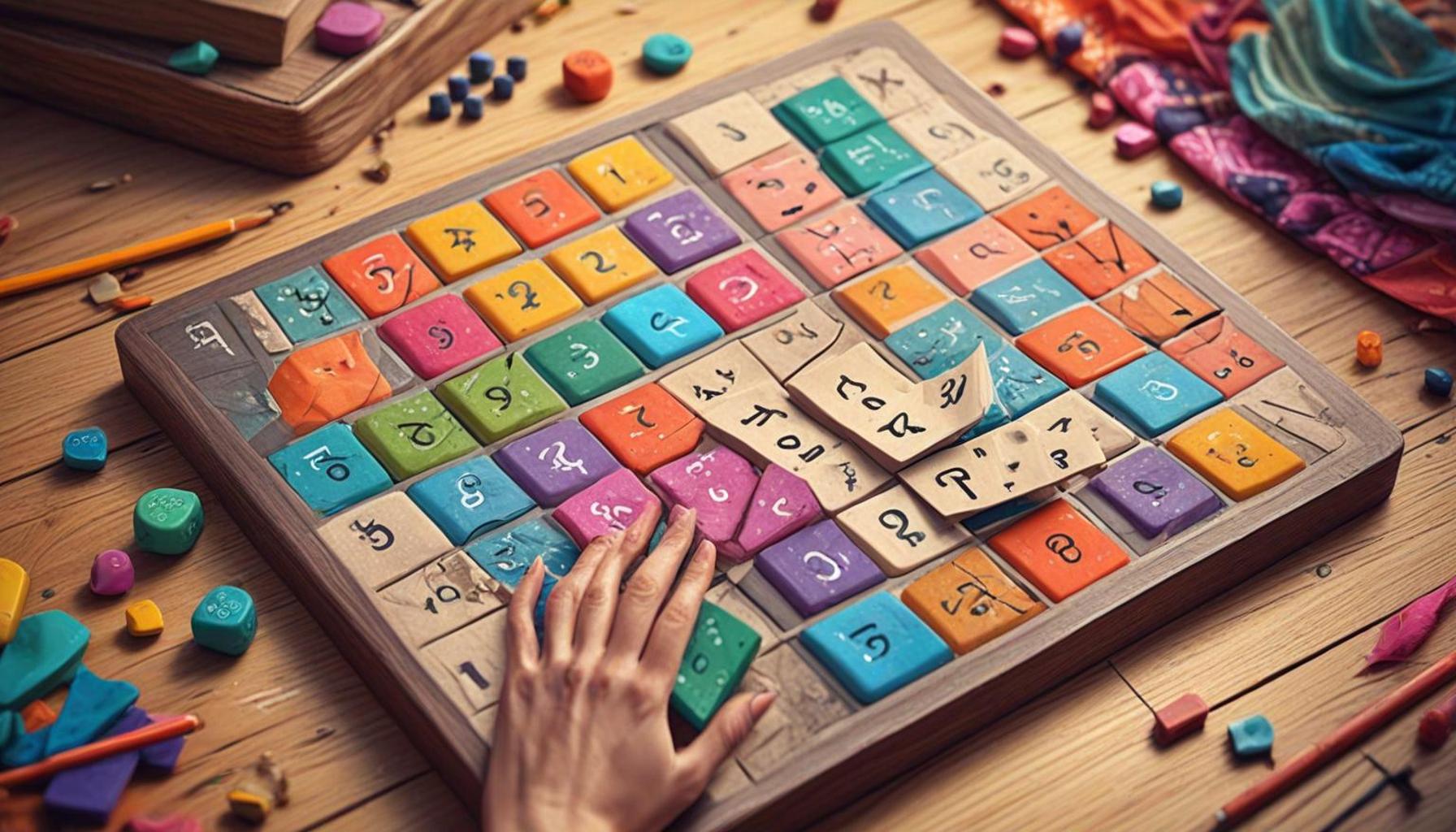
Visual puzzles come in an array of forms, including jigsaw puzzles, coloring books, and optical illusions. Each type offers unique advantages that cater to various preferences. For example, jigsaw puzzles not only enhance spatial awareness but also encourage patience and perseverance as the pieces come together. Coloring books for adults, filled with complex designs, can act as a soothing escape, allowing one to unleash creativity while focusing on the moment. Additionally, optical illusions challenge perception and inspire curiosity, promoting engagement and contemplation.
- Boosting Cognitive Function: Engaging with challenging puzzles serves as a workout for the brain. Research indicates that regularly solving puzzles can improve memory recall and critical thinking skills. For example, participating in community-based puzzle competitions in Nigeria can promote teamwork and cognitive agility, building connections while exploring art.
- Reducing Stress: In the hustle and bustle of daily life, immersing oneself in the act of creating or solving a visual puzzle allows the mind to escape overwhelming pressures. The vibrant colors and intricate designs capture attention, diverting thoughts from stressors. Art initiatives across Nigerian cities like Lagos and Abuja are beginning to incorporate these creative outlets, fostering community engagement and reduced anxiety.
- Encouraging Mindfulness: Visual puzzles provide a pathway to mindfulness by requiring focus and attention to detail. As individuals concentrate on the subtleties of their chosen art form, they may enter a meditative state that allows for deep reflection and emotional healing. This mindful engagement can be especially beneficial in urban areas where fast-paced living may lead to mental fatigue.
Artistry in Nigeria: A Fusion of Tradition and Modernity
Nigeria’s rich artistic heritage presents a unique opportunity to blend traditional methods with contemporary approaches in the realm of visual puzzles. Local artisans create stunning beadwork and textile art, while digital platforms are flourishing with graphic design and animation. This blend of artistry provides a multifaceted approach to mental well-being, making creativity accessible to all.
In this article, we will delve deeper into how visual puzzles can enhance mental tranquility and uncover the potential of art therapy as a valuable resource for improving quality of life. Join us in exploring the transformative relationship between creativity and mental health, particularly in the context of Nigeria’s vibrant society.
RECOMMENDED: Check out this similar article
Understanding the Healing Power of Visual Puzzles
Visual puzzles hold a unique position in the realm of art and therapy, serving not just as a pastime but as a potent means to nurture mental tranquility. Engaging with these artistic challenges fosters a connection between creativity and emotional well-being, particularly in the context of Nigeria, where artistic expression resonates deeply within the culture. By creating a space for relaxation and reflection, visual puzzles provide an avenue for individuals to step back from the cacophony of daily life and focus on the therapeutic facets of art.
The Psychological Benefits of Art Engagement
Art has long been recognized as a conduit for healing, and visual puzzles are no exception. The act of solving or creating these puzzles serves multiple psychological benefits:
- Enhancing Emotional Expression: Visual puzzles enable individuals to express feelings that may be difficult to articulate. Colors and designs become an emotional outlet, allowing for personal narratives to unfold on paper or canvas. For instance, individuals in art therapy sessions often report experiencing relief and satisfaction from coloring intricate mandalas or piecing together vivid jigsaw puzzles.
- Cultivating a Sense of Accomplishment: Completing a visual puzzle, whether it’s a complex painting or a challenging jigsaw, provides a sense of achievement. This small victory can significantly boost self-esteem, helping to counteract feelings of inadequacy or anxiety that may plague many in today’s fast-paced society.
- Providing a Safe Space for Reflection: Unlike other forms of entertainment, visual puzzles encourage introspection, allowing individuals to process emotions and thoughts in a safe environment. This reflective practice is crucial in Nigeria’s bustling urban landscapes, where individuals often grapple with stress and uncertainty.
The Trend of Community Art Engagement
As the therapeutic benefits of art gain recognition, community initiatives in Nigeria are cropping up to harness the potential of visual puzzles. Art workshops and community events, such as puzzle-making contests and collaborative mural projects, have begun to flourish in cities like Lagos and Abuja. These events not only promote creativity but also create a supportive community network where individuals can explore their artistic abilities and connect with others on a similar journey toward mental health.
Moreover, such initiatives often incorporate local themes and cultural symbols, allowing participants to engage in a form of creative expression that resonates with their identity. This cultural connection can be incredibly grounding, reinforcing the idea that art can be a powerful tool for healing and mental clarity.
In the exploration of visual puzzles as an avenue for mental tranquility, it becomes clear that the power of art extends far beyond mere aesthetics. Through focused engagement, individuals can embark on a transformative journey that uplifts the spirit and enhances emotional resilience.
Visual puzzles have long fascinated both artists and mental health professionals alike. The extraordinary interplay between creativity and cognition invites exploration into how engaging with these artistic constructs can foster mental tranquility. Delving into the intricate designs of these puzzles often provides a sense of escape, allowing individuals to immerse themselves deeply, momentarily alleviating stress and anxiety. Each piece of a visual puzzle represents more than just an image; it serves as a catalyst for mindfulness. As individuals focus on the task at hand—aligning colors and patterns—they inadvertently practice being present. This experience can be instrumental in cultivating a meditative state, where the mind finds respite from the chaos of everyday life.Moreover, research has shown that engaging in artistic activities like visual puzzles can stimulate the brain’s reward system, releasing feel-good hormones such as dopamine. This biochemical response can enhance mood and promote feelings of well-being. Notably, visual puzzles also encourage problem-solving and analytical thinking. Tackling these challenges can provide a sense of accomplishment, which further bolsters mood and emotional health. By combining the therapeutic aspects of art with the cognitive benefits of problem-solving, visual puzzles emerge as a unique intersection between creativity and mental wellness. The serene experience they offer prompts individuals to explore their emotional landscapes in ways that traditional therapy may not always encompass. As curiosity about these forms of artistic expression grows, more individuals can harness the profound impact they have on enhancing mental tranquility. In an era where mental health awareness continues to rise, incorporating visual puzzles into therapeutic practices or personal routines can be an accessible and engaging way to promote enduring peace and harmony of mind.
CHECK OUT: Click here to explore more
Visual Puzzles as a Pathway to Mindfulness
Delving deeper into the therapeutic potential of visual puzzles, it becomes evident that these artistic activities are intertwined with the practices of mindfulness. Mindfulness, defined as the intentional focus on the present moment, is a skill that can be cultivated through engaging with visual puzzles. For instance, many people find that the process of sorting pieces in a jigsaw puzzle or carefully blending colors in a painting draws them into a meditative state. This focused engagement decreases anxiety while fostering a sense of peace—a stark contrast to the distractions of everyday life in bustling Nigerian cities.
Integration with Traditional Healing Practices
In Nigeria, the cultural significance of art and creativity is deeply rooted in traditional healing practices. Visual puzzles can complement these age-old methods by providing additional layers of therapeutic value. For example, the use of colorful beadwork and intricate patterns in traditional Yoruba art can take the form of a visual puzzle, merging culture with therapeutic techniques. Integrating traditional crafts with modern visual puzzles not only preserves cultural heritage but also acts as a medium for self-discovery and healing.
Several local NGOs are exploring this intersection by hosting workshops designed to combine visual puzzles with elements of traditional storytelling, emphasizing the importance of community and shared experiences. Participants learn to express their personal stories through the lens of visual art, reinforcing their connections to culture while promoting emotional well-being.
Unlocking Cognitive Benefits
Engagement with visual puzzles is not only beneficial for emotional health but also enhances cognitive function. Research has demonstrated that solving puzzles can improve problem-solving abilities, increase concentration, and boost memory. In Nigeria, where educational resources may be limited, particularly in rural areas, these benefits extend beyond personal tranquility. Educational institutions are beginning to recognize the utility of visual puzzles in classrooms, using them as tools for enhancing learning among students.
The benefits can be particularly significant among children who are often faced with the stresses of academic pressures and societal expectations. Schools that incorporate visual puzzles into their curricula report improvements in student engagement and focus, ultimately leading to a more productive learning environment. This holistic approach to education further underscores the value of artistic engagement as a means of mental and emotional development.
Art as a Form of Communication
Another notable aspect of visual puzzles is their ability to transcend language barriers, acting as a universal form of communication. In a culturally diverse nation like Nigeria, puzzles can serve as a tool for fostering dialogue among individuals from different backgrounds. Community art projects that involve the creation of large-scale visual puzzles enable participants to work together toward a common goal, promoting teamwork and social cohesion.
These collaborative efforts have proven vital in addressing societal issues, as they provide a platform for expressing shared concerns and aspirations. As participants engage in the process, they often find opportunities to communicate their emotions and experiences in ways that words may fail to capture, highlighting the profound impact of art on human connection.
In essence, visual puzzles transcend mere entertainment—they are crucial instruments for building mental tranquility and fostering therapeutic benefits. By embracing this art form, individuals in Nigeria can unlock new paths to emotional clarity and community engagement.
YOU MAY ALSO LIKE: Read read another article
Embracing Visual Puzzles for Mental Well-being
In conclusion, the transformative power of visual puzzles lies not only in their ability to captivate the eye and engage the mind but also in their profound capacity to foster mental tranquility. As explored throughout this article, engaging with these artistic forms can serve as a pathway to heightened mindfulness, cognitive enhancement, and emotional healing. In a country as diverse as Nigeria, where cultural narratives are rich and vibrant, incorporating visual puzzles into traditional healing practices offers a unique blend of cultural preservation and modern therapeutic benefits.
Moreover, the role of visual puzzles in educational settings cannot be understated. As schools begin to recognize their value, these engaging activities can enhance learning experiences while alleviating academic stress among students. This multifaceted phenomenon highlights the necessity for communities and institutions to champion the incorporation of artistic engagement as a legitimate tool for mental wellness.
As we continue to navigate an ever-evolving world filled with challenges and distractions, embracing visual puzzles may provide not only personal serenity but also collective healing within communities. Ultimately, through collaborative art forms and shared experiences, visual puzzles can unite individuals from all walks of life, paving the way for enriched dialogue, deeper understanding, and enduring emotional well-being. The journey of rediscovering the therapy found in art is just beginning, and the invitation to engage is one that should not be overlooked.

Linda Carter
Linda Carter is a writer and puzzle expert specializing in mind games, brain teasers, and cognitive challenges. With extensive experience helping individuals enhance their problem-solving skills and think critically, Linda shares her knowledge on our platform. Her goal is to empower readers with practical advice, engaging puzzles, and strategies to sharpen their minds and achieve success in the captivating world of mind games and puzzles.