
How Sudoku Challenges Can Improve Planning Ability in Complex Situations

The Cognitive Benefits of Engaging with Sudoku
Many people enjoy puzzles, but few realize how a game like Sudoku can have profound implications for developing critical skills. This popular number-placement game, characterized by its grids and strategic challenges, is more than just entertainment; it can enhance our cognitive abilities significantly.
Sudoku is not merely a pastime; it serves as an effective training tool for the brain, sharpening various cognitive faculties. Below are several key aspects:
- Problem Solving: Sudoku promotes logical reasoning, encouraging individuals to assess complex problems systematically and find solutions. Players learn to evaluate multiple scenarios, enhancing their ability to tackle real-life challenges, such as budgeting or strategic decision-making in business.
- Focus: The game requires deep concentration, a vital skill for addressing multifaceted issues. Practicing this level of focus can improve productivity, making it easier to navigate demanding environments, like those found in bustling Nigerian markets or during crowded community gatherings.
- Pattern Recognition: Players develop a keen eye for identifying patterns, a critical skill for effective planning. This ability can lead to smarter operational strategies in various fields, including logistics and project management, where recognizing trends can make a significant difference in outcomes.
In Nigeria, where rapid changes and fluctuations can complicate everyday decision-making, mastering these skills through Sudoku can be particularly beneficial. For instance, managing household budgets amidst rising costs or planning community events that require coordination with numerous stakeholders demands clear strategic thinking—skills honed by regularly engaging with Sudoku.
Moreover, consider the practicality of applying Sudoku’s cognitive benefits in everyday life. An individual who frequently plays Sudoku could find themselves adept at planning detailed family gatherings, ensuring all logistical details are covered. This might include negotiating prices with vendors or optimizing seating arrangements to promote better interactions—tasks that directly benefit from the enhanced problem-solving and focus derived from the game.
As we delve deeper, we will explore the connection between playing Sudoku and the improvement of strategic planning abilities in various complex scenarios. We will look into studies showing how consistent puzzle-solving sharpens mental acuity, leading to better outcomes in professional and personal endeavors. By understanding these links, readers can appreciate how a simple game can foster essential life skills that are particularly relevant in Nigeria’s dynamic environment.
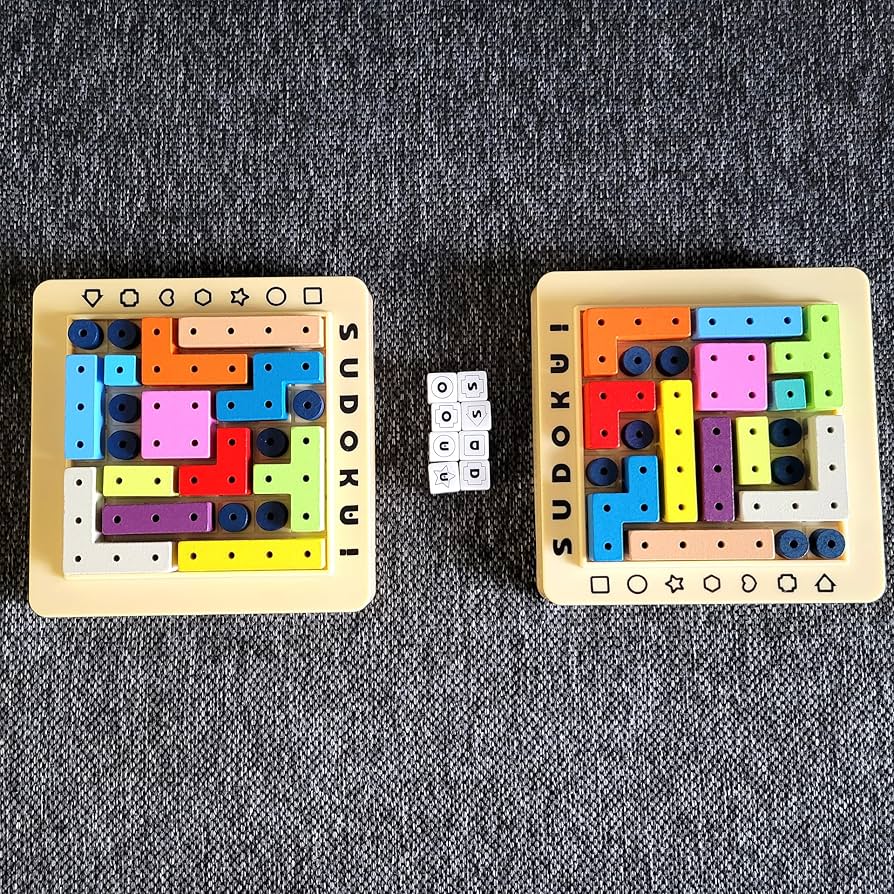
In conclusion, Sudoku serves as an engaging and beneficial exercise for the mind. Its ability to refine cognitive skills can play a significant role in enhancing both personal and professional aspects of life, making it a valuable tool for anyone looking to navigate the complexities of our world with greater efficacy.
SEE ALSO: Click here to read another article
Unlocking Strategic Thinking Through Sudoku
Engaging with Sudoku is not just about filling in numbers; it is a structured pathway that can lead to remarkable improvements in our planning abilities, particularly in navigating complex situations. This simple yet intricate game encourages players to think strategically, a skill that is crucial in our increasingly fast-paced world, especially in Nigeria, where economic and social landscapes are constantly evolving.
One of the primary benefits of playing Sudoku is its emphasis on logical organization. To solve a Sudoku puzzle, players must systematically eliminate possibilities and organize their thoughts to arrive at the correct placement of numbers. This process mirrors real-life planning scenarios, such as organizing community outreach programs or coordinating festive events. By practicing this logical reasoning, players cultivate the ability to structure their ideas and tasks, which is vital when juggling multiple responsibilities in a complex environment.
The ability to anticipate outcomes is another critical skill enhanced by regular Sudoku play. Players learn to consider various paths and strategies in reaching a solution, making predictions based on limited information. This anticipatory skill is particularly beneficial for project managers operating in Nigeria’s dynamic markets, where forecasting potential obstacles can mean the difference between success and failure. For instance, when planning a new initiative amidst fluctuating market trends, having a mindset cultivated by Sudoku can significantly improve an individual’s capability to navigate these uncertainties.
Furthermore, Sudoku actively cultivates decision-making skills. Players often encounter multiple viable options with every move they make in the game. They must weigh the consequences of their choices and determine the best course of action based on the current state of the grid. This practice can enhance decision-making abilities in real-world scenarios, whether it involves assessing investment opportunities or determining the best approach to community resource allocation. Therefore, players trained in the discipline of making informed choices in Sudoku are likely to carry those skills into their professional lives, empowering them to make better decisions when faced with complex challenges.
To illustrate the potential of Sudoku in improving strategic planning abilities, let us examine several key competencies it develops:
- Logical reasoning: Enhances the ability to break down complex issues systematically.
- Future-oriented thinking: Develops skills for predicting potential outcomes and adjusting plans accordingly.
- Flexible decision-making: Trains individuals to evaluate multiple solutions and choose the most effective path.
As players refine these competencies, they become adept at developing strategies that factor in both immediate needs and long-term objectives. Whether it’s orchestrating a family gathering or planning for community development, the skills cultivated through Sudoku empower individuals to approach challenges with confidence and clarity.
In the subsequent sections, we will further delve into how these cognitive benefits translate into specific planning scenarios, focusing on real-world applications that are particularly relevant in Nigeria’s context, where effective planning is essential for success in both personal and professional pursuits.
Enhancing Cognitive Skills Through Sudoku
Sudoku is more than just a game; it serves as a remarkable tool for enhancing cognitive skills, particularly in the realm of planning and strategizing. Engaging with Sudoku puzzles compels players to process relationships between numbers and their placement on the grid, which fosters a heightened sense of spatial awareness. This attentiveness to detail translates to improved organizational skills and the ability to foresee consequences of actions taken in day-to-day scenarios.
Deciphering Patterns and Logical Thinking
Regular participation in Sudoku not only stimulates numerical engagement but also reinforces logical reasoning. As players grapple with each puzzle, they learn to identify patterns and solve problems through a step-by-step methodology, akin to project management in complex environments. This practice enables individuals to break down larger, multifaceted tasks into manageable segments, enhancing their planning capabilities.
Stress Management and Decision Making
Furthermore, Sudoku serves as an effective stress-reliever. By immersing themselves in a puzzle, players offer their minds a chance to switch gears away from mundane problems. This mental shift allows for more effective decision-making, especially in high-pressure situations where planning is crucial. Sudoku cultivates resilience and a greater tolerance for frustration, unlocking a creative flow that contributes positively to complex planning scenarios.
| Advantage | Description |
|---|---|
| Improved Goal Setting | Sudoku trains players to set and achieve small goals, fostering enhanced planning skills. |
| Enhanced Strategic Thinking | Engagement with Sudoku improves the cognitive ability to develop strategies for complex situations. |
These advantages demonstrate how Sudoku puzzles can play a critical role in refining planning abilities, ensuring that players are better equipped to handle challenges both in gameplay and real-life situations. Engaging with Sudoku regularly can unlock a deeper understanding of strategic planning and execution, making it a valuable exercise for anyone looking to improve their cognitive function.
RECOMMENDED: Check out this similar article
Enhancing Problem-Solving Skills Through Sudoku
As players immerse themselves in the world of Sudoku, an additional layer of benefits unfolds in the form of improved problem-solving skills. In highly dynamic environments, especially in Nigeria, where entrepreneurs face myriad challenges, the ability to swiftly and effectively solve problems is paramount. Sudoku presents a unique opportunity for individuals to sharpen this skill by transforming abstract thinking into tangible results within the constraints of the game.
Sudoku puzzles require players to apply a strategic approach to problem-solving, often involving trial and error. This process allows players to experiment with various combinations and strategies until they arrive at a solution. Such practice is invaluable, as it mirrors real-life scenarios where creative solutions are essential. For instance, in urban planning within Nigeria’s bustling cities, decision-makers must often navigate conflicting needs from different community stakeholders. With the problem-solving mindset honed in Sudoku, planners can tackle these multifaceted issues by analyzing various options and adjusting their strategies on the fly.
Another significant aspect of Sudoku that influences planning abilities is the importance of patience and perseverance. Each puzzle presents a unique challenge that cannot always be solved in a straightforward manner. It may require players to take a step back and reassess their strategy, fostering a mindset that values resilience when confronted with obstacles. This is particularly relatable in the Nigerian business landscape, where entrepreneurs frequently experience setbacks. The patience developed while wrestling with a tough Sudoku puzzle can be applied to professional arenas, helping individuals to remain steadfast and focused, even when goals seem distant.
Moreover, Sudoku promotes a sense of time management, which is crucial in today’s fast-paced world. Players often face time constraints as they race against the clock to solve puzzles, training their minds to prioritize tasks and make quick decisions. In Nigeria’s frenetic work environment, where deadlines are common, the ability to manage one’s time effectively can lead to better outcomes in planning projects or executing event logistics. For example, preparing for a major festival in Nigeria involves meticulous planning and deadlines, and mastering time management can significantly enhance the efficiency of such endeavors.
- Problem-solving skills: Encourages creative thinking and experimentation in overcoming challenges.
- Patience and perseverance: Develops resilience and a proactive attitude in facing obstacles.
- Time management: Trains individuals to prioritize and make swift decisions under pressure.
As individuals enhance their problem-solving skills through Sudoku, they become better equipped to tackle complex challenges. Whether it involves coordinating community projects, managing resources, or creating innovative solutions for societal issues, the cognitive rewards of Sudoku are profound. The ability to analyze problems from various angles and derive actionable insights is integral to achieving success in a world where change is the only constant.
SEE ALSO: Click here to read another article
Conclusion: The Transformative Power of Sudoku
In conclusion, Sudoku not only serves as an engaging pastime but also emerges as a powerful tool for enhancing planning abilities in complex situations, particularly within the Nigerian context. The strategic thinking and analytical skills forged through consistent puzzle-solving translate seamlessly into the multifaceted challenges faced by individuals and businesses alike. By fostering a mindset rooted in problem-solving, patience, and time management, players are equipped to navigate the intricate landscapes of urban planning, resource allocation, and community engagement.
Moreover, cultivating these competencies through Sudoku prepares one to tackle the unpredictable nature of entrepreneurial endeavors in Nigeria. Entrepreneurs, who often operate under pressure, benefit immensely from the lessons learned while transforming numbers into solutions. The resilience built from facing difficult puzzles allows them to approach real-world setbacks with a renewed focus and determination.
As the global and local contexts evolve with rapid advancements, the cognitive skills enriched by engaging in Sudoku become ever more relevant. It urges us to reflect on incorporating such mental exercises into our daily routines, not just for leisure but as a means of fostering better decision-making and planning in our diverse professional arenas. Ultimately, embracing Sudoku can lead to more innovative solutions, paving the way for a brighter future where complexities are met with clarity and confidence.

Linda Carter
Linda Carter is a writer and puzzle expert specializing in mind games, brain teasers, and cognitive challenges. With extensive experience helping individuals enhance their problem-solving skills and think critically, Linda shares her knowledge on our platform. Her goal is to empower readers with practical advice, engaging puzzles, and strategies to sharpen their minds and achieve success in the captivating world of mind games and puzzles.