
Mental Challenges and Neuroplasticity: The Influence of Word Games on Brain Function Improvement
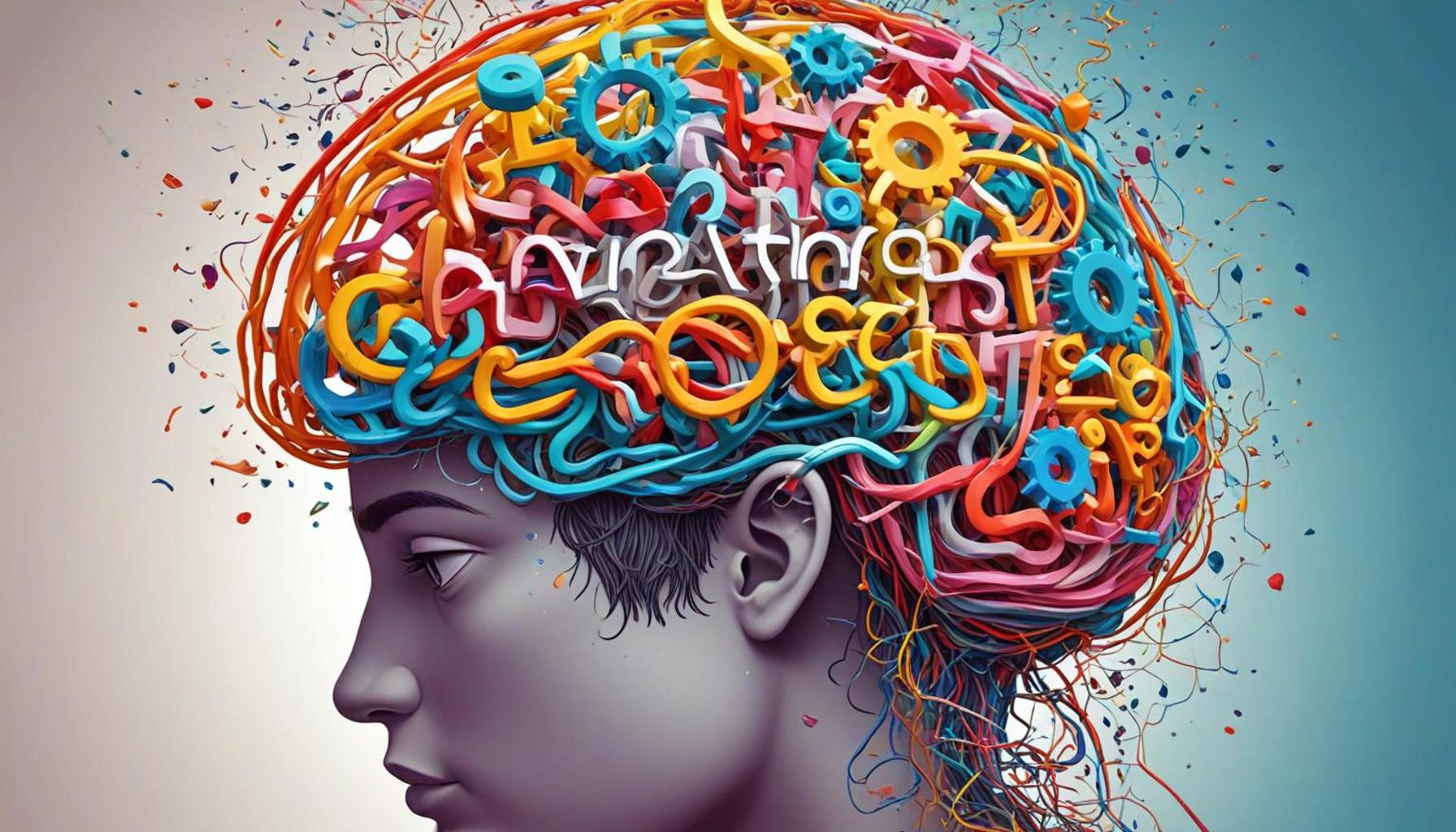
Unlocking the Power of the Mind
The human brain is a remarkable organ that not only serves as the command center for the body but also possesses the extraordinary capability of adapting and reorganizing itself through a phenomenon known as neuroplasticity. This ability to change and develop in response to experience is fundamental for maintaining cognitive function, particularly as we age or encounter mental challenges. In today’s fast-paced world, where constant stimulation is the norm, engaging in activities that challenge and stimulate our minds has never been more vital.
One captivating method of enhancing brain function is through word games. These games offer more than just entertainment; they serve as a mental gymnasium, providing numerous cognitive benefits. For example:
- Boosting vocabulary: Playing word games introduces players to new words and phrases, significantly expanding their language skills. This enhancement not only promotes better communication but also enriches personal and professional interactions.
- Improving memory: Engaging in regular mental exercises, such as word puzzles, helps strengthen memory retention. This is important for individuals of all ages, especially students who are constantly required to memorize vast amounts of information for their studies.
- Enhancing problem-solving skills: Tackling complex puzzles and challenges encourages cognitive flexibility. This mental agility is invaluable, as it aids in everyday decision-making and coping with unexpected situations.
In Nigeria, traditional games like Ludu and crossword puzzles have long been popular pastimes, providing not only fun and competition but also a means to bridge cultural gaps. Communities often gather to compete in these engaging activities, making them a source of social interaction while simultaneously fostering mental acuity. For example, Ludu, a cherished board game, requires players to strategize and think ahead, reinforcing the importance of planning and critical thinking.
The connection between mental challenges and neuroplasticity continues to be a fascinating area of research. Recent studies suggest that regularly playing word games could be an effective strategy for enhancing brain function, thus helping to stave off cognitive decline. This knowledge invites individuals to embrace these games not just for leisure but also as powerful tools for maintaining a sharp mind.
Join us as we explore the science behind this phenomenon, delving into studies that reveal how engaging with seemingly simple games may unlock the keys to a sharper, more resilient mind. As we continue to learn about the brain’s remarkable capabilities, it becomes increasingly clear that nurturing our cognitive health through enjoyable activities is both a smart and rewarding pursuit.

CHECK OUT: Click here to explore more
Exploring the Cognitive Benefits of Word Games
The benefits of engaging in word games transcend mere amusement; they play a crucial role in enhancing cognitive abilities and promoting neuroplasticity. An increasing body of research suggests that stimulating the mind through challenges like these can foster significant brain improvements, helping individuals retain sharpness in their thinking processes. A pivotal aspect of this phenomenon is the brain’s neuroplasticity, which forms the backbone of how we learn, adapt, and recover from setbacks. By regularly participating in activities that challenge the mind, individuals can cultivate robust neural pathways, improving overall brain function.
One of the compelling aspects of word games is the varied forms they take, catering to a broad audience. From crossword puzzles that test vocabulary knowledge to word searches that challenge pattern recognition and quick thinking, these games incorporate different cognitive skills that contribute to mental development. The following are some of the remarkable ways word games enhance brain functions:
- Sharpening linguistic abilities: Word games continually expose players to new terminology, enhancing their lexicon and linguistic prowess. This not only fosters more effective communication but also ignites creativity in expression, useful in cultural contexts where storytelling and rhetorical skills are valued.
- Increasing mental agility: By regularly challenging oneself with these games, individuals develop improved reflexes in thought processes. The ability to think quickly and accurately is essential, especially for students preparing for exams or professionals navigating high-pressure situations.
- Encouraging social connections: Words can act as bridges that connect individuals. Playing word games with friends, family, or community members, as seen in gatherings around classic Nigerian games, can strengthen social bonds while fostering a competitive yet friendly atmosphere.
In examining the culturally rich context of Nigeria, it is fascinating to see how word games like Scrabble and local variants of word puzzles reflect the country’s linguistic diversity. Communities often engage in friendly competitions, not just honing their cognitive skills but also reinforcing social ties across diverse groups. This communal bonding enhances mental well-being while further highlighting the impact of word games on cognitive improvements.
Moreover, recent scientific inquiries have provided compelling evidence supporting the link between engaging in word games and maintaining cognitive health. For instance, studies indicate that individuals who partake in regular mental challenges exhibit decreased rates of cognitive decline compared to their peers. As people embrace word games as part of their daily routines, the brain’s adaptability offers hope for fostering resilience against age-related cognitive deterioration.
With the growing recognition of walking the path toward cognitive health, the emphasis on the role of word games becomes increasingly essential. They serve as accessible, enjoyable, and effective means of cognitive enhancement, underscoring the importance of choosing activities that stimulate mental flexibility and problem-solving skills. Understanding the science surrounding mental challenges and neuroplasticity encourages a proactive approach to nurturing brain function, helping to lay the groundwork for a sharper, more agile mind.
| Advantages | Description |
|---|---|
| Enhanced Cognitive Skills | Engaging in word games stimulates various cognitive functions, such as memory, attention, and problem-solving skills, promoting overall brain health. |
| Increased Neuroplasticity | Regularly challenging the mind with word games leads to neuroplasticity, allowing the brain to develop new connections and pathways that enhance learning and adaptability. |
Developing a strong mental acuity is vital for maintaining cognitive health, especially as we age. Incorporating word games into weekly routines can greatly impact brain function, contributing to a sharper mind. Research shows that participants who engage in activities like crossword puzzles or word searches exhibit improved verbal skills and a heightened ability to recall information. This aligns closely with the principle of neuroplasticity, whereby the brain undergoes continual growth and restructuring in response to new learning experiences.Furthermore, the repetitive nature of word games helps reinforce vocabulary and comprehension, making them not just an enjoyable pastime but a powerful tool for enhancing cognitive resilience. The interplay between cognition and emotional well-being is also remarkable. Regular engagement in challenging activities fosters a positive mindset, aiding in stress reduction and overall mental clarity. By effectively exercising the mind, word games become an essential practice for individuals seeking to optimize their intellect and emotional stability. As the journey into mental challenges unfolds, the door opens to greater discoveries about the intricate relationship between games, brain function, and neuroplasticity. Dive deeper into this captivating realm, where each word played is a step towards enhanced cognitive vitality.
ADDITIONAL INSIGHTS: Expand your understanding here
The Connection Between Mental Challenges and Enhanced Neuroplasticity
As we delve deeper into the profound relationship between mental challenges and neuroplasticity, it becomes evident that the act of solving word puzzles does not merely serve as a fleeting entertainment option; rather, it emphasizes the brain’s remarkable ability to change, adapt, and strengthen itself. This adaptability, rooted in neuroplasticity, manifests as individuals engage in word games, illustrating how such activities can be transformative tools for maintaining and enhancing cognitive health.
Neuroplasticity is the brain’s intricate capacity to reorganize itself by forming new neural connections throughout life. It plays a critical role in learning and memory. When individuals participate in word games, they are not only practicing language skills but are also teaching their brains to create new pathways, which enhances cognitive flexibility. A study conducted by the University of Exeter found that engaging in activities that entail learning and challenge, such as word games, can increase the brain’s reserve capacity. This phenomenon is essential for mitigating the effects of age-related cognitive decline.
Furthermore, studies have shown that word games can instigate measurable changes in brain function. For instance, research published in the journal *Frontiers in Psychology* highlights that players who regularly participate in word puzzles experience improvements in executive functions—a collection of cognitive processes that include working memory, problem solving, and cognitive flexibility. As these aspects of brain function improve, individuals find themselves better equipped to handle daily tasks that require quick thinking and adaptability.
- Enhancing problem-solving skills: The intricate nature of word games demands players to think critically about letters, word formations, and possible combinations. This enhances one’s ability to analyze problems and devise effective solutions in various scenarios. Such cognitive rigidity equips players for real-life challenges and enhances their adaptability.
- Stimulating memory retention: Engaging in word-based challenges is known to bolster memory retention. A research project at the University of California discovered that individuals who occupied their brains with language-related activities had a noticeable improvement in their short-term memories. This engagement facilitates the retention of new information and concepts, making learning more effective.
- Combating cognitive decline: In a world where mental deterioration is becoming increasingly prevalent, regular engagement in word games can serve as a potent defense mechanism. Studies indicate that maintaining mental agility through challenges helps in preventing neurological conditions such as Alzheimer’s disease or other forms of dementia. The potential to safeguard cognitive health through enjoyable activities underscores the importance of word games in daily routines.
In the culturally vibrant setting of Nigeria, where word games are interwoven into community life, local variants such as Amoko and Opon Ifa echo similar findings regarding their cognitive impact. Incorporating these culturally significant games into educational and social frameworks can offer a fun approach to understanding language while simultaneously promoting mental agility. As communities grow more conscious of the connection between recreational activities and cognitive health, word games stand out as a promising avenue not only for entertainment but also as a profound means of enriching brain function.
In light of these findings, it becomes increasingly imperative to integrate word-related challenges into everyday life. The emphasis on choosing activities that stimulate our minds remains vital, presenting an opportunity for individuals to seize the benefits of neuroplasticity actively. Taking steps towards cognitive enhancement through the simple act of playing word games may serve not only personal development but also foster community connectedness and a shared pursuit of cognitive resilience.
RECOMMENDED: Check out this similar article
Unlocking Cognitive Potential Through Word Games
In conclusion, the intricate relationship between mental challenges and neuroplasticity reveals that the transformative power of word games extends beyond mere amusement. By actively engaging with language puzzles, individuals stimulate their brains, creating new neural pathways that enhance cognitive flexibility and improve overall brain function. The evidence supporting these claims is compelling; research consistently shows that such activities offer significant benefits, including enhanced problem-solving skills, improved memory retention, and a robust defense against cognitive decline.
The cultural relevance of these word games, especially in a diverse country like Nigeria, provides an exciting avenue for both personal and communal growth. Traditional games like Amoko and Opon Ifa not only evoke nostalgia but also serve as vital tools for cognitive engagement in today’s fast-paced world. Integrating these games into daily life and educational systems could foster a sense of community while promoting mental agility.
As we move forward, it is imperative to prioritize activities that challenge our minds and harness the principles of neuroplasticity. The simple act of playing word games can be a powerful strategy for cognitive enhancement, personal development, and social bonding. To truly unlock our cognitive potential, let us embrace these mental challenges and appreciate the profound impact they can have on our brain health. The journey to a sharper mind is only a word game away.

Linda Carter
Linda Carter is a writer and puzzle expert specializing in mind games, brain teasers, and cognitive challenges. With extensive experience helping individuals enhance their problem-solving skills and think critically, Linda shares her knowledge on our platform. Her goal is to empower readers with practical advice, engaging puzzles, and strategies to sharpen their minds and achieve success in the captivating world of mind games and puzzles.