
Memory and Aging: How Memory Games Can Help Maintain Mental Agility

The Role of Memory in Our Lives as We Age
As individuals progress through life, it is natural for cognitive functions, including memory, to experience changes. These shifts can become more noticeable as we age, often leading to a decline in daily functioning and overall quality of life. However, the question remains: Can we actively engage our minds to stave off this decline? The answer may lie in the power of memory games.
Memory games are gaining traction as effective tools in combating cognitive decline, offering both entertainment and valuable mental workouts. By fostering an environment of playful learning, these games can serve to sharpen our minds and improve our mental faculties. Here are some compelling benefits:
- Enhances cognitive function: Research indicates that regularly playing memory games can significantly boost various cognitive skills, such as attention, memory retention, and problem-solving abilities. Engaging with challenging puzzles and strategic games keeps the brain active and healthy, much like physical exercise for the body.
- Fosters social interaction: Many memory games, such as chess, cards, or even traditional board games, encourage social interaction. Playing these games with friends or family can alleviate feelings of loneliness, fostering connections that are vital to mental health, especially among older adults. As communities in Nigeria often emphasize communal activities, this aspect becomes particularly relevant.
- Accessible and enjoyable: From classic card games to contemporary digital applications available on smartphones, there is a dizzying array of choices for people of all ages. Many of these options can be tailored to fit different skill levels, ensuring that everyone can find a game suited to their preferences.
In Nigeria, where rich cultural traditions dictate social gatherings, the integration of memory exercises into popular games can be especially engaging. For example, traditional games like Ludo, which seamlessly meld strategy and memory, offer opportunities for families to bond while simultaneously working on their cognitive skills. Consider gathering friends under a mango tree on a warm afternoon to play a spirited round of Ayo, a game that requires both memory and strategic thinking. Alternatively, modern tech-savvy solutions like apps that provide brain training exercises have also found their way into Nigeria, making cognitive wellness more accessible.
This exploration of memory games encourages all individuals, particularly older adults, to tap into the potential benefits these tools offer for preserving mental acuity. With the right mindset and tools, engaging in memory exercises can yield rewarding results beyond mere entertainment. Are you prepared to discover how sharpening your memory could lead to a more robust, enriched life?
LEARN MORE: This related article may interest you
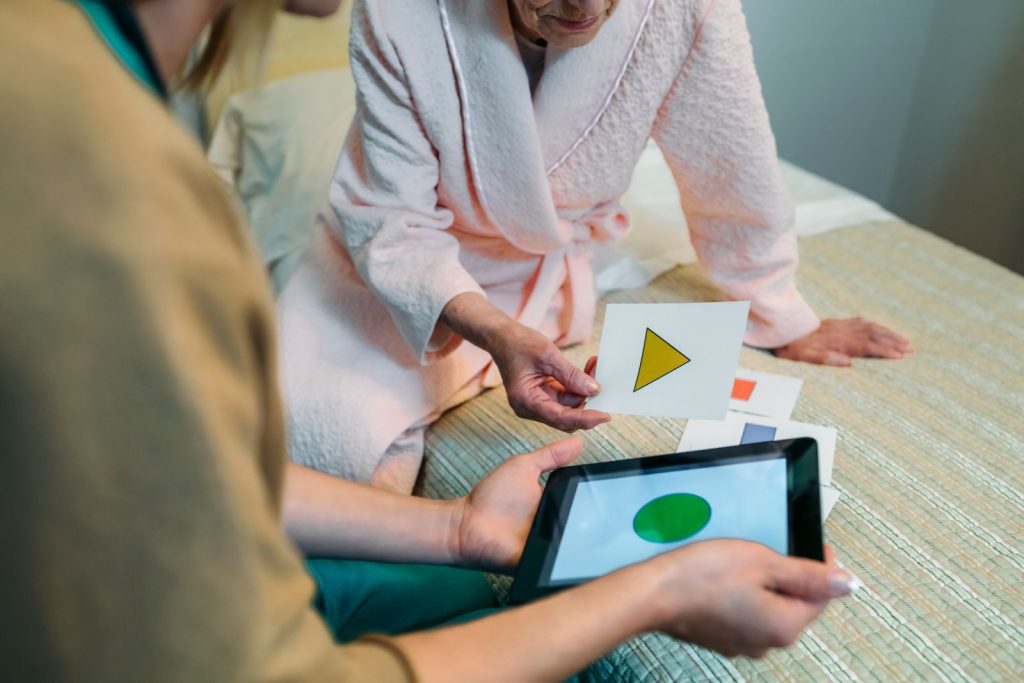
Understanding Memory Decline in Older Adults
As we age, it is common for memory to undergo significant transformations. The gradual decline in short-term memory, in particular, can impact daily tasks, communication, and even emotional well-being. Understanding the mechanisms behind age-related memory decline is crucial for finding effective solutions to maintain mental agility. Research indicates that the brain, similar to other organs, requires consistent stimulation to remain healthy. Engaging in memory-enhancing activities like memory games may provide the necessary workout for our brains, allowing us to combat cognitive decline.
This cognitive decline doesn’t merely manifest as forgetting names or misplacing items; it can lead to broader issues, including challenges with planning and decision-making. Factors such as reduced blood flow to the brain and shrinking brain volume contribute to this decline, making it imperative for older adults to actively seek ways to keep their minds engaged. Here are some common types of memory problems encountered as people age:
- Short-term memory loss: The ability to remember recent events or facts can become impaired, affecting one’s capacity to follow conversations or recall appointments.
- Difficulty with multi-tasking: Older adults may struggle with juggling multiple tasks simultaneously, making organization and homework possible.
- Slower information processing: The brain’s processing speed may decline, leading to longer reaction times and difficulties in keeping up with conversations or activities.
Interestingly, the impact of memory decline is not limited to the individual. It has ripple effects on family dynamics and social interactions. In Nigerian culture, where family ties and communal living are cherished, a grandmother who forgets a child’s name may feel a sense of isolation. Thus, addressing memory issues through engaging and enjoyable activities is not just beneficial for the individual; it fosters stronger connections within families and communities.
Memory games serve as an excellent avenue to counteract these effects. When played regularly, they can enhance both short-term and long-term memory, leading to a brain that retains more information and processes it faster. In Nigeria, incorporating these games into social gatherings can be particularly enriching, allowing individuals to improve their cognitive skills while enjoying the company of loved ones. Picture playing a traditional game of Ayo or a fast-paced card game with family; these environments can create a supportive atmosphere where mental agility can flourish.
As we delve deeper into the world of memory games, it’s essential to recognize their potential as tools for leveraging cognitive function, ultimately leading to a more vibrant and fulfilling life. With various modalities available, adhering to these engaging exercises could be a dynamic approach to maintaining mental acuity, allowing individuals to not only preserve memories but to create new ones with ease. What awaits beyond the realm of mere entertainment is a pathway to cognitive resilience.
Memory games have gained increasing attention in recent years for their potential to enhance cognitive function, particularly in older adults. As the population ages, understanding how to maintain mental agility becomes essential. Engaging in memory games is a practical and enjoyable method to boost brainpower and stave off cognitive decline.These games typically involve various tasks that challenge individuals to recall patterns, sequences, or associations. Recent studies have shown that regular participation in memory games can lead to enhanced working memory and overall cognitive function. By stimulating the brain, these activities can create new neural connections, essentially exercising the brain much like physical workouts strengthen muscles.Furthermore, social engagement is another significant advantage of memory games. Many of these activities can be played in groups, fostering social interaction and emotional well-being. Such interactions can help reduce feelings of loneliness and isolation often experienced by older adults, thus supporting their mental health.The benefits extend beyond mere entertainment. Memory games have been associated with improved focus, increased attention span, and better problem-solving skills. This mental stimulation can be accessible and low-cost, making it an appealing option for those looking to enhance their cognitive resilience.As we delve deeper into the link between memory and mental agility, it’s vital to understand the various types of memory games available. Different types will appeal to different individuals, ensuring that everyone can find an enjoyable activity that suits their preferences. From card matching games to trivia challenges, the variety can keep the experience fresh and engaging. Incorporating memory games into daily routines offers a promising strategy for individuals concerned about aging and cognitive decline. Continued exploration of their effects can lead to even more effective approaches, paving the way for a future where mental agility is within reach for all ages.
RECOMMENDED: Check out this similar article
The Role of Memory Games in Enhancing Cognitive Function
Memory games have emerged as a powerful tool in the quest to maintain mental agility in aging populations. As research highlights, engaging in activities that challenge the brain can bolster its capacity to function optimally. In addition to traditional games like Ayo, modern cognitive training programs, both digital and physical, cater to varying preferences and levels of ability. These interactive formats not only provide entertainment but also effectively stimulate various cognitive processes.
The science behind how memory games help lies in their ability to engage neuroplasticity—the brain’s capability to form new connections and adapt throughout life. When older adults partake in these games, they encourage the brain to forge new pathways, thereby enhancing memory retention and recall. A study published in the Journal of Aging and Health found that participants who regularly engaged in memory exercises exhibited improved performance in tasks requiring attention and working memory.
Types of Memory Games Beneficial for Older Adults
There are a wealth of memory games available, each offering unique cognitive benefits that cater to different skills.
- Card Matching Games: These simple yet strategic games require players to remember the locations of specific cards. As participants flip cards in search of matches, they stimulate both memory and concentration.
- Online Brain Training Programs: Platforms like Lumosity and Peak offer tailored programs designed specifically for cognitive enhancement. They provide an array of challenges that adapt based on performance, ensuring continual growth in mental agility.
- Puzzles and Word Games: Engaging in crosswords, Sudoku, or word searches can improve not only memory but also linguistic skills, offering a rich benefit while keeping the fun alive.
In Nigeria, combining these memory-enhancing activities with cultural themes can enhance their significance and encourage participation. For instance, a family gathering could feature traditional Nigerian proverbs integrated into a word matching game. This creative approach makes learning not just effective but deeply rooted in cultural identity.
Socialization and Its Impact on Cognitive Health
One of the often-overlooked benefits of memory games is the social aspect they promote. Studies indicate that social engagement has a protective effect against cognitive decline. Playing memory games in group settings can become a delightful bonding experience, facilitating communication and connection. For instance, communities in Nigeria are known for their rich traditions of storytelling and communal gatherings. Incorporating memory games into these settings can instill a sense of purpose and joy, crucial for emotional well-being among older adults.
Moreover, the competition involved in games can be a motivational factor that encourages older adults to strive for improvement. This sense of achievement can boost self-esteem, supporting overall mental health during the aging process. These dynamics extend beyond mere entertainment—they create a holistic foundation for cognitive resilience.
The Future of Memory Games in Nigeria
As technology advances, the future of memory games appears bright, especially in a rapidly developing nation like Nigeria. Access to smartphones and the internet can facilitate the introduction of innovative gaming strategies. Mobile applications that focus on memory enhancement are gaining popularity, presenting an opportunity to bridge the gap between tradition and modernity. By embracing both digital platforms and traditional games, Nigeria can cultivate a culture of cognitive health that emphasizes both community and individual growth.
The journey to enhance mental agility through memory games demonstrates the profound relationship between engagement, enjoyment, and cognitive function. As more of these initiatives are embraced, we can expect to see a shift in how memory and aging are perceived within society, ultimately fostering communities that value mental well-being.
SEE ALSO: Click here to read another article
Conclusion: Embracing Memory Games for a Brighter Cognitive Future
In summary, the integration of memory games into the daily routines of older adults presents a promising avenue for sustaining mental agility as we age. These games not only stimulate neuroplasticity, fostering new connections within the brain, but also enrich social interactions, contributing to emotional well-being. By actively engaging with various memory-enhancing activities—ranging from traditional card games to modern digital platforms—individuals can experience significant improvements in memory retention and cognitive functions.
Particularly in a culturally rich environment like Nigeria, where communal interactions play a vital role in daily life, blending memory games with local traditions can enhance their appeal and effectiveness. Organizing group activities that incorporate cultural elements, such as storytelling and proverbs, can transform cognitive exercises into enjoyable social rituals. This not only reinforces the importance of mental health but also fosters a sense of community and belonging.
As technology continues to advance, the future of cognitive training through memory games is bright, especially with accessible mobile applications tailored for various abilities. The combination of innovative gameplay and traditional approaches can pave the way for a culture that prioritizes cognitive health. By encouraging participation in memory games, we can empower older adults to maintain both their mental agility and their connection to cultural heritage, ultimately redefining the narrative surrounding aging and memory. The call to action is clear: let us embrace memory games as a critical component in our efforts to cultivate lifelong cognitive vitality.

Linda Carter
Linda Carter is a writer and puzzle expert specializing in mind games, brain teasers, and cognitive challenges. With extensive experience helping individuals enhance their problem-solving skills and think critically, Linda shares her knowledge on our platform. Her goal is to empower readers with practical advice, engaging puzzles, and strategies to sharpen their minds and achieve success in the captivating world of mind games and puzzles.