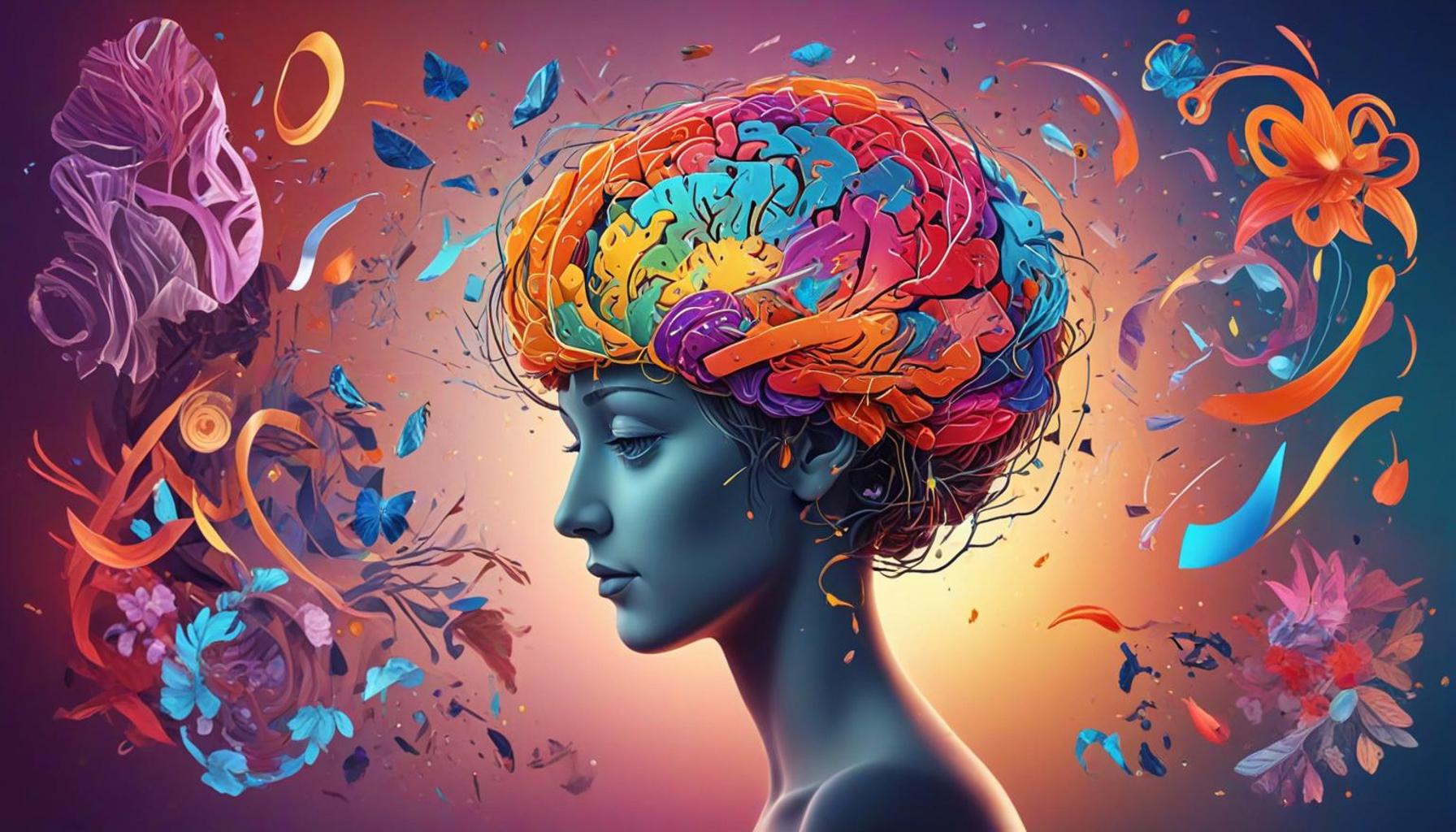
Memory Games and Stress Reduction: A Therapeutic Approach

Exploring the Benefits of Memory Games
In an era defined by rapid pace and constant change, many people find themselves grappling with the pressures of daily life. The need for effective coping mechanisms has never been more pressing, leading individuals to seek out diverse ways to mitigate anxiety and mental fatigue. Among these strategies, memory games have emerged as both an entertaining and beneficial tool for enhancing mental well-being.
Memory games are not merely a source of amusement; they provide various therapeutic advantages that contribute to improved mental health. For example, research shows that participating in memory-enhancing activities can lead to improved cognitive function. As players engage their minds in recalling patterns, sequences, or images, they stimulate brain activity, enhancing memory retention and problem-solving skills. This cognitive workout not only sharpens memory but can also delay the onset of age-related cognitive decline.
Furthermore, these games are effective in reducing stress. Engaging in focused play allows individuals to redirect their mental energy away from worries, significantly lowering cortisol levels in the body. The absorption in gameplay can foster deep concentration, which serves as a form of meditation, promoting relaxation and mental clarity. For many, spending just a few minutes each day on memory games can be a refreshing break from the chaos of life.
Social interaction is another crucial benefit of memory games. These activities often thrive in group settings, allowing players to connect with friends, family, or even strangers in a fun, informal environment. In Nigeria, local adaptations of memory games can include traditional elements or themes that resonate culturally, enhancing the appeal and relatability. Playing these games with others builds relationships and strengthens community ties, which are essential components of mental health.
As Nigeria embraces the digital revolution, numerous online platforms are available, presenting a wide array of memory games. From simple card-matching games to complex puzzles, there is something for everyone. Some applications also allow users to challenge friends or family, increasing the social aspect of gameplay while further cultivating the vital connections within communities.
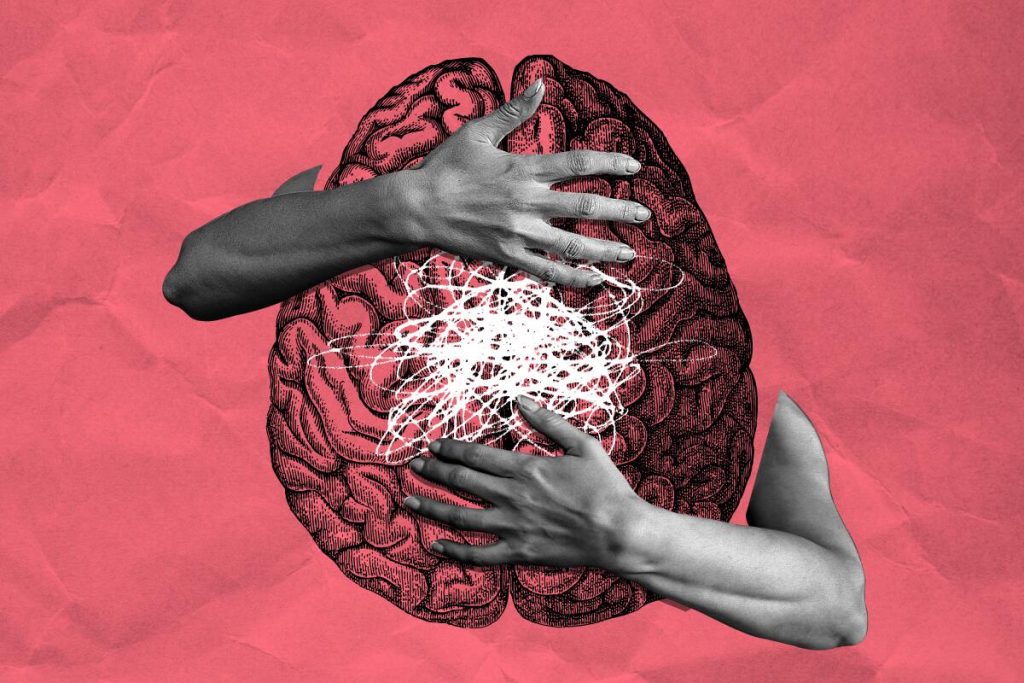
This discussion will further illuminate the profound relationship between memory games and stress reduction, showcasing expert insights and real-life examples that highlight their therapeutic potential. As more individuals discover the benefits of these games, they may experience a significant improvement in their day-to-day mental health, thereby reclaiming their peace of mind and enhancing their overall quality of life.
RECOMMENDED: Check out this similar article
The Cognitive Benefits of Memory Games
Memory games are increasingly recognized as an effective method for enhancing cognitive function, particularly in the modern context of stress management. Engaging in these games stimulates various areas of the brain, leading to noticeable improvements in memory recall, attention span, and overall mental agility. For individuals navigating the hustle and bustle of daily life in Nigeria, this cognitive enhancement can be particularly beneficial. As many Nigerian families balance work, education, and social commitments, a sharp mind becomes a crucial asset in managing such demands.
Studies have demonstrated that regular participation in memory games can lead to increased neuroplasticity—an essential process where the brain forms new neural connections. This adaptability allows individuals to learn new skills more effectively and manage stressors with greater resilience. When players immerse themselves in challenging yet enjoyable memory games, they create a mental environment that fosters creativity and critical thinking. Such mental engagement can also result in a more positive outlook, mitigating feelings of anxiety and fostering emotional well-being.
Stress Reduction Through Mental Engagement
The potential for stress reduction through memory games is noteworthy. As individuals focus on the gameplay, they often experience a natural reduction in distractions from life’s pressures. This singular attention enables a form of mental meditation, allowing players to exist fully in the moment while breaking the cycle of negative thoughts. The immersive experience of memory games can diminish feelings of anxiety, resulting in lower cortisol levels—the hormone closely linked to stress. Here are some key ways in which memory games contribute to stress relief:
- Mindful Engagement: Concentrating on memory tasks can promote mindfulness, similar to traditional meditation techniques.
- Emotional Escape: The playful nature of games allows players to escape from daily stressors, providing a welcome emotional reprieve.
- Increased Relaxation: Engaged gameplay often leads to laughter and positive interactions, further enhancing relaxation and emotional health.
Furthermore, the accessibility of memory games in Nigeria adds to their therapeutic appeal. Many smartphone applications and online platforms provide these games in various formats, catering to both children and adults. Furthermore, localized adaptations ensure that players can engage with culturally relevant themes, making the activity even more relatable.
As mental health challenges continue to rise, integrating memory games into daily lifestyles may serve as a straightforward but effective stress management tool. However, it is essential to understand that these games are not a panacea. They should be considered part of a broader strategy that includes physical activity, social connections, and professional support when needed. In the following sections, we will delve deeper into expert interviews and case studies that illustrate how memory games can be harnessed as a tangible tool for improving mental health and reducing stress in everyday Nigerian life.
| Advantages | Description |
|---|---|
| Cognitive Enhancement | Memory games improve cognitive functions such as memory recall, attention, and problem-solving skills. |
| Stress Relief | Engaging in memory games reduces cortisol levels, thus alleviating stress and promoting relaxation. |
| Social Interaction | Playing memory games with others fosters social connections and reduces feelings of isolation. |
| Accessible Therapy | These games can be easily integrated into daily routines, making therapy accessible to all. |
Engaging with memory games not only enhances cognitive functions but also serves as a powerful tool for stress reduction. Studies indicate that when individuals participate in memory games, they demonstrate improved memory recall abilities and increased attention spans. This becomes increasingly important in today’s fast-paced world where distractions are plentiful.Moreover, memory games can facilitate stress relief. The repetitive and engaging nature of these games reduces cortisol levels in the body. Research suggests that lower cortisol can lead to a significant reduction in feelings of anxiety, thus promoting a sense of calm and relaxation. In addition, these games provide an excellent opportunity for social interaction, where friends and family can participate together, fostering deeper relationships and countering feelings of loneliness.Furthermore, one of the remarkable aspects of memory games is their accessibility. Unlike several other therapeutic approaches, memory games can be seamlessly incorporated into daily life, making it possible for anyone to play, anytime and anywhere. This feature positions memory games as a notable option in the spectrum of therapeutic approaches for stress reduction.
LEARN MORE: This related article may interest you
Fostering Social Connections Through Memory Games
Beyond the cognitive and individual benefits, memory games also play a crucial role in fostering social connections, which are vital for holistic stress management. In Nigeria, where communal ties are deeply valued, participating in memory games can serve as an engaging way to strengthen relationships. Group activities such as family game nights or community gatherings around memory-based contests create an opportunity for social interaction and bonding. These gatherings not only provide entertainment but also offer a platform for members to communicate, collaborate, and support one another, which is particularly important in managing stress.
The social aspect of memory games enhances emotional support systems, allowing individuals to share experiences and coping strategies. When players work together to tackle challenges presented in memory games, they inadvertently cultivate a sense of teamwork and empathy, which helps to alleviate feelings of isolation that can often accompany stress. For example, local Nigerian communities have begun organizing inter-community memory game tournaments, providing an avenue for people from different backgrounds to connect and relax while engaging in friendly competition.
The Science Behind Social Play and Stress Relief
Research into the psychological effects of playing games together emphasizes the significant role of humor and shared experiences in reducing stress. When individuals participate in memory games as a group, laughter and light-hearted conversations are often generated, which boost endorphin levels—the body’s natural feel-good chemicals. This collective play has been shown to enhance mental well-being, resulting in a more resilient mindset among participants. A study published in the Journal of Health Psychology indicates that group play can lead to lower levels of anxiety and increased feelings of community belonging.
Moreover, memory games can be easily integrated into existing cultural practices in Nigeria. For instance, traditional storytelling, which is often accompanied by memory recall, can be used as a foundational method for introducing memory games to children and adults alike. By weaving memory-based games into cultural narratives, parents can develop their children’s cognitive skills while also emphasizing the importance of community through shared stories. This practice not only nurtures the youth’s mental capacities but simultaneously enriches social bonds within families.
- Creating Rituals: Regularly scheduled game nights can form a cherished family ritual that promotes connection and alleviates stress.
- Combining Tradition with Modernity: Integrating memory games with traditional Nigerian storytelling can bridge the gap between cultural wisdom and present-day mental health practices.
- Building Support Networks: Participating in group memory activities creates networks where individuals can find support and constructive feedback in times of distress.
As more Nigerians embrace technology, the rise of social gaming applications has made it easier to connect with friends and family members, even from a distance. Virtual memory games have become popular, allowing people to engage in fun, challenging gameplay while maintaining social interactions, thus cultivating a sense of togetherness despite geographical barriers.
Therefore, by fostering strong social networks through memory games, individuals can build resilience against stressors, reinforcing that mental well-being is deeply intertwined with social health. In the vibrant tapestry of Nigerian society, these games can help establish a balanced lifestyle, enabling communities to navigate stress collectively while enhancing cognitive engagement and emotional support.
LEARN MORE: This related article may interest you
Conclusion: The Therapeutic Potential of Memory Games in Stress Reduction
In conclusion, the exploration of memory games and stress reduction reveals a multifaceted approach to improving mental well-being. Through their cognitive benefits, these games serve not only as engaging mental exercises but as valuable tools for enhancing memory and focus. The therapeutic advantages extend into the realm of social interaction, allowing individuals to forge meaningful connections that cushion them against stress. As evidenced by communal storytelling and competitive game nights, these activities enrich social bonds and foster a sense of belonging.
The integration of technology into the realm of memory games further amplifies their accessibility, offering a platform for individuals to connect across distances while engaging in stimulating gameplay. This digital transformation complements traditional practices, effectively merging the old with the new, catering to a diverse demographic seeking both mental and emotional support.
Ultimately, embracing memory games as a therapeutic approach not only alleviates stress but also cultivates a supportive community atmosphere where resilience can thrive. As more research underscores the impact of collective play on mental health, community leaders in Nigeria are encouraged to champion these practices, crafting environments where individuals can nurture their cognitive skills and emotional health in tandem. The ripple effect of these initiatives can lead to healthier, more connected communities, echoing the proverb that “together we stand, divided we fall.” The time is ripe to amplify the importance of memory games in our collective journey toward well-being.

Linda Carter
Linda Carter is a writer and puzzle expert specializing in mind games, brain teasers, and cognitive challenges. With extensive experience helping individuals enhance their problem-solving skills and think critically, Linda shares her knowledge on our platform. Her goal is to empower readers with practical advice, engaging puzzles, and strategies to sharpen their minds and achieve success in the captivating world of mind games and puzzles.