
Developing Memory Skills through Puzzles and Daily Challenges
Boost Your Brainpower
Memory skills are crucial in our daily lives, influencing everything from learning to problem-solving. As we thrive in a fast-paced world filled with information, nurturing our cognitive abilities can significantly impact our success and well-being. Engaging in puzzles and daily challenges has emerged as an effective method to enhance these capabilities. A well-stimulated brain can adapt better, learn faster, and retain information more effectively.
Why Focus on Memory Skills?
Throughout our busy lives, the necessity for strong memory skills becomes increasingly vital. Here are some key reasons to prioritize the development of these abilities:
- Improves Cognitive Function: Regular mental exercises can boost overall brain health, similar to how physical workouts enhance bodily fitness. Engaging in activities that challenge the brain can lead to structural and functional changes that support better cognitive functioning.
- Enhances Learning: Stronger memory abilities are directly linked to improved learning experiences. For example, a student with enhanced memory skills is likely to retain new information from lectures or textbooks more effectively, translating to better grades and a deeper understanding of subjects.
- Supports Daily Activities: Improved recall can be incredibly beneficial in navigating everyday tasks. Imagine easily remembering your shopping list without checking your phone or recalling important appointments without relying on reminders; such skills save time and reduce stress.
Puzzles and Challenges as Tools
Puzzles and mental challenges are not just fun distractions; they are powerful tools for memory enhancement. Various types of puzzles cater to different brain functions and can be easily integrated into any routine. Consider these options:
- Crossword Puzzles: These not only enhance vocabulary and recall but also encourage lateral thinking, which is beneficial for problem-solving. Furthermore, in Nigeria, where languages and dialects vary, incorporating local proverbs and terms into crosswords can make the experience even more stimulating.
- Sudoku: This popular number puzzle boosts logical thinking and enhances problem-solving skills. Playing Sudoku regularly can help improve numerical memory and processing speed, skills that are increasingly valued in today’s data-driven world.
- Memory Games: Designed specifically to improve retention and retrieval, these games can range from matching cards to interactive mobile applications. Many of these games are available in local languages, catering to Nigerian audiences looking to challenge their minds while enjoying a cultural experience.
Engage Daily
Incorporating these challenges into your daily routine can yield remarkable results over time. Start small by dedicating just a few minutes each day to puzzles and gradually increase the complexity as your skills improve. This consistency is key, leading to lasting enhancements in your memory skills. Studies have shown that even elders who regularly engage in cognitive activities experience lower rates of mental decline, painting a promising picture for lifelong cognitive health.
Ultimately, the commitment to boosting your brainpower can lead to a more fulfilling life, equipped to tackle challenges, learn new skills, and engage actively with your environment. So why not begin your journey today? The world of puzzles and challenges awaits!
CHECK OUT: Click here to explore more
Unlocking Cognitive Potential
The journey towards enhancing memory skills is not constrained to tedious routines or expensive brain training methods. In fact, puzzles and daily challenges present an engaging and enjoyable alternative for those looking to sharpen their cognitive abilities. This playful approach can cater to individuals of all ages and backgrounds, allowing anyone—from school students to working professionals—to enrich their memory capacity.
The Science Behind Puzzles and Memory
Research indicates that regular engagement in mentally stimulating activities can foster neuroplasticity, the brain’s ability to reorganize itself by forming new neural connections. This phenomenon is particularly crucial in combating cognitive decline associated with aging. As emphasized by several neuroscientists, the act of challenging the brain with puzzles activates various cognitive processes, leading to strengthened memory pathways. This is not simply about keeping the mind busy; it’s about training it to become more efficient and agile.
Varieties of Engaging Activities
When it comes to daily challenges, diversity is key. Different types of puzzles can engage various aspects of memory and problem-solving skills. Here are some engaging options suitable for Nigerians eager to enhance their cognitive prowess:
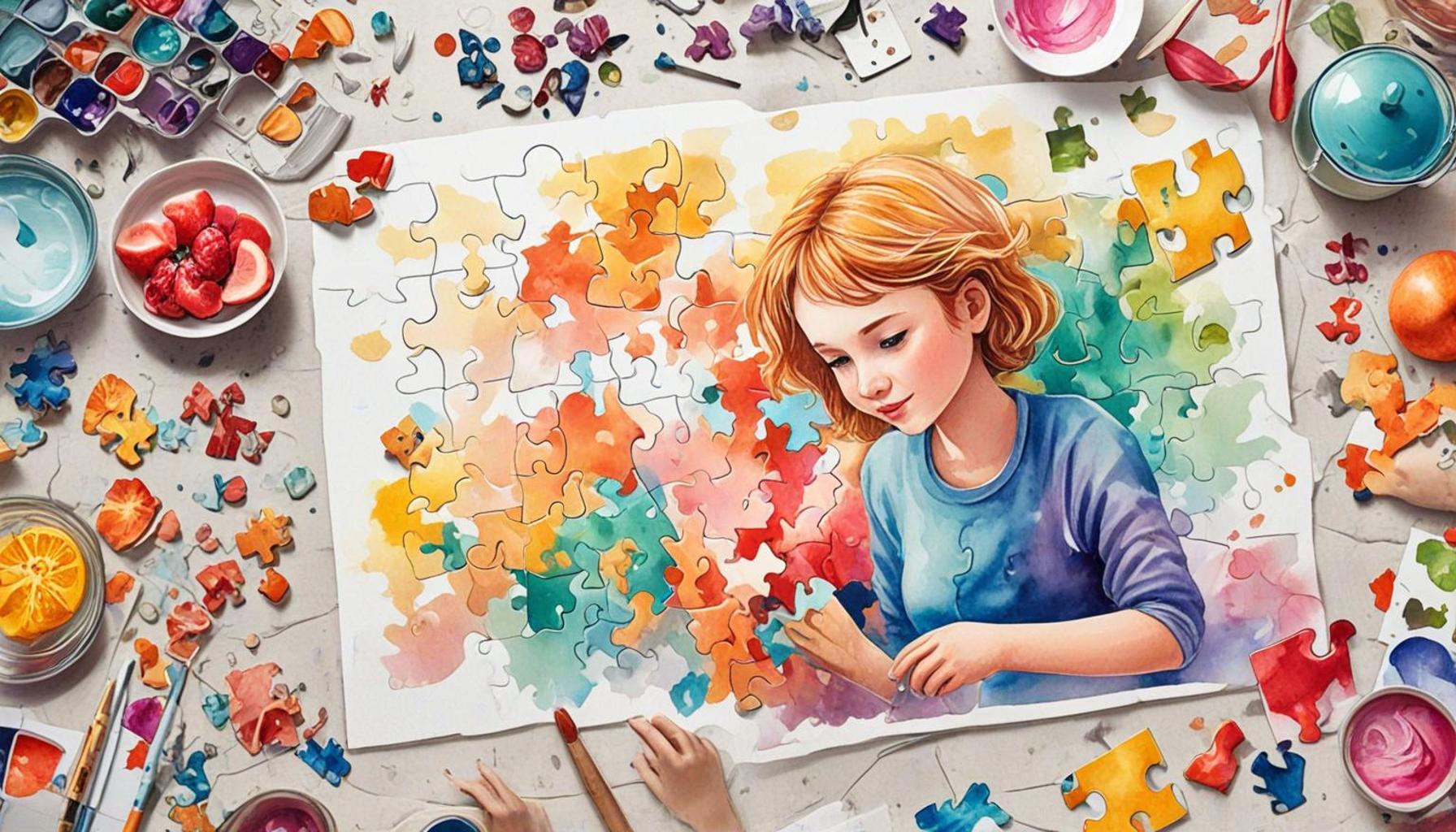
- Jigsaw Puzzles: These require spatial awareness and memory recall as you work to fit pieces together. Not only do they provide a creative outlet, but they also improve one’s ability to visualize and remember patterns—skills that are invaluable in everyday scenarios.
- Trivia Quizzes: Participating in quizzes can be a fun way to recall facts and information. Leveraging local knowledge, Nigerian trivia can include cultural facts, history, and geography, turning learning into a vibrant experience that reinforces memory.
- Braindump Journals: Another effective challenge is keeping a journal where you jot down memories from each day. This practice can significantly enhance recall as your brain works to remember details before writing them down, providing a creative means to review experiences and thoughts.
Make it a Daily Habit
To truly reap the benefits of these activities, one must integrate them into a daily routine. Commitment is essential; consider setting aside a few minutes each morning or evening dedicated solely to puzzles and brain games. This consistent practice can lead to gradual improvements in memory retention and cognitive flexibility, ultimately shaping a sharper, more agile mind. Studies show that the long-term benefits of regular mental engagement can lead to decreased rates of age-related decline, further highlighting the importance of incorporating such habits into daily life.
In essence, puzzles and daily challenges not only make memory enhancement an enjoyable endeavor but also foster overall brain health. By embracing these activities, individuals can unlock their cognitive potential, paving the way for improved learning, sharper problem-solving skills, and a more fulfilled life.
As we delve deeper into the realm of enhancing memory skills, we uncover the multifaceted advantages of engaging with puzzles and daily challenges. These activities not only support cognitive functioning but also foster a sense of achievement and resilience. Engaging regularly with puzzles can lead to increased brain plasticity, which is crucial for efficient learning and memory retention. This adaptability of the brain enables individuals to process information more effectively and even improve their problem-solving skills across various domains.
Moreover, integrating daily challenges into one’s routine can significantly motivate an individual. The structured nature of these tasks instills discipline and encourages consistent practice, traits that are vital for long-term memory enhancement. Additionally, by participating in mentally stimulating activities, individuals may experience a reduction in age-related cognitive decline, keeping their minds sharp well into their later years.
| Advantages | Key Benefits |
|---|---|
| Boosts Cognitive Abilities | Engaging puzzles enhances brain functions such as problem-solving and critical thinking. |
| Enhances Memory Retention | Regular challenges strengthen memory pathways, making recall easier and faster. |
| Promotes Mental Health | Solving puzzles can reduce stress and anxiety levels, providing a cheerful escape. |
| Fosters Social Connections | Collaboration on challenges builds community and teamwork skills. |
Fostering memory skills through these engaging activities opens a gateway to a more vibrant and intellectually stimulating life. Not only do puzzles and daily challenges create opportunities for personal growth, but they also serve as a fun source of entertainment that can be shared with friends and family. The more individuals engage with these brain-boosting tools, the better equipped they become to navigate life’s complexities.
LEARN MORE: This related article may interest you
Engaging the Mind through Cultural Puzzles
While traditional puzzles and memory games are widely acknowledged for their cognitive benefits, the incorporation of culturally relevant challenges adds a new dimension to memory enhancement. In Nigeria, where diverse cultures and languages weave a rich tapestry of life, puzzles that reflect local heritage can deepen cultural understanding while stimulating memory. These activities not only fulfill a recreational need but inspire connections to one’s roots.
Language Puzzles and Their Impact
Language-based puzzles, such as crosswords or word searches featuring Nigerian languages or prominently used English dialects, serve dual purposes: they broaden vocabulary while exercising memory recall. By challenging oneself to solve puzzles in Igbo, Yoruba, or Hausa, participants engage in a fun way to remember and use the language actively. This linguistic training can significantly aid bilinguals in maintaining fluency and improving memory of different language structures. Furthermore, such activities can pique interest in linguistic nuances, encouraging further exploration of Nigeria’s diverse languages.
Games that Foster Team Collaboration
Another enjoyable method to improve memory skills revolves around team-based challenges. Board games that require strategy, cooperative problem-solving, or memory recall can be especially effective. Games like Ludo and Scrabble are popular in Nigerian households and foster teamwork and communication while stimulating memory. Playing these games encourages players to remember rules, strategies, and past moves, thereby enhancing cognitive functioning through social interaction. The joy of joining family or friends in these activities can impart additional motivation to keep looking for solutions, making memory training a shared adventure.
Technology as a Modern Tool
The advent of technology has transformed traditional puzzle-solving into an interactive experience. Mobile applications tailored for brain training, such as Elevate and Peak, present a variety of puzzles designed to improve memory and cognitive skills at one’s fingertips. These applications usually offer daily challenges that adapt to the users’ progress, ensuring continual engagement and sustained memory benefits. Nigerians can benefit immensely from these platforms, which include localized content to ensure relevance, making daily practice a seamless part of life.
Cultural Narratives in Puzzles
Combining storytelling with puzzles creates a rich memory experience. Games that integrate Nigerian folklore or historical events can enhance recall through emotional connections. For instance, memory games based on the heroic tales of figures like Muritala Mohammed or local mythology can serve to preserve history and strengthen community identity. By weaving narratives into puzzles, individuals are likely to remember facts and figures better, as emotional resonance greatly aids memory retention.
Ultimately, by embracing culturally rich challenges, Nigerians can promote memory development while fostering a stronger sense of identity and community. Engaging the mind in this way not only enhances cognitive abilities but also bridges generational gaps, ensuring that cultural memories are preserved for future generations.
YOU MAY ALSO LIKE: Read read another article
Conclusion
In conclusion, developing memory skills through puzzles and daily challenges presents a wealth of opportunities for individuals, particularly within Nigeria’s culturally diverse landscape. The integration of culturally relevant puzzles, language games, and team-based challenges stimulates cognitive abilities while simultaneously fostering a sense of community and identity. As participants engage with their heritage through memory-enhancing activities, they cultivate not just intellect but also emotional connections to their roots.
The rise of technology further enriches this experience by offering adaptive and interactive platforms that cater to varied learning styles. Mobile applications designed for brain training ensure that memory engagement becomes a part of daily life. With the ease of access to linguistic and cultural content, users can enrich their understanding of Nigeria’s languages while improving their memory retention effortlessly.
Moreover, memory games that intertwine storytelling with cultural narratives add depth to the learning experience, highlighting important historical figures and events while encouraging the preservation of valuable traditions. This dual approach not only sharpens our cognitive capacities but also promotes intergenerational connections. Ultimately, embracing these memory-centric activities empowers Nigerians to not only retain knowledge but to thrive in a world that increasingly values quick thinking and adaptability. As we challenge ourselves daily, let’s relish the journey of memory enhancement, bridging the gap between past and future.

Linda Carter
Linda Carter is a writer and puzzle expert specializing in mind games, brain teasers, and cognitive challenges. With extensive experience helping individuals enhance their problem-solving skills and think critically, Linda shares her knowledge on our platform. Her goal is to empower readers with practical advice, engaging puzzles, and strategies to sharpen their minds and achieve success in the captivating world of mind games and puzzles.