How to Break the Routine: Puzzles and Mental Games to Stimulate Creativity in Problem Solving
Embracing the Power of Puzzles for Creative Growth
In a world characterized by constant movement and relentless schedules, the prospect of creativity often gets sidelined amidst the hustle and bustle of daily life. Over time, the familiarity of routine can act as a creative barrier, limiting our ability to think outside the box. To counter this, engaging with puzzles and mental games emerges as a compelling strategy for anyone looking to reignite their creative spark and enhance their cognitive agility.
One of the most significant advantages of incorporating puzzles into your routine is the improvement of problem-solving skills. Activities that challenge the mind, like a Sudoku puzzle or a tricky riddle, encourage analytical thinking and teach us to approach problems from different angles. For example, a deafening silence can often accompany a complex math problem, but transforming this frustration into a game can provide insights that may have gone unnoticed in conventional settings.
Additionally, engaging with puzzles leads to increased focus. As one immerses themselves in the labyrinth of a crossword or the patterns of a jigsaw, the brain learns to filter out distractions and hone attention. Research shows that activities requiring concentration can effectively extend one’s attentional capabilities, translating into enhanced productivity in various life facets.
Another vital benefit of puzzle-solving is its role in stress relief. Engaging in brain games can divert attention from everyday anxieties and foster a sense of achievement as one completes tasks. The joy derived from solving a challenging puzzle can boost one’s mood significantly, promoting emotional well-being. Whether it’s the satisfaction of finishing a complex puzzle or the thrill of successfully completing a traditional game, these wins help elevate our state of mind.
In Nigeria, the impact of traditional games cannot be understated. Games like draft, a checkers variant, and ayo, a mancala-style board game, do not only present a fun pastime but serve as a mental workout for players. They provide cultural context and can serve as a bridge between generations, offering valuable lessons and fostering cognitive engagement. Combining these traditional games with contemporary challenges such as Sudoku or crossword puzzles creates a dynamic environment geared towards creative exploration.

By incorporating a variety of puzzles and games into your daily routine, you can actively reshape your thought patterns and embrace innovative solutions to everyday dilemmas. This engaging and enjoyable approach not only revitalizes your creativity but also turns mundane problem-solving into a delightful journey. So why wait? Start exploring the world of puzzles today, and unlock the full potential of your mind.
SEE ALSO: Click here to read another article
Unlocking the Creative Mind: Types of Puzzles and Their Benefits
The journey of breaking free from the chains of routine begins with recognizing the myriad of puzzles and mental games available to invigorate our minds. Whether you are a student, a professional, or simply someone seeking a brain boost, there are countless options tailored to various skill levels and interests. Understanding which puzzles to engage with can make a significant difference in stimulating your creativity and improving problem-solving abilities.
Here are some popular types of puzzles that not only challenge the mind but also catalyze creative thinking:
- Sudoku: This number-placement game enhances logic and reasoning skills. By requiring players to think critically about number positioning, Sudoku fosters a strategic mindset that transcends the game board.
- Crossword Puzzles: Engaging with words not only boosts vocabulary but also encourages lateral thinking—a vital component of creative problem-solving. The satisfaction of finding that elusive word can inspire innovative thoughts in other areas.
- Logic Puzzles: These challenges ask players to deduce information from a series of clues—a much-needed exercise for honing analytical skills. Often, the breakthrough in a logic puzzle mirrors the eureka moments experienced in real-life scenarios.
- Jigsaw Puzzles: Apart from providing a sense of accomplishment upon completion, jigsaw puzzles improve spatial reasoning and visualization abilities, crucial for tackling complex problems. Such puzzles cultivate an appreciation for the whole picture while paying attention to the finer details.
- Traditional Nigerian Games: Engaging with games like ayo and draft not only preserves cultural heritage but strengthens critical thinking and strategic planning skills. These games are effective in enhancing creativity while providing a communal experience, knitting together players of all ages.
Each of these puzzle categories serves as a gateway to enhancing cognitive flexibility—the capacity to adapt one’s thinking to new, unexpected conditions. As you solve puzzles, your brain finds new connections among various concepts, a practice that is directly transferable to the workplace and daily decision-making processes. For instance, an individual accustomed to solving crossword puzzles may find that the skill of making word associations benefits their communication skills at work, allowing for clearer expression of ideas.
Furthermore, these engaging activities can also encourage a growth mindset. When individuals tackle challenging puzzles and gradually improve, they build confidence in their ability to learn and adapt. This sense of achievement often spills over into different aspects of life, inspiring a willingness to embrace challenges instead of shying away from them. This developmental journey makes it clear that the benefits of engaging with puzzles extend beyond mere entertainment and can play a transformative role in everyday creativity.
In the ever-busy milieu of Nigeria, integrating these mental exercises into daily life can crucially catalyze both personal and professional growth. With a rich tapestry of traditional and modern puzzle options available, the road to breaking routine and enhancing creativity is just a step away. Embrace the challenge and watch as your problem-solving skills flourish!
Engaging in puzzles and mental games can significantly enhance our creative thinking capabilities. These activities not only challenge our cognitive skills but also encourage divergent thinking, allowing us to approach problems from various angles. As we set aside the mundane in favor of stimulating brain exercises, we foster an environment that thrives on innovation and unexpected solutions. Further, incorporating these mental games into our daily routine can lead to substantial improvements in our problem-solving skills.
Puzzles such as crosswords and Sudoku strengthen our analytical skills while enhancing memory retention. When individuals grapple with these challenges, they often discover new methods of thinking that they can apply beyond the game itself. Meanwhile, strategy games like chess require players to foresee potential outcomes, adjusting their plans in real-time. This practice of forward-thinking is incredibly beneficial in professional scenarios, where anticipating an issue before it arises can save valuable time and resources.
Moreover, social puzzles—like escape rooms or team-based problem-solving challenges—encourage collaboration and communication. When teams work together to solve intricate puzzles, they build trust, enhance their team dynamics, and cultivate an atmosphere of collective creativity. Not only do these experiences break the monotony of daily life, but they also create shared memories that can enhance teamwork and inspire innovative solutions in the workplace.
| Category 1 | Category 2 |
|---|---|
| Boosts Cognitive Function | Mental games enhance memory, attention, and problem-solving abilities. |
| Encourages Diversified Thinking | Puzzles promote creative approaches to tackling challenges in various aspects of life. |
Another exciting aspect of puzzles and mental games is the sense of accomplishment they provide upon completion. These small victories serve as motivational boosts, encouraging players to tackle even more complex challenges over time. Engaging regularly with brain-teasers not only sharpens mental acuity but can also lead to a more fulfilling and enriched daily routine.
YOU MAY ALSO LIKE: Read read another article
Expanding Horizons: Collaborative Puzzles and Their Impact on Creative Thinking
While solitary puzzle-solving can be immensely beneficial, exploring collaborative puzzles offers a shared experience that enhances creativity exponentially. Participating in group activities introduces diverse perspectives, allowing individuals to think outside their typical thought patterns and broaden their cognitive frameworks. Engaging in collaborative games is important, not just for entertainment, but as a means to enhance teamwork and improve problem-solving capabilities across various settings.
Consider the enrichment brought on by participating in escape rooms, a trend that has gained significant traction in urban areas such as Lagos and Abuja. These immersive experiences challenge players to work together, solve riddles, and overcome challenges under time constraints. This environment not only fosters communication and teamwork but also cultivates a spirit of innovation as team members riff off one another’s ideas and solutions.
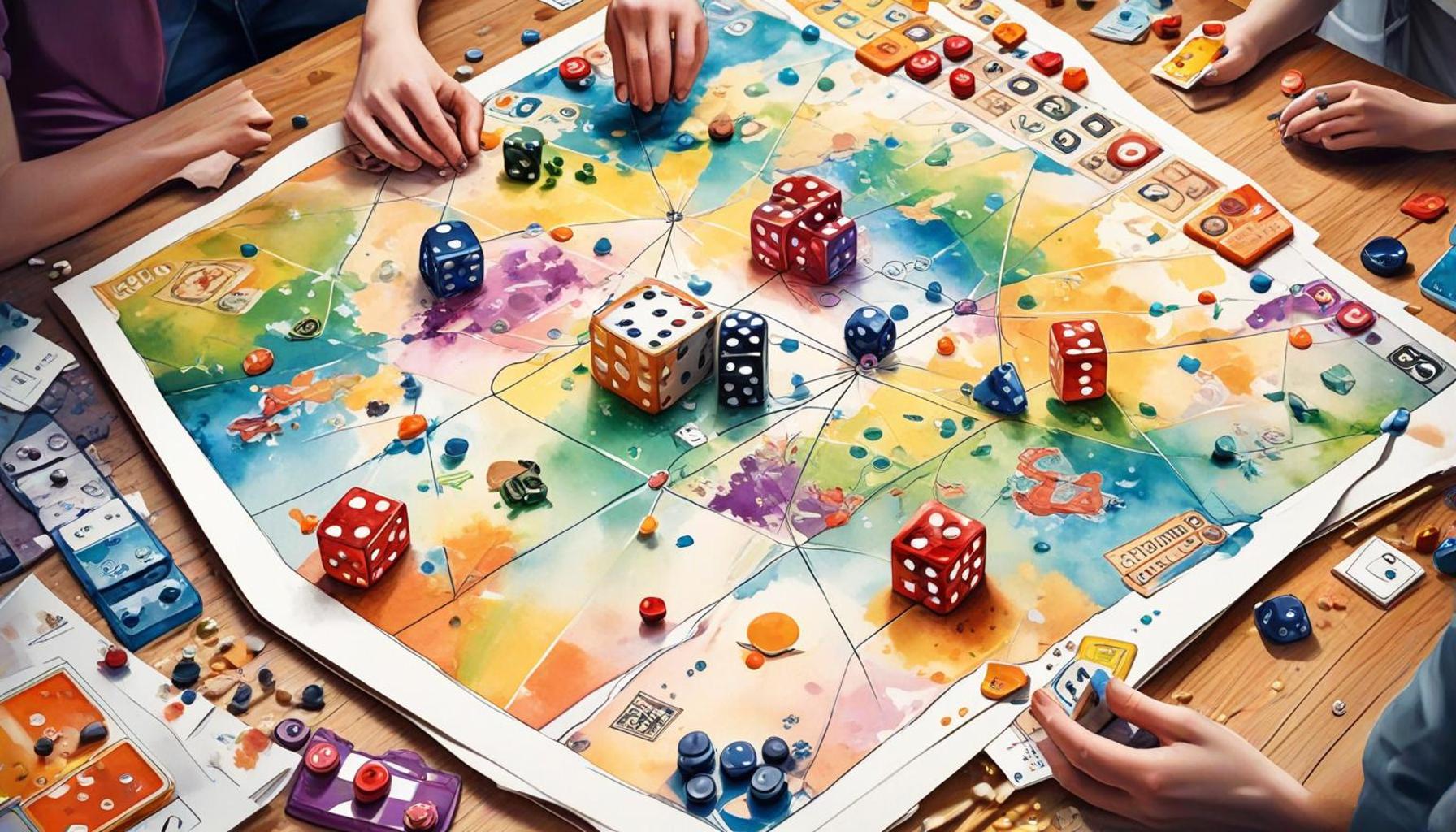
Board games, particularly strategy-based ones like Settlers of Catan or Ticket to Ride, also play a crucial role in enhancing creativity. Players are required to make tactical decisions based on shifting circumstances and other players’ moves. Such adaptive thinking mirrors real-world challenges, where flexibility and foresight are essential. Notably, the social dynamics presented in these games can lead to heated discussions, ultimately sharpening conflict resolution and critical thinking skills.
Moreover, engaging with digital platforms like Puzzle Games on smartphones and tablets can provide an avenue for flexible engagement. Many applications are designed to encourage group participation and challenge users to solve puzzles together. For example, applications like Words With Friends prompt users to use their vocabulary and strategic thinking in real-time, encouraging creative collaboration regardless of geographic limitations. Accessibility to such platforms increases engagement across age groups and learning styles, making it an essential tool for creativity.
When it comes to cultural puzzles, integrating traditional Nigerian games into community gatherings can significantly enhance cognitive and social skills. Games like oko and asha, which require strategic thinking to outwit opponents, not only invoke nostalgia but also stimulate creativity among players. These games foster a sense of community and shared enjoyment, serving to improve interpersonal skills and imaginative thinking.
Research suggests that engaging in collaborative puzzle-solving promotes a unique kind of creativity known as divergent thinking. This involves generating multiple solutions to a problem, which is essential in creative endeavors and business innovation. In the Nigerian context, combining modern puzzles with traditional games could produce novel approaches to education and team-building, leading to enhanced problem-solving skills within professional environments.
As you embark on the path of enhancing your creative capacity through puzzles, consider the value of collaboration, social interaction, and cultural integration. By diversifying the types of puzzles and games you engage with, you not only work on your personal skills but also contribute to a collective growth experience, reinforcing the cultural tapestry and community bonds that define Nigeria.
YOU MAY ALSO LIKE: Read read another article
Conclusion: Embracing Creativity through Puzzles and Mental Games
In conclusion, the journey to break the routine and unlock creativity lies deeply rooted in the engaging world of puzzles and mental games. By participating in both solitary and collaborative puzzles, individuals can significantly stimulate their problem-solving capabilities while enhancing their cognitive flexibility. Activities such as escape rooms, strategy board games, and innovative digital applications create rich platforms for exploration, fostering an environment that challenges conventional thinking.
Moreover, incorporating traditional Nigerian games into this mix not only honors cultural heritage but also reinforces community ties, all while sharpening cognitive skills and encouraging imagination. As research suggests, the practice of divergent thinking—generating multiple solutions to a problem—is an invaluable asset in any creative endeavor or professional landscape. Thus, whether playing with friends, participating in team-building events, or challenging oneself through individual puzzles, the integration of these mental games can transform the ordinary into extraordinary.
As you reflect on the myriad ways to enhance your creativity, consider exploring new puzzles and games both familiar and foreign. Dare to think unconventionally and embrace this adventure as a powerful catalyst for innovation. With each challenge tackled, you not only progress on a personal level but contribute to a broader cultural narrative that celebrates creativity and communal growth. Start today, and let the world of puzzles inspire you to think differently and solve problems with renewed flair.

Linda Carter
Linda Carter is a writer and puzzle expert specializing in mind games, brain teasers, and cognitive challenges. With extensive experience helping individuals enhance their problem-solving skills and think critically, Linda shares her knowledge on our platform. Her goal is to empower readers with practical advice, engaging puzzles, and strategies to sharpen their minds and achieve success in the captivating world of mind games and puzzles.