
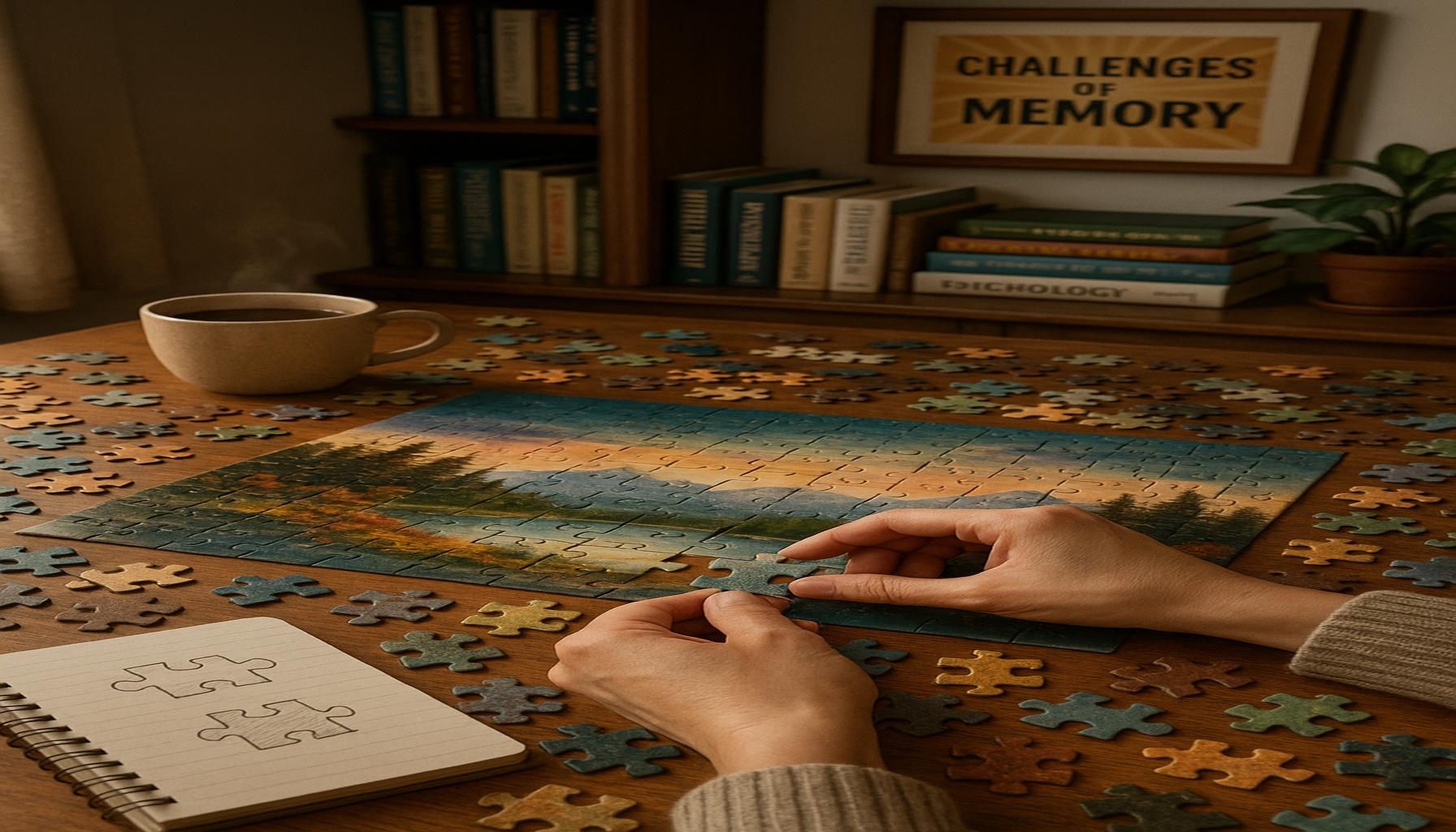
Puzzles have long been regarded as more than just simple pastimes—they are powerful tools for bolstering mental acuity and emotional well-being.
Engaging in jigsaw puzzles, crosswords, or sudoku can significantly enhance cognitive functions by stimulating neural connectivity and fortifying problem-solving skills.
This captivating activity requires focus and strategic thinking, which in turn can improve memory and heighten attention span.
Recent studies have suggested that regular puzzle-solving can even delay the onset of neurodegenerative diseases like Alzheimer's by maintaining a teeming cognitive reserve.
Furthermore, the emotional advantages of completing puzzles are equally noteworthy, offering a sense of achievement and reducing stress, thereby providing a therapeutic effect akin to meditation.
Incorporating puzzles into one's routine offers an engaging avenue for mental stimulation and cognitive development.
The intricate challenges posed by puzzles not only entertain but also enhance memory, problem-solving skills, and mental agility.
By emphasizing the benefits of these brain-teasers, we uncover ways to maintain mental health in a proactive and enjoyable manner.
As we continue to unravel their advantages, further exploration into the symbiotic relationship between puzzles and cognitive well-being could lead to more personalized mental health strategies.

Linda Carter is a writer and puzzle expert specializing in mind games, brain teasers, and cognitive challenges. With extensive experience helping individuals enhance their problem-solving skills and think critically, Linda shares her knowledge on our platform. Her goal is to empower readers with practical advice, engaging puzzles, and strategies to sharpen their minds and achieve success in the captivating world of mind games and puzzles.