Power of Puzzles Relieve Stress and Boost Mental Health with Brain Games
The Benefits of Puzzles and Brain Games
Engaging in puzzles and brain games has long been a leisurely pastime, yet their benefits extend far beyond simple entertainment. These activities have become a focal point of study, with recent research highlighting their extraordinary potential to reduce stress and enhance mental well-being. By challenging our cognitive abilities, puzzles stimulate the brain and promote both relaxation and focus, making them invaluable tools in today’s fast-paced world.
The Science Behind Mental Workouts
The connection between mental workouts and improved health is becoming increasingly evident. These mental exercises serve a dual purpose: they distract from daily pressures while fostering a sense of accomplishment. Research suggests that each time we navigate through intricate challenges, we not only mitigate anxiety but also sharpen our problem-solving skills. This combination of stress reduction and cognitive enhancement can lead to long-term benefits, such as improved memory retention and intellectual agility.
Top Puzzles and Brain Games for Mental Health
Here, we explore the top 5 puzzles and brain games renowned for their potential to improve mental health. These activities range from the tactile satisfaction of classic jigsaw puzzles to the high-tech appeal of innovative digital games. Each offers unique possibilities to fit diverse lifestyles and preferences, making it easy for anyone to incorporate mental workouts into their daily routine.
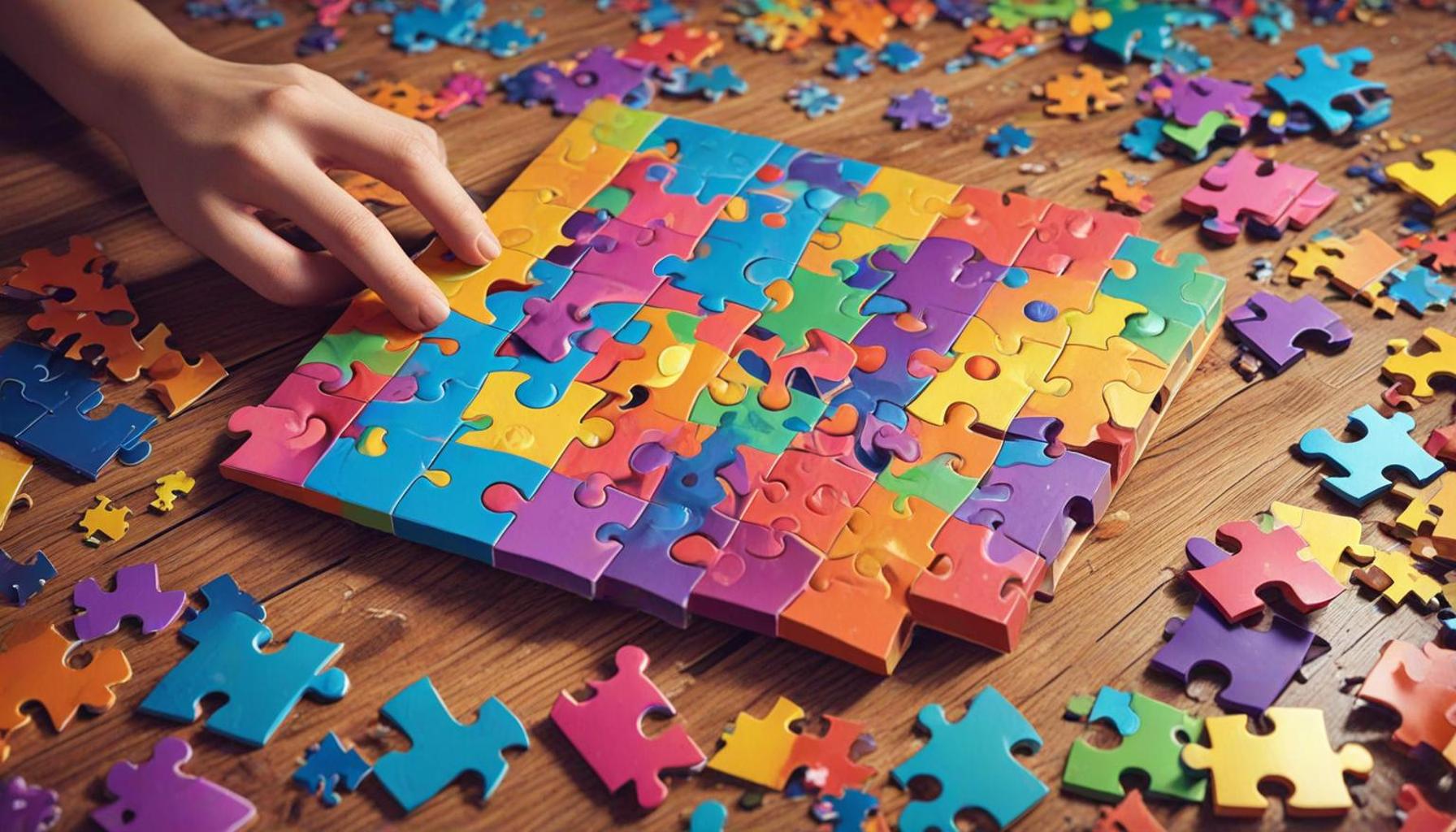
- Jigsaw Puzzles: A timeless classic, beneficial for enhancing visual-spatial reasoning.
- Crossword Puzzles: Excellent for vocabulary expansion and improving language skills.
- Sudoku: Perfect for mathematical minds, fostering logical thinking and pattern recognition.
- Chess: A strategic game that requires foresight, enhancing problem-solving and planning abilities.
- Brain-Training Apps: Modern digital puzzles designed to test various cognitive functions, from memory to reflexes.
Each of these options offers a unique pathway to bolster mental acuity and achieve a daily dose of cognitive exercise. Readers are encouraged to explore these games and perhaps take the first step towards improved mental well-being. The growing interest in mental workouts reflects an evolving understanding of health, where brain fitness is seen as integral to overall well-being.
SEE ALSO: Click here to read another article

The Power of Puzzles in Stress Reduction: How Enigmas and Mental Games Boost Mental Health
In the relentless hustle of modern life, stress and anxiety have become almost ubiquitous. Many individuals struggle to find effective strategies to cope with the mental burdens that society often imposes. Among various techniques being embraced for stress relief, puzzles and mind games stand out, garnering renewed interest not only for their entertainment value but also for their mental health benefits. This article delves into five compelling reasons why puzzles and brain games serve as powerful tools in the battle against stress, dissecting the psychological benefits that make them a worthwhile pursuit in the quest for peace of mind.
5. Enhancing Cognitive Function
The functionality of the human brain is akin to that of a powerful, complex muscle—it thrives with exercise and stimulation. Engaging in puzzles and mental games, such as crosswords, Sudoku, or jigsaw puzzles, provides a workout for your brain, leading to enhanced cognitive capabilities. Research indicates that these activities bolster memory retention, foster advanced problem-solving abilities, and invigorate critical thinking skills. When individuals tackle puzzles, several brain regions are activated, promoting a wide spectrum of cognitive functions necessary for reasoning and decision-making.
Through puzzles, one can achieve several cognitive benefits, including:
- Improved memory through consistent problem-solving exercise, helping the brain to retain and recall information effectively.
- Boosted creativity as puzzles often require innovative approaches and creative solutions, challenging the brain to think beyond conventional patterns.
- Enhanced concentration, as solving puzzles demands focus and sustained attention, essential for completing tasks successfully.
These cognitive improvements not only contribute to a healthier brain but also significantly aid in stress reduction by fostering a more resilient and responsive mindset.
4. Providing a Distraction from Daily Stressors
One of the less obvious yet profoundly impactful benefits of engaging in puzzles and mind games is their ability to pull individuals away from the vortex of daily stressors. Immersion in a puzzle offers a mental reprieve, enabling individuals to momentarily set aside external pressures. This form of temporary escape allows the mind to reset, fostering relaxation and granting renewed perspective on challenges.
The focused nature of puzzle-solving facilitates the redirection of mental energies, manifesting in:
- Decreased cortisol levels, vital for reducing the primary hormone linked to stress reactions.
- Encouragement of mindfulness, as focusing intently on a puzzle helps cultivate present-moment awareness, a core aspect of mindfulness practices.
- Emotional relief experienced as the mind becomes engrossed in a pleasurable and engaging activity, mitigating stress-induced emotions.
This constructive pause empowers individuals to better process emotions, helping them to realign their thoughts and reduce overall stress levels effectively.
3. Fostering Routine and Discipline
In the chaos of everyday life, establishing a routine can serve as an anchor of stability. Mind games naturally integrate into this framework, fostering a sense of routine and discipline that counters the disorder often associated with stress. By consistently setting aside time for puzzles, individuals can cultivate a structured approach to their mental engagement, aiding in the creation of a dependable daily rhythm.
Regular involvement with puzzles can lead to multiple benefits, such as:
- Improved time management skills, as individuals allocate specific periods for mental exercises, enhancing their ability to manage time efficiently.
- Enhanced goal-setting skills through the intrinsic milestone of puzzle completion, which translates to a sense of purpose and direction.
- Increased sense of accomplishment, derived from solving challenging puzzles, reinforcing self-confidence and encouraging perseverance.
This layer of discipline not only reduces anxiety related to lack of structure but also promotes a more organized and methodical approach to life’s demands.
2. Building Social Connections
Amidst the hustle of digitized interactions, the human need for real social connection remains as vital as ever—especially in the pursuit of mental wellness. Engaging in puzzles collaboratively with friends or family can cultivate shared experiences, strengthening bonds and reducing feelings of isolation. This social component is crucial in counteracting the isolation that often accompanies stress and anxiety.
Shared puzzle-solving experiences can result in:
- Strengthened interpersonal bonds, as group efforts in solving challenges foster unity and collective triumph.
- Enhanced communication skills through discussions and collaborative problem-solving, vital for nurturing social relationships.
- Opportunities for laughter and joy, which are foundational for psychological well-being and a thriving social life.
These interactions not only alleviate stress but also foster a sense of community and belonging, integral for mental health and overall life satisfaction.
1. Boosting Mood through Achievement
Perhaps the most invigorating aspect of puzzle-solving is its capacity to boost mood through a profound sense of achievement. Solving challenging puzzles yields a satisfaction that resonates deeply, sparking feelings of happiness and accomplishment. This emotional high is largely attributed to the release of neurotransmitters such as dopamine, heralding feelings of joy and pleasure, essential in combating stress.
This mood-enhancement can be further amplified by:
- Setting and achieving personal goals, allowing individuals to push their limits and engender self-improvement through increasingly challenging puzzles.
- Documenting success, as witnessing one’s progress and accomplishments over time serves as a potent motivator and stress-deterrent.
- Cultivating a sense of pride derived from intellectual victories, reinforcing self-esteem and personal growth.
Through the intrinsic rewards of puzzle-solving, individuals can harness a naturally uplifting experience, firmly combating stress and promoting emotional resilience.
In conclusion, the therapeutic power of puzzles and mind games lies not only in their ability to entertain but also in their profound impact on mental health. From boosting cognitive function and providing solace from daily pressures to fostering community and enhancing mood, puzzles offer a multi-faceted approach to stress management. In a world where stress is omnipresent, these age-old activities bring forth a simple yet effective means of cultivating peace and mental wellbeing—a timeless puzzle that benefits all who endeavor to solve it.
In the realm of mental health, finding effective strategies to alleviate stress is paramount. One such approach that has gained recognition is the engaging world of puzzles and mental games. They are not merely entertaining; they harbor profound benefits for mental well-being. As users immerse themselves in the challenge, they often experience a significant reduction in anxiety levels.Research indicates that the act of solving puzzles can lead to a state referred to as “flow,” wherein individuals become completely absorbed in their task, temporarily forgetting their worries. This immersion allows for a much-needed respite from the daily stresses of life, facilitating a clearer mind and heightened focus. Solutions to puzzles require critical thinking and problem-solving skills, attributes that not only sharpen cognitive function but also promote a robust sense of accomplishment upon completion.Furthermore, puzzles can improve mood and enhance cognitive capabilities. Studies show that engaging in mentally stimulating activities can lead to better emotional regulation. For instance, crossword puzzles and Sudoku enhance memory retention and bolster reasoning abilities. By challenging the brain, individuals cultivate resilience, better preparing them to handle stressors effectively. Moreover, the social aspect of puzzles cannot be overlooked. Collaborating with friends or family on a complex puzzle fosters a sense of community and connection, qualities that are vital for mental health. Group activities create opportunities for communication and collective problem-solving, which can alleviate feelings of loneliness and isolation.As individuals seek avenues to maintain or improve their mental health, the incorporation of puzzles and mental games presents a viable and enjoyable option. From crosswords to jigsaw puzzles, the cognitive workout they provide is both beneficial and fulfilling. Users can explore these activities not just as tools for entertainment, but as valuable components for reducing stress and enhancing overall mental wellness.In showcasing their effectiveness, it is essential to understand that the variety available offers something for everyone. Whether it’s a quick word search during a break or an elaborate jigsaw puzzle over a weekend, these activities can serve as practical means to recharge the mind and soothe the spirit amidst life’s chaos.
CHECK OUT: Click here to explore more
Frequently Asked Questions
How do puzzles help in reducing stress?
Puzzles operate by engaging the brain in a focused activity that distracts from daily stresses. When solving a puzzle, the brain enters a state similar to meditation, known as the flow state, where all external worries fade away, allowing the mind to relax. This mental engagement not only alleviates stress but enhances cognitive abilities and problem-solving skills.
What types of puzzles are most effective for mental health?
Many types of puzzles can offer mental health benefits; however, individual preferences play a significant role in determining effectiveness. Traditional jigsaw puzzles, crosswords, and Sudoku are popular choices. Each type targets different cognitive skills—while jigsaw puzzles enhance spatial reasoning, crosswords and Sudoku improve verbal and numerical skills, respectively. The key is to choose puzzles that you find both enjoyable and challenging.
Can puzzles improve overall mental performance?
Yes, engaging regularly in puzzle-solving activities can enhance mental performance. Puzzles exercise the brain, promoting the growth of new neuronal connections which can improve short-term memory. Moreover, puzzles stimulate the production of dopamine, a neurotransmitter responsible for regulating mood, memory, and concentration, leading to improved mental agility.
Are there any age restrictions on who can benefit from puzzles?
No, puzzles can benefit individuals of all ages. For children, they can aid in developing fine motor skills and problem-solving abilities. Adults can experience reduced stress levels and improved cognitive function, while elderly individuals can delay the onset of memory decline and maintain mental sharpness. This universal appeal makes puzzles an accessible and effective tool for enhancing mental health across different life stages.
How often should one engage in puzzle activities to see benefits?
To experience significant benefits, it is recommended to participate in puzzle-solving activities regularly. Consistency is key—aim for engaging in puzzle activities several times a week. Like any skill, the brain improves with practice, so making puzzles part of your routine can lead to lasting positive effects on your mental health and cognitive function.
RECOMMENDED: Check out this similar article
Conclusion: The Therapeutic Impact of Puzzles and Mind Games
In wrapping up our exploration of how puzzles and mind games contribute to stress reduction and mental well-being, it becomes clear that these activities offer more than mere entertainment. By engaging in activities that challenge the mind, individuals can experience a significant reduction in stress levels and an improvement in overall cognitive health. Whether through intricate jigsaw puzzles, enigmatic crosswords, or strategic games like chess, each provides a unique platform for mental stimulation.
Reducing stress through puzzles is not only about distraction; it is about engaging the mind in a way that promotes concentration and relaxation. Puzzles encourage a meditative state, where focus and patience intersect, allowing for mental clarity and peaceful engagement. Furthermore, the sense of accomplishment upon completion of a puzzle or problem-solving task can greatly boost self-esteem and confidence.
Beyond stress relief, enhanced cognitive function is another critical benefit. Puzzles demand memory, spatial awareness, and strategic thinking, contributing to better brain health. Regular engagement with these activities can enhance memory retention, sharpen problem-solving skills, and even increase IQ levels over time.
Importantly, social connections often emerge from shared puzzle-solving experiences, creating bonds over common goals. This social interaction can be invaluable for stress relief and emotional support.
In essence, incorporating puzzles and mental games into daily life offers a multifaceted approach to managing stress and improving mental health. These activities allow individuals not only to escape the pressures of daily life but also to build resilience against stress factors. Puzzles and mind games are, therefore, powerful tools for mental well-being, inviting us to embrace both their therapeutic and recreational potential. As society increasingly recognizes the importance of mental health, these activities stand out as simple yet effective interventions. By including them in our routine, we not only nurture our minds but also enrich our lives with joy and relaxation.

Linda Carter
Linda Carter is a writer and puzzle expert specializing in mind games, brain teasers, and cognitive challenges. With extensive experience helping individuals enhance their problem-solving skills and think critically, Linda shares her knowledge on our platform. Her goal is to empower readers with practical advice, engaging puzzles, and strategies to sharpen their minds and achieve success in the captivating world of mind games and puzzles.