
The Art of Deciphering: How Treasure Hunts Stimulate Group Problem Solving
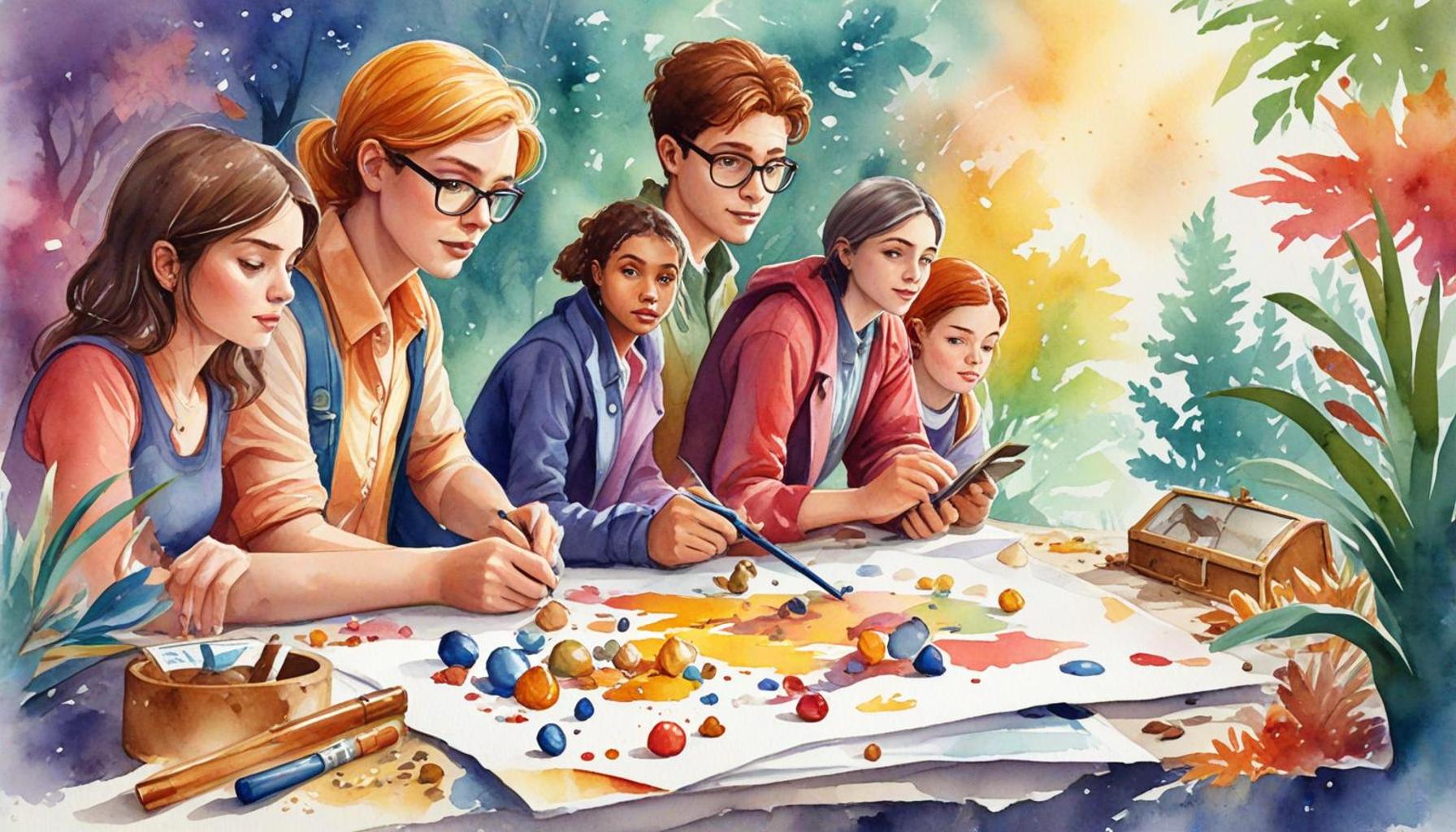
Understanding the Dynamics of Teamwork Through Engaging Activities
Engaging in a treasure hunt is not just child’s play; it’s a gateway into the profound world of group problem solving. As participants delve into the thrilling pursuit of discovery, they are inadvertently honing critical skills that are essential for teamwork. In a country like Nigeria, known for its rich tapestry of cultures, treasure hunts can serve as a powerful tool for community engagement and social cohesion.
Consider the following elements that make treasure hunts effective:
- Communication: Team members must clearly articulate thoughts and ideas. For instance, during a treasure hunt, one person might interpret a clue differently. Open dialogue can lead to a consensus that enhances the team’s chances of success.
- Collaboration: Working together allows for diverse perspectives and solutions. Each participant brings unique backgrounds, whether from urban centers like Lagos or rural communities. This melting pot of ideas can spark innovative strategies when searching for hidden treasures.
- Critical Thinking: Solving clues requires deep analysis and innovative approaches. Challenging scenarios, such as deciphering riddles that evoke local history or mythologies, encourages participants to think creatively and leverage their intellectual resources.
In Nigeria, where communal ties influence societal interactions, treasure hunts can bridge gaps between individuals from various backgrounds. They create an immersive experience, challenging groups to think outside the box while learning about each other’s strengths and weaknesses. For instance, a treasure hunt themed around traditional stories, such as those of the Yoruba or Igbo cultures, can encourage participants to interact meaningfully and encourage a spirit of camaraderie.
Moreover, treasure hunts can be tailored to reflect local cultures, incorporating historical stories, folktales, and traditional problem-solving methods. Imagine a treasure hunt that includes elements of Nigeria’s rich traditions, such as tracking down artifacts or discovering clues connected to local heroes. Such activities not only foster enjoyment but also a deeper understanding of local heritage.
As we explore the intricacies of how these activities stimulate group dynamics, we uncover the art of deciphering challenges in a collective setting. The thrill of the chase can lead to vital skills needed in everyday life, such as negotiation, planning, and even leadership. Join us on this journey to understand how engaging in such cooperative ventures can enhance teamwork and foster lasting connections among individuals from diverse societal backgrounds.
YOU MAY ALSO LIKE: Read read another article
The Transformative Power of Treasure Hunts in Team Dynamics
When individuals embark on a treasure hunt, they often step outside their comfort zones, stepping into a world where creativity and strategy intertwine. This dynamic environment not only enhances the art of deciphering but also provides essential learning opportunities for teams. As they navigate through clues and challenges, participants foster integral skills that contribute to effective teamwork.
One of the most captivating aspects of treasure hunts is their ability to engage participants in a collective quest while demanding critical teamwork skills—skills that are valuable in both professional and personal settings. In Nigeria, a country characterized by its vibrant cities and diverse communities, the lessons drawn from a treasure hunt can resonate deeply, encouraging unity and understanding across differing cultural backgrounds.
Let’s explore some key benefits that treasure hunts provide in stimulating group problem-solving:
- Enhanced Communication: The very essence of a treasure hunt revolves around the sharing of ideas and information. As teams decode clues, effective communication becomes necessary to articulate differing interpretations and strategies. For example, in a hunt themed around Nigeria’s folklore, a clue might allude to a well-known story. Discussing various ideas enables teams to converge on the correct interpretation, ultimately leading them closer to the goal.
- Diverse Perspectives: A treasure hunt thrives on the collaboration of participants from varied backgrounds. Each team member contributes unique insights that enrich problem-solving. By integrating individual perspectives, teams can uncover innovative solutions that adhere to local cultural narratives or community norms. Treasure hunts that incorporate regional elements can therefore yield more meaningful interactions.
- Critical Thinking Exercises: The puzzle-like nature of treasure hunts demands teams engage in critical thinking by breaking down clues into comprehensible parts. This not only sharpens analytical skills but also hones participants’ abilities to strategize under pressure. In the Nigerian context, such exercises can connect participants to historical events or significant local figures, encouraging them to think critically about their heritage while solving challenges.
Moreover, treasure hunts serve as a microcosm for real-world challenges. Participants are inevitably confronted with problem-solving scenarios that mimic situations encountered in everyday life, particularly in workplaces where collaboration is essential. For instance, as participants work through conflicts in interpretations of clues or disagreements about teamwork strategy, skills such as negotiation and conflict resolution come to the forefront, allowing individuals to practice these vital tools in a safe environment.
Engaging in treasure hunts goes beyond mere enjoyment; it allows groups to forge connections rooted in shared experiences. As participants engage with one another to navigate clues reflective of Nigeria’s rich history, they foster lasting friendships and enhance their collective problem-solving abilities. This underscores the significance of integrating traditional narratives in modern teamwork practices, ultimately bridging generational gaps through interactive learning.
The Art of Deciphering: How Treasure Hunts Stimulate Group Problem Solving
Treasure hunts serve as a dynamic platform for enhancing group problem solving skills. Participants must engage in various activities that promote teamwork, critical thinking, and creativity. Research shows that when groups face challenging puzzles or obstacles, they are more likely to come together to devise innovative solutions. The nature of treasure hunts encourages collaboration and communication, as each member’s unique strengths contribute to finding the answer. Moreover, the setting is often engaging and immersive. Unlike traditional learning environments, treasure hunts take participants outdoors, fostering a sense of adventure that keeps motivation high. This enjoyable atmosphere not only reduces stress but also enhances cognitive function, making it easier for teams to think on their feet. Teams that participate in treasure hunts also develop essential soft skills such as leadership and empathy. As group members navigate challenges, they learn to understand each other’s perspectives, leading to a greater appreciation of diverse problem-solving approaches. This experiential learning creates lasting bonds and a clearer sense of shared objectives, which strengthens the overall team dynamics.Furthermore, the element of competition in treasure hunts boosts engagement. When teams are competing against each other, the stakes are raised, encouraging a higher level of performance. Participants are driven to not only perform well individually but also uplift their teammates to achieve common goals. In essence, /more than just a fun activity/, treasure hunts enrich group problem-solving abilities, instill a spirit of collaboration, and are an effective tool for strengthening interpersonal relationships within teams. With businesses and organizations increasingly seeking innovative ways to improve teamwork, engaging in treasure hunts could firmly establish a culture of collaboration and creative problem solving.
| Advantage | Description |
|---|---|
| Enhanced Teamwork | Treasure hunts promote collaboration as participants rely on each other’s strengths, leading to effective communication. |
| Improved Problem Solving Skills | Facing challenges in a fun context encourages creative solutions and critical thinking among team members. |
ADDITIONAL INSIGHTS: Expand your understanding here
Cultivating Connections Through Collaborative Challenges
As teams journey through the twists and turns of a treasure hunt, they are not just uncovering physical tokens but are also unearthing layers of communication and trust within their group dynamics. It’s this quest for resolution that positions treasure hunts as invaluable tools for developing collaboration skills, as participants learn to solve riddles collectively and interpret clues from various angles.
Through structured group challenges, team members quickly identify their strengths and weaknesses, a process that often leads to empowerment and inclusivity. In Nigeria’s diverse and rich culture, participants are likely to find common ground among the myriad social, ethnic, and professional backgrounds represented. This provides valuable lessons in inclusivity, as teams are compelled to lean on each other’s strengths, prompting influences from local knowledge. For instance, when faced with a riddle based on a famous landmark like the Aso Rock, team members can share insights that resonate with local narratives, fostering an atmosphere of respect and collaboration.
Moreover, treasure hunts encourage the adoption of different roles within a team. As challenges unfold, some individuals may naturally assume roles as leaders, while others might shine as strategists or communicators. This role distribution leads to a better understanding of the dynamics at play within teams and the recognition that successful problem-solving often requires a multifaceted approach. In Nigerian urban centers like Lagos, where life is bustling and fast-paced, understanding and leveraging these roles can significantly enhance workplace efficiency and creativity.
- Real-time Feedback: Unlike traditional team-building exercises, treasure hunts present opportunities for immediate feedback. As teams collaborate to decipher clues, they witness their progress and obstacles in real-time. This instant reflection can result in powerful learning moments, enhancing not only the outcome of the treasure hunt but also the skills participants take back to their workplaces.
- Boosting Engagement: Engaging in interactive learning through treasure hunts is a stark contrast to conventional training methods. By immersing themselves in a tangible challenge, participants find themselves more invested in problem-solving, demonstrating that hands-on experiences often lead to greater retention of newly acquired skills.
- Encouraging Resilience: As teams encounter challenges throughout their hunt, they inevitably experience setbacks. Learning to navigate these challenges builds resilience, as groups develop strategies to face obstacles head-on. This aspect is crucial, especially within Nigeria’s current socio-economic environment, where adaptability is key to thriving amidst change.
Another striking aspect of treasure hunts is their capacity to bridge gaps—be it generational differences or varying levels of expertise within a team. In Nigeria, where societies often engage with a rich oral tradition, integrating these narratives into clues not only makes the hunt engaging but also serves as a pedagogical tool, ensuring that knowledge is transferred across age groups and experiences. As young participants encounter historical elements during the hunt, those well-versed in these narratives can share their insights, promoting intergenerational dialogue.
Ultimately, treasure hunts are a vivid testament to the power of teamwork and collective intelligence. They cultivate an engaging environment where the art of deciphering not only unpacks mysteries but also fosters vital connections among participants. This process of collaborative problem-solving, infused with cultural significance, transforms individuals into a cohesive unit, prepared to tackle the complexities of teamwork both in treasure hunts and beyond.
ADDITIONAL INSIGHTS: Expand your understanding here
Unlocking the Potential of Collaborative Adventures
In conclusion, the experience of navigating a treasure hunt goes well beyond merely searching for hidden objects; it serves as a microcosm for fostering crucial problem-solving skills and enhancing team dynamics. The immersive and engaging nature of these activities allows participants to explore their abilities in real-time, revealing not only their individual strengths but also their capacity to collaborate effectively with others. In the Nigerian context, where diverse cultures intersect, treasure hunts present an opportunity for participants to embrace inclusivity and draw on local narratives that enrich the experience, making teamwork a rewarding and educational journey.
The unique framework of treasure hunts promotes adaptive thinking, where team members learn to view challenges from multiple angles, enhancing their overall creativity and resilience. As groups learn to pivot in response to setbacks, they become more equipped to tackle real-world dilemmas, which is particularly vital in Nigeria’s dynamic socio-economic landscape.
Moreover, the shared triumphs and challenges encountered throughout the hunt strengthen interpersonal connections and cultivate trust, paving the way for a cohesive team ready to address the complexities of any collaborative effort. With the key skills of effective communication, empathy, and strategic planning being honed in such an engaging environment, it is clear that the art of deciphering clues in treasure hunts is a powerful avenue for developing skills that extend far beyond any single event.
Ultimately, organizations in Nigeria and beyond should consider integrating treasure hunts into their team-building initiatives, leveraging the unique cultural contexts and narratives to create meaningful experiences that promote a collaborative spirit and foster a deeper understanding of collective problem-solving.

Linda Carter
Linda Carter is a writer and puzzle expert specializing in mind games, brain teasers, and cognitive challenges. With extensive experience helping individuals enhance their problem-solving skills and think critically, Linda shares her knowledge on our platform. Her goal is to empower readers with practical advice, engaging puzzles, and strategies to sharpen their minds and achieve success in the captivating world of mind games and puzzles.