
Impact of Artificial Intelligence on Shein’s Supply Chain and the Evolution of the Sector
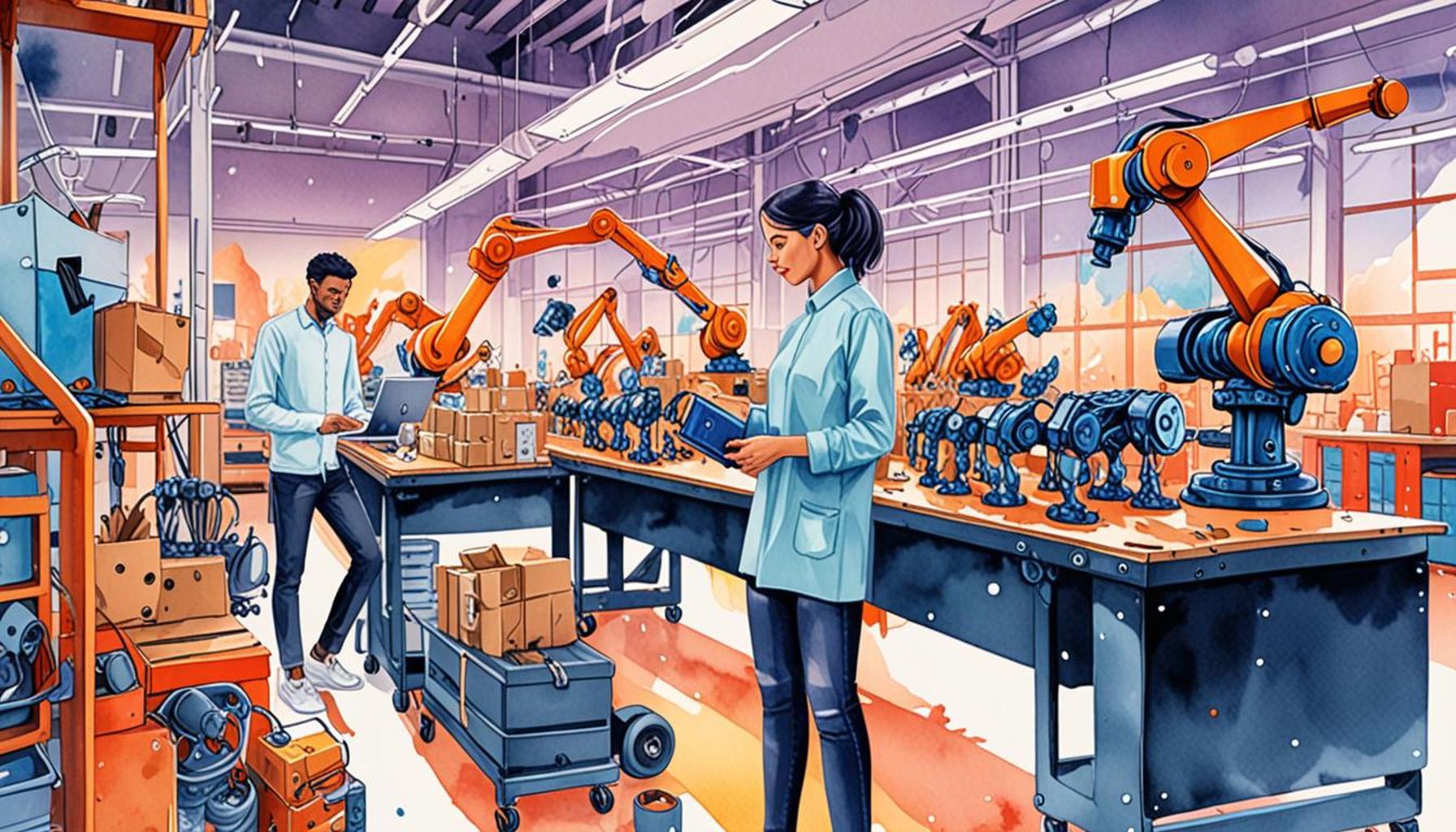
The Transformative Impact of AI on Fashion Supply Chains
In the fast-paced world of fashion retail, Artificial Intelligence (AI) is reshaping traditional supply chains, and companies like Shein are at the forefront of this transformation. The integration of AI technologies is not merely a trend; it’s a fundamental shift that has the potential to redefine the industry landscape. From personalized shopping experiences to highly efficient operations, the implications of AI use are vast and varied.
Data-Driven Insights
One of the most remarkable ways in which Shein leverages AI is through data-driven insights. By analyzing extensive datasets gathered from customer interactions, purchase patterns, and social media trends, Shein can forecast demand with impressive accuracy. For example, AI algorithms process data on trending colors and styles, allowing Shein to adapt its product offerings in near real-time. This capability is crucial in an industry where consumer preferences can shift almost overnight. The use of data analytics not only enhances product relevance but also reduces the risks associated with overproduction, which has historically plagued the fashion sector.
Streamlined Operations
Moreover, AI is playing a pivotal role in streamlining operations. Through automation, Shein can optimize its logistics chain, ensuring products reach consumers faster than traditional retail models allow. For instance, the use of AI-driven routing systems enables the company to find the most efficient delivery paths, reducing shipping times significantly. This is especially important in the U.S. market, where speed and efficiency in delivery are increasingly influencing consumer loyalty and shopping habits. As such, employing AI not only enhances the customer experience but also positions Shein as a leader in a competitive market.
Inventory Management
Another critical area of transformation is in inventory management. Machine learning algorithms allow Shein to manage stock levels intelligently. By predicting future sales trends and customer demands, the company can maintain optimal inventory levels, minimizing waste while maximizing profitability. For instance, by using predictive analytics, Shein can identify which items are likely to be bestsellers and adjust their inventory accordingly, thus avoiding the pitfalls of overstocking items that may quickly go out of style.
The evolution of supply chains illustrates a fascinating interplay between technology and consumer expectations. As AI continues to advance, Shein exemplifies how fashion brands can harness these innovations to not only keep pace but also lead. With the potential to enhance customer experiences and achieve greater operational efficiency, understanding the impact of artificial intelligence on Shein’s supply chain is key. This article delves into the significant changes occurring within the sector, exploring both challenges and opportunities arising from these technological advancements.
As the fashion industry continues to navigate this AI-driven landscape, it becomes clear that brands like Shein are not just adapting; they are setting new standards for operational excellence and customer engagement. This ongoing transformation invites consumers and competitors alike to rethink their relationships with fashion in the digital age, emphasizing the importance of agility, data integration, and innovative technologies in shaping the future of retail.
DISCOVER MORE: Click here to learn all about it
Revolutionizing Fashion Through AI Innovation
As Shein journeys through the digital landscape of modern fashion retail, the influence of Artificial Intelligence (AI) as a catalyst for change is increasingly evident. The ongoing evolution of the sector emphasizes AI’s crucial role in navigating complex supply chains and adapting to rapidly shifting consumer demands. This exploration will reveal how Shein employs innovative AI strategies that not only streamline operations but also enhance sustainability and foster product creativity.
Customer-Centric Approaches
Central to Shein’s strategy is its customer-centric approach. By utilizing AI to analyze consumer behavior and preferences, Shein can create tailored experiences designed to engage and retain shoppers. The fashion giant employs advanced algorithms to evaluate data from customer interactions, such as browsing history and previous purchases. This data allows Shein to personalize marketing campaigns, improving conversion rates by targeting consumers with styles and products they are more likely to purchase.
The benefits extend beyond direct sales. A more informed understanding of customer preferences empowers Shein to develop collections that resonate with their audience. By identifying the specific styles and trends that are gaining traction, Shein can introduce new segments into their collections that align with customer desires. Overall, the use of AI in predicting shifts in consumer demand allows Shein to act swiftly, creating a significant competitive edge.
Enhanced Sustainability Efforts
Another significant impact of AI on Shein’s supply chain is its potential to enhance sustainability efforts. The fashion industry is notorious for its environmental challenges, including overproduction and waste. However, through AI-driven analytics, Shein can operate with greater efficiency, leading to a reduction in excess inventory and minimizing environmental impacts.
Key methods in which AI bolsters sustainability include:
- Real-time demand forecasting: AI tools predict what products will be in demand, allowing Shein to produce only what is needed.
- Waste reduction through improved material sourcing: AI aids in selecting the best suppliers based on sustainability metrics and supply chain efficiency.
- Lifecycle analysis: AI assists in evaluating the environmental impact across the lifecycle of products, guiding more eco-conscious decisions.
Future-Ready Supply Chain
In the face of ongoing global challenges and uncertainties, Shein’s integration of AI technology streamlines its supply chain operations. The implementation of AI not only accelerates product development but also promotes resilience, enabling Shein to adapt its supply chain to disruptions, fluctuations in demand, or logistical challenges. By forecasting potential risks and optimizing delivery routes, businesses can significantly minimize downtime and operational costs.
The remarkable adaptability exhibited by Shein reinforces a larger trend in the fashion industry; where agility and responsiveness are critical to maintaining relevance. As AI continues to evolve, its role will become even more integral, forging a path forward for success in an ever-competitive marketplace. Pioneering brands like Shein exemplify how embracing these technologies can lead to sustainable growth and enhanced customer satisfaction, marking a profound shift in the fabric of fashion retail.
As Artificial Intelligence (AI) continues to influence various industries, its role in optimizing supply chains has become increasingly significant, especially for fast-fashion giants like Shein. Through advanced algorithms and data analytics, AI empowers Shein to predict trends, streamline operations, and reduce excess inventory, paving the way for a more agile business model. With the rapid changes in consumer preferences, Shein utilizes AI to analyze vast datasets from social media and online searches to identify emerging fashion trends. By quickly adapting to these insights, Shein can design and deliver new products to the market within weeks, significantly shortening its supply chain cycle. This ability not only enhances customer satisfaction but also reduces the risks associated with overproduction.Moreover, AI-driven supply chain management systems help optimize logistics, ensuring that both manufacturing and distribution processes are efficient. For instance, predictive analytics allows Shein to anticipate demand fluctuations, facilitating better resource allocation and minimizing waste. As a result, Shein’s operational costs are significantly lowered, allowing for competitive pricing while maintaining high margins.Additionally, AI’s integration into inventory management enables Shein to automate restocks and manage stock levels in real time. This ensures that popular items do not go out of stock, thereby maintaining sales momentum and customer engagement. The use of AI also extends to enhancing supplier collaboration through smart contracts and blockchain technology, further strengthening Shein’s supply chain ecosystem.Ultimately, the integration of AI in Shein’s supply chain has not only revolutionized its operational strategy but also sets a precedent for the broader fashion industry. As AI technologies evolve, they promise to introduce more innovative solutions, driving sustainability and efficiency across the sector. This transformational journey marks a significant shift in how apparel companies will approach production and distribution, suggesting an evolution that prioritizes speed, responsiveness, and environmental consciousness in supply chain practices. In light of these advancements, the question of how AI will further impact Shein and the broader fashion sector remains ripe for exploration, as industry stakeholders look to harness the potential of machine learning and data science for future growth. The convergence of technology and fashion has the potential to reshape consumer experiences, making it critical for brands to stay ahead in the ever-evolving landscape.
DIVE DEEPER: Click here to learn more about the impact of online reviews
AI-Driven Efficiency: Shaping the Future of Fashion Retail
A crucial aspect of Shein’s success in modern fashion retail lies in its ability to harness Artificial Intelligence (AI) not just for immediate improvements but as a cornerstone for long-term operational excellence. This forward-looking approach positions Shein to redefine the fashion landscape, embracing an efficient and data-driven strategy while also embracing technological advancements. One of the distinct advantages that AI brings to Shein’s supply chain is the integration of real-time data across various operational touchpoints.
Supply Chain Optimization
AI optimizes logistics through sophisticated routing algorithms that analyze multiple factors, including traffic patterns, shipping costs, and expected delivery times. By employing these algorithms, Shein can identify the most efficient paths for transportation, leading to reduced lead times and enhanced customer satisfaction. This capability is not just limited to improving speed; it also plays a significant role in cutting costs by minimizing fuel consumption and leveraging predictive analytics to forecast potential logistical challenges.
Moreover, with the ability to continuously update its systems based on incoming data, Shein can react promptly to delays or disruptions. For instance, during unexpected global events such as the COVID-19 pandemic, companies relying on traditional logistics were significantly impaired. Shein, with its AI backbone, rapidly adjusted its operations and maintained a steady flow of products, showcasing the agility necessary to thrive in today’s unpredictable market.
Driving Product Development
Beyond logistics, AI also enhances product development at Shein. Through machine learning algorithms, Shein interprets vast amounts of fashion trend data and consumer feedback, leading to more informed design decisions. By analyzing social media trends, runway shows, and influencer styles, the company can anticipate the next big trend before it fully materializes. This predictive capability significantly reduces the time required to bring a new product from concept to market.
Crowdsourced data from Shein’s online community serves as an invaluable resource for rapid prototyping and feedback. With AI, the company identifies which designs gain traction and can accelerate production accordingly. This iterative cycle of design, feedback, and re-launch creates a dynamic product portfolio that resonates with its audience.
Smart Retailing and Inventory Management
AI also contributes to smart retailing practices, particularly through effective inventory management. By employing AI-driven forecasting tools, Shein can predict stock levels with remarkable accuracy. An analysis of historical sales trends and current market conditions empowers the company to minimize overstock situations and reduce the likelihood of markdowns, which can erode profit margins.
For instance, according to a report from McKinsey, companies that integrate AI into their supply chain processes can achieve up to a 20% reduction in inventory costs. This data-driven decision-making aligns perfectly with Shein’s growth strategy, ensuring products are available when consumers demand them while also maintaining a healthy profit margin.
The Democratization of Fashion through Technology
As AI facilitates a more agile supply chain, it concurrently democratizes fashion by making it more accessible and affordable. Shein’s ability to cut lead times and respond to consumer demand means that trendy clothing becomes available at a much quicker pace and lower cost. This evolution not only reshapes consumer habits but also encourages other players in the fashion industry to adopt similar practices, propelling a sector-wide transformation.
In this light, Shein’s commitment to blending AI and supply chain management highlights a definitive shift in how fashion is produced, marketed, and consumed. As more brands explore the possibilities that AI offers, the industry stands on the brink of a new era characterized by collaboration between consumers, technology, and sustainability.
DISCOVER MORE: Click here to learn how personalization enhances customer experience
Conclusion: Pioneering Change in Fashion Retail
The rapid integration of Artificial Intelligence (AI) into Shein’s supply chain marks a profound evolution within the fashion retail industry, establishing new benchmarks for efficiency, responsiveness, and consumer engagement. By leveraging AI technologies, Shein not only optimizes logistics and enhances product development but also revolutionizes inventory management to align with shifting consumer demands. This technological adaptation leads to a streamlined approach that reduces costs and accelerates the time-to-market for new designs.
As we dissect the implications of this AI-driven transformation, it becomes evident that Shein’s success story is a harbinger of a new era for fashion — one characterized by the democratization of style. The immediacy with which Shein’s products reach consumers reshapes purchasing behaviors and fosters a culture of fast fashion that is both appealing and, at times, challenging from a sustainability perspective. With consumers seeking ever-more accessible fashion, brands across the sector are called to respond by embracing similar AI innovations.
The insights gained from Shein’s journey can serve as a model for other retailers aiming to enhance their supply chains by incorporating intelligent technologies. As AI continues to evolve, it promises unparalleled opportunities for fostering collaboration among designers, manufacturers, and consumers, while also addressing pressing sustainability concerns. Thus, Shein’s leadership not only demonstrates the impact of AI on operational practices but also signals a broader shift that is set to redefine the landscape of fashion retail for years to come. The question remains: how will other players rise to the challenge in adapting to this fast-changing environment?