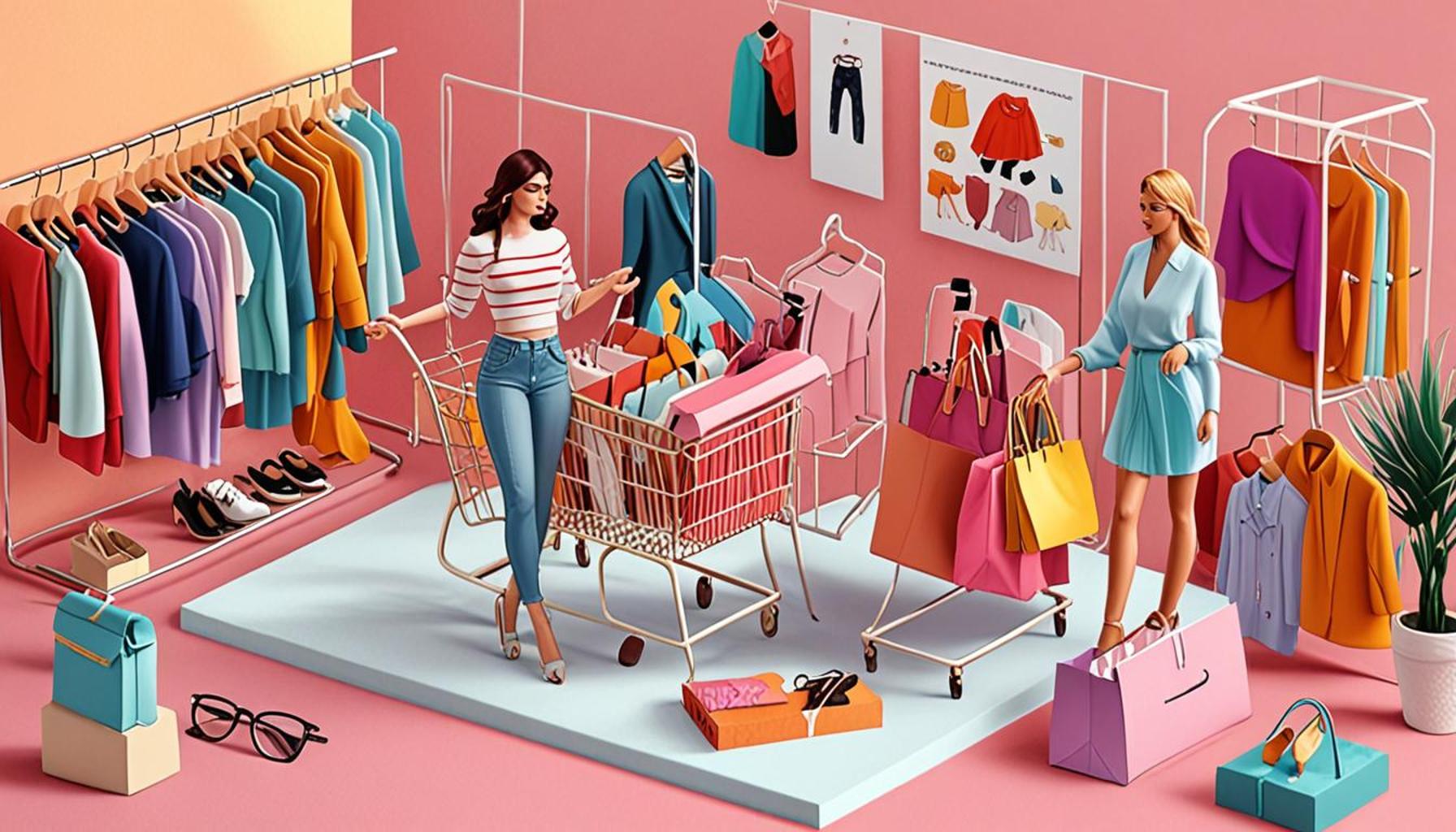
The Impact of Fast Fashion Trends on Shein Consumer Behavior
Understanding Fast Fashion’s Role in Consumer Choices
The rise of fast fashion has fundamentally reshaped how consumers engage with clothing brands, particularly among younger demographics. One standout player in this arena is Shein, a brand that epitomizes the blend of affordability and rapid trend cycles. With prices often under $20 for dresses and tops, Shein leverages its efficient supply chain to produce new styles at breakneck speed, appealing directly to the youth market’s desire for variety without breaking the bank.
- Affordable Prices: Shein’s strategic pricing attracts budget-conscious shoppers. The brand’s ability to offer low-cost garments can be traced back to a business model that emphasizes volume and efficiency. This approach allows consumers to buy more items without feeling guilty about overspending, creating a shopping experience that feels both exciting and accessible.
- Rapid Trend Adaptation: The brand quickly mirrors the latest fashion trends seen on social media and runways. For instance, Shein’s design teams closely monitor platforms like Instagram and TikTok, often producing garments that align with influencers’ styles almost overnight. This rapid response is a key element of their success, as it keeps Shein in sync with current consumer interests.
- Online Shopping Convenience: An easy-to-navigate website and app facilitate impulse buying. With features like one-click purchasing and targeted advertisements based on browsing history, consumers find themselves purchasing on a whim, often leading to unplanned spending.
But what does this mean for consumer behavior? The appeal of Shein is not just in its styles but in how it shapes shopping patterns. The nature of fast fashion encourages a series of behaviors that have significant implications for the fashion industry and consumer consciousness.
- Frequent Purchases: Consumers often buy clothing with little reflection. In fact, a survey indicated that a significant percentage of shoppers admitted to feeling pressure to keep up with changing trends, leading them to purchase far more than needed.
- Short Wear Cycles: Fast fashion encourages rapidly changing wardrobes that lead to higher turnover. Many consumers now view clothing as disposable or short-term investments rather than timeless pieces. This cultural shift promotes a throwaway mentality that raises pressing environmental concerns.
- Social Media Influence: Platforms like Instagram and TikTok propel Shein’s visibility. The use of influencers who showcase their Shein hauls creates a sense of urgency and desirability, compelling viewers to purchase in order to emulate the curated lifestyles presented online.
As fast fashion continues to dominate the market, understanding its influence on consumer behavior is crucial. The convergence of trends, pricing strategies, and social media presence ultimately shapes how we view style and sustainability in our shopping choices. Awareness of the environmental implications of fast fashion is growing, prompting some consumers to seek alternatives in sustainable fashion. However, the lure of immediate gratification, coupled with low prices, poses a challenge for those advocating for more responsible consumer habits.
In conclusion, while brands like Shein drive change in shopping patterns through affordable and trendy offerings, consumers are left to navigate the implications of these choices on their own habits and the planet. Exploring the intersection of fast fashion and conscious shopping is essential for anyone invested in the future of fashion.
LEARN MORE: Click here to find out how data analysis shapes consumer insights
The Psychological Drivers Behind Shein’s Popularity
A significant factor that contributes to the success of Shein within the fast fashion industry is the psychological triggers that influence consumer behavior. The brand’s affordability, trend responsiveness, and digital convenience play a vital role in shaping how consumers approach their shopping habits. Understanding these psychological aspects reveals why Shein has become a staple for many, particularly younger shoppers.
- Instant Gratification: The modern consumer is increasingly driven by a need for immediate satisfaction. Shein’s model caters perfectly to this desire, providing access to a wide range of products at incredible speed. The immediacy of online shopping, combined with fast shipping options, reinforces the notion that desirable clothing is just a few clicks away.
- FOMO Effect: The fear of missing out—FOMO—has become a powerful motivator in consumer behavior. Shein harnesses this by introducing limited-time offers and flash sales that compel shoppers to act quickly or risk missing out on trendy items. This urgency amplifies purchasing behaviors, encouraging consumers to buy more frequently and impulsively.
- Personal Identity and Expression: For many consumers, especially Gen Z and Millennials, clothing is more than just a necessity; it is an essential form of self-expression. Shein’s constant influx of new styles allows individuals to experiment with their looks and adapt to changing trends without significant financial commitment. This aligns perfectly with the desire to project a unique identity while staying fashionable.
Furthermore, the influence of social media cannot be overstated. As platforms like Instagram and TikTok swell with fashion influencers showcasing their latest Shein hauls, shoppers are increasingly influenced by the curated lifestyles these influencers present. A study indicated that over 60% of social media users often feel pressure to replicate the looks they see online, propelling the cycle of consumption. As influencers promote their purchases, they create a community around their choices that associates social validation with fashion consumption.
While the allure of Shein is evident, it also prompts a critical examination of consumer responsibility. Shoppers often grapple with the implications of their choices, particularly regarding environmental sustainability. As the fast fashion industry is scrutinized for its contribution to pollution and waste, some consumers are increasingly conscious of their purchasing decisions. Yet, the combination of affordability and trendiness makes it challenging to resist the call of instant fashion gratification.
In summary, the psychological drivers behind Shein’s success demonstrate how intertwined shopping behavior has become with emotional and social factors. Understanding these dynamics is essential for comprehending the shifting landscape of consumer choices and the broader implications of fast fashion on individual habits and societal norms.
The Impact of Fast Fashion Trends on Shein Consumer Behavior
The advent of fast fashion has revolutionized the retail landscape, particularly for online giants like Shein. This phenomenon encourages consumers to frequently purchase new clothing items at affordable prices, leading to a significant shift in shopping habits. Notably, the fast-paced trend cycles foster a sense of urgency among consumers, compelling them to buy items impulsively—often referred to as ‘panic buying.’ Additionally, limited-time offers frequently employed by Shein enhance this feeling, leading to decreased time for deliberation and increased acquisition of garments that may never be worn.
Moreover, the accessibility of the brand through mobile apps and social media platforms like Instagram and TikTok has further changed consumer behavior. Users are exposed to a constant stream of trending styles that are just a click away, creating a digital environment where consumers are more likely to act on fleeting whims rather than make thoughtful purchases. This environment diminishes the traditional boundaries of consumer decision-making and prompts a cycle of overconsumption.
| Category | Impact on Consumer Behavior |
|---|---|
| Purchasing Urgency | Fast fashion cycles create a rush, leading to spontaneous purchases and increased sales volumes. |
| Digital Influence | Social media trends promote rapid consumer engagement, with many users compelled to follow fleeting fashion fads. |
This combination of urgency and digital influence significantly contributes to Shein’s unique market positioning and speaks to the broader implications of fast fashion on consumer behavior. With every scroll and click, consumers are shaped by the fast-fashion narrative, cultivating a culture where style is constantly evolving yet remains perpetually transient.
DISCOVER MORE: Click here to learn about virtual try-ons and their impact
The Role of Marketing Strategies in Shaping Consumer Preferences
Beyond the psychological motivations that fuel consumer behavior, Shein’s marketing strategies have been pivotal in creating a powerful brand presence that resonates with its audience. The innovative approaches employed by Shein not only draw in shoppers but also foster a sense of loyalty and community around the brand.
- Influencer Collaborations: Shein invests significantly in influencer partnerships, utilizing a diverse array of social media figures to promote its products. These collaborations stretch across various niches, capturing audiences that range from fashion aficionados to everyday casual wearers. By working with influencers who embody their target demographic, Shein amplifies its reach, making curated styles more accessible and appealing. In fact, a recent survey indicated that nearly 75% of Gen Z shoppers are influenced by social influencers when making purchase decisions, showcasing the substantial impact these partnerships have on driving sales.
- User-Generated Content (UGC): Shein encourages consumers to share their own experiences through platforms such as Instagram and TikTok, promoting UGC as a form of authentic advertising. This approach fosters a sense of community and belonging among consumers, as they see real people showcase how they style Shein items. The brand’s savvy use of hashtags like #SheinHaul and #SheinFashion creates a virtual space for customers to engage with each other, increasing brand visibility and encouraging others to explore Shein’s vast offerings.
- Personalization and Targeted Advertising: By utilizing advanced algorithms, Shein tailors its marketing efforts to specific segments of its audience. This personalized touch not only enhances the consumer shopping experience but also improves the effectiveness of marketing campaigns. Data indicates that personalized marketing can lead to a 20% increase in sales, allowing Shein to strategically position itself in line with consumer preferences and buying patterns.
Additionally, the prevalence of mobile shopping has reshaped how consumers interact with fashion brands. With a mobile-first platform, Shein is well-positioned to capture the attention of on-the-go shoppers. A report from Statista reveals that as of 2023, mobile ecommerce is projected to account for over 54% of total online sales. Shein leverages this trend through seamless app experiences, exclusive app-only deals, and gamified shopping components that keep buyers engaged and eager to return to the platform.
The fast fashion environment fosters a condition where consumers feel compelled to stay updated, leading to a cycle of rapid consumption. Shein’s business model thrives on this cycle, with its fast turnover rate of styles ensuring that consumers are continually enticed by fresh merchandise. This aspect of Shein’s strategy is evident in its weekly drops of new collections, designed to keep the brand at the forefront of shoppers’ minds while instilling a sense of urgency to purchase before options are gone.
Ultimately, the marketing techniques employed by Shein not only satisfy consumer desires but also contribute to shaping the expectations and behaviors within the fast fashion landscape. As consumers increasingly navigate the complexities of brand relationships through digital means, understanding these strategies sheds light on the evolving dynamics of consumer behavior in the realm of fast fashion.
DISCOVER MORE: Click here for expert tips and hacks
Conclusion: Navigating the Fast Fashion Landscape with Shein
The intersection of fast fashion trends and Shein consumer behavior paints a compelling picture of how rapidly evolving marketing strategies can shape purchasing decisions and brand loyalty. As consumers are increasingly drawn to the allure of trendy, affordable clothing, Shein has adeptly positioned itself as a leader in the fast fashion arena by leveraging key tactics aimed at younger generations.
The significance of influencer collaborations and user-generated content cannot be overstated; these elements create a vibrant community that not only enhances customer engagement but also cultivates an emotional connection with the brand. Furthermore, the emphasis on personalized advertising speaks directly to modern consumers’ desires for tailored shopping experiences—providing a unique user journey that stands out in a crowded marketplace.
As mobile commerce continues to dominate the retail landscape, Shein’s mobile-first strategy ensures that the brand meets consumers where they are—on their smartphones. The brand’s ability to introduce new styles at a staggering pace results in a consumption cycle that keeps customers repeatedly returning for more. This phenomenon raises important questions about sustainability and consumer responsibility; while the immediate gratification of trendy fashion is tempting, it is critical for shoppers to consider the long-term impact of disposable fashion habits.
In conclusion, understanding the impact of fast fashion trends on consumer behavior towards Shein provides invaluable insights into the current retail ecosystem. The interplay between marketing innovation and consumer psychology illustrates the need for a balanced approach to fashion consumption—where style and sustainability can coexist. As customers become more aware of their choices, they hold the power to influence brands like Shein towards more sustainable practices, ultimately shaping the future of fast fashion.