The importance of puzzles in promoting mental well-being and stress relief
Unlocking the Benefits of Puzzles
Puzzles are more than just a pastime; they represent a valuable tool for enhancing mental well-being and providing stress relief. As stress and mental health challenges become more pronounced in daily life, particularly in Nigeria’s bustling cities, the therapeutic impact of engaging in puzzle activities is receiving well-deserved attention. Whether it’s a daunting crossword, a complex Sudoku, or a colorful jigsaw puzzle, these activities offer a nurturing sanctuary for the mind.
Engaging in puzzle-solving comes with a myriad of advantages that can bolster one’s overall mental agility and emotional balance. Here are some of the key benefits:
- Enhanced Problem-Solving Skills: Puzzles require critical thinking and strategic planning. For instance, tackling a Sudoku not only sharpens numerical reasoning but also encourages finding patterns and making logical deductions, skills incredibly valuable in everyday decision-making.
- Improved Memory: Regular engagement with puzzles has been shown to boost memory retention and recall. Activities like matching games or remembering the location of jigsaw pieces can sharpen your memory, translating to improved cognitive function in daily tasks.
- Increased Focus: Puzzles demand concentration, which can enhance one’s attention span. This focused engagement can act as a balm for anxiety, allowing individuals to temporarily escape from the pressures of life, thereby clearing mental clutter.
Beyond these cognitive benefits, puzzles also serve as grounding activities. The repetitive motions of assembling a puzzle’s pieces or the focused problem-solving required by a crossword can induce a meditative state. This mindfulness can be particularly beneficial for those struggling with stress and anxiety. Many Nigerians, for example, enjoy the challenge of traditional games such as Sudoku or culturally themed jigsaw puzzles that celebrate local scenery or heritage, fostering a sense of community and shared experience as they gather to solve together.
In a time when mental health is increasingly discussed and recognized as crucial to overall well-being, utilizing puzzles as a wellness tool can yield impressive results. By embracing these engaging activities, individuals not only find entertainment but also nurture their minds and emotional health. This fascinating intersection of enjoyment and psychological wellness highlights the profound impact puzzles can have. As we explore this captivating realm, we may inspire others to view puzzles not simply as games but as vital instruments for fostering mental resilience and community connections.
CHECK OUT: Click here to explore more
Understanding Puzzles in the Context of Mental Well-Being
In the hustle and bustle of Nigeria’s urban landscape, residents face a multitude of pressures ranging from economic challenges to societal expectations. As a result, stress levels can rise dramatically, leading individuals to seek effective coping strategies. Among those strategies, puzzles stand out as not only an enjoyable pastime but also as a means to reclaim mental clarity. Engaging in puzzles allows individuals to find solace amidst the chaos of daily life, providing a necessary mental reprieve.
Puzzles serve a dual purpose: they are cognitive exercises that strengthen the brain while also providing a much-needed escape from the stressors of reality. This unique combination makes them an essential tool for enhancing mental clarity. Research indicates that activities involving puzzles can significantly reduce levels of cortisol, the stress hormone, allowing people to foster a more relaxed state of mind. The therapeutic potential of puzzles has sparked interest in their role in self-care practices, particularly in high-stress environments.
- Reduced Anxiety Levels: When engrossed in arranging jigsaw pieces or solving a Sudoku, people’s minds shift focus from their anxieties to the task at hand, which in turn calms their nervous systems. For instance, a group of friends in Lagos might gather to tackle a community puzzle, providing mutual support and distraction from the external pressures they face.
- Escape from Reality: Puzzles offer a much-needed sanctuary from the external world. The immersive experience drawn from working on a crossword or untangling complex logical puzzles allows participants to disconnect momentarily from their real-life stressors. It’s akin to stepping into a different realm where time pauses, particularly valuable in cities where the pace of life can be overwhelming.
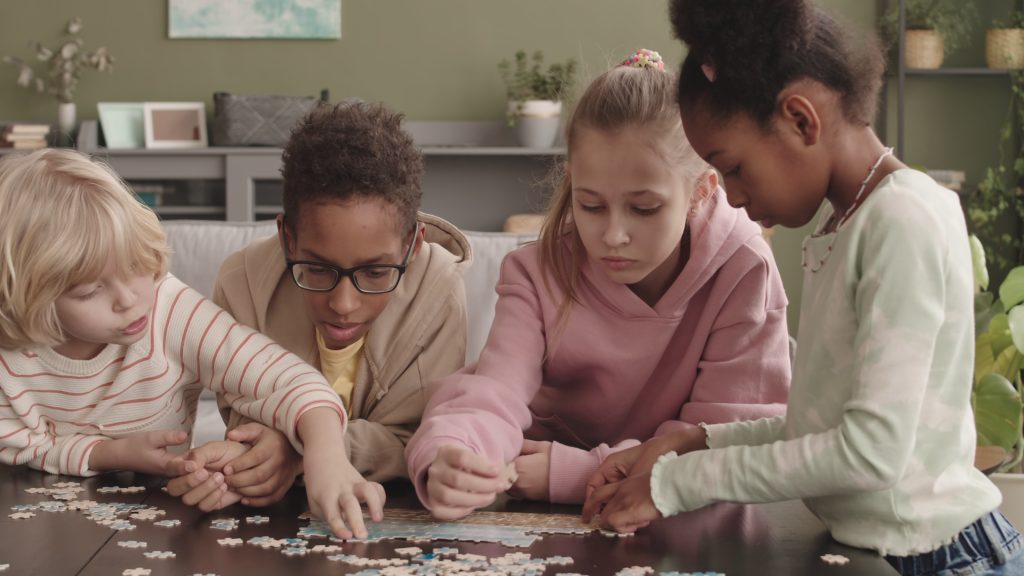
- Social Interaction: Puzzles often encourage collaborative interactions, fostering social bonds. In many Nigerian communities, families and friends often gather to share in the fun of solving puzzles, thereby reinforcing connections through shared laughter and collective challenges. Such communal experiences enhance emotional health and remind individuals that support is always at hand.
The act of assembling pieces or decoding challenging puzzles can be almost meditative. Numerous studies highlight that focused and enjoyable activities stimulate the release of endorphins—neurotransmitters that uplift mood. In Nigeria, traditional puzzle games such as “Ludo” or “Ayo” have historically been central to social gatherings, illustrating that descendants of these age-old practices continue to benefit from modern puzzle-solving activities as a source of relaxation and community bonding.
As societal conversations around mental health evolve, there is growing recognition of the importance of simple pleasures in maintaining emotional stability. Puzzles, with their engaging blend of challenge and amusement, do far more than entertain; they energize cognitive function and elevate spirits. Delving deeper into the myriad benefits of puzzles uncovers their potential as powerful interventions for fostering mental well-being, making them invaluable tools in today’s fast-paced world.
| Category | Description |
|---|---|
| Cognitive Engagement | Puzzles stimulate the brain by requiring problem-solving and critical thinking skills. |
| Emotional Benefits | Solving puzzles can lead to feelings of accomplishment and reduce anxiety through focus. |
| Social Interaction | Working on puzzles with others fosters teamwork and strengthens relationships. |
| Mindfulness | Puzzles encourage a state of flow, promoting mindfulness and helping manage stress levels. |
The benefits of engaging with puzzles extend far beyond mere entertainment. They serve as a powerful tool for enhancing mental agility and emotional wellness. Each piece that you fit together challenges your cognitive abilities, aiding memory retention and stimulating new neural connections. Furthermore, the sense of achievement that comes from completing a puzzle can drastically improve your mood and self-esteem.Moreover, puzzles often become a social activity, providing an opportunity for shared experiences. Collaborating with friends or family to solve a puzzle not only fosters teamwork but also enhances the emotional bond between participants. As participants work together, they engage in conversations and laughter, making the process enjoyable and beneficial for relational health.Finally, taking time to focus on a puzzle can be a form of mindfulness practice. This aids in reducing stress levels and promotes a sense of calm in our often chaotic lives. The act of concentrating solely on arranging pieces allows individuals to shift attention away from daily stressors, creating a mental sanctuary.This multifaceted approach to mental well-being highlights the numerous rewards that come from incorporating puzzles into our daily routines, making them a valuable addition to any wellness practice.
SEE ALSO: Click here to read another article
Unlocking Cognitive Benefits through Puzzles
As the complexities of modern life increase, so does the necessity for tools that nurture mental well-being. Puzzles serve not only as a radiant light in the fog of daily stress but also as a workout for the brain. Engaging in puzzle-solving activates various cognitive processes, aiding in memory enhancement and problem-solving skills. In a Nigerian context, where education and skill development play pivotal roles, utilizing puzzles as a learning tool can yield substantial benefits for children and adults alike.
Recent studies indicate that regularly engaging in puzzles can enhance cognitive flexibility, allowing individuals to switch between tasks more effectively. This flexibility is essential for thriving in today’s fast-paced environments. For instance, solving logic puzzles or mathematical riddles can enhance analytical thinking, which is crucial not only for students grappling with academic challenges but also for professionals in any field. The ability to think critically and adapt rapidly often correlates with reduced stress, as individuals feel more equipped to handle unexpected demands.
- Memory Improvement: Various types of puzzles, such as memory games and word searches, can lead to better retention of information. For example, schoolchildren in a classroom in Abuja can benefit from crosswords that enrich their vocabulary while simultaneously sharpening their memory skills. Engaging in such playful learning often translates into a more profound understanding of subjects.
- Boosting Concentration: Regularly working on puzzles helps individuals develop the capacity to concentrate for more extended periods. In a world saturated with distractions, a puzzle requires focused attention, training the mind to maintain concentration, which can also transfer to other daily tasks. This skill enhances productivity at work, allowing for a clearer and more composed mindset.
- Promoting Mindfulness: The intricate nature of puzzles fosters a state of mindfulness. Dedicating time to solving a puzzle encourages individuals to immerse themselves fully in the present moment, which can have restorative effects on mental well-being. This practice of mindfulness can lead to reduced stress levels and heightened emotional resilience.
Puzzles also serve as an excellent stress management technique that can be seamlessly incorporated into daily routines. During breaks at work, individuals can engage in brief puzzle sessions, refreshing their minds away from work-related pressures. Research shows that taking regular mental breaks improves overall productivity and job satisfaction, contributing to higher levels of well-being.
Moreover, the advent of digital puzzles has expanded accessibility, making them available to a broader audience. Mobile applications and online platforms offer a spectrum of puzzle-related games that individuals can easily access on their smartphones. This adaptability is particularly relevant in Nigeria’s urban centers, where commuting can often be lengthy and tedious. By utilizing puzzles during travel, individuals can reframe the narrative of their daily commute into a productive and stress-relieving experience.
The transformative nature of puzzles resonates strongly in Nigeria’s cultural fabric, reflecting both tradition and modernity. Embracing this age-old practice in conjunction with contemporary approaches allows individuals to navigate their mental landscapes more adeptly, making puzzles an indispensable ally in promoting mental well-being and alleviating stress.
SEE ALSO: Click here to read another article
Conclusion: Embracing Puzzles for a Healthier Mind
In an era where stress and mental fatigue are prevalent, puzzles emerge as a simple yet powerful tool for promoting mental well-being and providing stress relief. Engaging in various types of puzzles—whether they are crossword challenges, logic games, or memory exercises—develops essential cognitive abilities while reinforcing our capacity for concentration and mindfulness. As we have explored, the act of puzzling not only fosters critical thinking and problem-solving skills but also serves as a delightful escape from the pressures of everyday life.
Cultural contexts, such as those found in Nigeria, reveal the multifaceted role puzzles can play in education and personal development. Through interactive and engaging formats, puzzles create unique opportunities for learning and enhancing social connections, particularly in community settings. Furthermore, the accessibility of digital puzzle platforms has made these mental exercises available to a broader demographic, transforming mundane routines into opportunities for mental engagement, particularly during commutes on bustling city roads.
As we move forward, embracing the therapeutic potential of puzzles becomes paramount. By incorporating short puzzle sessions into our daily lives, we equip ourselves with tools to navigate the mental challenges of modern living, build resilience, and ultimately cultivate a more fulfilled and balanced mind. In nurturing our minds with the joy and challenge of puzzles, we pave the way for improved mental health and a renewed sense of well-being. So, why not pick up a puzzle today and unlock the myriad benefits it has to offer?

Linda Carter
Linda Carter is a writer and puzzle expert specializing in mind games, brain teasers, and cognitive challenges. With extensive experience helping individuals enhance their problem-solving skills and think critically, Linda shares her knowledge on our platform. Her goal is to empower readers with practical advice, engaging puzzles, and strategies to sharpen their minds and achieve success in the captivating world of mind games and puzzles.