How Board Games Boost Strategic Thinking Skills Effectively
In an age dominated by digital entertainment, board games have made a remarkable resurgence, proving that the analog experience still holds significant value. These games not only foster social interactions but also serve as a powerful tool for enhancing strategic thinking skills. Engaging in board games requires players to plan, anticipate opponents’ moves, and make calculated decisions, all of which contribute to cognitive development.
Several key aspects make board games particularly effective in honing strategic skills:
- Complex Decision-Making: Players must evaluate multiple factors before making a move.
- Resource Management: Games often require the efficient allocation of limited resources.
- Long-Term Planning: Success depends on foreseeing future moves and developing winning strategies.
As we delve deeper into the world of board games, this article will reveal the Top 5 games that exemplify these qualities, providing a comprehensive guide to boost your strategic thinking skills through engaging play. Stay tuned to discover how these classic and modern games can transform your approach to strategy, both on and off the board.
CHECK OUT: Click here to explore more
Top 5: The Role of Board Games in Promoting Strategic Thinking
Board games have been a cherished pastime for centuries, known not only for their entertainment value but also for their ability to develop cognitive and strategic skills. Far beyond the mere act of rolling dice or moving pieces, these games serve as a dynamic tool for enhancing strategic thinking. This article delves into the top five ways in which board games facilitate the advancement of strategic thought processes, highlighting how this ancient form of entertainment continues to enrich modern cognitive development.
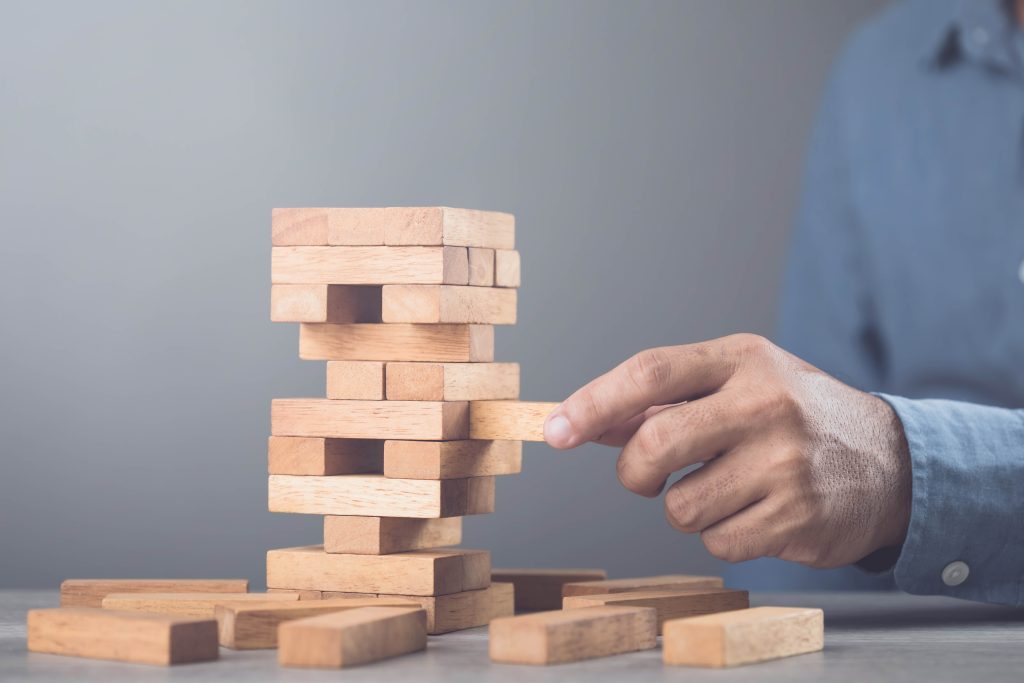
5. Fostering Patience and Long-term Thinking
One of the pivotal skills that board games nurture is the ability to think long-term. Most games require players to develop plans that span multiple turns. This necessity to plan ahead engrains a deeper understanding of cause and effect relationships, as choices made early in a game can have a cascading effect on later outcomes. Games like chess, for example, require anticipating an opponent’s moves several turns in advance, honing a player’s foresight and future planning abilities.
Furthermore, board games instill a sense of patience, teaching players that impulsive decisions are often detrimental. Through repeated play, individuals refine their strategic abilities while cultivating resilience against the desire for instant gratification. This shift in mindset promotes a planning-oriented perspective that is crucial in a myriad of real-life scenarios, such as managing personal finances or executing long-term projects.
- Improved foresight: Players learn to discern potential future scenarios, enhancing their planning skills.
- Understanding of consequences: Each decision has an outcome, teaching the importance of considering all possible effects.
- Increased resilience: Developing the stamina to wait for success rather than seeking immediate rewards.
4. Engaging in Collaborative and Competitive Dynamics
The dual nature of board games often incorporates both competitive dynamics and collaborative teamwork. In fiercely competitive games, players must engage in deep analytical thinking to outwit their opponents. This competition encourages players to constantly evaluate their strategies, predict competitors’ moves, and adapt accordingly. Such skills are indispensable in real-world scenarios like business negotiations and sports strategy development.
Conversely, many board games foster cooperative strategies, requiring players to work as a team. Games like Pandemic or Forbidden Island demand synchronization and joint decision-making. These cooperative elements enhance communication skills and cultivate effective collaboration, as players must articulate their strategies clearly and listen to teammates. These skills are highly transferable to professional environments that emphasize teamwork and collaborative problem-solving.
- Enhanced analytical skills: Players dissect complex situations to choose the best strategic path forward.
- Ability to adapt: Quick adaptation to changing circumstances improves flexibility and responsiveness.
- Improved communication and teamwork: Cooperative games foster collaborative interaction and shared goal achievement.
3. Instilling Rule-Based Thinking
Board games are governed by structured rules and guidelines, mandating that players navigate their strategies within these parameters. This experience hones players’ ability to operate within established constraints, a vital skill in both personal and professional spheres. Learning to strategize under specific rules enhances one’s capacity to work effectively within formal structures, be it organizational policies or societal regulations.
Moreover, playing board games nurtures a respect for structure and discipline. Understanding and abiding by game rules also help players develop a disciplined mindset, crucial for making calculated decisions in situations bound by limitations. Whether it’s project management or personal goal setting, this structured approach is invaluable.
- Respect for structure: Learning to navigate within fixed guidelines enhances organizational skills.
- Evaluation of options: Analyzing different paths within constraints improves decision-making abilities.
- Improved decision-making: Strategic planning within a set framework results in better-informed choices.
2. Emphasizing Risk Assessment and Management
Risk assessment is pivotal in strategic thinking, and board games provide an ideal platform for practicing this skill. Many games require players to take calculated risks, often balancing potential rewards against possible setbacks. This dynamic engages players in assessing various probabilities and outcomes, developing a keen sense of risk management.
Through these experiences, players become more proficient at assessing risks in everyday life, improving their decision-making capabilities under pressure. This trait is particularly beneficial in fields such as investment and entrepreneurship, where risk management is integral to success. Additionally, experiencing failure in a safe game environment teaches resilience, allowing individuals to learn from their mistakes and strategize better in the future.
- Understanding potential rewards: Players learn to weigh benefits against risks carefully.
- Learning from failure: Safe environments for trial and error enhance resilience and growth.
- Improved decision-making under pressure: Quick thinking and decisive action become refined through practice.
1. Enhancing Critical and Creative Thinking Skills
At the pinnacle of board games’ contributions is the enhancement of both critical and creative thinking skills. Players engage in comprehensive analysis, weighing all available options, and crafting innovative solutions to overcome challenges. This engagement stimulates both critical and creative faculties, allowing players to develop unorthodox strategies and think creatively.
This melding of tactical and creative thinking nurtures a well-rounded cognitive approach, applicable far beyond the gaming table. It encourages the application of analytical skills to societal issues, business challenges, and personal relationships. As players continue to build these mental capacities, they become better equipped to tackle complex problems in an increasingly fast-paced world.
- Encouragement of innovation: Creative problem-solving leads to unique strategies and breakthroughs.
- Balanced cognitive skills development: The blend of analytical and creative thought results in well-rounded intellect.
- Expanded strategic outlook: An enriched perspective on solving complex problems beyond the gaming context.
In conclusion, board games, while entertaining, serve an essential role in cultivating various aspects of strategic thinking. From fostering patience and enhancing communication skills to instilling rule-based discipline and honing critical and creative thinking, these games provide valuable lessons that translate into real-world success. Through the playful yet intellectually rigorous environment of board games, individuals find a path to personal growth and strategic proficiency.
| Category | Details |
|---|---|
| Enhanced Problem-Solving Skills | Board games challenge players to think critically and devise solutions to complex problems, often under time pressure. Through gameplay, individuals learn to assess situations, weigh options, and make decisions that can lead to victory or defeat. |
| Development of Strategic Thinking | Many board games require players to plan several moves ahead, anticipating their opponents’ responses. This practice helps cultivate a multifaceted approach to strategy, allowing players to adapt and refine their tactics in real-time. |
| Social Interaction and Teamwork | Board games often involve multiple players, fostering collaboration and communication among teammates. This social dynamic encourages players to share ideas, negotiate strategies, and work together to accomplish shared objectives, building essential teamwork skills. |
| Understanding Resource Management | Many board games simulate resource allocation, whether it’s time, money, or personnel. Players must learn to manage these assets wisely, making choices that contribute to their overall strategy. This aspect is invaluable in teaching the importance of prioritization and effective resource management in real-life scenarios. |
RECOMMENDED: Check out this similar article
Frequently Asked Questions about Board Games and Strategic Thinking
How do board games contribute to the development of strategic thinking?
Board games are often designed with mechanics that require players to engage in decision-making, problem-solving, and critical analysis. These aspects encourage players to think ahead, anticipate opponents’ moves, and adjust strategies accordingly. By offering scenarios where multiple outcomes are possible, board games help in honing strategic planning and forethought in a fun and interactive environment.
Can playing board games improve cognitive abilities in adults?
Yes, playing board games can indeed improve cognitive abilities in adults. Studies have shown that games involving strategy and memory can enhance cognitive flexibility, memory retention, and problem-solving skills. Engaging regularly in strategic games helps to keep the mind active and increases an individual’s ability to process complex tasks, making it an excellent activity for mental agility maintenance.
Are there specific types of board games that are better at promoting strategic thinking?
While many board games can promote strategic thinking, some are particularly well-suited for this purpose. Classic strategy games like Chess, Go, and Risk are renowned for requiring intense concentration and forward planning. Modern games such as Settlers of Catan and Ticket to Ride also incorporate strategic elements such as resource management and tactical decision-making, which effectively stimulate strategic proficiency.
Is strategic thinking developed through board games applicable to real-life situations?
Absolutely, the strategic thinking skills developed through board games can translate directly into real-life situations. Skills such as resource allocation, long-term planning, and predictive analysis are applicable in various real-life contexts, including professional and personal scenarios. Individuals who engage regularly in board games often demonstrate a heightened ability to assess risks, make informed decisions, and adapt to changing circumstances in the real world.
ADDITIONAL INSIGHTS: Expand your understanding here
Conclusion: The Strategic Edge of Board Games
Board games have evolved beyond simple entertainment to become powerful tools in promoting strategic thinking. Throughout this article, we have explored how these games foster essential skills such as decision-making, problem-solving, and forward-thinking. By engaging players in complex scenarios and requiring them to anticipate opponents’ moves, these games stimulate cognitive functions and enhance mental acuity.
One of the key takeaways is the diversity of board games available, ranging from traditional classics to modern innovations, each offering unique challenges and learning opportunities. Games such as chess and Go are renowned for their strategic depth, while newer games like Settlers of Catan introduce players to economic planning and resource management.
Research has shown that regular participation in strategic board games can lead to improved academic performance, increased patience, and better social skills. This is due to the demanding nature of these games, which often necessitate collaboration, negotiation, and adaptability. As such, they serve as effective educational tools in both informal and formal settings.
Leading the Mind to New Challenges
It is evident that the role of board games extends far beyond fun; they are a gateway to strengthening our mental faculties and preparing us for real-world challenges. As society becomes increasingly complex, the ability to think strategically becomes even more crucial. Therefore, integrating board games into educational curricula and everyday life provides a constructive means of nurturing these vital skills.
As we continue to explore the benefits and impacts of mind games and puzzles, we encourage readers to delve deeper into this fascinating intersection of leisure and learning. Whether as a casual pastime or a serious hobby, board games offer a realm of possibilities that stimulate both the mind and the senses, inviting us to strategize our way to intellectual growth.

Linda Carter
Linda Carter is a writer and puzzle expert specializing in mind games, brain teasers, and cognitive challenges. With extensive experience helping individuals enhance their problem-solving skills and think critically, Linda shares her knowledge on our platform. Her goal is to empower readers with practical advice, engaging puzzles, and strategies to sharpen their minds and achieve success in the captivating world of mind games and puzzles.