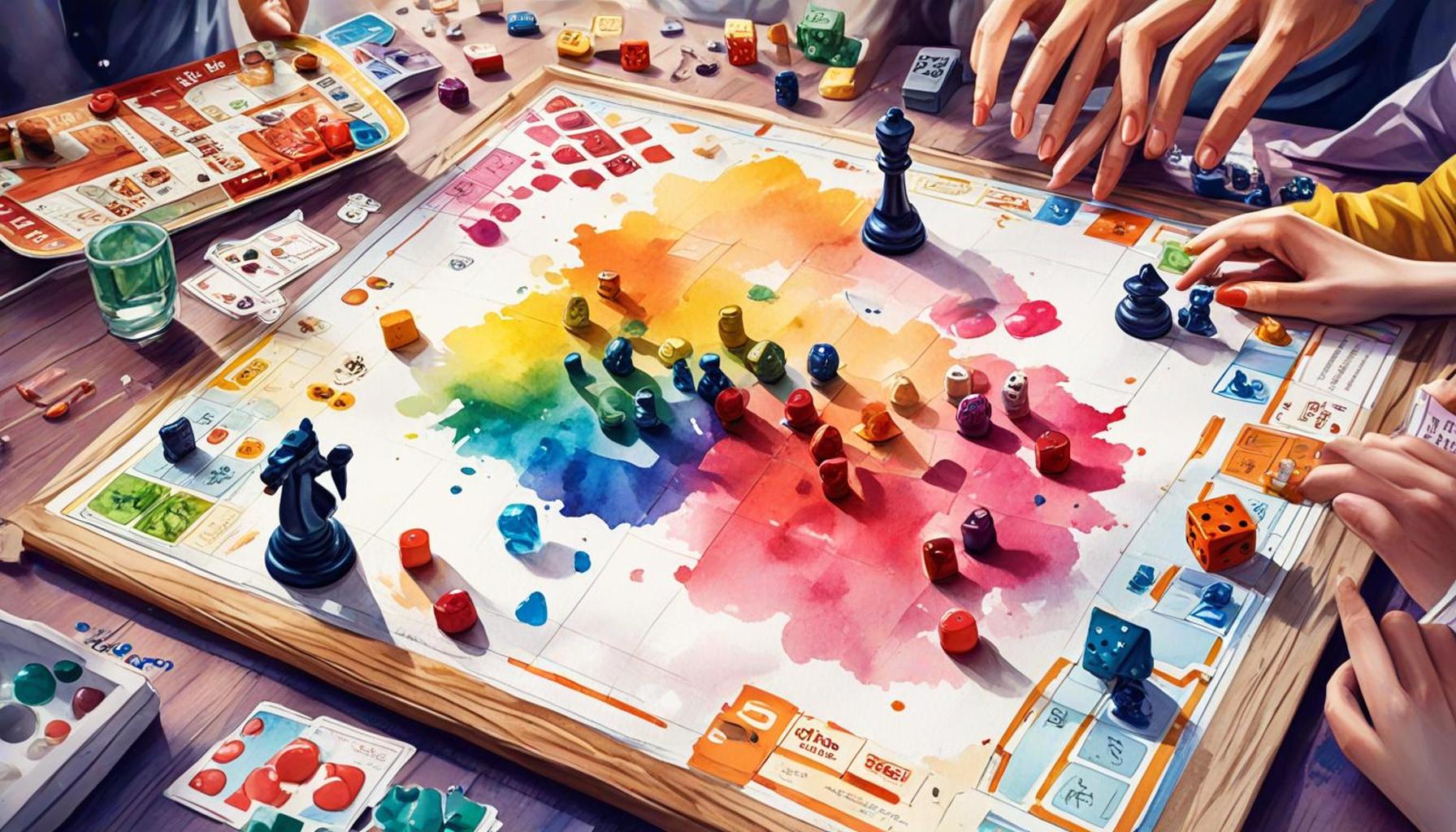
The Influence of Board Games on Strategic Thinking: Learning from the Classics
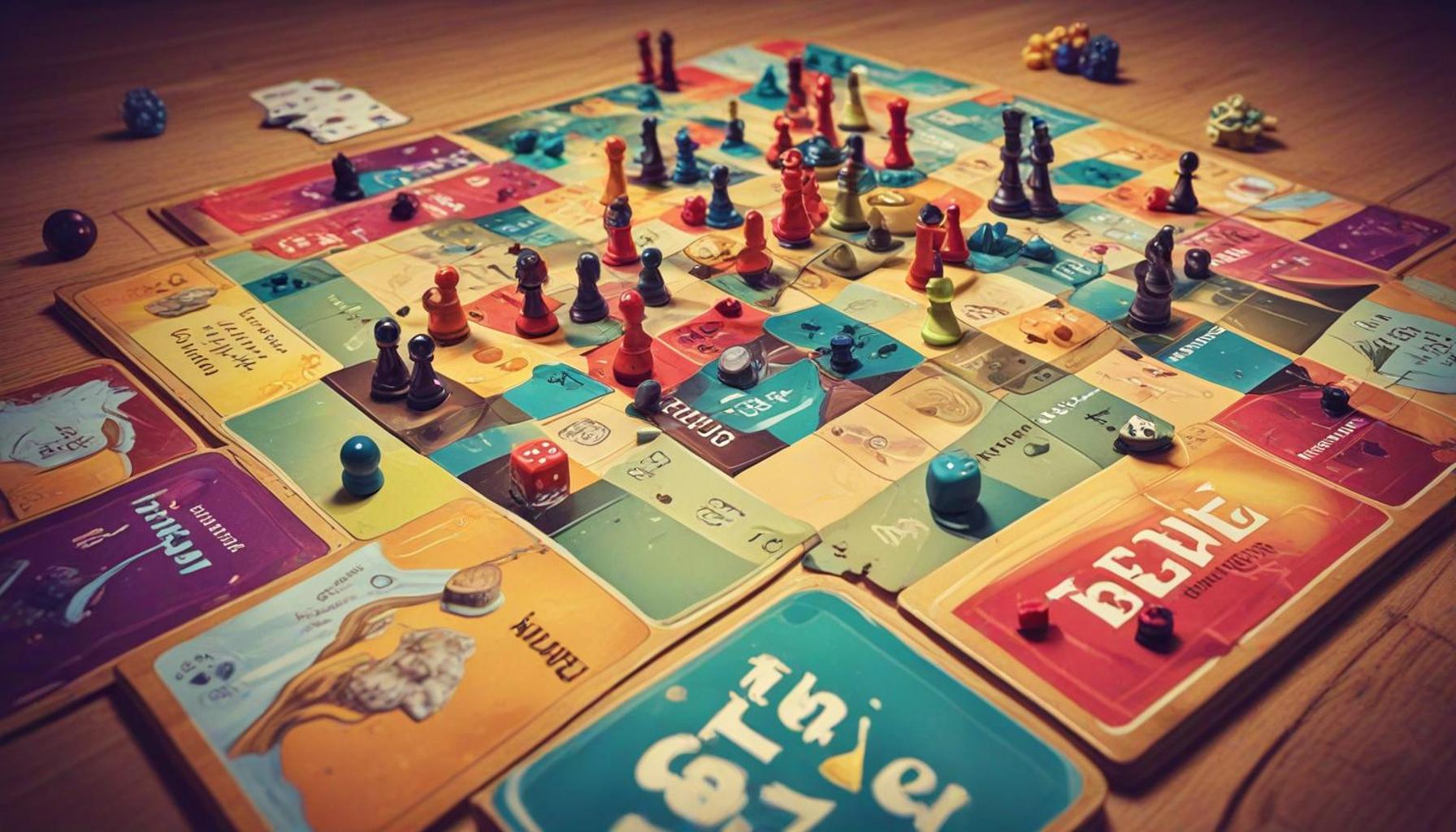
Exploring the Depths of Board Games
Board games have long engaged players with their blend of creativity, strategy, and social interaction. They are not merely a source of entertainment; they are instrumental in fostering strategic thinking skills that have real-world applications. In Nigeria, traditional board games like Damii and Ludu are embedded in social gatherings, often serving as a medium for connection, storytelling, and cultural exchange.
These games transcend their roles as pastimes, representing a treasure trove of communal knowledge and life lessons. For instance, the game Damii, played on a wooden board, requires players to engage in a mental duel, fostering a spirit of strategic competitiveness. Similarly, Ludu combines elements of luck and strategy, inviting players to race their pieces to the finish while navigating the challenges posed by their opponents. The cognitive benefits of these traditional games include:
- Critical Thinking: Players must analyze the moves and intentions of their opponents while considering different outcomes, enhancing their analytical skills.
- Decision Making: Quick, strategic thinking becomes vital, as players often operate with limited information, encouraging them to trust their instincts and knowledge.
- Problem Solving: The challenges presented during gameplay require players to devise creative solutions, thereby honing their ability to troubleshoot effectively.
The Lessons from Classic Strategy Games
Beyond the traditional Nigerian games, classics like Chess and Go provide a deeper exploration of strategy and foresight. These games present players with the opportunity to master skills that extend well into daily life. Players of Chess develop an understanding of long-term planning, as they must think several moves ahead and anticipate their opponent’s strategy. Similarly, Go emphasizes resource management through carefully controlled territory, compelling players to allocate their pieces wisely under pressure.
The lessons gained from these games translate seamlessly into personal and professional growth. For example, an individual who excels in long-term planning during gameplay adapts this skill when managing projects at work, considering potential obstacles and outcomes. Resource management taught through these games can apply to real-life situations, such as budgeting finances or managing time efficiently. Additionally, players learn to be adaptable, fine-tuning their strategies based on changing circumstances and opponents’ actions—a skill invaluable in today’s fast-paced world.
Thus, engaging with board games is not only about enjoyment; it’s a multifaceted experience that sharpens one’s ability to navigate life’s complexities. This article aims to delve into the profound influence of these games, illustrating how they nurture strategic thinking that empowers players beyond the scope of the game board. Whether playing Damii, Ludu, or enduring classics like Chess and Go, players cultivate a strategic acumen that echoes in every aspect of life, inviting readers to explore this fascinating intersection of culture and cognitive development.

YOU MAY ALSO LIKE: Read read another article
Unpacking Strategic Skills Through Gameplay
Board games act as a microcosm of life’s strategic challenges, forcing players to navigate complex landscapes where emotions and tactics intermingle. They offer an essential framework for examining the cognitive processes that underpin strategic thinking. This is particularly evident in Nigerian traditional games like Damii and Ludu, which serve not only to entertain but also to teach valuable strategic skills embedded in their gameplay mechanics.
The tactical decisions players must make while engaging in these games have far-reaching implications. For instance, the game of Damii emphasizes the importance of foresight and planning. As players contend with the moves of their opponents, they decode patterns and devise counter-strategies, sharpening their ability to anticipate future possibilities. This dynamic aligns with fundamental elements of strategic decision-making, where understanding your opponent’s tactics can make a significant difference between victory and defeat.
Similarly, Ludu exemplifies the blend of chance and strategy. While dice rolls introduce an element of unpredictability, a player’s ability to adapt their strategy based on the outcomes can lead to more favorable positions on the board. Such adaptability is critical, not just in games, but also in real-life scenarios, where circumstances can change unexpectedly, demanding a flexible mindset.
- Social Interaction: Board games often require players to engage with others, promoting collaboration and competitive spirit while fostering essential communication skills. This social dynamic enhances emotional intelligence and empathy, which are vital for strategic thinking.
- Risk Assessment: Every move in these games comes with inherent risks. Players must evaluate potential gains against possible losses, honing their judgment and ability to take calculated risks in various aspects of life.
- Long-term Vision: Mastering strategy involves a long-term vision, where players must consider their immediate moves within the context of ultimate goals. This concept translates beyond the game board to project management and personal ambitions.
Moreover, the enduring classics like Chess and Go push the envelope further. Chess requires players to think not just one move ahead but several, cultivating a mindset that values patience and strategy. The game’s depth is such that a single misstep can lead to swift defeat, emphasizing the importance of precise planning and thinking on your feet.
Go, steeped in centuries of history, compels players to think spatially and strategically about territory and influence. This game champions the significance of tactical positioning, teaching vital lessons about resource management and the impact of seemingly small decisions within a broader context. As players continually adjust their approach according to their opponent’s strategies, they learn the value of introspection and adaptability.
In essence, the immersive experience offered by board games like Damii, Ludu, Chess, and Go shapes the lens through which players view challenges in their daily lives. They are laboratories for experimenting with decision-making, strategy, and emotional understanding—skills that are increasingly crucial in our fast-paced world. As we delve further into the effectiveness of these games in cultivating strategic thinking, we invite readers to recognize the unassuming power of board games as instruments of personal growth.
The Influence of Board Games on Strategic Thinking: Learning from the Classics
Board games have long been more than just a source of entertainment; they serve as a powerful tool for enhancing strategic thinking. Each classic game provides players with unique scenarios that challenge their problem-solving abilities and sharpen their tactical skills. Games like chess, go, and risk exemplify how strategic foresight and planning can lead to victory. Players must anticipate their opponents’ moves, weigh risks against potential rewards, and adapt their strategies on-the-fly, providing invaluable life lessons that transcend the gaming table.
The implications of engaging with these classic board games extend into various domains, including personal development and professional environments. By navigating complex game mechanics, individuals learn to make decisions under pressure, develop patience, and recognize the importance of long-term planning. Furthermore, the social aspect of board gaming nurtures collaboration and negotiation skills, essential in today’s interconnected and competitive landscape.
| Category | Description |
|---|---|
| Cognitive Skills | Enhances critical thinking and problem-solving capabilities. |
| Social Interaction | Facilitates interaction, promoting teamwork and communication. |
| Strategic Planning | Teaches the importance of foreseeing consequences and making calculated choices. |
| Resilience | Encourages players to learn from mistakes and persist through challenges. |
Engaging with these games can significantly enrich one’s cognitive repertoire and provide a meaningful context for understanding fundamental concepts in strategy and decision-making. As more individuals turn to classics for both leisure and education, their influence on enhancing strategic thinking continues to be a subject worth exploring.
CHECK OUT: Click here to explore more
The Cognitive Benefits of Board Game Engagement
In addition to developing strategic skills, board games also facilitate cognitive growth in ways that are both profound and essential for solving complex problems. Engaging in games like Chess or traditional Nigerian games like Ayo enhances critical thinking and boosts memory retention—two invaluable traits that can elevate strategic capabilities in personal and professional domains.
The game of Ayo, which involves tactics and foresight, challenges players to not only think about their own moves but also to predict those of their opponents. This aspect of prediction exercises the brain, sharpening analytical skills. Players often find themselves engaged in a mental duel where each player must assess the consequences of multiple possible moves ahead of time, thus enhancing their ability to evaluate options with greater precision. As players master Ayo, they also cultivate an analytical mindset, capable of breaking down complex problems into manageable parts—an essential skill in business environments.
The psychological impact of board games extends beyond the mere mechanics of gameplay; they also promote resilience. For instance, the exposure to defeat and the learning experience that follows encourages a growth mindset. Losses in these games compel players to reflect on their strategies, reviewing what went wrong and how decisions could have changed the outcome. This iterative process of learning fosters a sense of perseverance that is critical for overcoming hurdles, whether in board games or in real-life challenges.
- Cognitive Flexibility: As players transition from one game strategy to another, they develop cognitive flexibility—an ability that is crucial for adapting to dynamic environments. This is especially relevant in Nigeria’s evolving business landscape, where adaptability is vital for corporate success.
- Pattern Recognition: Many board games, especially strategy-based ones, encourage players to recognize patterns that emerge during gameplay. The ability to identify trends is not just handy for winning games but is also applicable to market analysis, signaling potential opportunities or risks.
- Attention to Detail: The need to closely monitor the board and recognize subtle shifts in gameplay enhances attention to detail. This skill proves critical in fields such as finance, where even minor oversights can lead to significant losses.
Moreover, classical games like Risk and Settlers of Catan showcase the strategic advantages of negotiation and resource management. In Risk, players learn the importance of diplomacy and forming temporary alliances, which can pivot the course of gameplay. This social maneuvering mirrors real-world negotiation scenarios, such as business deals and conflict resolution, underlining the essential need for soft skills in strategic thinking.
Settlers of Catan introduces players to resource allocation and trade dynamics. The careful management of resources in this game teaches valuable lessons about supply chain logistics, adaptability, and the necessity of foresight in planning. As players navigate the twists and turns of acquiring resources and negotiating trades, they gain firsthand experience that is directly transferrable to managing projects or running businesses effectively.
The enduring impact of these classic board games suggests that cultivating strategic thinking is a process intricately woven into engaging gameplay. As the world increasingly shifts towards valuing creative problem-solving and innovation, board games remain invaluable tools for nurturing the strategic thinkers of tomorrow—especially in Nigeria, where cultural narratives and traditional games provide a rich ground for learning and development.
YOU MAY ALSO LIKE: Read read another article
Conclusion: Unleashing the Strategist Within
As we have explored, the influence of board games on strategic thinking extends far beyond mere entertainment; they serve as profound instructional tools that shape cognitive development and improve decision-making skills. Classic games like Chess, Ayo, Risk, and Settlers of Catan not only engage players in intricate strategies but also cultivate essential skills such as cognitive flexibility, pattern recognition, and resilience. Each move on the board becomes a gateway to understanding complex systems, whether in business, personal development, or interpersonal negotiations.
The lessons learned from the friendly competition of board games resonate with the challenges faced in today’s fast-paced world, particularly in the Nigerian context where adaptability and strategic foresight are increasingly vital. As players immerse themselves in the nuances of gameplay, they are unknowingly honing abilities that will benefit their professional and personal lives, fostering a generation well-equipped to confront the unpredictable landscape of modern challenges.
In conclusion, the renaissance of board gaming—especially traditional games with rich cultural significance—offers an exciting opportunity to nurture strategic thinkers of tomorrow. By embracing these classic games, whether in homes, schools, or community centers, we are revitalizing ancient wisdom and adapting it for contemporary applications. The call to action is clear: engage with these games, reflect on the strategies, and unlock the potential for greater cognitive agility and innovative problem-solving within our communities.

Linda Carter
Linda Carter is a writer and puzzle expert specializing in mind games, brain teasers, and cognitive challenges. With extensive experience helping individuals enhance their problem-solving skills and think critically, Linda shares her knowledge on our platform. Her goal is to empower readers with practical advice, engaging puzzles, and strategies to sharpen their minds and achieve success in the captivating world of mind games and puzzles.