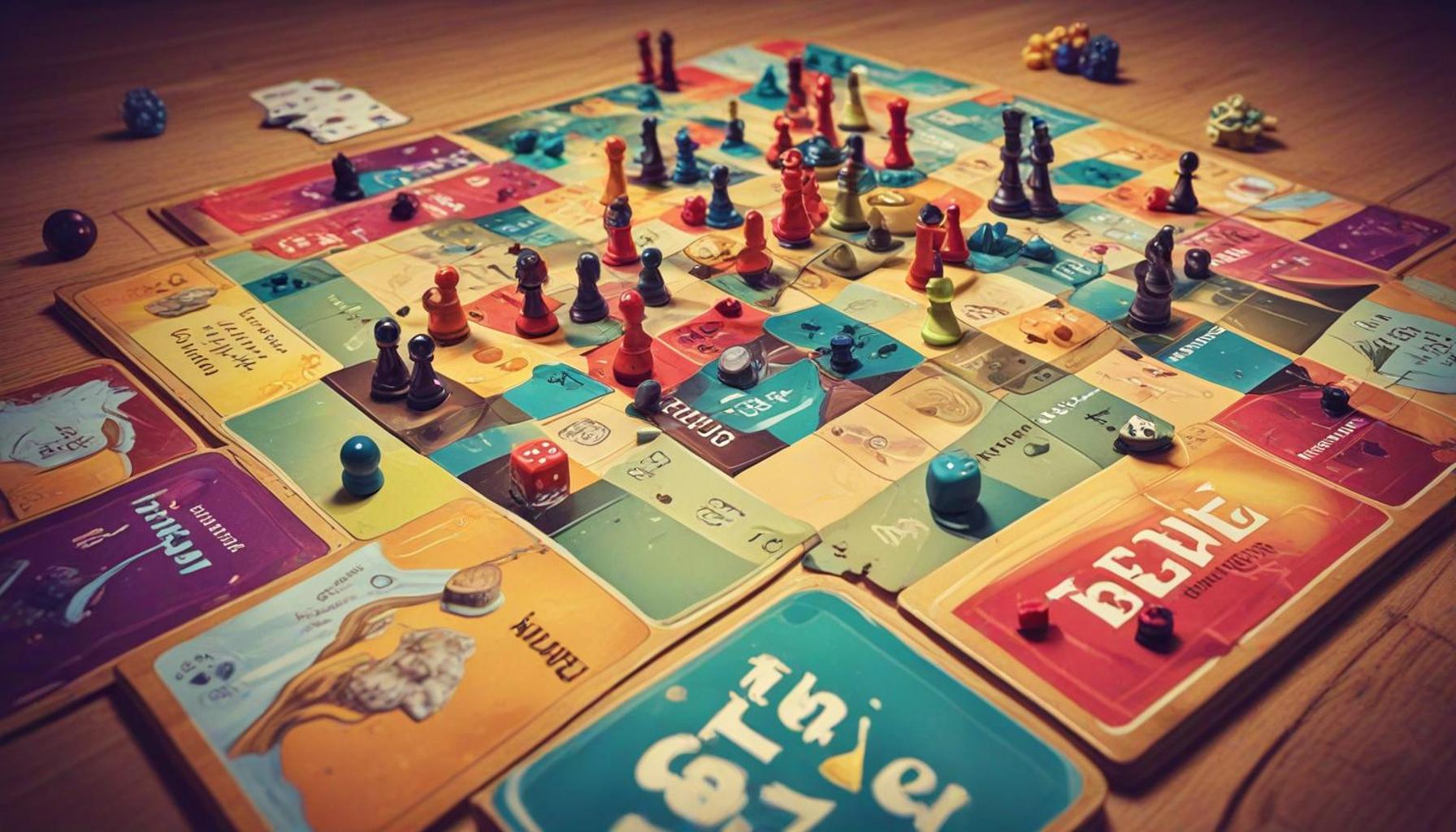
The Art of Strategic Thinking in Board Games: How to Develop Planning Skills
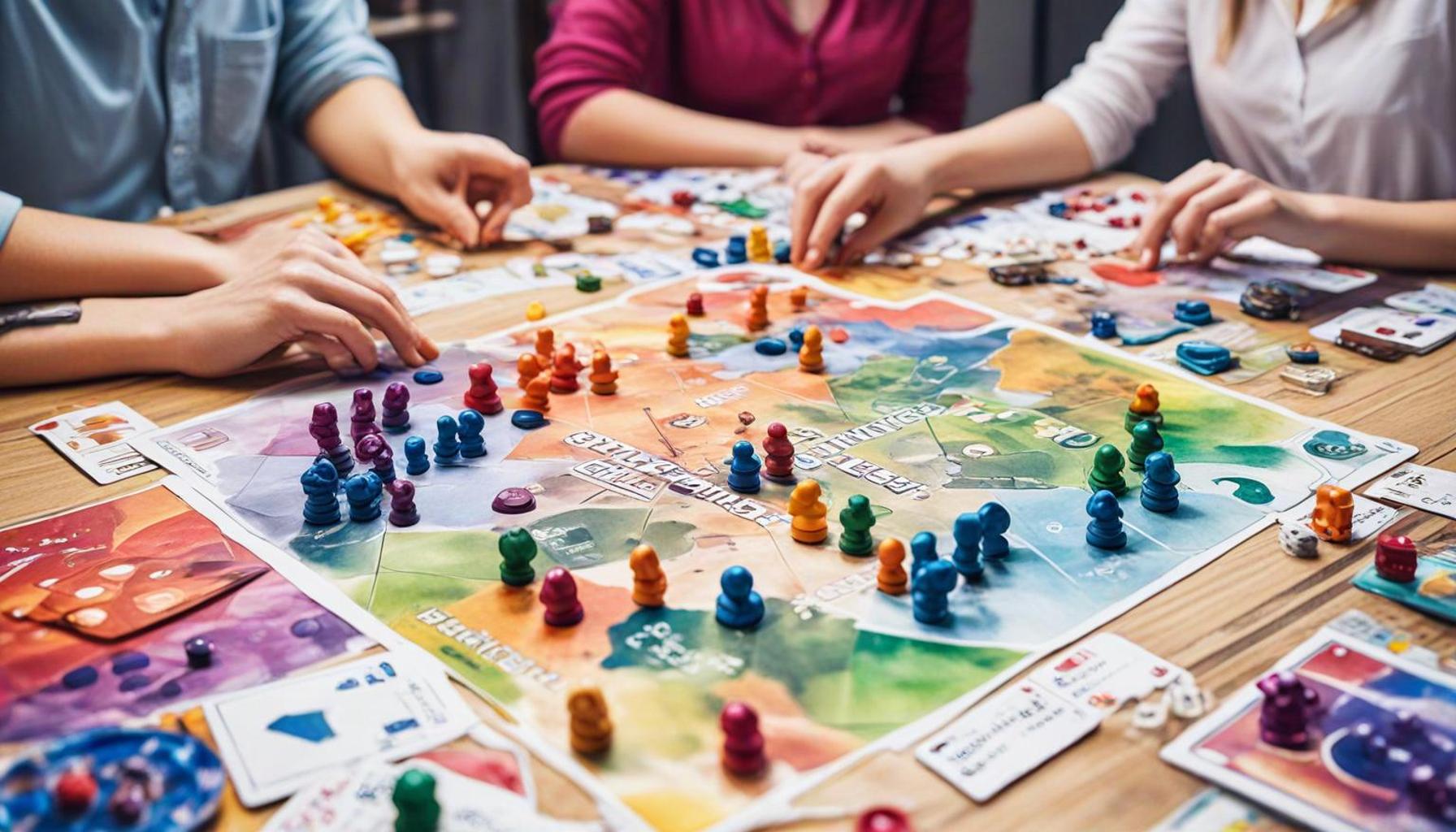
Unlocking the Secrets of Effective Planning
Board games have long been more than just a pastime; they are a gateway to developing strategic thinking and planning skills. From the classic chess battles to intricate role-playing games, every move counts. Whether you’re an experienced gamer or just starting out, the insights gained through these games can be invaluable.
Why Strategic Thinking Matters
In today’s fast-paced world, strategic thinking isn’t just an asset in games but also in life. Here are a few benefits of honing this skill through board gaming:
- Enhanced Decision-Making: Players learn to weigh options and forecast consequences. For instance, in chess, each decision impacts not only the current state of play but can also alter the overall trajectory of the game.
- Problem-Solving Skills: Complex scenarios require creative solutions. In games like Settlers of Catan, players must navigate resource management, trade negotiations, and tactical placement, which mirror real-world problem-solving situations.
- Adaptability: Strategy often requires players to shift gears based on the moves of others. In games like Pandemic, players need not only to formulate a strategy but also adjust their approach in response to teammates and emerging threats.
In Nigeria, as more families engage in board games, the potential for developing critical skills expands. Local favorites like Ludu and Dambe not only entertain but also encourage >strategic planning and forethought. In Ludu, players must think several moves ahead and predict their opponents’ strategies, teaching critical foresight and tactical planning.
Additionally, board games are becoming a popular way to strengthen family bonds and foster communication skills. As families gather around the game table, they engage in conversations and discuss strategies, thus enhancing their interpersonal skills. For example, when playing Dambe, a traditional Nigerian game, players must anticipate their opponent’s selections, which requires a keen understanding of both strategy and psychology. This interplay can lead to deeper familial relationships.
The Journey Ahead
As we dive deeper into the art of strategic thinking in board games, you’ll discover methods to enhance your planning abilities. This article will guide you through techniques that can transform your gaming experience and personal growth. From analyzing your opponent’s strategies to developing an adaptable game plan, the insights gained are not only applicable to gaming but can also be valuable in navigating challenges in everyday life.
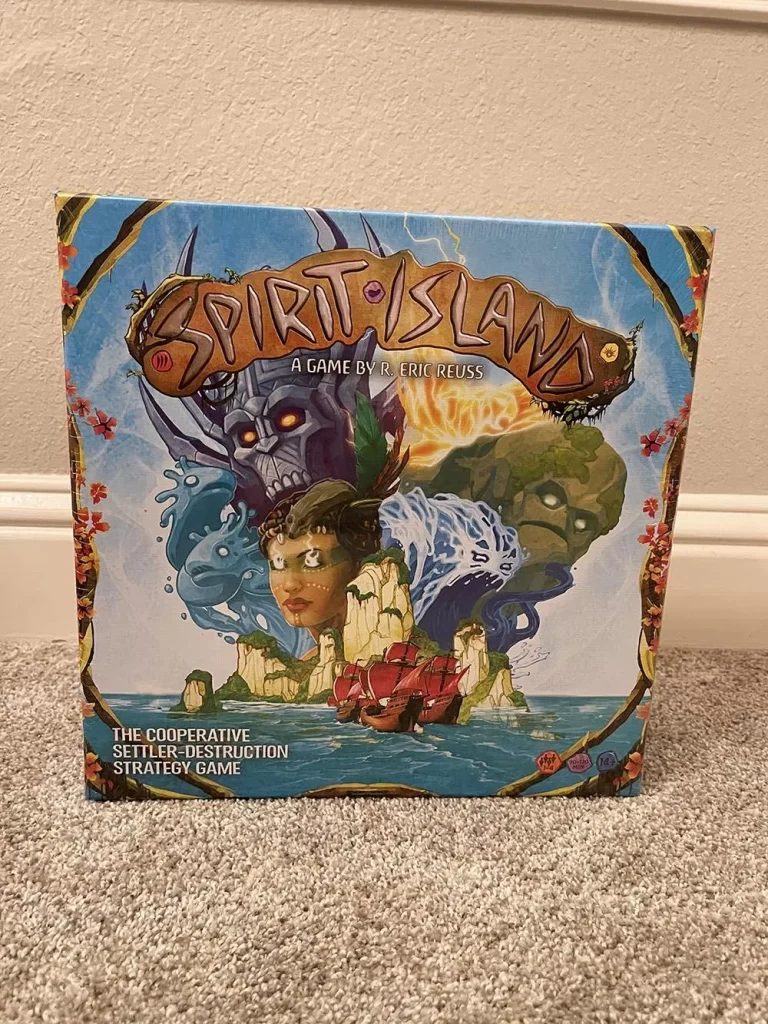
Moreover, as you explore different board games, you’ll find that each game uniquely enhances specific skills. This article will showcase games across cultures and highlight how they contribute to strategic thinking in varied contexts. Whether you’re immersed in a high-stakes game of poker or figuring out routes in Ticket to Ride, the skills acquired are bound to enrich your everyday decisions and interactions.
ADDITIONAL INSIGHTS: Expand your understanding here
Mastering the Mechanics of Strategy
To truly grasp the art of strategic thinking in board games, it is essential to understand the underlying principles that govern effective planning. Each game presents its own set of mechanics and rules that can either enhance or inhibit a player’s ability to strategize. Recognizing these nuances can turn a casual player into a formidable adversary, whether on a local board game night or in competitive settings.
Understanding Game Mechanics
The starting point for honing your strategic thinking is comprehending the specific mechanics of the games you engage in. Different games utilize varying structures that influence how players must think and adapt. Here are several mechanics to consider:
- Resource Management: Games such as Settlers of Catan challenge players to manage scarce resources effectively. Players must decide when to spend their resources and when to save them, teaching valuable lessons in opportunity cost and risk assessment.
- Turn-Based Strategy: In turn-based games like Chess, every decision counts, leading to a more calculated approach. Players take the time to plan multiple steps ahead, understanding that a single miscalculation can lead to defeat.
- Negotiation and Alliances: Some games, such as Diplomacy, revolve around forming temporary alliances and negotiating with other players. Understanding interpersonal dynamics and how to gauge trustworthiness plays a crucial role in strategic gameplay.
In Nigeria, where traditional games like Ludu and Dambe are prevalent, players often intuitively grasp these mechanics through cultural context. For example, Ludu emphasizes strategic positioning on the board to outmaneuver opponents, highlighting the importance of spatial awareness in tactical planning. Such traditional games not only foster strategic thinking but also facilitate cultural transmission, allowing players to inherit strategic wisdom that transcends generations.
Developing a Strategic Mindset
To enhance your planning skills through board games, it is crucial to cultivate a strategic mindset. Here are some key strategies:
- Analyze Your Opponent: Pay close attention to the strategies employed by your opponents. Understanding their thought processes and move patterns can give you a competitive edge.
- Reflect on Your Play: After each game, take time to reflect on your performance. Identify what worked, what didn’t, and how you might improve your strategy next time.
- Practice Patience: Strategic thinking requires time and consideration. Avoid rash decisions, and allow yourself to contemplate various outcomes before making a move.
By internalizing these approaches, players can foster a strategic thinking mindset that extends beyond the game board. Such skills not only enhance gaming sessions but also shape decision-making processes in everyday scenarios, from professional environments to personal relationships.
As we continue exploring the rich landscape of board games, remember that each game is an opportunity to practice and refine your strategic skills. By understanding mechanics, developing a strategic mindset, and reflecting on your experiences, you will be well on your way to mastering the art of strategic thinking.
The Art of Strategic Thinking in Board Games: How to Develop Planning Skills
Building on the principles of strategic thinking, it’s essential to highlight how engaging in board games not only fosters cognitive skills but also enhances social interactions. Board games are a dynamic arena where players must anticipate moves, weigh risks, and develop detailed plans. This blend inevitably sharpens critical thinking abilities.
A key aspect of mastering strategic thinking lies in long-term planning. Players learn to foresee outcomes of their decisions while adapting their strategies in response to opponents’ actions. For instance, games such as Chess and Settlers of Catan require players to adapt, predict, and make choices that reflect a deep understanding of the game’s mechanics and the opponents’ psychology.
Moreover, collaboration and teamwork often play a significant role in various board games. Titles that allow for team play encourage communication and negotiation skills. These components help players develop adaptable planning strategies. By engaging in discussions about tactics and potential maneuvers, players can explore diverse approaches to problem-solving, further enriching their strategic capabilities.
As gamers delve deeper into complex scenarios presented by modern board games, they ignite their creativity. Thus, strategic thinking becomes not just a skill but a positive mindset. Embracing this mindset can lead to innovative solutions, both in-game and in real-life scenarios.
| Category of Advantages | Description |
|---|---|
| Cognitive Development | Enhances critical thinking and problem-solving skills through strategic gameplay. |
| Social Skills | Fosters communication, negotiation, and collaborative planning abilities among players. |
In conclusion, engaging with board games opens up a myriad of opportunities for young minds to thrive in planning and strategy development. The benefits extend beyond the gaming table, paving the way for enhanced life skills applicable in numerous contexts, from personal relationships to professional environments. Embracing board games as a tool for learning can spark a passion for strategic thinking that lasts a lifetime.
CHECK OUT: Click here to explore more
Crafting Effective Strategies: Learning Through Play
Developing planning skills in board games is not merely about adapting to the mechanics; it also involves crafting a well-rounded strategy that encompasses foresight and adaptability. As players immerse themselves in various board games, they naturally begin to hone their capabilities in creating effective tactical approaches. This phase of strategic thinking is essential for anyone looking to enhance their decision-making abilities both on and off the board.
Scenario-Based Thinking
One of the keys to effective strategic thinking is the ability to create and evaluate multiple scenarios. In games such as Ticket to Ride, where players must claim routes and complete objectives, successful players often visualize potential future moves. The process of scenario-based thinking involves imagining the consequences of your actions, as well as the reactions of your opponents. Questions to consider include:
- What are my opponents likely to do next?
- How will my current decisions impact my long-term goals?
- What alternate routes can I take if my initial plan fails?
This ability to foresee different outcomes aids players in prioritizing their moves and responding dynamically to changing circumstances. In Nigeria, local games like Okwe, where players create lines while anticipating their opponents’ next moves, embody this intuitive scenario-based strategy—highlighting how effective foresight can lead to victory.
Adaptability in Strategy
Another vital aspect of strategic thinking is resilience and adaptability. A rigid plan can lead to failure, particularly in games that require quick thinking and the ability to pivot. Taking inspiration from complex games like Risk, players must frequently adjust their strategies based on opponents’ actions and the unpredictable nature of dice rolls. To nurture adaptability:
- Be observant: Pay attention to the shifts in the game’s dynamics, such as alliances forming or resources changing hands.
- Be flexible: Ready to alter your strategy if the situation demands a different approach. This may mean changing your target or reevaluating your risk appetite.
- Identify patterns: Often, there are recognizable trends in players’ behaviors. Adapting your strategy based on these patterns can inform your next moves.
Players who master the art of adaptability can engage in a richer game experience—one that mirrors life’s unpredictability. Drawing similarities from Nigerian folktales, where characters frequently face unexpected challenges, board game dynamics can similarly teach players to remain agile in their thinking.
Collaboration and Team Dynamics
In addition to individual skills, it is crucial to recognize the importance of teamwork and collaboration in board games that allow group play, such as Pandemic. Developing collaborative strategies encourages players to engage in open discussions about each player’s strengths and weaknesses. Here’s how to foster collaborative strategy:
- Communicate effectively: Share thoughts and ideas clearly with teammates, ensuring everyone is on the same page.
- Utilize everyone’s strengths: Each player may have unique skills that contribute to the common objective; identify and deploy them effectively.
- Be willing to compromise: Strategy often involves trade-offs. Understanding the value of compromise can lead to greater success as a team.
Through such collaborative experiences, players not only strengthen their strategic acumen but also cultivate essential interpersonal skills, preparing them for teamwork in various aspects of life beyond the game. By integrating these techniques, players can embark on a journey of strategic mastery, one game at a time.
ADDITIONAL INSIGHTS: Expand your understanding here
Conclusion: The Path to Strategic Mastery
In summary, mastering strategic thinking through board games offers valuable lessons in planning skills that extend far beyond the boundaries of the game board. Engaging in various board games not only enhances players’ foresight and adaptability but also fine-tunes their ability to anticipate and react to different scenarios. Whether you are contemplating your next move in a game of Chess or devising a collective plan in Pandemic, the critical thinking skills you develop enrich your decision-making both in gameplay and in real-life situations.
Furthermore, the importance of collaboration and effective communication in multiplayer games fosters teamwork and builds interpersonal skills essential for success in varied contexts, including the Nigerian workforce and community initiatives. By adopting scenario-based thinking and embracing adaptability, players become adept at maneuvering through challenges, echoing the resilience often depicted in local narratives and folklore.
As you explore the world of board games, remember that each play session is an opportunity to refine your strategic abilities. The skills learned through these enjoyable experiences are not only applicable to gaming but also serve as strong foundations for navigating life’s complexities. Embark on your journey of strategic mastery, and let the art of planning transform your competitive edge in both games and everyday life.

Linda Carter
Linda Carter is a writer and puzzle expert specializing in mind games, brain teasers, and cognitive challenges. With extensive experience helping individuals enhance their problem-solving skills and think critically, Linda shares her knowledge on our platform. Her goal is to empower readers with practical advice, engaging puzzles, and strategies to sharpen their minds and achieve success in the captivating world of mind games and puzzles.