
The practice of Sudoku as a form of active meditation: exploring concentration and calmness
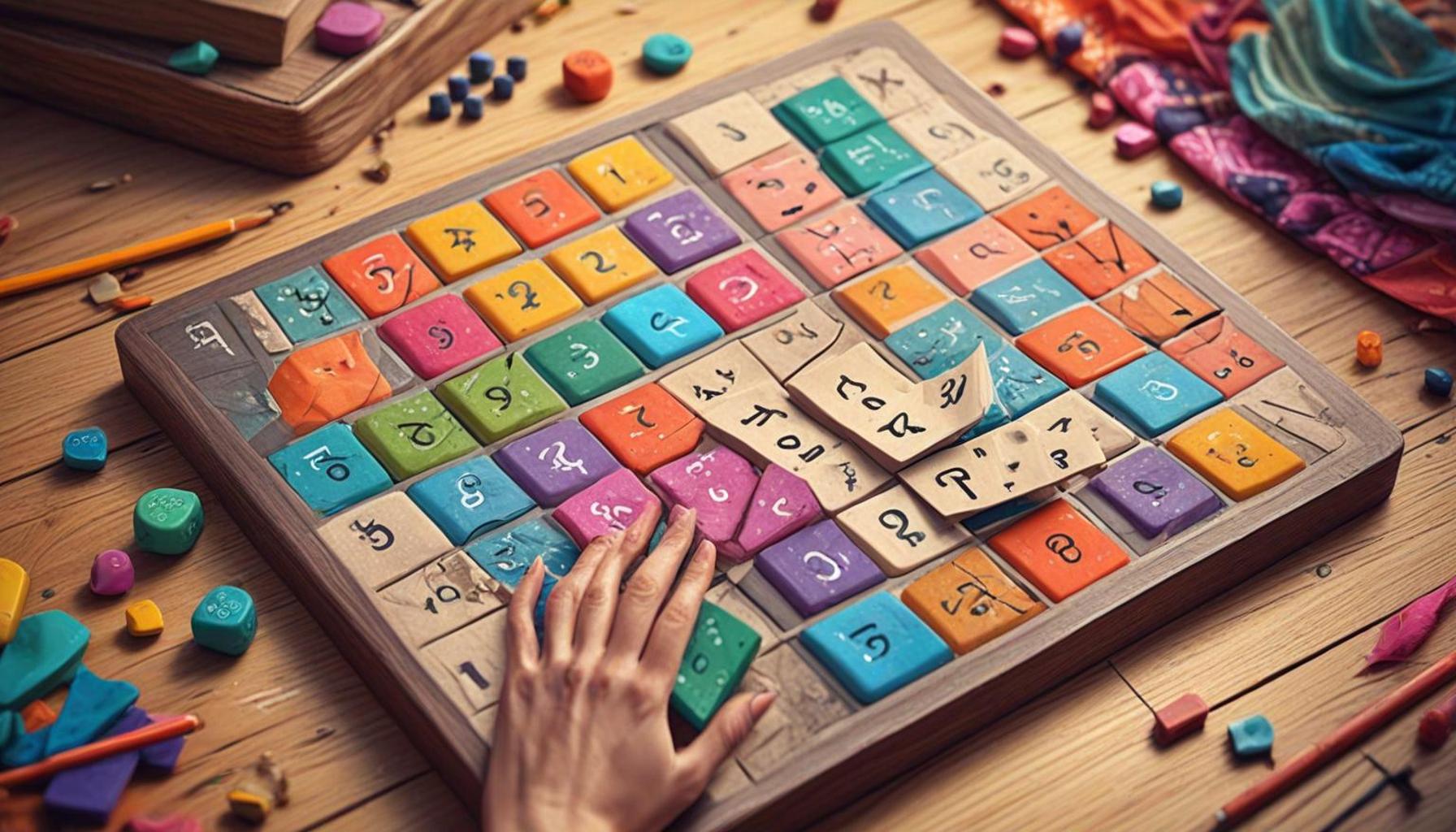
The Benefits of Engaging with Sudoku
In our fast-paced world, where everyone is constantly buzzing with responsibilities and commitments, finding moments of serenity can be difficult. Sudoku, a game that has captured the hearts of many, emerges as not only a source of entertainment but also a pathway to enhanced well-being. This number puzzle is often relegated to the status of mere pastime, yet it possesses psychological benefits that can uplift one’s mental state.
Sudoku as a Form of Active Meditation
Many enthusiasts have discovered that Sudoku can serve as a unique gateway to mindfulness. When engaging with this puzzle, players immerse themselves completely, blocking out external distractions. This practice mimics aspects of meditation, where the focus shifts from a bustling environment to internal mental dialogue. As individuals concentrate on solving the number placements, they bottle external noise and worries, creating a cocoon of calmness.
Enhancing Concentration and Focus
One of the core benefits of Sudoku is its ability to enhance concentration. In a society where multi-tasking is often praised, focusing entirely on a single task can be a challenge. Sudoku trains the brain to maintain a singular focus, which can subsequently help improve concentration in various facets of life, be it professional tasks or personal relationships. For instance, a student tackling their studies might find that their newfound ability to concentrate through Sudoku enhances their academic performance.
Stress Reduction and Mental Escape
Sudoku offers a much-needed escape from everyday stressors. In urban centers across Nigeria, where the hustle and bustle of life can sometimes feel overwhelming, taking a few moments to engage with a Sudoku puzzle can allow individuals to reset mentally. By immersing oneself in the challenge of number placement, worries such as work distractions or familial responsibilities can be set aside temporarily, providing a refreshing mental break. As witnessed in testimonies from Nigerian puzzle enthusiasts, moments spent solving Sudoku often lead to greater clarity and relaxation.
Cognitive Skill Enhancement
Beyond just relaxation, Sudoku has been shown to improve cognitive skills. For many players, regular practice leads to enhanced problem-solving abilities and sharp analytical thinking. In a country like Nigeria, where entrepreneurship is on the rise, these skills are invaluable. Business owners and professionals who regularly engage in Sudoku may find themselves equipped with better strategic thinking and decision-making skills, giving them an edge in the competitive market.
A Universal Language
Perhaps one of the most appealing aspects of Sudoku is its ability to transcend cultural and linguistic barriers. In Nigeria, the game can be found in various formats—be it in newspapers, puzzle books, or through mobile applications. This accessibility makes it a perfect pastime for individuals across different age groups, socio-economic backgrounds, and linguistic divisions. The shared enjoyment of Sudoku creates a communal experience among players, facilitating social interaction and bonding.
Conclusion: A Pathway to Inner Peace
As we investigate the deeper realms of Sudoku, it becomes evident that this engaging number puzzle does much more than entertain. It transforms moments of distraction into opportunities for mindfulness, offering pathways toward inner peace and tranquility. Therefore, the next time the pressures of life begin to overwhelm, consider reaching for that Sudoku puzzle. It might just be the sanctuary of calmness you’ve been searching for.
CHECK OUT: Click here to explore more
The Mental Mechanics: How Sudoku Facilitates Active Meditation
At its core, Sudoku is more than just a game; it is a powerful tool for developing mindfulness. The essence of this puzzle lies in its structure that requires players to think critically and organize numbers logically. When faced with a Sudoku grid, attention becomes laser-focused as individuals identify the numbers that fit together. This process is akin to meditation, where the mind quiets to provide space for clarity. Engaging with the puzzle promotes a state of flow—a harmonious mental state wherein concentration and enjoyment come together seamlessly.
Strategies for Maximizing Concentration
To fully capitalize on the meditative benefits of Sudoku, players can adopt various strategies that foster concentration:
- Set a Specific Environment: Finding a quiet and comfortable space can significantly enhance focus. In Nigeria, this can be achieved by seeking out serene locations such as parks or quiet corners in homes, where distractions can be minimized.
- Allocate Dedicated Time: Treat Sudoku as an appointment in your daily schedule. Dedicating 15 to 30 minutes solely for solving one puzzle can help the mind enter a relaxed state, making way for deeper concentration.
- Practice Regularity: Just like meditation, regular practice of Sudoku can improve concentration over time. A consistent routine will condition the brain to become accustomed to focusing intensely on a task, thus enhancing overall cognitive function.
A Different Kind of Challenge
Sudoku presents a positive challenge that requires strategic thinking without the pressure often associated with competition. Unlike other games that may escalate stress levels due to time constraints or adversarial competition, Sudoku encourages players to reflect internally and engage with their thought processes. This introspective approach allows players to align their thoughts with the rhythm of the puzzle, fostering a meditative experience.
Emotional Benefits: Towards Calmness and Serenity
Engaging with Sudoku not only sharpens concentration but also promotes a sense of calmness. Studies have indicated that the act of concentrating on solving a puzzle releases dopamine, a neurotransmitter associated with feelings of pleasure and satisfaction. In a bustling Nigerian city, a brief interlude with Sudoku can serve as an oasis of calm, helping to mitigate stress and anxiety. As players find solutions and fill the grid, they experience a profound sense of accomplishment that contributes to emotional well-being.
Thus, through the intricate dance of numbers, Sudoku cultivates an environment conducive to both concentration and inner peace. As individuals make their way through a puzzle, they not only indulge in the joy of problem-solving but also uncover the serenity that comes with focused mindfulness.
| Advantages | Details |
|---|---|
| Improved Focus | Engaging with Sudoku fosters intense concentration, training the brain to focus on solving challenges. |
| Stress Reduction | The repetitive nature of Sudoku acts as a meditative practice, leading to lower stress levels and promoting mental peace. |
| Cognitive Enhancement | Sudoku requires logical thinking and problem-solving skills, enhancing overall cognitive abilities. |
| Mindfulness | By focusing solely on numbers and patterns, players practice mindfulness, encouraging a calm and clear state of mind. |
The practice of Sudoku merges enjoyment and mental workout, making it not just a game but a path toward better concentration and calmness. This unique mixture of strategic problem-solving and mental engagement keeps players as present as possible, allowing them to delve deeper into their meditative experience. Individuals who take time to immerse themselves in this activity report noticeable improvements in their attention spans and reduced anxiety, showcasing the broader benefits of this popular puzzle.Moreover, Sudoku’s ability to foster a sense of accomplishment as each puzzle is completed only adds to its positive effects. Each successfully solved grid generates a rush of satisfaction, further encouraging players to engage regularly. Thus, incorporating Sudoku into a routine can transform a typically stress-filled day into one with moments of serene reflection and mental clarity. Whether you are a beginner or an expert, the journey of solving Sudoku can indeed become a captivating form of active meditation.
RECOMMENDED: Check out this similar article
The Social Aspect: Community and Connection Through Sudoku
Another dimension of Sudoku as a form of active meditation lies in its ability to bring people together. In Nigeria, where communal interactions are an essential cultural fabric, indulging in Sudoku can foster bonding experiences. Engaging in group challenges, whether through informal gatherings or competitive sudoku clubs, creates a shared atmosphere where individuals can exchange strategies and celebrate successes. These social encounters enhance the meditative experience, as players not only find joy in solving puzzles but also connect over common interests. Research suggests that communal activities can lead to improved mental health outcomes, reinforcing the calming effects of Sudoku when practiced collectively.
Sudoku and Cognitive Growth: Strengthening Mental Agility
The benefits of Sudoku extend beyond meditation and concentration; they also encompass significant cognitive growth. Studies indicate that engaging in Sudoku challenges can enhance various cognitive functions such as memory, logical reasoning, and problem-solving skills. This aspect is particularly relevant in today’s Nigerian context, where the need for enhanced cognitive abilities is paramount for both academic and vocational success. When players actively engage with the grid, they exercise their brains in a manner similar to muscle training; the more one practices, the better one becomes. This cognitive workout can lead to greater mental resilience, allowing individuals to tackle daily stressors with more agility and calmness.
The Personal Journey: Self-Discovery Through Puzzles
Each Sudoku puzzle presents a unique story, offering players an opportunity for personal reflection and introspection. Solving these puzzles often mirrors life’s challenges; they prompt individuals to adopt various strategies and approaches. For many in Nigeria, where the challenges of daily life can be overwhelming, turning to Sudoku can provide a much-needed avenue for self-discovery. Each solved puzzle builds confidence and a sense of mastery, reinforcing a positive self-image. This process can profoundly affect emotional well-being, promoting a mindset that embraces patience and persistence—essential qualities for navigating life’s complexities.
The Accessibility and Inclusivity of Sudoku
Sudoku is incredibly accessible and inclusive; it requires no special equipment or setup—just a pen and paper or a smartphone app. This accessibility makes it an ideal practice for individuals from diverse backgrounds in Nigeria. Whether on a long bus ride, while waiting in line, or during a break at work, Sudoku fits seamlessly into daily routines. This effortless integration allows more individuals to experience the benefits of active meditation through Sudoku, enhancing their concentration and calmness regardless of their socioeconomic status. Furthermore, regional variations of Sudoku can be developed, incorporating local themes or scenarios that resonate with players. This adaptation promotes an even deeper connection to the game, making it more engaging and relatable.
In summary, the practice of Sudoku extends beyond mere entertainment; it serves as a rich source of emotional, cognitive, and social benefits. Through active engagement with these puzzles, individuals cultivate a tranquil meditative state that enhances concentration and fosters a greater sense of calmness in an often chaotic world.
SEE ALSO: Click here to read another article
Conclusion: Embracing the Calmness of Sudoku
In conclusion, the practice of Sudoku transcends beyond just a popular pastime; it embodies a transformative journey towards concentration and calmness. As we have explored, Sudoku functions as a unique form of active meditation that integrates cognitive growth, emotional well-being, and social connectivity. For individuals navigating the complexities of daily life in Nigeria, engaging with these puzzles offers a valuable escape, promoting mental resilience and enhancing problem-solving capabilities.
The accessibility of Sudoku plays a crucial role in its widespread appeal, providing a welcome retreat during moments of pause, whether on public transport or during breaks at work. This inclusivity allows a diverse range of individuals to harness the benefits of active meditation, inviting everyone to partake in an experience that fosters greater focus and stress relief.
Moreover, the collective experiences shared through Sudoku can cultivate a sense of community, strengthening bonds and fostering support systems. The puzzle challenges encourage players to connect over shared victories, making the practice not just an individual pursuit but a communal endeavor that promotes mental health.
As we continue to explore innovative approaches to enhance our mental and emotional well-being, Sudoku stands out as a remarkable tool. It invites each player to delve into a world of numerical intrigue while nurturing a state of tranquility. Embracing Sudoku as a form of active meditation not only enhances our cognitive faculties but also guides us toward a calmer, more centered existence—one puzzle at a time.

Linda Carter
Linda Carter is a writer and puzzle expert specializing in mind games, brain teasers, and cognitive challenges. With extensive experience helping individuals enhance their problem-solving skills and think critically, Linda shares her knowledge on our platform. Her goal is to empower readers with practical advice, engaging puzzles, and strategies to sharpen their minds and achieve success in the captivating world of mind games and puzzles.