Meditation through Word Games: How Language Can Calm the Mind

Unlocking Calmness with Language
In a world bustling with distractions, finding moments of peace can seem daunting. Yet, the art of meditation is evolving, weaving its way into unique practices that engage the mind creatively. One such intriguing approach is through the use of word games, which foster mindfulness while honing linguistic skills. These games not only entertain but also serve as a conduit for achieving mental clarity and emotional balance.
The Power of Language
Language is more than just a tool for communication; it can be a profound source of tranquility. Engaging in word games offers several benefits:
- Focus: Concentrating on words allows players to divert their attention from stressors and everyday anxieties. For example, solving an intricate crossword puzzle requires intense focus, effectively pushing aside distractions and worries, leading to a calming mental space.
- Creativity: Crafting new terms or puns stimulates imaginative thinking. For instance, word association games encourage players to think outside the box, connecting seemingly unrelated concepts, which can spark new ideas and enhance creative problem-solving skills.
- Relaxation: The rhythmic flow of letters can soothe anxious thoughts. The repetitiveness of certain word formations or patterns can create a meditative rhythm, allowing players to zone out of their troubles and immerse themselves in a peaceful experience.
A Growing Trend
In Nigeria, where tradition meets modernity, word puzzles and games like Scrabble and crosswords have become popular pastimes. These games serve as dual tools for entertainment and mental wellness, helping individuals reconnect with their inner selves while enhancing cognitive skills. Local communities often host Scrabble tournaments that not only boost vocabulary but also foster social connections, drawing participants from varied backgrounds to compete and collaborate.
Moreover, as social media platforms proliferate, digital adaptations of these games have surged in popularity, making them accessible to a wider audience. Mobile apps that offer daily word challenges engage players in an ongoing dialogue with language, transforming an ordinary pastime into a daily practice of mindfulness. By integrating these games into daily routines, many are discovering the calming effects of language on the mind. This approach not only cultivates a deeper understanding of words but also empowers players to embrace a state of mindfulness.
In a rapidly changing world, where people often feel overwhelmed, turning to language through engaging word games provides an innovative and fulfilling way to nurture mental well-being. Individuals looking to explore this trend can start by participating in local games or even joining online communities focused on word challenges, thus embarking on a journey toward a more peaceful and mindful existence.
YOU MAY ALSO LIKE: Read read another article
Engaging the Mind: The Benefits of Word Games
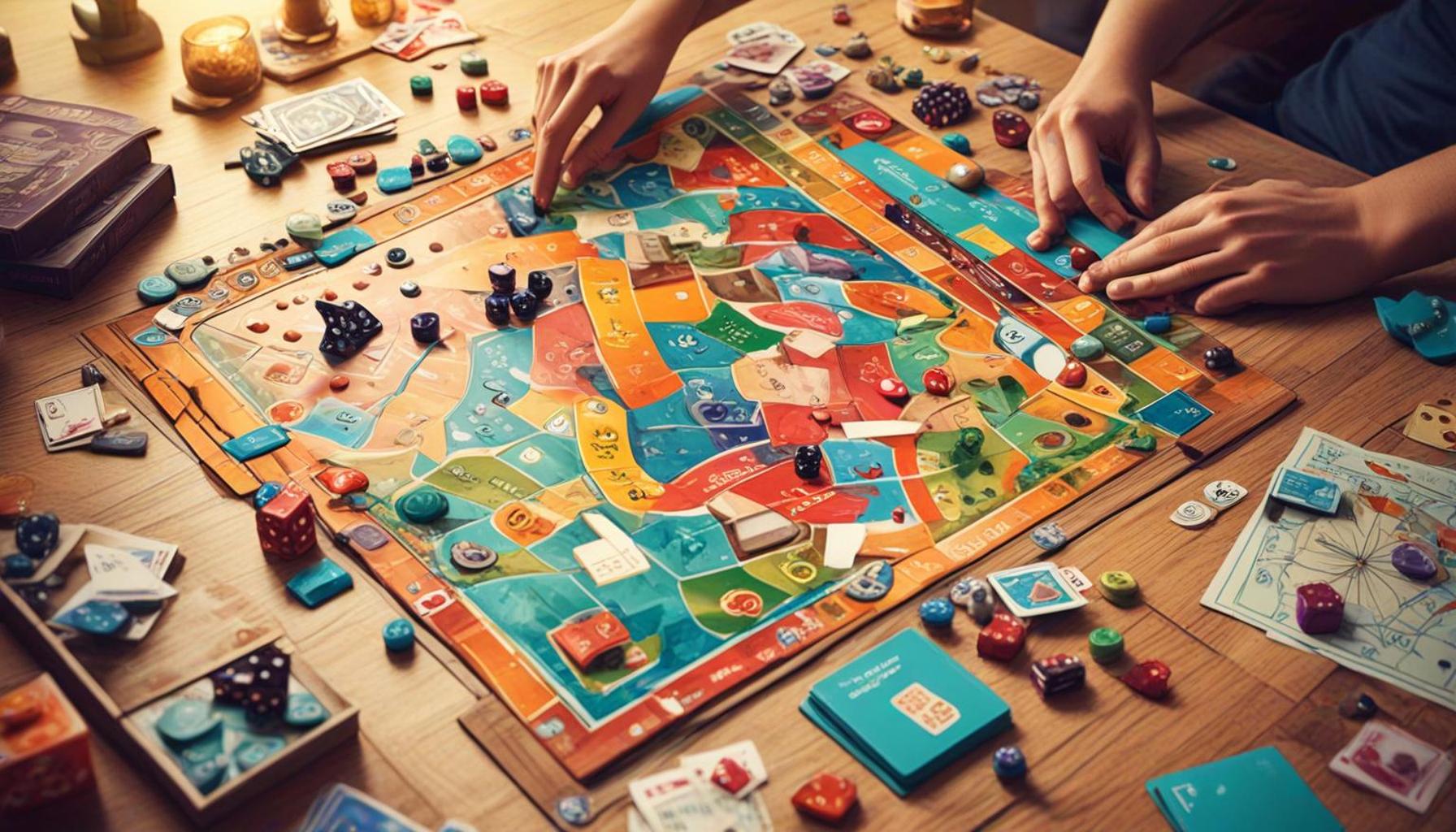
Word games encompass a broad range of activities that tap into our linguistic capabilities. These games, from classic crossword puzzles to modern mobile applications, invite players to challenge their vocabulary and cognitive abilities while creating an immersive experience that encourages mindfulness. The connection between language and meditation is profound, providing a unique pathway to achieving serenity.
Building Focus and Clarity
One of the standout benefits of incorporating word games into your daily routine is the enhanced focus they demand. Engaging with words—whether through a game of Scrabble or a challenging word search—requires players to hone their concentration. This mental engagement can momentarily distract individuals from their stressors, allowing for an escape into a world defined by letters and possibilities. Thus, immersive word challenges prompt the brain to enter a state of calmness, effectively clearing mental clutter.
Unlocking Creativity
Word games act as a canvas for creativity. The process of devising new words, formulating puns, or identifying relationships between terms fosters innovative thinking. Activities such as charades or using word association prompts can serve not only as a playful endeavor but also as an exercise in mental flexibility. Engaging in these types of games encourages players to think divergently, contributing positively to their cognitive development and enhancing their emotional well-being.
A Pathway to Relaxation
The calming rhythm of playing with words can generate a soothing effect on the mind. The repetitive nature of certain word games—whether it’s forming anagrams or solving riddles—often aligns with the practice of traditional meditation techniques. This immersion can induce a trance-like state in players, promoting relaxation and stress relief. As players navigate through challenges, they can easily lose themselves in the pleasurable activity, leading to heightened mindfulness.
- Improved Mental Agility: Multi-faceted word games stimulate cognitive function, enhancing quick thinking and decision-making skills.
- Social Connectivity: Many word games, particularly in Nigeria, promote interaction among players, strengthening community ties while fostering healthy competition.
- Emotional Resilience: Engaging with language through fun challenges can build resilience, as individuals learn to embrace wins and losses, contributing to a more balanced emotional state.
By engaging with language through word games, individuals can cultivate a peaceful sanctuary within their minds. These enjoyable activities offer a refreshing take on traditional meditation, demonstrating that creativity and focus can harmoniously coexist. As individuals look to improve mental well-being, incorporating these games into their daily lives can prove beneficial in finding tranquility amid life’s chaos.
Meditation through word games offers a unique approach to mindfulness that combines linguistic agility with cognitive relaxation. By engaging in word games, individuals can immerse themselves in a playful exploration of language, which can evoke feelings of calm and focus. As we delve deeper into this method of meditation, we uncover various strategies to effectively incorporate word-centric activities into our daily mindfulness practices. Not only are these activities enjoyable, they can also serve as a tool for enhancing mental clarity and reducing stress levels.
| Category 1 | Category 2 |
|---|---|
| Cognitive Engagement | Stimulates the brain through puzzles and challenges, enhancing focus. |
| Stress Reduction | Promotes mindfulness and reduces anxiety through enjoyable distraction. |
The beauty of integrating word games into meditation lies in their versatility; from crossword puzzles to anagrams, the choices are limitless. This diversity allows practitioners to discover what resonates best with them. Additionally, the act of manipulating language can lead to an increased appreciation for words, fostering creativity and deeper self-expression. Experimenting with different word games can also be a delightful adventure in mindfulness, inviting participants to be present in the moment and to embrace the therapeutic power of language.
YOU MAY ALSO LIKE: Read read another article
Fostering Community and Connection through Word Games
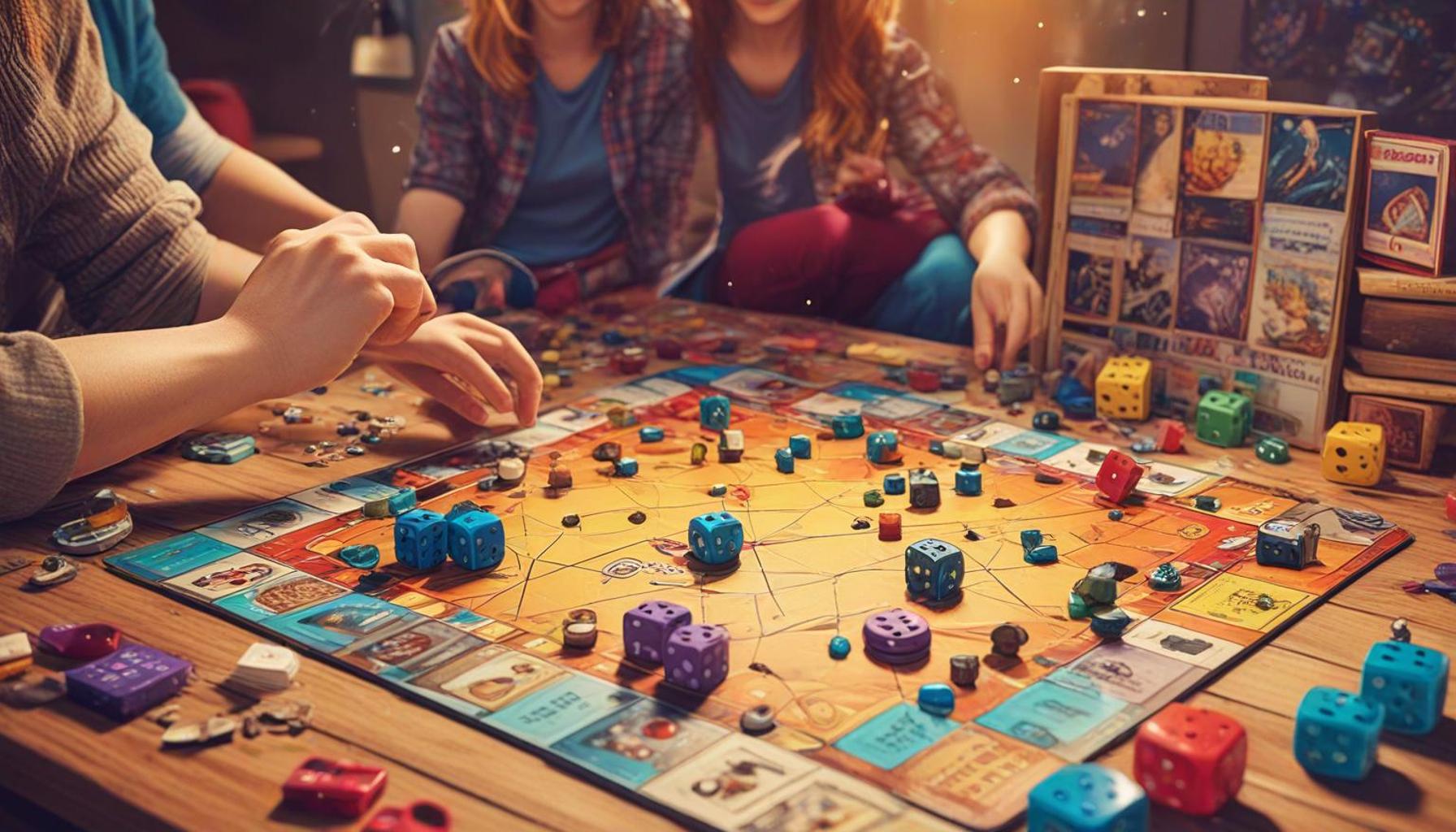
In addition to individual benefits, word games serve as a powerful tool for community building and social interaction. Many Nigerian communities have enjoyed traditional word games such as Ose and Word Finder, which can bring friends, families, and even strangers together in a lively atmosphere. These social interactions foster a sense of belonging and connection, which is essential for mental well-being and can produce a collective calming effect. Participating in group word challenges encourages laughter, friendly rivalry, and shared experiences that amplify the pleasurable aspects of play.
Emotional Expression and Processing
Language is not just a means of communication, but also acts as a vehicle for emotional expression. Through word games, players can engage with language in a way that encourages them to articulate thoughts and feelings, facilitating personal reflection and emotional processing. For instance, games that involve storytelling or creating phrases can serve as an outlet for introspection. Individuals may find that as they play, they navigate their emotions more freely, allowing the mind to achieve a state of clarity and peace.
Cognitive and Psychological Advantages
The cognitive benefits of word games extend beyond vocabulary enhancement; they also impact psychological resilience. Engaging in challenges such as anagrams or crosswords promotes neuroplasticity, enabling the brain to adapt and form new connections over time. Psychological studies suggest that these intellectual pursuits can help combat anxiety and depression, making word games a practical form of cognitive therapy. By participating in these mental exercises, individuals in Nigeria and beyond can foster not only a sense of accomplishment but also contribute to their overall emotional stability.
- Stress Management: Word games can provide a distraction from daily stresses, allowing players to escape into a world where words reign supreme and worries fade into the background.
- Enhanced Learning: For students or language learners, word games make the learning process enjoyable. By incorporating fun into learning, language acquisition becomes less of a chore and more of an engaging experience.
- Collaboration and Team-Building: Playing word games in teams encourages collaboration, showcasing how working together can lead to solutions—a valuable lesson applicable in various aspects of life.
As individuals explore the meditative potential of word games, they will discover numerous ways to engage their minds. By focusing on creativity, emotional expression, and social interactions, they can create a nourishing environment that promotes mental tranquility. The appeal of word games transcends beyond mere amusement; they offer paths that lead toward deeper self-awareness and community connection, providing players with the tools they need to navigate the complexities of life.
CHECK OUT: Click here to explore more
Conclusion: The Calm Within Words
In summary, engaging in word games is more than just a fun pastime; it serves as a powerful form of meditation that fosters mental clarity and emotional balance. The intricate relationship between language and the mind offers individuals a unique opportunity to calm the storm of daily stressors. By immersing oneself in the creativity and challenge of word games, players can unlock deeper levels of self-reflection and emotional intelligence.
The collaborative aspect of these games strengthens community bonds, promoting a sense of belonging in shared experiences that are crucial for mental wellness. Traditional Nigerian games like Ose, along with modern word puzzles, bridge generational gaps, encouraging both younger and older players to engage in meaningful social interactions while honing their cognitive skills.
Moreover, the cognitive benefits extend beyond simple enjoyment. Word games enhance vocabulary, improve problem-solving skills, and act as an antidote to feelings of anxiety and isolation. The fusion of competition, creativity, and connection fosters an enriching environment that not only entertains but also cultivates resilience in the face of life’s uncertainties.
As you embark on your journey with word games, consider the transformative potential they hold. Whether in a bustling Lagos café with friends or a quiet evening at home, these linguistic adventures can open pathways to tranquility and self-discovery. So why not grab a puzzle or challenge a friend? The world of words awaits, ready to provide a sanctuary for your mind and a space for your heart.

Linda Carter
Linda Carter is a writer and puzzle expert specializing in mind games, brain teasers, and cognitive challenges. With extensive experience helping individuals enhance their problem-solving skills and think critically, Linda shares her knowledge on our platform. Her goal is to empower readers with practical advice, engaging puzzles, and strategies to sharpen their minds and achieve success in the captivating world of mind games and puzzles.