Unraveling Stress Relief: Strategy Games and Their Mental Effectiveness

Understanding the Role of Strategy Games in Stress Relief
In today’s fast-paced world, finding effective ways to relieve stress has become essential. Many individuals grapple with the pressures of work, family, and societal expectations. Interestingly, one avenue gaining traction is the world of strategy games, both digital and traditional. These games offer not only a source of enjoyment but also substantial benefits for mental health and stress management.
Strategy games enable players to engage in complex problem-solving tasks, which can be an effective way to divert attention from stressors. With each move or decision, players invest mental energy into strategic planning and decision-making, fostering a sense of control. This aspect of gameplay heightens cognitive flexibility, allowing people to adapt to new challenges in their personal and professional lives more easily. For instance, games like chess require players to think several moves ahead, honing their ability to anticipate outcomes. This skill can translate into better performance in real-life situations where strategic planning is essential.
Social Interaction as a Key Element
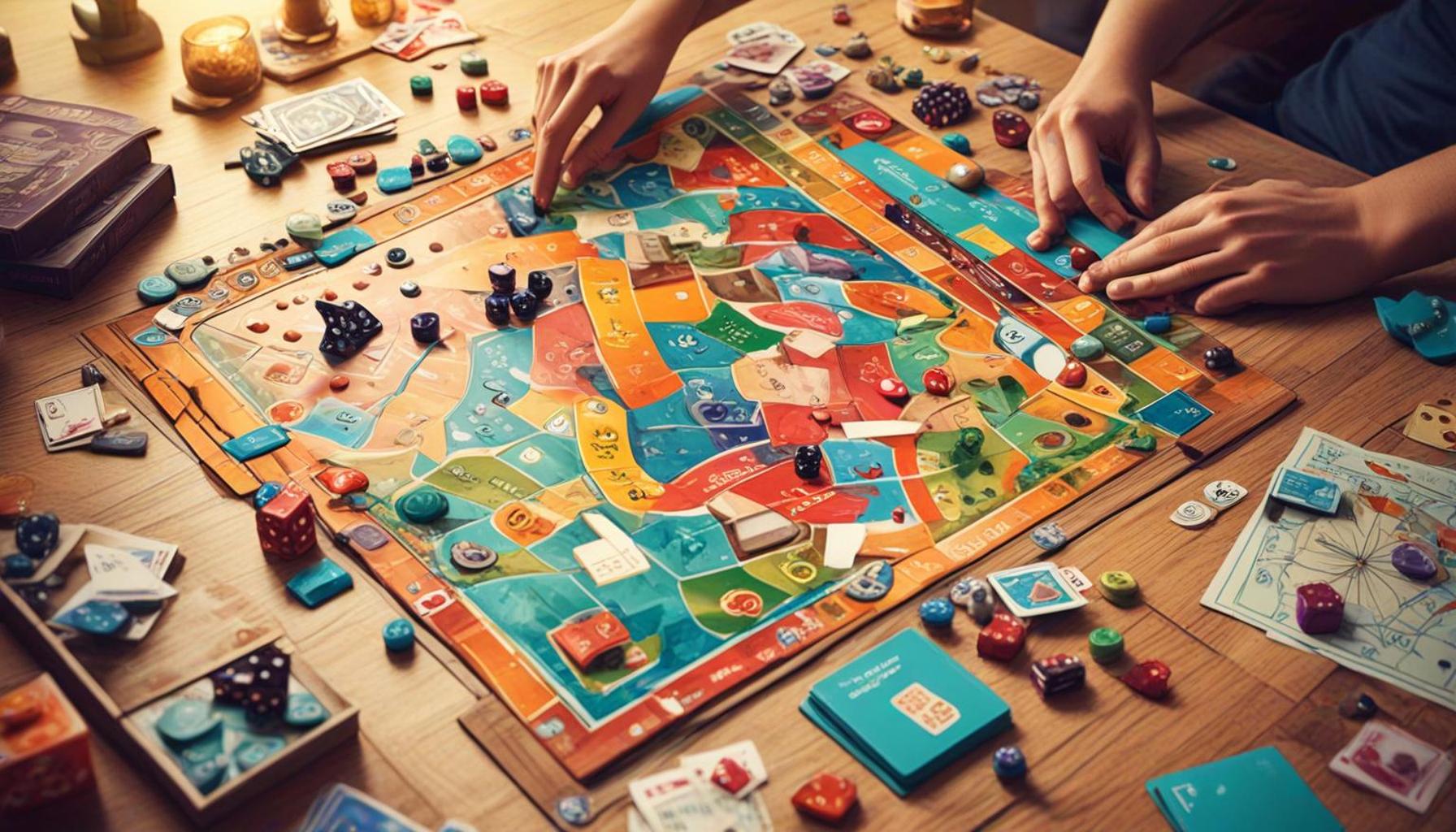
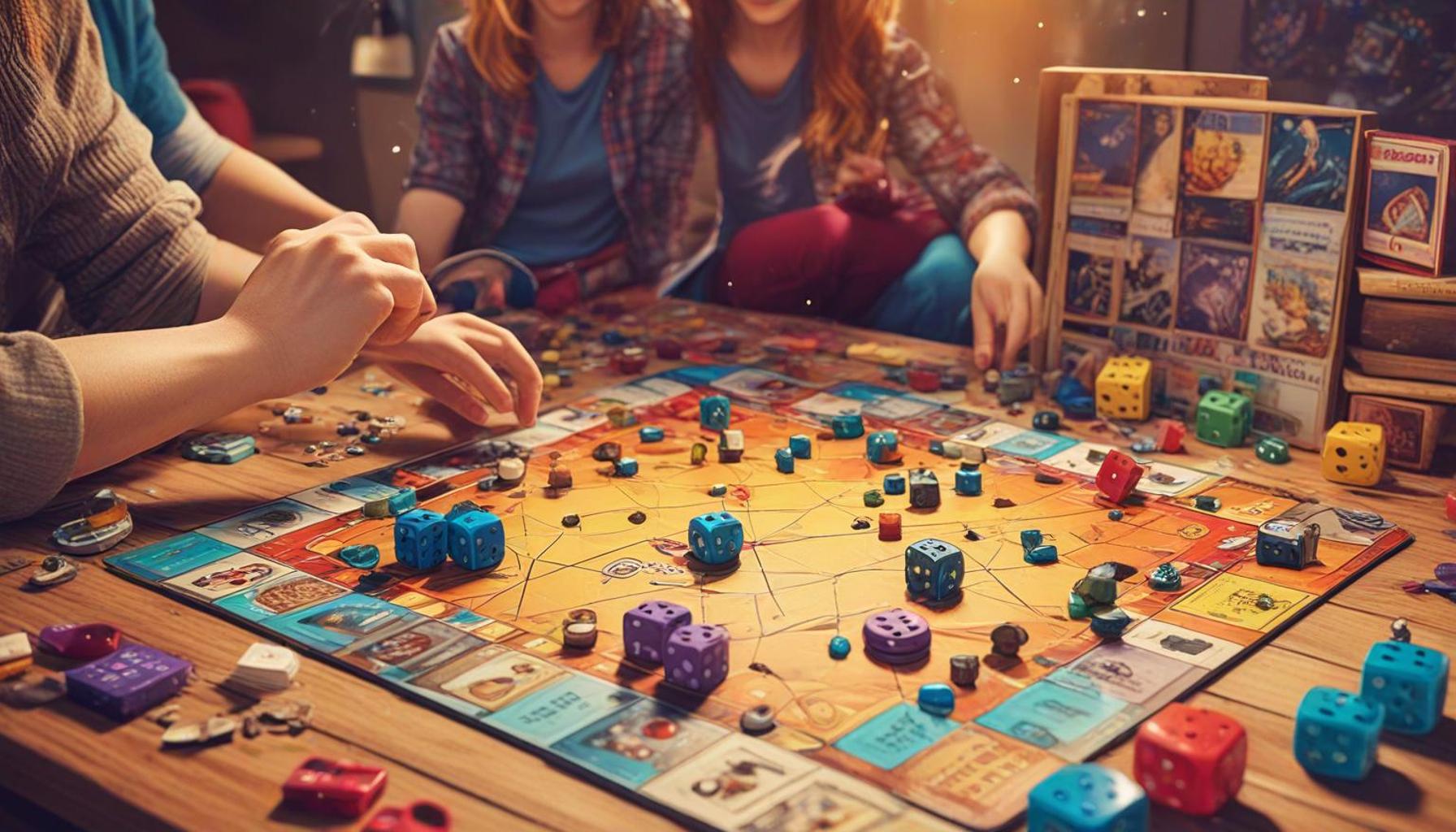
Another notable benefit of strategy games is their capacity to promote social interaction. Multiplayer formats in both digital and board games provide players with a platform to connect with others. In Nigeria, where communal ties are important, games like Damii (Checkers) and modern variations such as Catan invite family and friends to gather and play together. These interactions can mitigate feelings of isolation, fostering a sense of belonging and community. By working collaboratively or competing against friends, players can build stronger relationships, which enhances overall emotional well-being.
Building Emotional Resilience
Furthermore, strategy games encourage players to face challenges and learn to cope with failure, ultimately boosting their emotional resilience. When faced with setbacks during a game, players must learn to adapt their strategies and persevere. This experience can mirror real-life challenges, where developing the ability to recover from disappointments is crucial. In Nigeria, where societal pressures can be overwhelming, engaging in these games can provide a constructive outlet for dealing with stress while simultaneously refining one’s ability to bounce back from adversity.
As strategy games become more prevalent in Nigeria’s casual and competitive settings, they are not only a form of entertainment but also a pathway to improved mental health. By integrating gaming into daily life, individuals can leverage these experiences as healthier coping mechanisms. Whether through online platforms or traditional board games passed down through generations, strategy games have the potential to play a significant role in enhancing mental well-being, inviting players to explore new strategies for stress relief and personal growth.
Ultimately, the connection between gaming and mental health presents a fascinating avenue for further exploration. As more people recognize the mental effectiveness of strategy games, they may uncover richer insights into the art of stress management and personal development.
LEARN MORE: This related article may interest you
Powering Cognitive Skills Through Gameplay
Strategy games, whether traditional or digital, are designed to challenge players’ intellect, requiring them to engage deeply with the game mechanics and their opponents. This engagement not only serves as a form of entertainment but also acts as a mental workout, sharpening various cognitive skills that are crucial for effective stress management. Factors such as critical thinking, problem-solving, and decision-making are all honed through the practice of strategy games, creating a valuable arsenal of tools for dealing with life’s pressures.
For instance, when a player engages in a game like Chess or the Nigerian classic Ludu, they are faced with a myriad of choices, each bearing its own consequences. The necessity to weigh options and think critically about their next moves fosters enhanced cognitive flexibility. Moreover, the act of planning several steps ahead encourages players to prepare for potential outcomes—an invaluable skill in both personal and professional settings. This proactive mindset nurtures a sense of clarity amidst chaos, allowing individuals to approach real-life challenges more confidently.
Enhanced Focus and Attention Span
One of the immediate benefits of immersing oneself in strategy games is the enhancement of focus and attention span. Unlike passive forms of entertainment like watching television, strategy games require active participation. Players must concentrate on the details of the game, strategizing their moves while keeping track of their opponents. This heightened focus can lead to improved attention span in other areas of life, creating a ripple effect that extends beyond gaming.
- Cognitive Engagement: The demand for focusing on multiple variables in a game sharpens mental acuity.
- Stress Reduction: A heightened focus diverts attention from stressors, offering a mental escape.
- Mindfulness: Players often find themselves in a state of ‘flow’ which can be meditative.
Furthermore, the structured nature of many strategy games, especially in a Nigerian context where community gatherings often involve competitive play, fosters a sense of mindfulness. The mental immersion required in gameplay mirrors the principles of mindfulness practices, which emphasize being present in the moment without judgment. Thus, individuals find themselves embracing relaxation amid the hustle of daily living. This dual benefit of entertainment and mental wellness highlights why strategy games are gaining prominence as a viable means of stress relief in varying cultural contexts, especially in cities like Lagos or Abuja.
As players navigate through complex scenarios and engage with diverse player dynamics, they hone skills that give them an edge both in games and real-world situations. Whether strategizing in a boardroom or navigating personal relationships, the mental workout offered by these games is indispensable. Thus, it becomes evident that the realm of strategy games is not merely about competition; it represents a dynamic, engaging way to foster mental resilience and navigate life’s stressors effectively.
Exploring the Cognitive Benefits of Strategy Games
Strategy games have emerged as a remarkable tool for enhancing cognitive functions, contributing significantly to stress relief. Engaging in these games stimulates various mental processes that can lead to improved problem-solving skills and higher cognitive flexibility. Players need to evaluate scenarios, anticipate opponents’ moves, and make rapid decisions—all of which foster critical thinking. Moreover, research indicates that individuals who regularly participate in strategy-based activities exhibit enhanced memory retention and increased attention spans. By presenting complex challenges, these games demand constant adaptation and strategic planning, thereby keeping the mind actively engaged and less prone to stress. Another key aspect is the opportunity for social interaction that many strategy games provide. Multiplayer formats encourage collaboration, allowing players to form alliances and communicate effectively. This social element not only boosts morale but also creates a sense of community, which can alleviate feelings of anxiety and isolation. The incorporation of strategy games in daily routines can serve as a healthy escape from the pressures of modern life. The immersive experience allows players to focus on in-game tasks, providing a mental break from real-world stressors and a chance to unwind.
The Dual Nature of Engagement and Relaxation
Interestingly, engaging with strategy games combines the aspects of challenge and relaxation. While players must be actively engaged and thinking critically, the immersive nature of the gameplay can lead to a state of ‘flow’—a psychological phenomenon where individuals become fully absorbed in an activity. This flow state not only fosters relaxation but enhances overall psychological well-being by allowing players to disconnect from their daily worries.Most crucially, there is a growing body of evidence linking the frequency of playing strategy games with reduced levels of cortisol, the stress hormone. This connection points to the potential of strategy games not just as a form of entertainment but as a legitimate method for improving mental health. In essence, integrating strategy games into your routine can serve as both a cognitive exercise and a practical stress relief tool, making them an attractive option for individuals looking to enhance their mental wellness.
| Category 1 | Category 2 |
|---|---|
| Cognitive Enhancement | Strategy games boost problem-solving and critical thinking skills. |
| Stress Reduction | Engaging gameplay lowers cortisol levels and promotes relaxation. |
These intriguing aspects of strategy games indicate their deep potential as effective tools for stress relief and mental enhancement. Engaging with these games promises not just enjoyment but an opportunity to develop your mind in ways that extend far beyond the screen.
RECOMMENDED: Check out this similar article
The Social Dimension: Building Connections and Community
Another significant aspect of strategy games is their potential to foster social connections and promote a sense of community. In many cultures, including Nigeria, playing games is often a communal activity. Friends and family gather to engage in exciting rounds of games such as Draft or Whot, not only for friendly competition but also for strengthening bonds. This social engagement is vital, especially considering that stress can breed feelings of isolation. The game settings encourage communication and teamwork, allowing individuals to express themselves, share ideas, and support each other as they navigate the challenges the games present.
Moreover, these interactive experiences provide players with opportunities for emotional release. Sharing triumphs and defeats with peers cultivates a sense of belonging and empathy. Building relationships through gaming can lead to supportive networks that players can also rely on during high-stress situations outside the gaming world. Many find that these communal games provide relief from the pressures of daily life, as laughter and shared experiences serve as effective antidotes to personal stress.
Coping Mechanisms and Positive Mindset
Engaging in strategy games has been associated with the development of effective coping mechanisms. As players encounter unexpected challenges within the game, they learn to adapt and modify their strategies. This problem-centric approach translates well into real-life scenarios, encouraging resilience and adaptability in the face of stress. For instance, someone accustomed to maneuvering through complex situations in a game might find it easier to handle workplace dilemmas or personal conflicts, equipped with the mental tools to devise practical solutions.
- Adaptability: Learning to adjust tactics when opposed can foster flexibility in thought and behavior.
- Resilience: Bouncing back from mistakes made in a game environment encourages individuals to face setbacks with a positive attitude.
- Emotional Regulation: Players often learn how to manage emotions, decompressing during tense moments in the game.
The benefits of these coping strategies are profound, especially in fast-paced urban centers like Lagos or Abuja, where stressors abound. The ability to maintain composure when faced with adversity can be a game-changer for individuals seeking to manage their mental wellbeing. Furthermore, the mental resilience cultivated through such interactive gameplay encourages individuals to adopt a more optimistic outlook. This positivity can significantly diminish the long-term effects of stress while enhancing overall mental health.
Additionally, incorporating elements of strategy games into educational contexts is proving increasingly popular in Nigeria. Schools are beginning to recognize the value of these games in promoting critical thinking and collaborative skills among students. By allowing children to engage with games that require strategy and foresight, educators can nurture a generation that is not only better equipped to handle academic pressures but is also emotionally intelligent, socially connected, and resilient.
As this trend continues to evolve, strategy games are becoming an integral part of discussions around mental wellness and community engagement. They offer a unique blend of pleasure and cognitive growth, allowing individuals to unwind while simultaneously developing essential skills that extend their benefits far beyond the gaming table.
YOU MAY ALSO LIKE: Read read another article
Conclusion: The Transformative Power of Strategy Games
In summary, the exploration of strategy games reveals their profound capacity to serve as effective tools for stress relief and mental wellness. Through engaging gameplay, individuals not only entertain themselves but also enhance their cognitive skills, adapt to challenges, and develop key coping mechanisms. The problem-solving nature inherent in these games fosters a mindset that embraces resilience and flexibility, equipping players with invaluable skills applicable in everyday life.
Additionally, the communal aspect of enjoying strategy games like Draft and Whot plays a crucial role in combating feelings of isolation often associated with stress. By fostering social interactions and emotional connections, these games not only create a sense of belonging but also build reliable support networks that players can turn to during tough times. This social engagement is critical in fast-paced environments, particularly in urban centers like Lagos and Abuja, where stressors are a common experience.
The increasing integration of strategy games into educational frameworks further underscores their value, preparing the next generation to navigate life’s pressures with emotional intelligence and collaborative skills. As this trend grows, it is vital for individuals to recognize the multifaceted benefits of strategy games beyond mere entertainment. By embracing these interactive experiences, one can unlock a pathway not just to relaxation but to a more balanced and resilient approach to life’s challenges. Ultimately, strategy games provide an innovative lens through which we can understand and mitigate stress, encouraging a healthier, more connected society.

Linda Carter
Linda Carter is a writer and puzzle expert specializing in mind games, brain teasers, and cognitive challenges. With extensive experience helping individuals enhance their problem-solving skills and think critically, Linda shares her knowledge on our platform. Her goal is to empower readers with practical advice, engaging puzzles, and strategies to sharpen their minds and achieve success in the captivating world of mind games and puzzles.