How Puzzles Can Reduce Stress: An Analysis of Cognitive Activities
The Mental Benefits of Engaging with Puzzles
In a world increasingly characterized by hustle and bustle, the importance of mental well-being cannot be overstated. With the pressures of daily life often leading to heightened stress levels, individuals seek effective ways to unwind. One surprisingly effective method lies in engaging with puzzles—activities that are not only enjoyable but also immensely beneficial for mental health.
Research indicates that puzzles exert their stress-relieving effects through several key mechanisms:
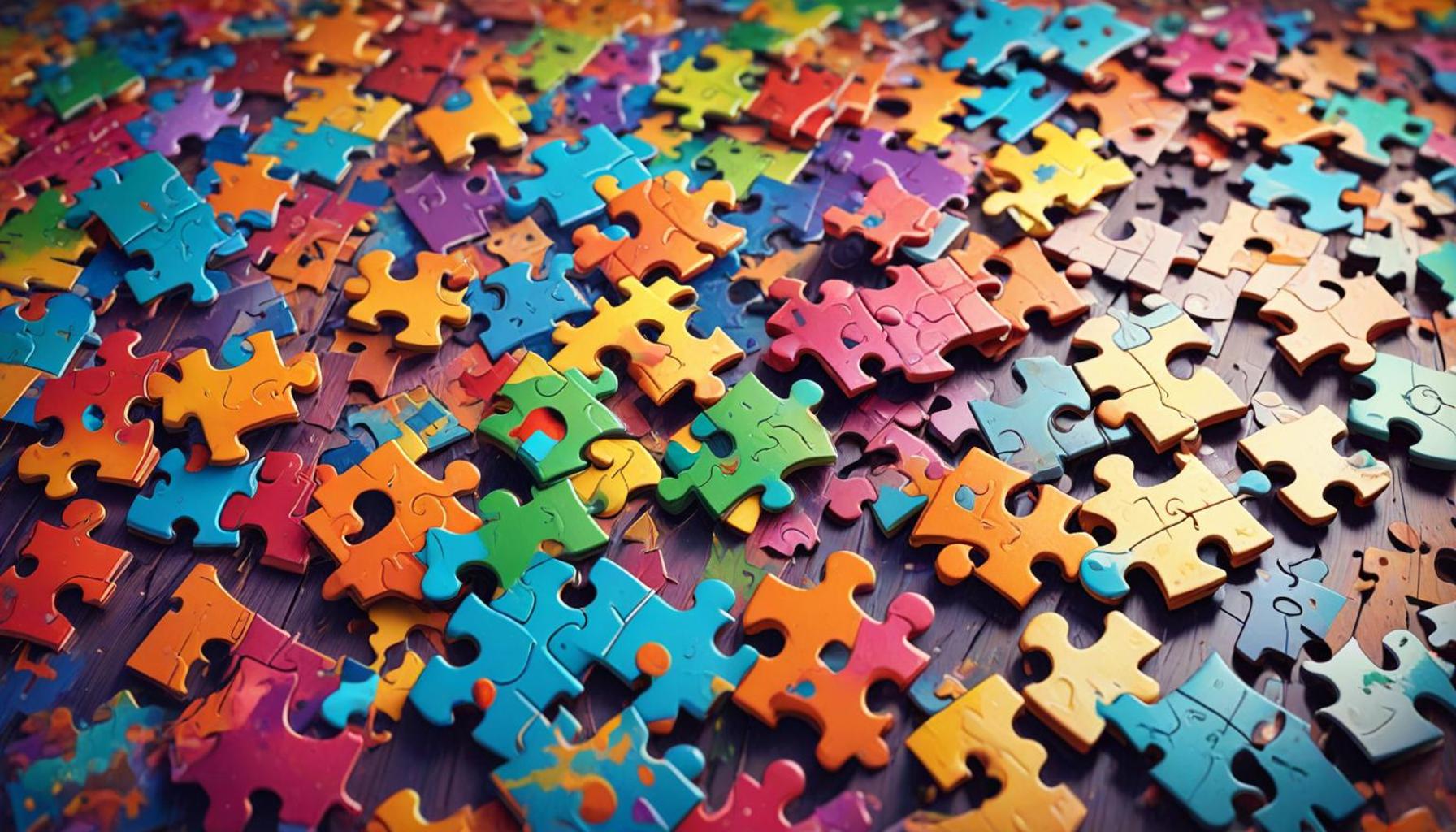
- Distraction: When immersed in a puzzle, individuals can shift their focus away from the worries of everyday life. For example, a challenging jigsaw puzzle can temporarily transport a person into a world of color and shapes, effectively diverting attention from stressful thoughts about work or personal issues.
- Mindfulness: The act of piecing together a puzzle demands concentration and attention to detail, fostering a state of mindfulness. Practicing mindfulness through puzzle-solving enables individuals to experience the moment fully, which can alleviate anxiety and promote inner tranquility.
- Sense of accomplishment: Upon completing a puzzle, people often feel a surge of satisfaction and achievement. This boost in mood can be particularly important in cultures that value communal success, such as in Nigeria, where collective accomplishments among family and friends create a strong sense of belonging.
In Nigeria, traditional puzzles like crosswords, brain teasers, and riddles are commonly enjoyed during family gatherings and social events. Not only do these activities serve as a source of amusement, but they also strengthen social bonds. Engaging in such puzzles allows family members to come together, share laughs, and challenge each other’s intellects in a friendly manner. For example, the popular game of “Ayo” serves both as a form of entertainment and a means to sharpen cognitive skills, fostering healthy competition and collaboration among players.
Understanding the mechanisms through which cognitive activities like puzzles alleviate stress can encourage individuals to adopt healthier habits. Incorporating just a few minutes of puzzle-solving into your daily routine can pave the way for enhanced mental clarity, improved focus, and a deeper sense of peace. Ultimately, embracing puzzles as an enjoyable pastime not only serves to combat stress but also contributes to a holistic approach to mental well-being, making it an attainable goal for many people in Nigeria and beyond.
CHECK OUT: Click here to explore more
Understanding the Mental Benefits of Engaging with Puzzles
Puzzles offer a unique form of entertainment that transcends mere amusement; they are powerful instruments for improving mental health and alleviating stress. Engaging in cognitive activities such as puzzles can significantly lessen feelings of anxiety and tension, a fact supported by various psychological studies that underscore their therapeutic benefits. These activities stimulate the brain, prompting it to engage in problem-solving while providing a much-needed respite from daily stressors.
A crucial factor in the effectiveness of puzzles lies in their ability to foster an immersive experience. When immersed in a puzzle, individuals concentrate intensely, allowing their minds to disengage from the outside world. This narrowing of focus is similar to the state achieved during meditation, where distractions diminish and mental clarity emerges. Such a state not only enhances relaxation but also encourages creativity, both vital components for sustaining good mental health.
The Role of Cognitive Engagement
Moreover, the act of solving puzzles hones critical thinking skills. When individuals tackle logical problems, they actively work to develop strategies and solutions. This cognitive engagement promotes neuroplasticity, enabling the brain to adapt and improve in the face of challenges. Just as Nigeria’s rich cultural landscape showcases a variety of traditions and practices, puzzles offer a diverse array of formats—from Sudoku and crossword puzzles to indigenous games like “Ayo” and engaging riddles. Each of these formats brings unique attractors and advantages tailored to wide-ranging preferences and intellectual inclinations.
- Enhanced Problem-Solving Skills: Regularly engaging with puzzles encourages strategic thinking, which can translate into improved decision-making capabilities in everyday situations.
- Improved Memory: Routine participation in cognitive activities is known to strengthen memory functions, essential for both personal relationships and professional effectiveness.
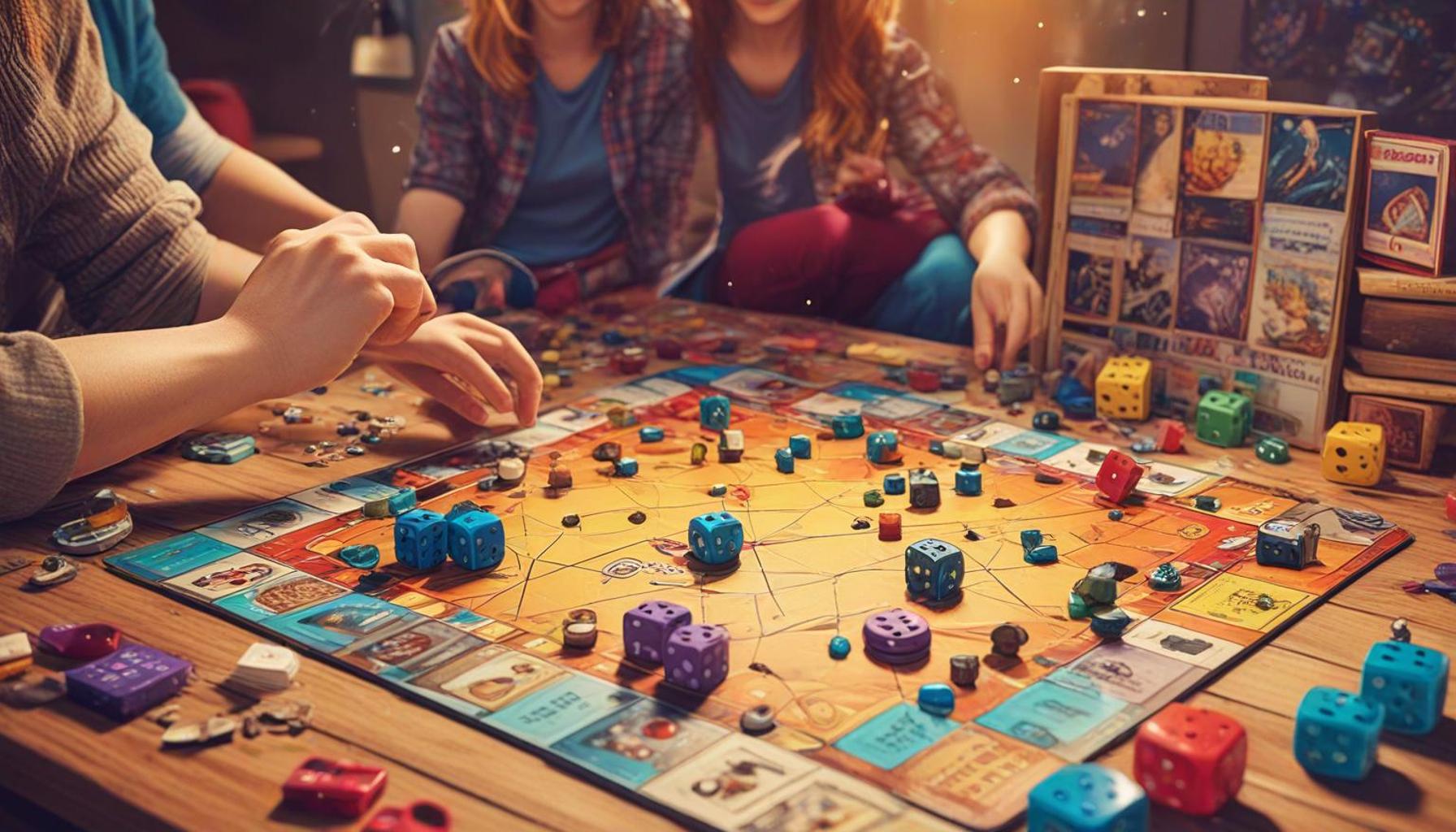
- Boosted Social Interaction: Puzzles provide opportunities for social engagement, as friends and family can collaborate on solving them, thus fostering teamwork and communication through shared goals.
Particularly in Nigerian culture, puzzle-solving can often take on a communal dynamic. Games such as “Ayo,” traditionally played across various regions, embody not just competition but serve as social gatherings that facilitate laughter, connection, and bonding. This cultural context reveals how puzzles fulfill a dual role—acting as both an entertainment medium and a bridge that connects generations while enhancing interpersonal relationships.
Sustaining Long-Term Mental Health
Your interaction with puzzles goes beyond momentary enjoyment; it encourages the cultivation of habits that lead to long-term mental health. Regular engagement with puzzles can facilitate better stress management, build resilience, and improve overall quality of life. By incorporating puzzling into your daily routine, whether solitary or within a community context, you can uncover a reliable tool for grounding yourself amid the chaos of modern living.
In summary, adopting puzzles into your lifestyle not only offers a fun way to challenge your mind but also contributes to your emotional well-being. Their multifaceted benefits, from enhancing cognitive skills to promoting social connections, become increasingly invaluable in today’s fast-paced world, making them an essential aspect of a balanced and healthful life.
The intersection of psychological well-being and cognitive activities presents a fascinating area for exploration, especially when focusing on the role puzzles play in reducing stress. Cognitive activities like puzzle-solving are not just leisurely pastimes; they serve as potent tools to engage the mind while simultaneously relieving stress. Stress management is essential in today’s fast-paced world, where overwhelming obligations can often lead to mental fatigue.
Puzzles offer a unique blend of challenge and distraction. This dynamic promotes mindfulness, anchoring the player in the present moment. When one is deeply immersed in assembling a puzzle, the brain shifts its focus away from stressors, helping to usher in a sense of calm. Additionally, engaging in puzzles not only provides a mental workout but also produces a sense of achievement once completed, fueling further cognitive engagement and satisfaction.
Moreover, the combination of riddles and brain teasers can elevate dopamine levels in the brain, a neurotransmitter associated with feelings of pleasure and reward. As puzzlers tackle intricate problems, their brains reward them with a surge of dopamine, which plays a crucial role in boosting mood and reinforcing positive mental states. Evidence suggests that regular engagement in cognitive activities—such as puzzles—enhances overall psychological resilience, enabling individuals to manage stress more effectively.
Whether it’s a jigsaw puzzle, crossword, or Sudoku, each type stimulates different cognitive processes, contributing to improved problem-solving skills and memory enhancement. As players navigate these challenges, their cognitive flexibility increases, showcasing how such leisure activities are not mere entertainment but essential components of a healthy lifestyle.
| Category | Advantages |
|---|---|
| Cognitive Engagement | Puzzles activate areas of the brain responsible for problem-solving and enhance mental agility. |
| Stress Relief | Engaging in puzzle-solving diverts attention from stress, fostering relaxation and mindfulness. |
This captivating interplay between puzzles and cognitive function underscores their value in enhancing mental health. Each puzzle solved not only represents a task completed but also a step towards a more tranquil mind, challenging the stigma that leisure activities cannot contribute significantly to psychological well-being.
LEARN MORE: This related article may interest you
Exploring Different Types of Puzzles for Stress Relief
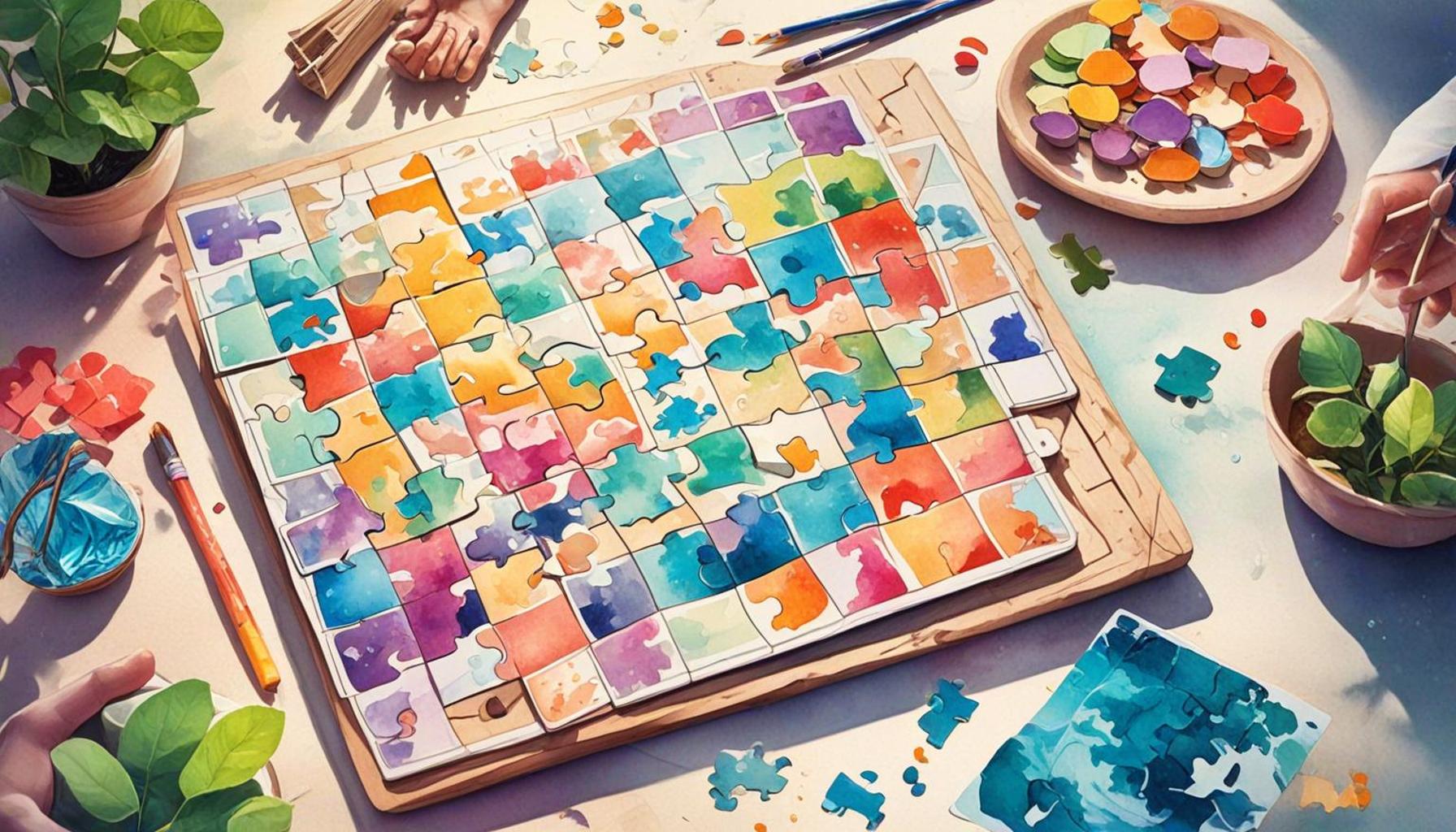
Considering the diverse range of puzzles available, it becomes evident that engaging with specific types can yield distinct mental health benefits. For instance, jigsaw puzzles, which require individuals to visualize the big picture and pay attention to minute details, promote patience and persistence. As each piece is examined and placed, the satisfaction of seeing a cohesive image come together can enhance mood and provide a sense of accomplishment. This gradual build-up of confidence can be especially beneficial for individuals managing stress, as it encourages them to focus on achievable goals.
Crossword puzzles, on the other hand, engage different cognitive skills, such as vocabulary and general knowledge. They stress the importance of lateral thinking and memory recall, providing a form of mental exercise that sharpens the brain’s faculties. Research has shown that regularly engaging in word games not only improves cognitive function but also slows down cognitive decline, making it an appealing option for those seeking both enjoyment and mental fortitude. In Nigeria, linguistic diversity adds an interesting layer to crossword puzzles as individuals can adapt the clues and answers to local dialects or cultural references, making them more relatable and stimulating.
Technological Integration: Digital Puzzles and Apps
In an evolving digital age, the incorporation of puzzles into applications and online platforms is gaining momentum. Interactive puzzle apps, such as those featuring Sudoku and brain-teasers, allow users to tailor their experience, adjust difficulty levels, and track progress over time. These digital solutions make puzzles more accessible than ever, encouraging individuals to engage in stress-reducing activities on-the-go. The convenience of mobile applications allows users to find brief moments of distraction during hectic days, providing an instant reprieve from pressures.
Moreover, platforms that promote multiplayer puzzles foster a sense of community and collaboration. Inviting friends to join online puzzle challenges can turn solo activities into social engagements, leveraging technology to strengthen bonds and reduce feelings of isolation. As communal activities are integral to Nigerian culture, this modern blend of technology and tradition allows for further engagement, enhancing not only individual mental wellness but also collective connections.
Scientific Insights into the Therapeutic Properties of Puzzles
Various studies illustrate the measurable benefits of puzzle engagement on mental health. Research published in respected journals highlights that regular engagement in cognitive activities, like puzzles, can trigger the release of endorphins—the body’s natural feel-good chemicals. This neurochemical boost can lead to enhanced mood and reduced levels of stress. Furthermore, according to the American Psychological Association, problem-solving activities can generate significant reductions in cortisol levels—the hormone responsible for stress, illustrating a direct link between puzzle-solving and physiological stress relief.
- Structured Problem-Solving: Puzzles provide a structured way to approach challenges, enabling individuals to break down complex problems into manageable steps, thereby reducing overwhelm.
- Sense of Accomplishment: Completing a challenging puzzle lends a palpable sense of achievement, reinforcing positive self-esteem and motivating individuals to tackle larger life challenges.
- Cognitive Resilience: Regularly engaging with puzzles can help build cognitive resilience, improving one’s ability to cope with and adapt to stressors in life.
Ultimately, the interplay of these factors underpins the compelling argument for integrating puzzles into daily life. As a wholesome pastime that caters to a range of interests, puzzles can be the antidote to the stressors of everyday modern living, promoting not only mental vitality but also social connectivity.
LEARN MORE: This related article may interest you
Conclusion: The Transformative Power of Puzzles in Stress Reduction
In summary, the exploration of how puzzles can reduce stress reveals a fascinating intersection of cognitive engagement and emotional well-being. From jigsaw puzzles that foster a sense of accomplishment to crossword puzzles that enhance cognitive function, each type of puzzle provides unique mental health benefits that cater to varied preferences and skills. Furthermore, the technological integration of puzzles through mobile apps ensures that these engaging activities are more accessible than ever, allowing individuals to find brief moments of respite amid their busy lives.
The scientific insights into the therapeutic properties of puzzles underline the dual advantage of enhancing cognitive activity while lowering stress levels. The release of endorphins and decreased cortisol levels are compelling reasons to consider puzzles as essential tools in managing stress. Structured problem-solving not only helps in breaking down complexities but also aids in building greater cognitive resilience. This ability to handle stressors can lead to a more balanced and fulfilling life.
Therefore, whether it’s through a digital platform that connects friends or a solitary evening spent piecing together a vibrant scene, engaging with puzzles emerges as a powerful strategy for promoting mental wellness. As Nigeria embraces both its rich cultural traditions and the innovations of the digital world, incorporating puzzles into daily routines can foster greater community bonds and enhance personal well-being. For those seeking to alleviate stress, the invitation is clear: dive into the world of puzzles and rediscover a pathway to peace and pleasure.

Linda Carter
Linda Carter is a writer and puzzle expert specializing in mind games, brain teasers, and cognitive challenges. With extensive experience helping individuals enhance their problem-solving skills and think critically, Linda shares her knowledge on our platform. Her goal is to empower readers with practical advice, engaging puzzles, and strategies to sharpen their minds and achieve success in the captivating world of mind games and puzzles.