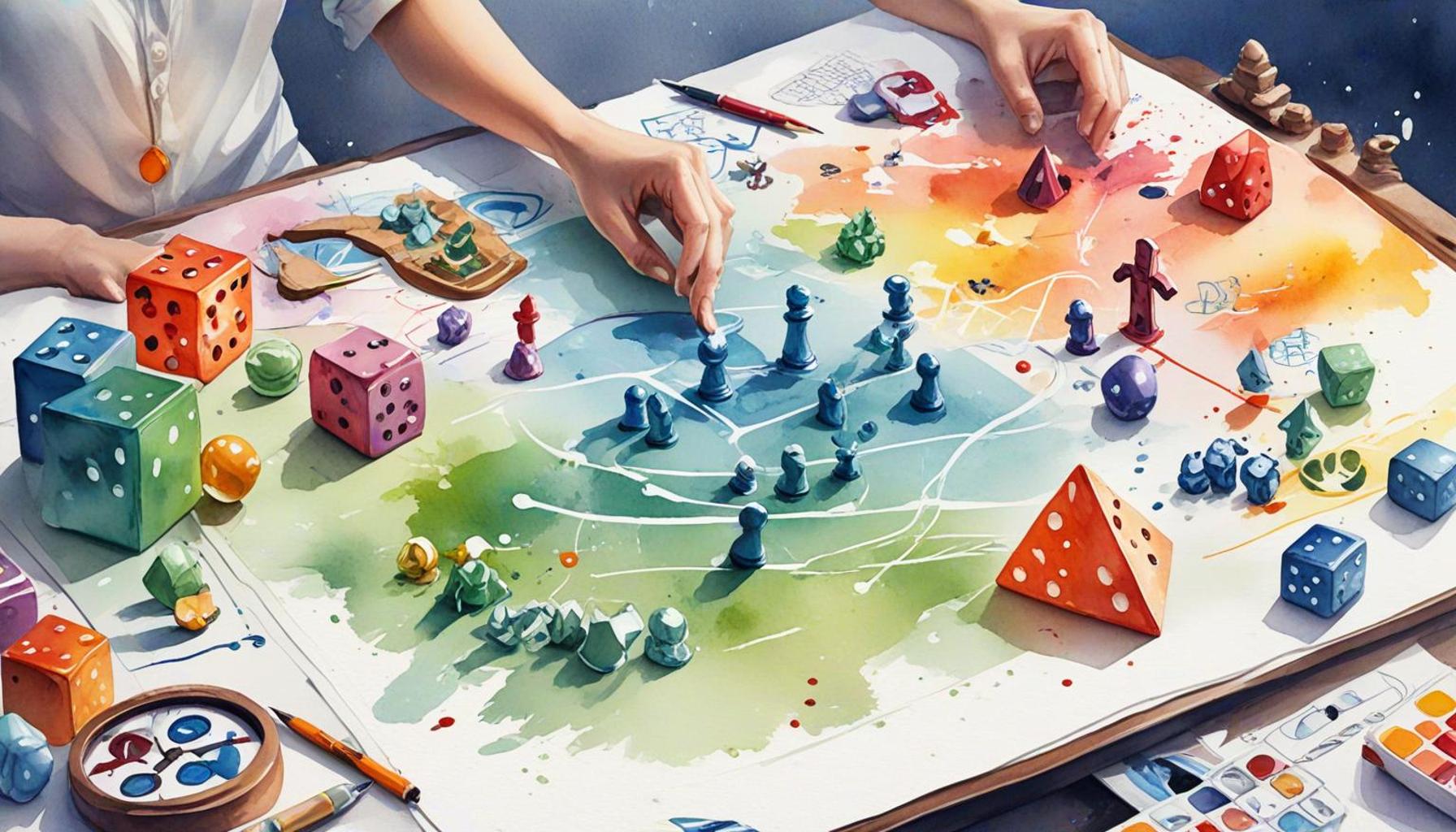
Unveiling Puzzles: How Solving Puzzles Can Enhance Creativity and Critical Thinking
Unlocking the Benefits of Puzzles
In a world where challenges surface daily, the ability to think critically and creatively is more crucial than ever. One engaging way to boost these skills is through the art of solving puzzles. Whether it’s a crossword, Sudoku, or a jigsaw puzzle, these activities present an opportunity to enhance cognitive abilities.
Why Are Puzzles Important? Consider the benefits:
- Stimulate Brain Activity: Regularly engaging in puzzles keeps the mind sharp. Studies have shown that activities requiring mental agility, such as puzzles, can slow cognitive decline and even delay the onset of conditions like dementia. In Nigeria, where education and mental development are paramount, incorporating puzzles in schools could serve as a valuable tool for sharpening young minds.
- Encourage Problem-Solving: Puzzles require strategic thinking and patience to reach solutions. For example, solving a Rubik’s Cube demands understanding spatial relationships and applying logic, skills that are indispensable in academic fields like mathematics and engineering. As a nation with a growing emphasis on STEM (Science, Technology, Engineering, and Mathematics) education, Nigeria stands to benefit significantly from the problem-solving skills cultivated through puzzle-solving.
- Boost Creativity: New perspectives often emerge while trying to solve a challenging puzzle. One might discover innovative ways to think about everyday problems. In Nigeria, a country rich in cultural diversity, puzzles can serve as a medium for individuals to explore different viewpoints and styles of thinking—whether through traditional beadwork patterns or contemporary art forms.
Moreover, puzzles can be tailored to various contexts, making them a versatile tool for personal development. For instance, local Nigerian artisans can incorporate traditional motifs into jigsaw puzzles, offering not only entertainment but also a chance to learn about cultural heritage. This not only engages players but can also ignite an interest in art and craftsmanship.
As we dive deeper into this topic, you’ll discover how embracing puzzles can not only be a beneficial pastime but a strategic move to sharpen your mind. The excitement of fitting those last pieces together can be as gratifying as achieving personal goals. Engaging with puzzles offers more than entertainment; it presents an opportunity for self-improvement and cognitive growth. Are you ready to explore the fascinating connection between puzzles and mental prowess?
ADDITIONAL INSIGHTS: Expand your understanding here
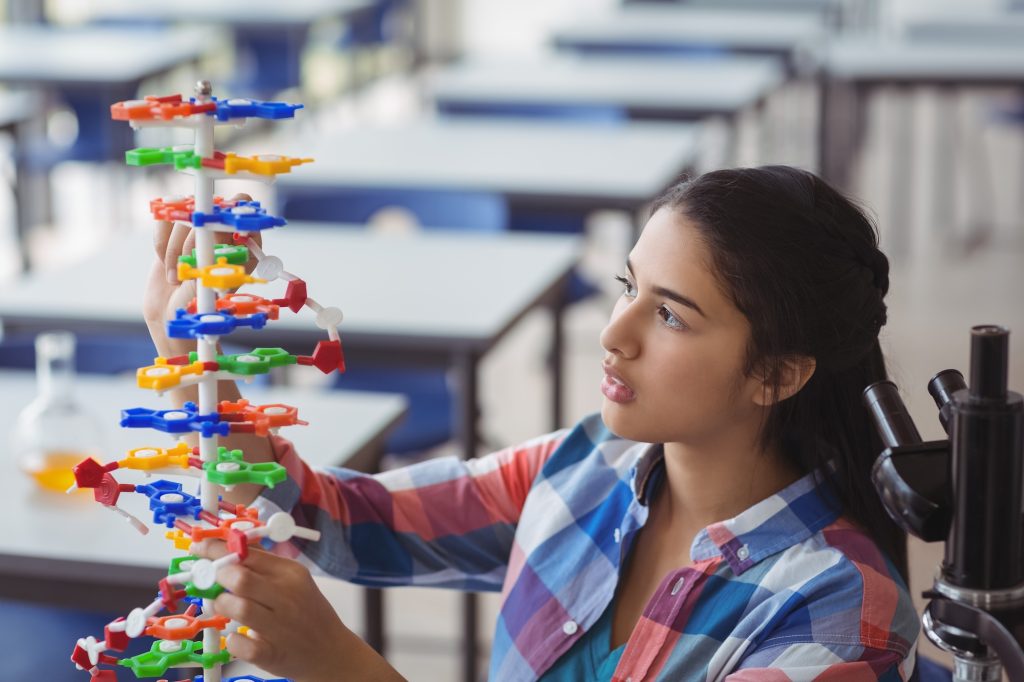
The Cognitive Benefits of Puzzles
Puzzles, often perceived as mere entertainment, are gateways to enhancing critical thinking and creativity. They engage the mind in a way that standard activities may not, requiring a mix of logic, pattern recognition, and imaginative thinking. Let’s take a closer look at how solving puzzles fosters these essential capabilities.
Engaging the Mind through Challenges
At the core of puzzle-solving lies the challenge it presents—all puzzles share a common goal: to push the solver toward finding a solution. When faced with a crossword puzzle, for instance, one must not only rely on vocabulary but also infer meanings and context clues that require a higher level of comprehension. This process naturally cultivates analytical skills and boosts brain function. In Nigeria, where literacy rates are steadily improving, schools can harness this potential by incorporating puzzles into the curriculum, enhancing students’ learning experiences.
Building Problem-Solving Skills
Solved or unsolved, each puzzle encourages an iterative process of trial and error. By analyzing their mistakes and successes, individuals develop resilience—a key component in effective problem-solving. Through this practice, individuals can learn to approach challenges methodically, an invaluable skill in both academic and professional realms. Education programs focusing on STEM in Nigeria are increasingly emphasizing these competencies, showcasing how puzzles can bridge the gap between theory and practical application.
The Role of Creativity in Solutions
In tandem with developing critical thinking, puzzles significantly enhance creativity. They offer a platform for divergent thinking—the ability to generate multiple solutions for a given problem. For instance, a jigsaw puzzle requiring spatial reasoning often leads the solver to think outside the conventional framework, experimenting with various configurations until the right fit is found. This experience translates well into real-world situations, where innovative problem-solving is highly prized.
Creativity isn’t just a personal attribute; it can extend into collaborative efforts. Group puzzle-solving activities can create an exciting atmosphere, prompting individuals from diverse backgrounds to share their unique perspectives. In Nigeria’s vibrant communities, involving various cultural narratives can enrich these interactions, allowing participants to explore solutions together while absorbing different ways of thinking.
Activities That Foster Skill Enhancement
To further delve into how puzzles enhance creativity and critical thinking, consider these engaging activities:
- Crossword Riddles: Crafting your own crossword can improve vocabulary while sharpening your analytical skills.
- Sudoku Puzzles: These require logical reasoning and can be adapted to various skill levels, making them suitable for everyone.
- Collaborative Jigsaw Projects: Doing jigsaw puzzles in groups can drive teamwork and inspire creative discussions.
Through participation in these activities, individuals not only strengthen their brain functions but also foster stronger connections with their peers, building a community rooted in collective problem-solving.
As we explore the intricate relationship between puzzles and mental faculties, it becomes clear that the benefits extend far beyond mere pastime activities. In Nigeria, where the quest for knowledge continually evolves, incorporating puzzles into daily routines can be a crucial strategy for harnessing the untapped mental potential within communities.
| Advantages of Puzzles | Impact on Creativity and Critical Thinking |
|---|---|
| Enhanced Problem-Solving Skills | Solving puzzles stimulates the brain, fostering advanced analytical skills as individuals learn to approach challenges from various angles. |
| Boosted Cognitive Flexibility | Regular engagement with puzzles helps enhance adaptability in thought processes, encouraging innovative solutions in both academic and real-world situations. |
| Increased Memory Retention | Puzzles often require recalling patterns or strategies, thus improving memory and retention, which are essential for effective problem-solving. |
| Improved Focus and Concentration | Working on puzzles demands a level of concentration that can enhance overall attention span and focus, which translates into academic and personal pursuits. |
Engaging in puzzle-solving exercises can be a powerful tool in developing creativity and critical thinking. As individuals navigate different types of puzzles, they inadvertently sharpen their problem-solving abilities. This process not only helps in academic success but also prepares them for unforeseen challenges in everyday life. The world of puzzles encompasses a myriad of forms—riddles, crosswords, Sudoku, and jigsaw puzzles, each offering unique ways to engage and stimulate the brain. Moreover, the social aspect of puzzle-solving often enhances collaborative thinking, as individuals discuss strategies and solutions. This interaction fosters a sense of community while promoting diverse perspectives and solutions—key elements in nurturing a culture of creativity. As individuals unlock the mysteries behind puzzles, they embark upon a journey that can redefine their cognitive capabilities, challenging traditional thought patterns and encouraging a broader outlook on life.
CHECK OUT: Click here to explore more
Unlocking Potential: The Practical Applications of Puzzles
Puzzles serve as much more than brain teasers; they can become vital tools in developing skills that are increasingly important in today’s dynamic world. From enhancing cognitive flexibility to promoting team-building, the advantages of puzzle-solving are countless and profoundly impactful.
Puzzles in Professional Environments
In the business realm, creativity and critical thinking are essential for innovation and problem resolution. Empirical studies have shown that engaging employees in puzzle-related activities can lead to enhanced brainstorming sessions and more innovative solutions. For instance, many companies in Nigeria are beginning to recognize the value of projects that include team-based challenges, like escape rooms or logic puzzles, to stimulate collaborative thinking among employees. This approach not only fosters a sense of teamwork but also invites diverse thought processes, making room for groundbreaking ideas that propel businesses forward.
Impact on Academic Performance
Puzzles can be particularly beneficial in educational settings, providing a rich landscape for learning. Research indicates that students who regularly engage in puzzles exhibit superior problem-solving abilities and adaptability in various subjects, notably in mathematics and sciences. In Nigerian schools, the integration of puzzles into mathematics lessons, for example, can help students grasp complex concepts more effectively. For instance, using mathematical riddles can turn abstract formulas into tangible problems to solve, significantly increasing comprehension and retention.
Puzzles and Mental Health Benefits
Beyond enhancing intellectual capabilities, puzzles can also improve mental well-being. Engaging in puzzle-solving has been shown to decrease stress levels and boost mood, acting as a form of mindfulness. In Nigeria, where mental health awareness is gradually gaining traction, incorporating puzzles into therapy sessions could empower individuals by providing a constructive outlet for mental challenges. Creative problem-solving, accentuated through puzzles, encourages individuals to focus on solutions rather than problems, facilitating a positive mindset.
The Community Effect: Fostering Connections and Cultural Exchange
As puzzles cross generational and cultural boundaries, they also inspire social interaction. In Nigeria’s multifaceted society, public puzzle-solving events can serve as a radiant melting pot for various cultures to convene and collaborate over engaging activities. By hosting community-wide puzzle-solving competitions or workshops, Nigerians can showcase their rich heritage while sharing unique approaches to solving problems. Such initiatives can cultivate a sense of unity and inclusiveness, aligning communal goals around creativity and critical thinking.
Embracing Digital Age Puzzles
With the digitization of education and entertainment, there is an increasing prevalence of online puzzles and mobile applications that cater to all ages. These digital puzzle formats not only provide a source of entertainment but can also improve cognitive skills in a convenient way. Platforms offering daily brain teasers can serve as a vital tool for anyone looking to sharpen their mental agility. In Nigeria, where mobile internet usage is soaring, educators and parents alike can leverage these digital resources to engage students and enhance their problem-solving skills effectively.
Ultimately, puzzles are powerful instruments that can unlock the potential within individuals and communities alike. By embedding these engaging activities into various aspects of life—in educational curricula, workplaces, and communities—Nigerians can explore new pathways toward growth in both critical thinking and creativity. The promise of puzzles stretches far beyond mere fun, presenting opportunities for development and collaboration in an ever-evolving world.
CHECK OUT: Click here to explore more
Bridging the Gaps: The Lasting Impact of Puzzles on Society
As we have explored throughout this article, puzzles serve as more than just entertainment; they are essential tools for enhancing both creativity and critical thinking across various domains of life. From professional environments that thrive on innovation to educational settings that benefit from improved problem-solving abilities, puzzles can transform the way we engage with complex challenges. In Nigeria, the integration of puzzle-solving activities can pave the way for a culturally rich approach to learning and collaboration, positively impacting both individual growth and community cohesion.
In addition to their cognitive benefits, puzzles present significant advantages for mental health, allowing individuals to channel their stresses into constructive activities while fostering a positive mindset. Furthermore, the rise of digital puzzles creates a new realm of accessibility that can reach diverse demographics, ensuring that everyone has the chance to sharpen their minds.
Ultimately, engaging with puzzles cultivates not only intellectual stimulation but also social connection, bridging generational and cultural divides. The potential for puzzles to spark creativity, invoke critical analysis, and unite communities cannot be overlooked. As Nigerians embrace these intriguing activities in schools, workplaces, and public gatherings, they will discover new avenues for growth and development, thereby enriching their lives and society as a whole. The journey into the world of puzzles is an adventure worth taking—a path to unlocking untapped potential and transforming our collective future.

Linda Carter
Linda Carter is a writer and puzzle expert specializing in mind games, brain teasers, and cognitive challenges. With extensive experience helping individuals enhance their problem-solving skills and think critically, Linda shares her knowledge on our platform. Her goal is to empower readers with practical advice, engaging puzzles, and strategies to sharpen their minds and achieve success in the captivating world of mind games and puzzles.