
The Importance of Math Games in the Development of Logical Reasoning and Cognitive Improvement

Importance of Critical Thinking in Education
In a world that is increasingly driven by technology and complex problem-solving, the ability to think critically has become paramount. This skill is not only crucial for academic success but also vital for making informed decisions in everyday life. By nurturing critical thinking skills during childhood, we prepare future generations to navigate challenges creatively and effectively. One underappreciated avenue for cultivating these skills is through math games, which provide a blend of enjoyment and learning that traditional methods may lack.
The Role of Math Games in Skill Development
Math games are not just a source of entertainment; they are learning tools that engage children in ways other educational activities might not. With each game, children are encouraged to tackle problems in a fun environment, making the learning process both challenging and enjoyable. Here are some key benefits:
- Enhanced problem-solving skills: Games like Sudoku or chess compel players to think critically and formulate strategies. As children plan their moves, they learn to evaluate multiple outcomes and make decisions based on logic rather than guesswork.
- Improved memory: Frequent engagement with math concepts—be it through counting beads, solving puzzles, or playing board games—strengthens mental recall and retention. For instance, classic card games can reinforce number recognition and arithmetic while also improving focus.
- Increased perseverance: Games often involve a series of challenges that require players to try repeatedly until they succeed. This iterative process teaches resilience and a growth mindset, essential traits for overcoming obstacles in academics and life.
Localized Approach to Math Games in Nigeria
In Nigeria, where educational resources may be scarce, integrating math games into the curriculum presents an opportunity to bridge the educational divide. Local games such as Oware, a traditional board game that develops strategic thinking and arithmetic skills, can be utilized effectively in classrooms. Teachers can adapt these games to align with curriculum standards while also fostering a sense of cultural identity. Moreover, involving parents in the learning process through community-centric games cultivates an environment where education is valued both at home and in the community.
Transforming Attitudes Towards Mathematics
With a thoughtful approach, math games can transform the perception of mathematics from a daunting subject to an engaging and enjoyable experience. Research shows that when children associate learning with fun, their receptivity to difficult concepts noticeably improves. This shift in attitude can lead to enhanced logical reasoning and cognitive abilities, resulting in better academic outcomes and personal growth. As we navigate this engaging intersection of play and learning, it becomes clear that math games are a potent vehicle for cultivating essential skills in children, shaping not just their academic journey but their overall development.
CHECK OUT: Click here to explore more
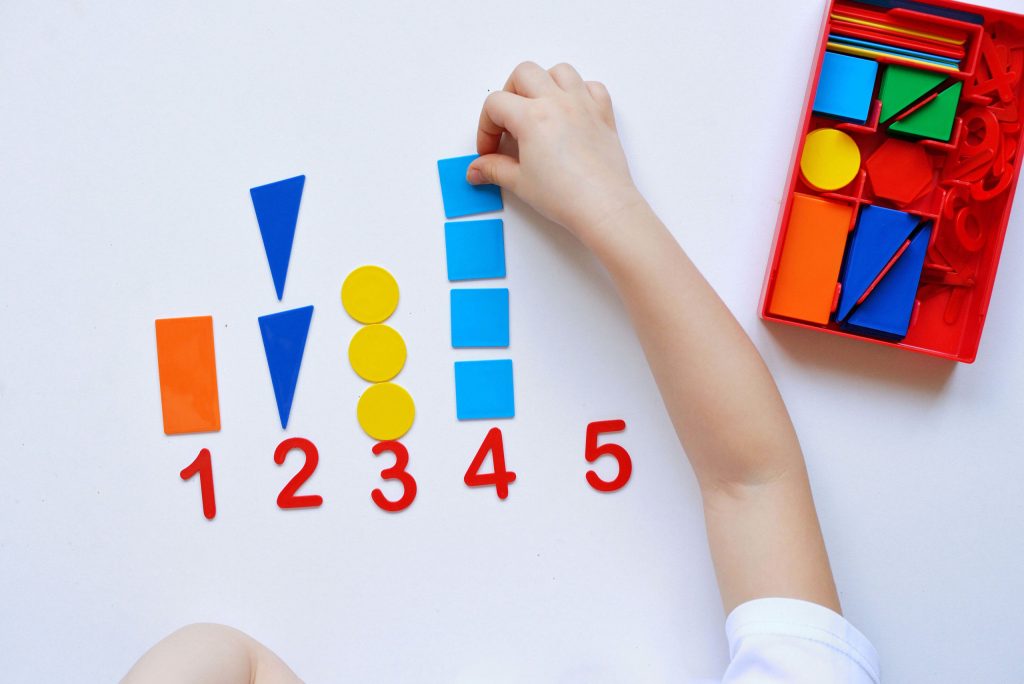
Unleashing the Power of Play: Math Games as Catalysts for Cognitive Development
In today’s fast-paced world, the ability to think logically and make reasoned decisions is more crucial than ever. For children, this requires not only a basic understanding of mathematical concepts but also the capacity to apply these concepts to real-world situations. Math games offer a unique platform that merges play with learning, enabling children to cultivate essential cognitive skills in an interactive manner. By engaging in these games, youngsters develop a more profound understanding of mathematical principles while simultaneously honing their logical reasoning abilities.
How Math Games Foster Cognitive Improvement
The impact of math games on a child’s mind extends far beyond mere numbers and calculations. These games act as a cognitive workout, offering a variety of benefits that lay the foundation for higher-level thinking. The following highlights some of the significant advantages:
- Critical thinking enhancement: Math games challenge children to approach problems differently, prompting them to analyze situations from multiple perspectives. For instance, when playing board games that involve addition, children are not just adding; they’re strategizing and predicting the implications of their choices, which sharpens their critical thinking skills.
- Development of analytical skills: Engaging in games that require pattern recognition, such as number puzzles or logic grids, allows children to practice breaking down complex problems into smaller, manageable parts. This analytical approach is essential for mathematics and other subjects, as it fosters an understanding of how to tackle larger concepts incrementally.
- Boosting numerical literacy: Math games encourage frequent interaction with numbers, improving children’s math fluency and confidence. For example, games such as bingo can incorporate multiplication or division, helping children naturally familiarize themselves with these operations without the pressure that other forms of study might impose.
The Cultural Significance of Math Games in Nigeria
In Nigeria, incorporating local math games into educational practices not only improves cognitive skills but also celebrates cultural heritage. Traditional games like Damii and Oware serve as excellent examples where mathematical concepts are embedded within cultural contexts. These games not only foster mathematical skills but also promote interpersonal relationships and teamwork among players. Teachers and educators are encouraged to embrace these methods, which not only align learning objectives with local traditions but also generate interest and enthusiasm among students. By weaving together cultural identity and education, classrooms can flourish in a manner that is both engaging and relevant.
Fostering a Lifelong Love for Mathematics
As children engage with math games, they begin to view mathematics not as a dry subject confined to textbooks but as an exciting field filled with possibilities. This transformation can ignite a passion for learning that lasts a lifetime. Studies indicate that early interactions with interactive learning tools, like math games, result in better academic performance down the line. Hence, investing in these tools today means paving the way for a future generation equipped to tackle both academic challenges and everyday problems with confidence.
| Benefits of Math Games | Key Features |
|---|---|
| Enhances Problem-Solving Skills | Math games encourage children to think critically and develop solutions to challenges presented in gameplay. |
| Boosts Engagement and Motivation | Interactive elements of educational games keep learners interested, transforming dull math concepts into exciting scenarios. |
| Cognitive Skill Development | Games incorporate memory, pattern recognition, and strategic thinking, essential for enhancing overall cognitive abilities. |
| Teamwork and Communication | Playing math games in groups promotes collaboration and social skills as children learn to share strategies and ideas. |
Math games serve as an effective tool in the educational landscape, particularly in developing logical reasoning and fostering cognitive improvement in children. By blending fun with learning, these games provide a unique opportunity for young learners to engage with mathematical concepts actively. The act of solving problems in a game environment allows children to experience the process of discovering solutions in a low-pressure setting, reinforcing their understanding of fundamental principles. Furthermore, the competitive aspect of multiplayer math games enhances the experience, encouraging peer interaction which can lead to a stronger grasp of mathematical concepts. As children work together or against one another, they develop social skills alongside mathematics. The joy found in play transforms the learning process, making it an essential part of modern education that caters to diverse learning styles.
RECOMMENDED: Check out this similar article
Engaging Through Technology: Digital Math Games
In an age where technology permeates every aspect of life, digital math games have emerged as a compelling resource for enhancing cognitive skills among children. These interactive platforms not only provide a wealth of engaging content but also have the unique capacity to tailor experiences to individual learning styles. For instance, applications and online games designed for various age levels can adapt according to a child’s progress, which ensures that challenges are always at an appropriate level.
Gamification: Making Learning Fun and Effective
Through gamification, educational systems in Nigeria are beginning to recognize the value of making math enjoyable. By incorporating elements of competition, rewards, and storytelling into math lessons, educators can transform the learning process. This approach fosters an environment where children develop persistence and resilience. Research suggests that when students are allowed to fail and try again in a game format, their brains learn to approach problem-solving with a growth mindset, viewing obstacles as stepping stones to success.
The Role of Collaboration in Math Games
Another enriching aspect of math games is their ability to promote collaborative learning. Games that encourage two or more players to team up can significantly strengthen communication skills and teamwork among peers. As children work together, they share strategies, articulate their thought processes, and negotiate solutions, all while practicing essential math concepts. For instance, a game like Math Jeopardy can be played in groups, creating opportunities for dialogue and cooperation, which enhances their cognitive grasp on the subject matter.
Enhanced Engagement and Motivation
Children often struggle with maintaining interest in traditional classroom settings, where rote memorization and repetitive drills dominate. However, this is not the case with {math games}. Research from educational institutions has consistently shown that game-based learning experiences lead to increased motivation and engagement. For example, a study conducted among Nigerian students revealed that those who participated in structured math games exhibited a 40% improvement in their overall math performance compared to those engaged in conventional learning techniques.
Bridging the Gap: Math Games for Diverse Learning Needs
Math games can also serve as valuable tools for children with diverse learning needs, including those with dyscalculia or other learning disabilities. Tailored gaming environments can provide a supportive atmosphere that allows these students to thrive, offering visual and auditory cues that enhance understanding. Educational apps can introduce concepts slowly and repetitively, ensuring that all children, regardless of their abilities, can join in the learning journey. Furthermore, the inclusive nature of many games encourages children to interact together, breaking down barriers and fostering empathy among peers.
Reinforcing Cultural Contexts within Learning
Incorporating traditional math games into the educational framework can also enhance cultural relevance. Embracing local mathematical games, like Ayo or Okwe, helps students connect their heritage with modern educational practices. By leveraging familiar cultural references, educators can engage students more effectively, making the learning experience relatable and enriching. This connection not only fortifies their mathematical understanding but also instills a sense of pride in their cultural identity.
Overall, math games emerge as vital instruments in nurturing a child’s logical reasoning and cognitive abilities, playing a transformative role in education and equipping future generations for academia and beyond.
LEARN MORE: This related article may interest you
Conclusion: Unlocking Potential Through Math Games
In conclusion, the integration of math games into educational frameworks offers an innovative pathway for enhancing logical reasoning and promoting cognitive improvement among children. By utilizing engaging digital platforms and incorporating elements of gamification, educators are able to transform traditional learning methods into interactive experiences that captivate students’ attention and foster a deeper understanding of mathematical concepts.
The collaborative nature of these games not only enhances critical soft skills, such as teamwork and communication, but also nurtures resilience and problem-solving capabilities. Furthermore, the adaptability of math games allows for inclusivity, ensuring that all learners, regardless of their unique challenges, are able to participate and thrive. This is particularly important in a diverse educational landscape, such as that of Nigeria, where accessibility and cultural relevance contribute to effective learning outcomes.
As we embrace these innovative learning tools, it’s essential for educators, parents, and policymakers to recognize the substantial impact that math games can have on a child’s cognitive development. By fostering a love for mathematics through engaging and relatable experiences, we empower future generations to not only excel academically but also to approach challenges with confidence and creativity. As such, investing in math games is an investment in the future of our children and our educational systems.

Linda Carter
Linda Carter is a writer and puzzle expert specializing in mind games, brain teasers, and cognitive challenges. With extensive experience helping individuals enhance their problem-solving skills and think critically, Linda shares her knowledge on our platform. Her goal is to empower readers with practical advice, engaging puzzles, and strategies to sharpen their minds and achieve success in the captivating world of mind games and puzzles.