
The Influence of Strategy Games on Decision Making and Problem Solving

The Influence of Strategy Games on Cognitive Skills
In today’s fast-paced environment, strategy games have emerged as powerful tools for honing decision-making skills and enhancing problem-solving abilities. These games, often associated with entertainment, offer profound learning experiences that extend beyond the screen, contributing significantly to personal development and social interaction.
Consider the following reasons why strategy games are influential:
- Cognitive Development: Players engage in critical thinking and analysis. Strategy games require individuals to assess situations quickly, analyze the potential outcomes of their decisions, and adjust their tactics based on their opponents’ moves. For example, games like Chess challenge players to think multiple steps ahead, which cultivates foresight and planning.
- Real-life Applications: Skills gained can be applied in fields like business and education. The strategic planning involved in games such as Civilization or StarCraft can mirror business scenarios where resource management and competitive strategies are essential. Similarly, educators can incorporate these elements in classroom settings to enhance engagement and foster innovative thinking among students.
- Social Interaction: Players learn collaboration and negotiation strategies. Many strategy games are designed for multiplayer formats, encouraging players to work in teams, negotiate alliances, and resolve conflicts. In Nigeria, games such as ayo or ludo serve as platforms for socializing, where individuals utilize their interpersonal skills to connect with others and challenge their critical thinking abilities.
In Nigeria, the traditional love for games like ayo and ludo is being complemented by the rise of modern strategy games. This convergence not only preserves cultural heritage but also introduces new dimensions to gameplay. Many players find themselves faced with complex challenges that require quick thinking and adaptability, mirroring real-life scenarios such as workplace dynamics or competitive sports.
This article will delve into how these games influence individuals, particularly in making informed decisions and solving problems efficiently. By investigating different aspects of strategy games, we can uncover their impact on various age groups, from children learning teamwork and strategic thinking to adults refining their business acumen.
Moreover, understanding the implications for educational frameworks in Nigeria can lead to the incorporation of strategy games in the curriculum, enhancing learning through interactive means. For instance, schools could implement game-based learning sessions that teach students about economics, history, or teamwork while maintaining engagement.
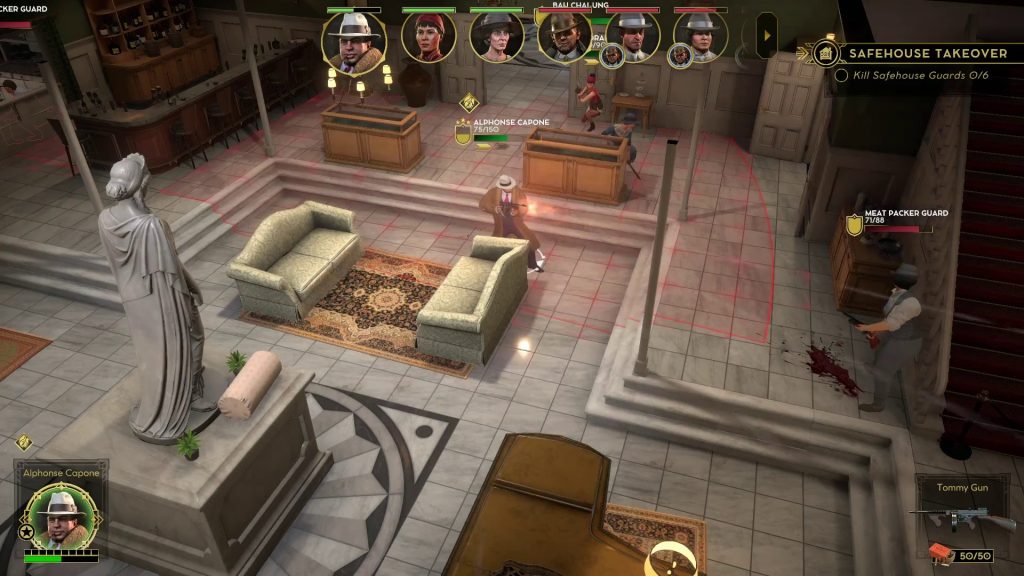
Stay tuned as we explore fascinating insights and research on this engaging topic of strategy games, their benefits, and their transformative potential in different settings across Nigeria!
CHECK OUT: Click here to explore more
Strategic Thinking: The Core Mechanism Behind Decision Making
At the heart of strategy games is the concept of strategic thinking, a mental process that significantly influences decision making and problem solving. These games engage participants in complex scenarios that require players to analyze variables, predict outcomes, and make informed choices under pressure. The immersive nature of these games not only captivates players but actively simulates real-world challenges that individuals might face in their daily lives.
Many modern strategy games, from classic board games to digital platforms, emphasize planning over mere luck. A crucial aspect of these games lies in their capacity to foster various cognitive skills. Here are some key characteristics:
- Analytical Thinking: Players must evaluate multiple factors, such as resource availability, potential threats, and the opponent’s strategy. For instance, when playing games like Settlers of Catan, strategic decisions about trade and expansion are essential to victory, echoing the analytical demands faced in business planning.
- Risk Assessment: Each decision carries potential risks. Players learn to weigh the benefits of aggressive moves against the hazards they present. This aspect trains individuals to manage fears of failure, ultimately enhancing their capability to make prudent choices in real-life scenarios.
- Adaptability: Adapting to unexpected changes is vital in strategy games. Players must modify their strategies based on evolving circumstances or opponent tactics. This flexibility mirrors the adaptability required in today’s fast-paced job market, where responding to sudden changes can determine success.
These elements of strategic thinking can have profound implications on various life aspects, particularly in a rapidly changing environment like Nigeria. As businesses strive to maintain a competitive edge, strategic expertise gained from games like Warcraft or Age of Empires can be crucial. The ability to strategize effectively can differentiate a successful entrepreneur from a less effective one.
Moreover, children engaging in strategy games can foster essential skills long before they enter the workforce. In Nigeria’s educational system, incorporating these games into classroom methodologies encourages students to make decisions in collaborative environments, thereby instilling a sense of teamwork and leadership.
The influence of these games extends beyond the classroom. For instance, community centers across Nigeria are increasingly hosting game nights focused on strategy-based games. These gatherings not only stimulate social interaction but also promote cognitive skills among participants of all ages. Players practicing negotiation in games like Monopoly can, in turn, enhance their ability to communicate and persuade effectively with peers and superiors.
As we continue to explore the intersection of strategy games and cognitive development, it becomes evident that their impact reaches far beyond the oblong screen or playing board. Understanding the ways in which these games improve decision-making and problem-solving skills can usher in new methodologies for education, business, and personal growth throughout Nigeria.
The Impact of Strategy Games on Cognitive Skills
Strategy games have long been recognized not just as sources of entertainment but also as powerful tools that can enhance various cognitive abilities. In fact, recent studies underscore the critical role these games play in improving decision-making and problem-solving skills among players. As individuals navigate complex game environments, they are often required to evaluate multiple factors simultaneously and anticipate the consequences of their actions.
One particular area of benefit lies in the ability to perform rapid assessments under pressure. For example, games like Chess and StarCraft demand players to make swift yet strategic decisions, enhancing their capacity to think ahead and adapt to changes. This skill is transferable to real-world scenarios, where quick thinking is invaluable, such as in crisis management or business strategy. Additionally, by engaging players in a simulated environment, these games promote a form of learning through trial and error, encouraging players to develop innovative solutions to varying challenges.
Collaboration and Communication Skills
Multiplayer strategy games further foster collaboration and teamwork, requiring players to communicate effectively to achieve common objectives. As players coordinate with teammates, they enhance their interpersonal skills, fostering a better understanding of group dynamics and the importance of collaboration in problem-solving.
Analytical Thinking and Planning
Furthermore, the analytical aspect of strategy games cannot be overlooked. Players are often tasked with analyzing an evolving game environment, determining resource allocation, and devising complex plans to outmaneuver opponents. This meticulous planning not only sharpens their analytical thinking but also encourages a systematic approach to problem-solving. These skills become essential as they navigate challenges in professional settings or daily life, where analytical prowess is a coveted trait.
| Category | Advantages |
|---|---|
| Cognitive Skill Enhancement | Improves decision-making and problem-solving abilities through gameplay dynamics. |
| Collaboration Skills | Fosters teamwork and effective communication needed to achieve common game goals. |
By exploring these cognitive advantages, we can appreciate how strategy games can serve as both enjoyable pastimes and valuable educational tools. The potential for personal and professional growth is vast, prompting further investigation into how these games can shape critical thinking skills in an increasingly complex world.
CHECK OUT: Click here to explore more
Developing Leadership and Teamwork Skills Through Strategy Games
Another vital aspect of strategy games is their ability to cultivate leadership and teamwork skills. These games often require players to collaborate, strategize, and lead their teams towards achieving common goals, mirroring the dynamics experienced in workplaces. For instance, in games like Team Fortress 2 or Dota 2, players must assess team roles, encourage communication, and manage group dynamics—all of which are critical competencies in professional environments.
As young individuals engage in strategy games, they are exposed to scenarios that necessitate strong leadership. For instance, a player appointed as a team captain must not only devise winning strategies but also motivate their peers, manage conflicts, and make pivotal decisions. These experiences translate directly into the workplace, where effective leadership is crucial in motivating employees and driving project success. In Nigeria, nurturing these skills at an early age can empower the youth to take on leadership roles in various sectors, from technology to entrepreneurship.
A remarkable example of this influence can be seen in schools where strategy games are integrated into the curriculum. Programs like Junior Achievement Nigeria utilize simulation games to teach students about business operations while enhancing their ability to work as a team and lead groups. Game-based learning nurtures a generation that is not only competent in technical skills but can also collaborate effectively, reflecting the diverse workforce in Nigeria.
Emotional Intelligence and Conflict Resolution
Moreover, strategy games play a unique role in developing emotional intelligence. Players often face situations where they must understand their opponents’ tactics and emotions, leading to improved empathy and social awareness. Games such as Risk or Chess require players to anticipate their opponents’ moves, prompting them to cultivate a deep understanding of human behavior and interpersonal relations. This emotional acuity is essential in navigating workplace dynamics and resolving conflicts, which is particularly important in Nigeria’s multifaceted societal structure.
Conflict resolution skills are further honed as players navigate game scenarios that involve negotiations and alliances. The resolution of conflicts in strategy games not only builds resiliency but also equips individuals with techniques that can be employed in real-world situations. Players learn the importance of listening, understanding multiple perspectives, and finding common ground—skills that become invaluable in both personal and professional settings.
Real-World Implications and Community Engagement
The implications of these skills extend beyond individual development. In Nigeria’s diverse communities, strategy games can act as a bridge to foster collaboration among youth from various backgrounds. Community initiatives that promote game nights or tournaments, for example, serve not only to entertain but also to facilitate important discussions around teamwork and leadership. Such engagement creates a culture where problem-solving becomes a communal effort rather than an individual endeavor.
Additionally, as more Nigerians recognize the benefits of strategic gameplay, there has been a noticeable rise in local game developers creating unique African-themed strategy games. These initiatives not only enrich the gaming landscape but provide an avenue for cultural expression while enhancing problem-solving skills steeped in local context. Local titles can inspire players to navigate dilemmas and strategic challenges reflective of their realities, further solidifying the connection between strategy games and decision-making prowess.
In essence, the profound influence of strategy games on decision-making and problem-solving extends to leadership development, emotional awareness, and community building, shaping a future generation capable of tackling complex challenges with confidence and finesse.
SEE ALSO: Click here to read another article
Conclusion: The Transformative Power of Strategy Games on Decision Making
In summary, the influence of strategy games on decision making and problem solving is both profound and multifaceted. These games not only foster essential skills such as leadership, teamwork, and emotional intelligence but also encourage critical thinking in complex scenarios. As players navigate through challenges and strategic dilemmas, they develop a toolkit of problem-solving techniques that have far-reaching applications in real-world situations, particularly within the diverse contexts present in Nigeria.
The integration of strategic gameplay into educational systems is already proving beneficial, showcasing how these innovative tools can enhance essential life skills among youths. Programs like Junior Achievement Nigeria exemplify the potential of game-based learning in shaping futures, equipping the younger generation with competencies that are vital in today’s dynamic job market.
Additionally, as local game developers contribute cultural narratives within strategy games, they bridge the gap between entertainment and education, allowing players to engage with familiar scenarios while honing their decision-making abilities. The emerging trends of community gaming initiatives further highlight that collaboration and problem-solving can evolve into a collective effort, reinforcing the importance of teamwork in achieving common objectives.
Ultimately, by embracing the power of strategy games and their contribution to personal and collective development, Nigerian society can cultivate a generation adept at navigating the complexities of modern life. By exploring the insights gained from these engaging experiences, individuals can better prepare themselves not only to face their challenges but also to contribute positively to their communities and industries in a rapidly changing world.

Linda Carter
Linda Carter is a writer and puzzle expert specializing in mind games, brain teasers, and cognitive challenges. With extensive experience helping individuals enhance their problem-solving skills and think critically, Linda shares her knowledge on our platform. Her goal is to empower readers with practical advice, engaging puzzles, and strategies to sharpen their minds and achieve success in the captivating world of mind games and puzzles.