How Enigmas and Puzzles Stimulate Critical Thinking in Children
Engaging Children Through Puzzles
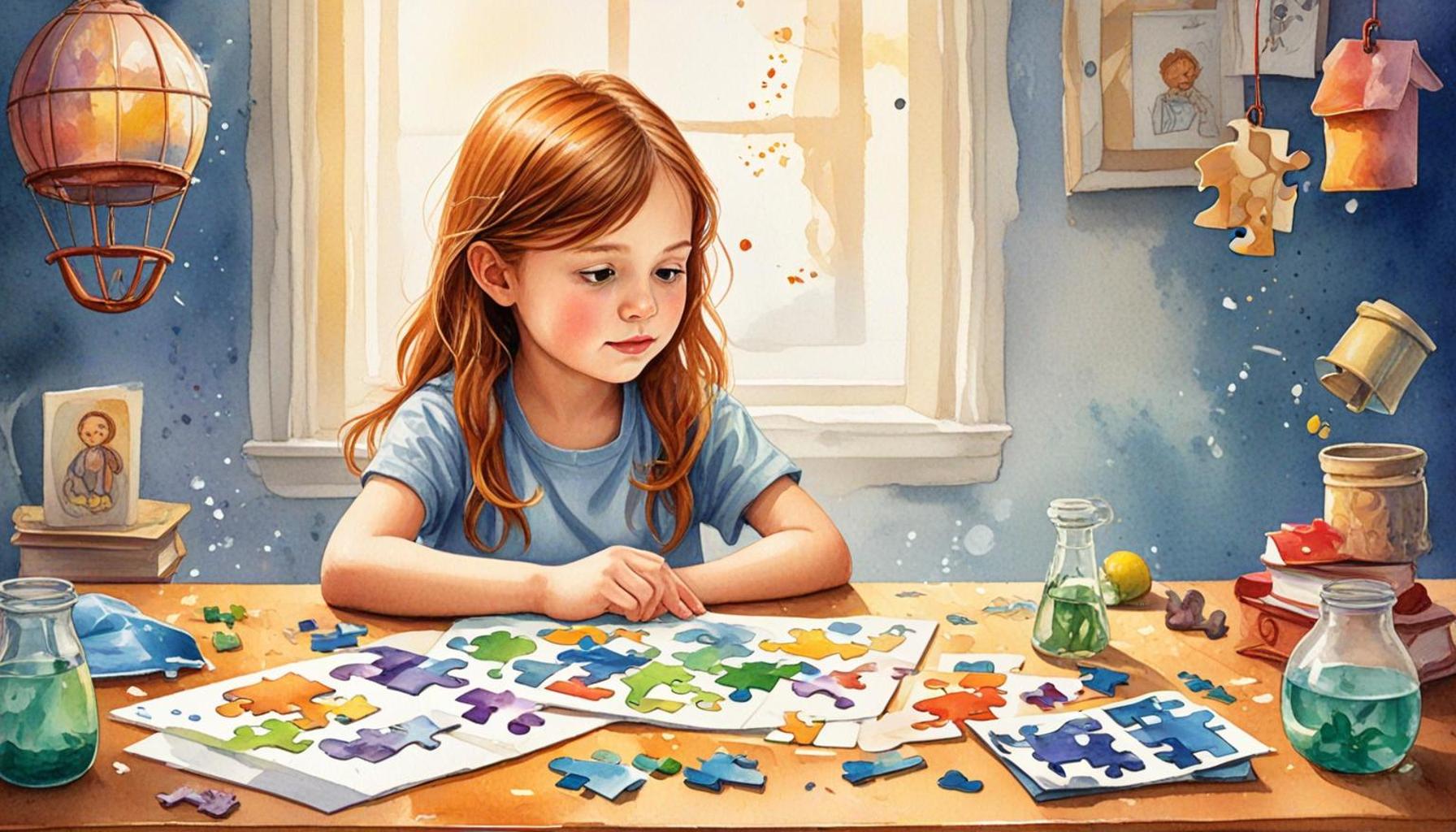
Enigmas and puzzles hold a special place in childhood, making learning not only fun but also deeply engaging. As tools for education, these brain-teasers create rich opportunities for children to enhance their critical thinking skills, which are increasingly recognized as vital components for academic and personal success in a fast-evolving world.
The educational landscape in Nigeria and around the globe is rapidly evolving to embrace the transformative power of such techniques. In various cultures, traditional games enriched with riddles and puzzles are hailed for their educational value. Below, we explore how enigmas and puzzles contribute significantly to critical thinking and cognitive growth:
- Problem-Solving Skills: Each puzzle unveils a challenge that requires children to analyze information deeply and develop effective strategies. For instance, solving a Sudoku puzzle necessitates a methodical approach to determine the placement of numbers in a confined space. This analytical thinking directly translates to academics and real-world situations, aiding children in tackling complex problems.
- Creativity: Enigmas frequently inspire lateral thinking, prompting kids to think outside the box. Take the traditional Nigerian game of “Ayo,” which involves strategic planning and foresight. Players must anticipate their opponent’s moves while devising their own, stimulating creative thought processes in a competitive environment.
- Persistence: Engaging with challenging puzzles teaches resilience and a sense of determination. When faced with difficult tasks, children learn the importance of giving their best effort and not shying away from setbacks. This valuable lesson extends far beyond puzzles, imparting a crucial life skill that fosters a growth mindset.
Enigmas and puzzles come in various forms, from riddles that spark laughter to logic games that require serious concentration. In Nigeria, the rich tradition of storytelling is also interwoven with these activities, where riddles pronounced in local dialects not only entertain but serve as cognitive exercises for the young. Stories about wise animals or clever characters, packed with moral lessons, encourage children to think critically and derive meaningful conclusions.
As parents, educators, and communities increasingly prioritize critical thinking in children’s development, integrating puzzles and enigmas becomes paramount. These activities not only bridge educational gaps but also foster skills that are essential for navigating life’s challenges. By focusing on the facets of puzzles that encourage problem-solving, creativity, and persistence, we unveil a fascinating world ripe with opportunities for young, inquisitive minds.
Ultimately, a greater synergy between traditional learning methods and innovative approaches will propel future generations forward. Encouraging children to immerse themselves in puzzles is an investment in their intellectual growth and is a vital step towards nurturing a society equipped with good problem solvers and critical thinkers.
CHECK OUT: Click here to explore more
The Brain in Action: Engaging with Enigmas and Puzzles
When children engage with enigmas and puzzles, they are not merely passing time; they are embarking on a journey that stimulates their cognitive development. These challenges demand the application of various mental processes including analysis, evaluation, and synthesis of information. With a landscape enriched by cultural nuances, particularly in Nigeria, the approach to puzzles not only holds educational merit but also serves to connect children with their heritage.
In a world where routine methods of learning may often fall short, introducing puzzles can significantly invigorate the learning environment. For instance, traditional Yoruba riddles are not just games; they are a way for children to immerse themselves in language while enhancing their critical thinking skills. When presented with a riddle such as, “What has a heart that doesn’t beat?” (Answer: an artichoke), children learn to think metaphorically and build their comprehension of abstract concepts.
The multifaceted benefits of puzzles can be categorized into several key areas that enhance critical thinking:
- Analytical Thinking: Engaging with puzzles sharpens children’s ability to break down complex problems. When they tackle logic puzzles or mathematical conundrums, they practice evaluating the information available to them and discerning what is necessary to reach a solution.
- Inferential Reasoning: Enigmas and riddles often require kids to make inferences based on limited information. This helps develop the ability to draw conclusions and make predictions, a skill that is invaluable in both academic settings and daily decision-making.
- Collaborative Skills: Many puzzle-solving scenarios can be enjoyed as group activities. In Nigeria, for example, children’s games like “Ludu” or “Pictionary” promote teamwork as players must convey ideas and strategies, deepening their interpersonal skills and critical engagement with others.
The act of solving a puzzle instills a sense of accomplishment, reinforcing the value of perseverance. Children learn that while some solutions may not be immediately clear, the process of working through difficulties is a critical component of learning. This experiential understanding forms a foundation for a growth mindset, making challenges appear less daunting.
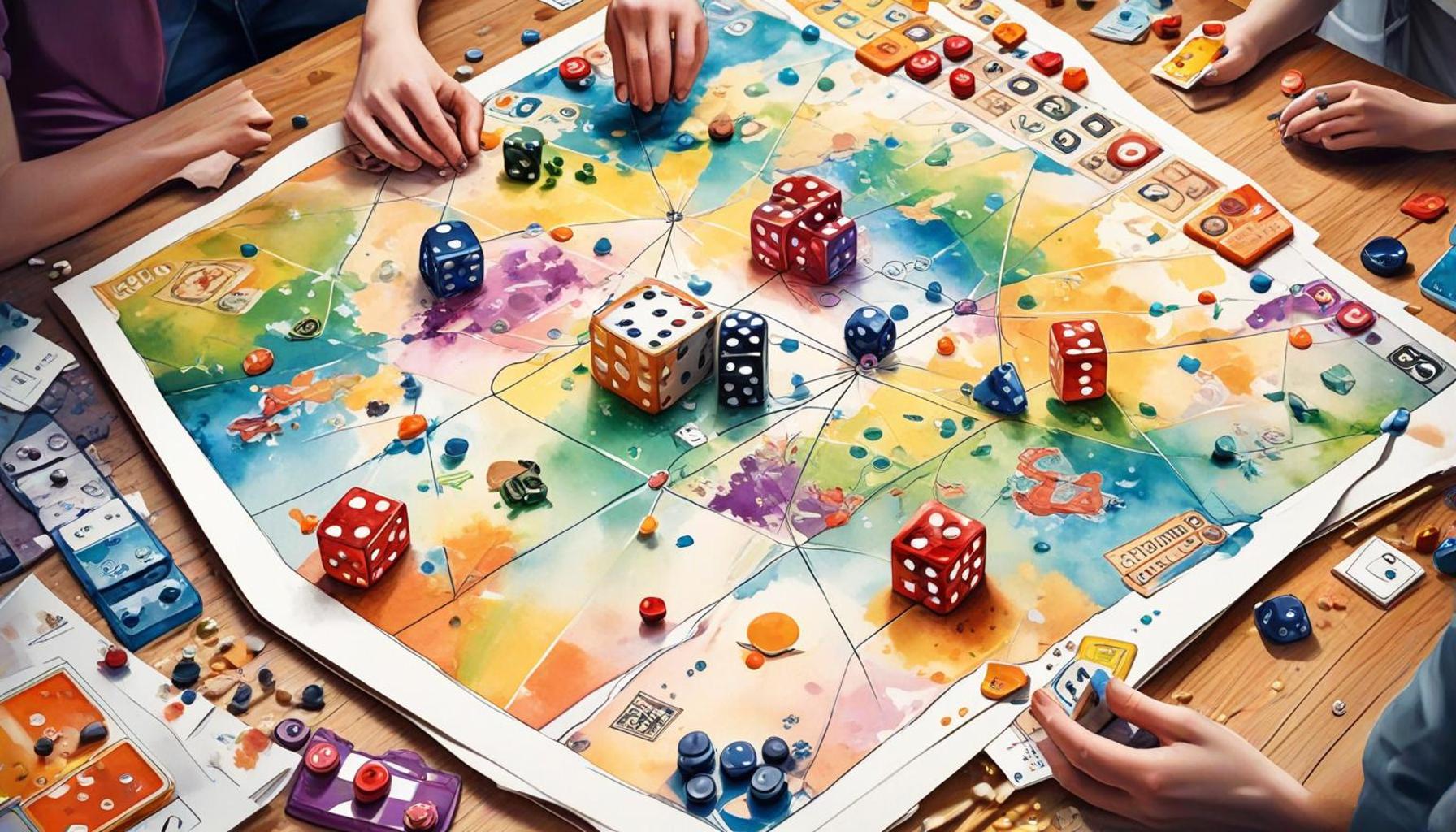
Incorporating puzzles into daily routines can be as simple as introducing them during family game nights or utilizing smartphone applications designed for cognitive engagement. Activity-rich environments not only enhance learning outcomes but also create familial bonds through shared experiences centered around problem-solving and critical thought.
Adopting an approach rich in enigmas and puzzles serves as a bridge, connecting children to both their cultural narrative and progressive learning techniques. This dual interaction not only revamps traditional education methods but also prepares children to navigate complex challenges creatively and analytically. Engaging the youth of Nigeria in this manner positions them for future success as adept thinkers and innovators.
| Category | Details |
|---|---|
| Problem-Solving Skills | Engaging with enigmas improves children’s critical thinking abilities as they navigate challenges, pushing them to devise innovative solutions and strategies. |
| Cognitive Development | Puzzles help children refine their cognitive skills, enhancing memory, attention, and reasoning, which are vital in learning and everyday decision-making. |
Enigmas and puzzles serve as effective tools for nurturing a child’s critical thinking capabilities. When faced with a challenge, children must analyze various elements, weigh options, and predict outcomes, making them inherently more adept at problem-solving. This interaction not only builds foundational skills but also encourages kids to approach real-world problems with creativity and an open mind.Moreover, engaging with these challenges directly boosts cognitive development. Children develop stronger memory and concentration techniques, allowing them to process information better and retaining what they learn. The experience gained through solving such puzzles translates into holistic mental growth, preparing children for more complex academic pursuits and everyday life scenarios.
YOU MAY ALSO LIKE: Read read another article
Nurturing Creativity: The Role of Puzzles in Cognitive Flexibility
Beyond merely solving challenges, puzzles and enigmas play a crucial role in fostering creativity among children. The process of resolving a puzzle often requires an element of lateral thinking, a creative problem-solving technique that encourages thinking outside the box. For instance, a classic Nigerian game like “Ayo” not only entertains but also demands strategic thought and innovation as players devise diverse methods to outsmart their opponents.
Moreover, puzzles stimulate a child’s imagination. Engaging with brain teasers encourages them to explore possibilities and come up with innovative solutions. This creativity is not limited to solving puzzles; it extends to various aspects of their lives. When children learn to imagine multiple outcomes, they grow more adept at brainstorming and experimenting with different ideas. Such skills are instrumental in subjects like science and the arts, where exploration and invention are key.
In addition to creativity, the diversity of puzzle types impacts cognitive flexibility, the ability to adapt one’s thinking to new and unexpected challenges. For instance, when children switch from a mathematical puzzle to a word riddle, they exercise their brain’s ability to shift perspectives. This adaptability nurtures their capacity to tackle real-world problems that may not follow a linear path, an essential skill in today’s rapidly changing environment.
Introducing a rich variety of puzzles can help cultivate this flexibility. Incorporating cultural puzzles—such as local folktales or historical enigmas—connects children with their roots while enhancing their critical thinking. Integrating stories of famous Nigerian heroes and their problem-solving adventures into riddles can further captivate young minds. For example, presenting a riddle inspired by the legendary tale of “The Tortoise and the Hare,” can spark discussions about moral dilemmas and critical choices, thus enhancing both critical and ethical reasoning.
Research reinforces the idea that environments that challenge children through puzzles create a stimulating atmosphere for holistic development. According to a study by the University of California, children who regularly engage in puzzle-solving exhibited improved cognitive skills and performed better academically compared to their peers who had limited exposure. This advancement can be pivotal in a country like Nigeria, where educational challenges demand innovative approaches to learning.
Games centered around problem-solving, such as “Hide and Seek,” also nurture critical thinking by requiring children to strategize about hiding spots and understand the perspectives of others. These scenarios elevate the interaction among peers, enhancing both social skills and individual cognitive prowess.
Furthermore, technological advancements have made accessing puzzles simpler than ever. Digital platforms now offer a plethora of apps that provide engaging puzzles suited to various age groups. From logic-based games to apps that incorporate regional languages and puzzles, children can enjoy the benefits of these cognitive activities while remaining connected to their cultural identity.
As children embark on this journey of engaging with enigmas and puzzles, they not only enhance their critical thinking abilities but also build a resilient mindset that fosters ongoing learning. This cognitive agility prepares them to confront the complexities of the modern world with confidence and creativity. In Nigeria’s rich tapestry of culture, these cognitive exercises serve as a bridge to the multifaceted challenges and opportunities that lie ahead.
ADDITIONAL INSIGHTS: Expand your understanding here
Conclusion: Harnessing the Power of Puzzles for Cognitive Development
In conclusion, the engagement with enigmas and puzzles serves as an invaluable tool in nurturing the critical thinking skills of children. Through the dynamic interplay of creativity, problem-solving, and flexibility, children unlock cognitive pathways that enable them to navigate the complexities of both academic subjects and real-world situations. Activities such as traditional games and modern digital puzzles not only enhance intellectual prowess but also cultivate essential life skills, including adaptability and strategic thinking.
Moreover, integrating culturally relevant puzzles ensures that children remain connected to their heritage while simultaneously developing their reasoning abilities. The infusion of local narratives into riddles can spark curiosity and provoke deep discussions, thus reinforcing both ethical reasoning and critical analysis. In a rapidly evolving technological landscape, the accessibility of diverse puzzles through apps and online platforms further amplifies their benefits, making it easier for children to experience cognitive growth in an engaging environment.
As we witness the challenges within Nigeria’s educational system, the implementation of enigmas and puzzles becomes increasingly significant. Educators and parents alike should embrace these innovative methods not only as a means to improve academic performance but also to prepare children for a future rich in opportunities and complexities. Ultimately, by investing in their cognitive development through puzzles, we equip our children with the critical thinking skills necessary to thrive in an ever-changing world.

Linda Carter
Linda Carter is a writer and puzzle expert specializing in mind games, brain teasers, and cognitive challenges. With extensive experience helping individuals enhance their problem-solving skills and think critically, Linda shares her knowledge on our platform. Her goal is to empower readers with practical advice, engaging puzzles, and strategies to sharpen their minds and achieve success in the captivating world of mind games and puzzles.