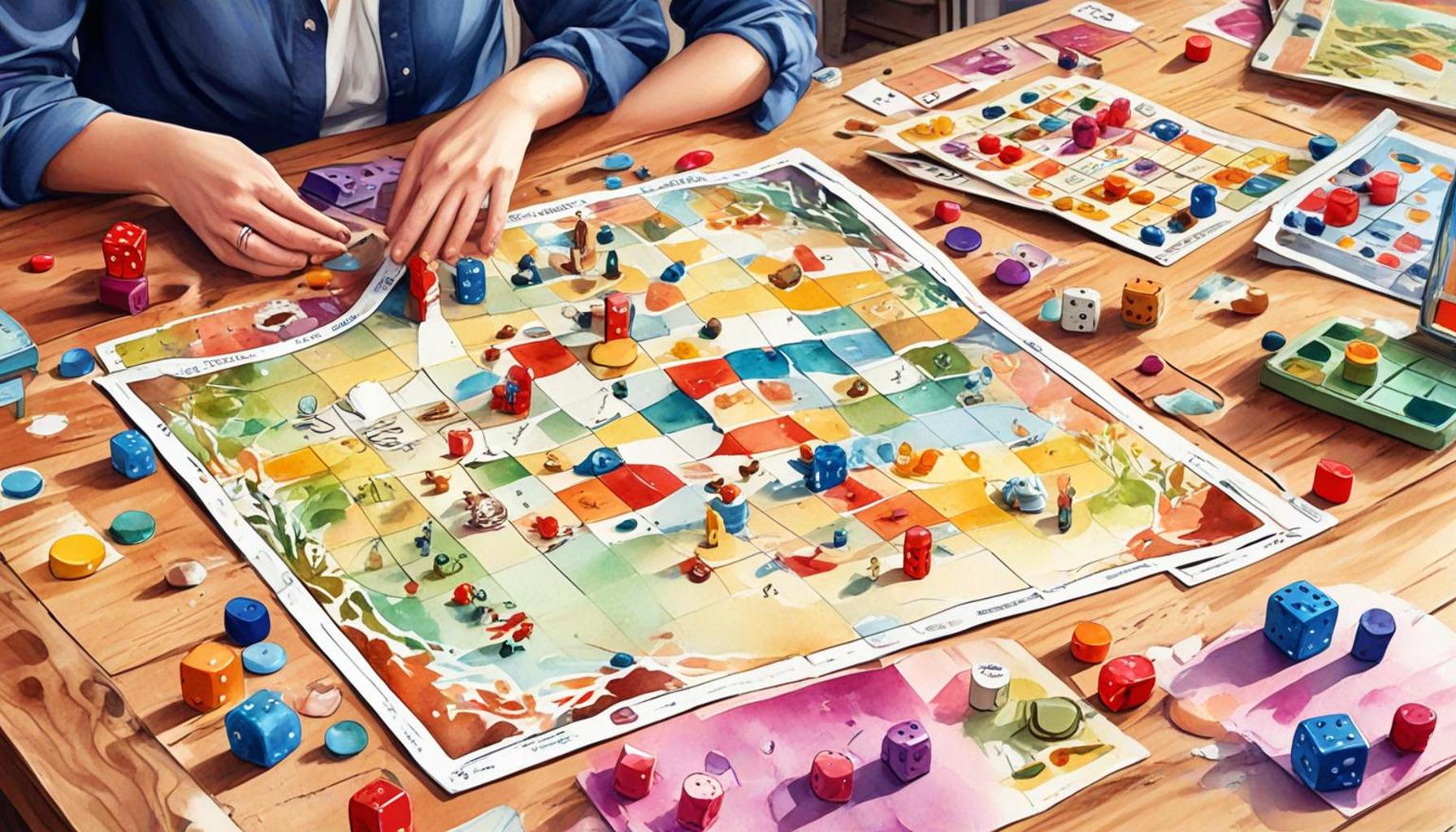
The Connection between Modern Board Games and Improvement in Complex Problem Solving
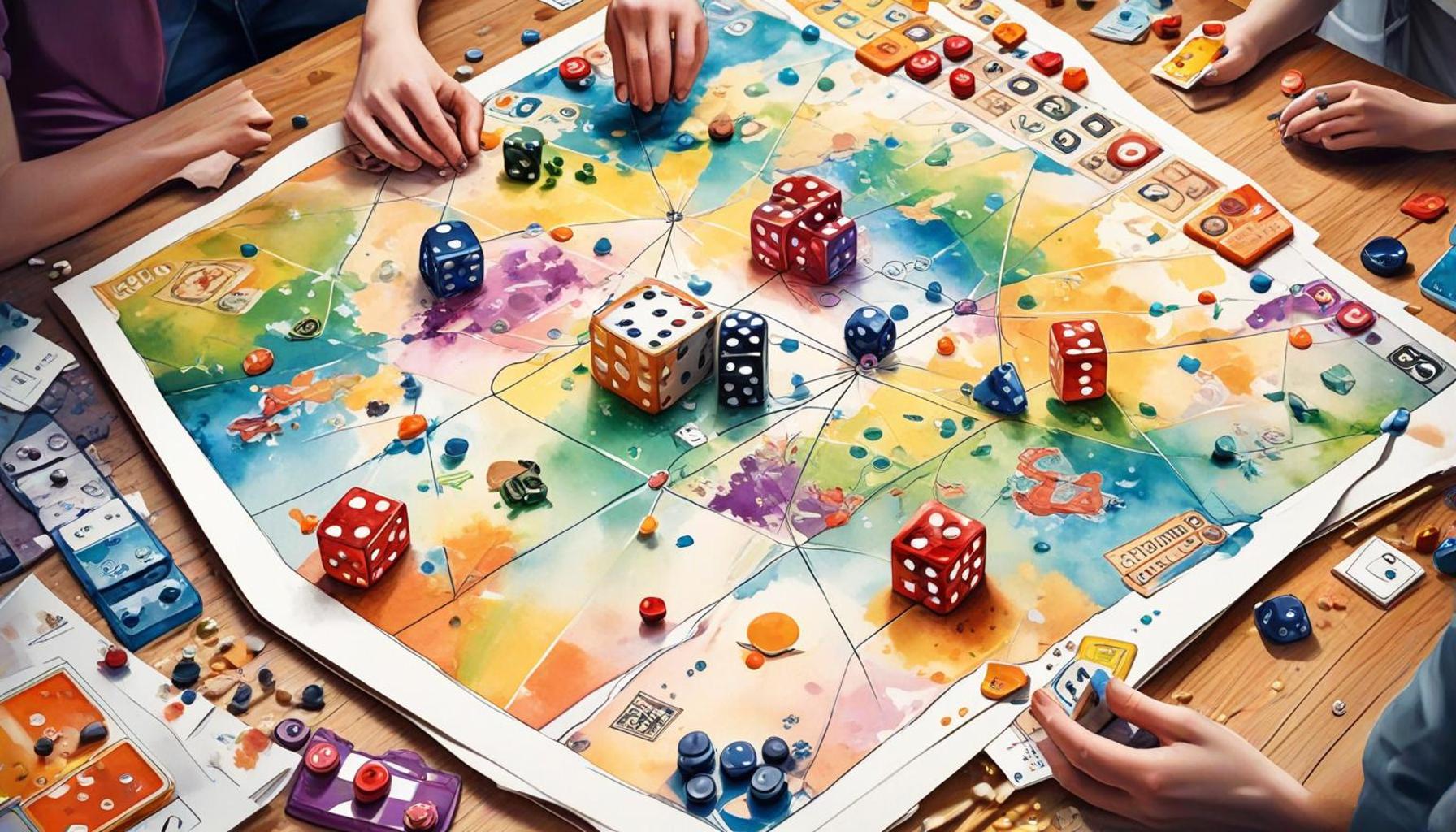
The Unexpected Cognitive Benefits of Board Games
In an age dominated by fast-paced digital interactions, modern board games have emerged as unlikely heroes in the realm of cognitive development. These interactive games are not merely sources of entertainment; they serve as valuable tools for enhancing complex problem-solving skills. As individuals engage with these games, they unwittingly sharpen their mental acuity while having fun.
Elements Encouraging Strategic Thinking
Board games often incorporate various elements that prompt players to think strategically and critically. For example, the game “Catan” requires players to gather and trade resources effectively, teaching them the importance of resource management. Here, players must evaluate their needs against limited supplies, making decisions that have immediate and long-term consequences.
Another crucial aspect is critical thinking; games like “Chess” demand that players analyze their opponent’s moves while anticipating future plays. This kind of mental engagement fosters a habit of evaluating situations and predicting potential outcomes, enabling players to become better decision-makers in real life.
Furthermore, cooperative games such as “Pandemic” illustrate the importance of collaboration. Players must communicate and work together to combat in-game challenges, developing teamwork and interpersonal skills that are invaluable outside the game board.
Cognitive Benefits from Gameplay
Research has shown that the cognitive advantages of playing board games extend far beyond the gaming table. For instance, games have been linked to enhanced decision-making, where players learn not just to make quick yet effective choices, but also to weigh potential risks and rewards. This decisiveness is a skill transferrable to everyday choices, from professional decisions to personal matters.
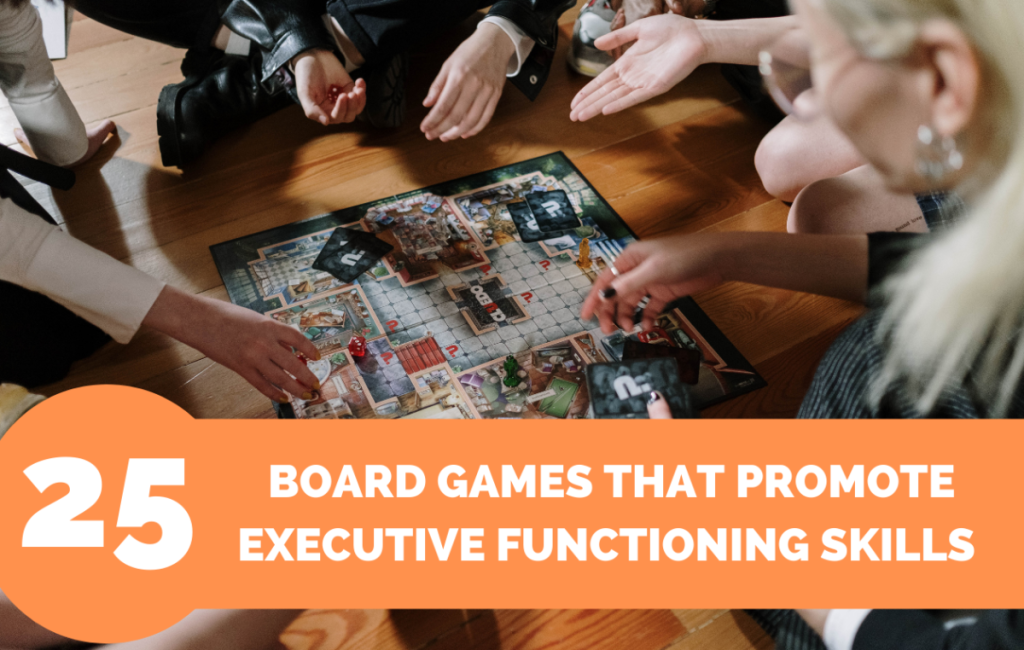
The concept of adaptive thinking comes into play when players must adjust their strategies based on changing game dynamics. This flexibility helps develop a mindset that can navigate unpredictable environments, which is crucial in today’s fast-evolving world. Games that present setbacks—like losing a critical piece in “Checkers”—help build increased resilience, teaching players to persevere despite challenges.
The Rise of Board Games in Nigeria
In Nigeria, a vivid array of board games is gaining traction, blending fun with educational value. Titles like “Ludu” and “Wazobia” are not only entertaining but also steeped in cultural heritage, inviting conversations about strategy, history, and socio-cultural narratives. As the community of board game enthusiasts grows, these games present a unique venue for discussing and tackling real-life challenges, making cognitive development accessible and enjoyable.
Indeed, board games are gradually being recognized for their potential to refine our problem-solving abilities. As players engage with friends, family, and new acquaintances, they are not just rolling dice or moving pieces on a board; they are fostering skills that could significantly impact their daily lives. By unwinding together over a game, they might find innovative solutions to everyday problems or even reevaluate their approach to teamwork and collaboration in the workplace.
Ultimately, the resurgence of board games in Nigeria—and around the world—offers exciting possibilities for both entertainment and cognitive growth. As more individuals discover this hobby, the door opens wider for conversations on how these games can effectively address and solve real-life challenges.
LEARN MORE: This related article may interest you
The Mechanics of Problem Solving through Gameplay
Delving deeper into the mechanics of modern board games reveals a rich tapestry of strategies designed to enhance players’ complex problem-solving abilities. At the core of many popular games lies the necessity for players to navigate multifaceted scenarios that require high-level thinking and adaptability. This engagement prompts critical analysis, creativity, and innovative thinking that can be translated into real-world applications.
Key Game Mechanics Boosting Cognitive Skills
Recognizing specific game mechanics is crucial to understanding how board games foster improvement in problem-solving skills. The following elements stand out as significant contributors:
- Decision Trees: Games like “Carcassonne” necessitate the construction of decision trees where players must choose how to expand their territory in response to their opponents’ moves. This enhances strategic foresight and the ability to foresee the outcomes of various decisions.
- Scenario-based Problem Solving: Titles such as “Gloomhaven” present players with scenario-driven challenges that require intricate planning, teamwork, and improvisation. The need to devise solutions based on evolving situations trains players to think dynamically.
- Resource Allocation: In games like “7 Wonders,” players must allocate limited resources effectively while anticipating the moves of their opponents. This mechanic encourages players to balance immediate needs with long-term goals, a critical skill in business and daily life.
Furthermore, modern board games often introduce various winning conditions, encouraging players to reassess their strategies throughout gameplay. This multiplicity of objectives fosters a mindset centered on adaptability—an invaluable trait in both professional settings and personal growth.
Learning Through Failure and Adaptation
One of the most efficacious aspects of board gaming is the opportunity to learn from failure. Unlike many digital platforms, which may discourage loss through instant resets or restarts, board games often compel players to confront their setbacks. For instance, in “Risk,” a poor strategy that leads to losing a territory becomes a learning opportunity, fostering resilience and an evaluative approach toward complex challenges.
This iterative process not only improves traditional problem-solving but also promotes the development of a growth mindset—the understanding that challenges can lead to skills development rather than defeat. Players who embrace this manual process can apply the same principles in real-life situations, adapting to lessons learned and pivoting strategies when necessary.
As more individuals in Nigeria engage with modern board games, the cognitive and social benefits become increasingly apparent. These platforms serve as a natural medium for collaboration, creativity, and complex problem-solving, contributing to developing a community of adept thinkers. Through engaging in these immersive experiences, players can cultivate skills that go beyond the gaming table, potentially influencing their academic and professional spheres.
| Category | Key Features |
|---|---|
| Strategic Thinking | Modern board games enhance players’ ability to think several steps ahead, evaluating possible outcomes and responses. |
| Team Collaboration | These games often require players to work together, fostering important skills such as communication and group decision-making. |
| Adaptability | Players must adapt to changing game dynamics, which directly correlates with solving complex problems in unpredictable environments. |
| Critical Analysis | Games often involve identifying patterns and making judgments based on incomplete information. |
Engaging with modern board games provides numerous benefits for improving complex problem-solving skills. They encourage strategic thinking as players contemplate various pathways to victory, honing their ability to evaluate multiple solutions effectively. Additionally, the element of team collaboration found in many of these games emphasizes the importance of shared knowledge and consensus in tackling challenges, reflecting real-world scenarios where teamwork is essential.Moreover, the necessity of adaptability equips players with the agility to respond to new and unforeseen circumstances, a significant advantage when addressing real-life problems. The critical analysis involved in deciphering intricate game strategies teaches players how to gather information swiftly and make informed decisions under pressure, key components in cultivating sound problem-solving abilities. This nexus between board games and cognitive enhancement opens exciting avenues for both recreational enjoyment and personal development.
CHECK OUT: Click here to explore more
Social Dynamics and Team Collaboration
Modern board games offer more than just a cognitive workout; they serve as a catalyst for enhancing social dynamics and teamwork skills. Many popular titles, such as “Pandemic” and “Codenames,” require players to communicate effectively, share ideas, and devise collaborative strategies to achieve common goals. This environment of shared objectives fosters a sense of community among players, which is especially significant in a diverse society like Nigeria, where teamwork can bridge cultural gaps.
Collaboration and Communication Skills
In games requiring active collaboration, players often find themselves engaging in dialogue where each participant’s input can affect the overall direction of the game. For instance, in “Pandemic,” players act as a team of specialists working to eradicate viruses threatening the world. This gameplay forces individuals to express their thoughts clearly and persuade their teammates, highlighting the importance of effective communication in problem-solving. As players negotiate different strategies, they practice articulating their ideas while also listening to others, an essential aspect of functional teamwork.
These interactions emphasize the necessity of social skills while navigating complex problems, echoing the demands of professional environments. In sectors like business or healthcare, team collaboration and effective communication are crucial for resolving intricate challenges. For players in Nigeria, where communal values are deeply rooted, these games can enhance existing social practices and promote a shared approach to problem-solving.
Strategic Negotiation and Conflict Resolution
Beyond fostering teamwork, modern board games often involve elements of negotiation that teach players how to handle conflicts and reach agreeable solutions. Games like “The Settlers of Catan” not only revolve around resource management but also encourage trade and negotiation among players to prosper. Navigating these interactions hones players’ abilities to find common ground, balance competing interests, and reach mutually beneficial solutions—a skill transferrable to real-life scenarios such as negotiations in business deals or community projects.
Moreover, board gaming can offer a safe space for players to experiment with conflict resolution strategies. When faced with a rival who has the upper hand in resources, players must think critically on how to turn the tides without damaging relationships. This practice in managing and resolving conflicts prepares individuals to apply similar tactics outside the game, reinforcing the link between board games and improved problem-solving skills.
Fostering an Analytical Mindset
Another significant aspect of modern board games is their ability to cultivate an analytical mindset. Games that integrate multiple variables, such as “Terraforming Mars,” encourage players to analyze various parameters and strategize accordingly. The requirement to constantly reassess strategies based on opponents’ actions and newly available options sharpens analytical thinking and decision-making skills.
The emphasis on quantifying risks and predicting outcomes in these games prepares players to tackle dynamic challenges in daily life and work environments. As Nigerian youths engage with these games, they develop a propensity to analyze situations methodically, which can contribute to better outcomes in studies and future employment opportunities.
As modern board games gain popularity across Nigeria, understanding the intricate relationship between play and the development of complex problem-solving skills is more critical than ever. Engaging in these dynamic realms not only entertains but also hones abilities that are essential for success in varied domains, ensuring that players transition from the gaming table equipped with valuable cognitive and social skills for their real-world challenges.
YOU MAY ALSO LIKE: Read read another article
Conclusion
The emergence of modern board games as a vital tool for enhancing complex problem-solving skills cannot be overstated. Through engaging gameplay that incorporates elements of collaboration, strategic negotiation, and analytical thinking, players develop competencies that are directly applicable to real-world challenges. As explored in this article, the mechanics of games like “Pandemic” and “The Settlers of Catan” provide immersive experiences that cultivate communication and teamwork among players. This is particularly relevant in Nigerian society, where communal values play a crucial role in problem-solving dynamics.
Moreover, the analytical skills sharpened by tackling multifaceted challenges in games like “Terraforming Mars” lay the groundwork for effective decision-making. By practicing these skills in a playful yet competitive environment, individuals are better equipped to face complexities in their daily lives, whether in academic pursuits or professional settings. The lessons learned at the gaming table resonate well within family gatherings and community spaces across Nigeria, bridging cultural divides while reinforcing the notion that collaborative problem-solving can achieve lasting results.
In conclusion, the positive correlation between modern board games and the enhancement of complex problem-solving skills signifies a rich opportunity for personal growth and social cohesion. As the popularity of these games continues to soar, harnessing their potential can lead to a new generation capable of addressing multifaceted issues, thus paving the way for advancements across various sectors in Nigeria and beyond.

Linda Carter
Linda Carter is a writer and puzzle expert specializing in mind games, brain teasers, and cognitive challenges. With extensive experience helping individuals enhance their problem-solving skills and think critically, Linda shares her knowledge on our platform. Her goal is to empower readers with practical advice, engaging puzzles, and strategies to sharpen their minds and achieve success in the captivating world of mind games and puzzles.