
The Effectiveness of Memory Training in the Recovery of Traumas and Lost Memories
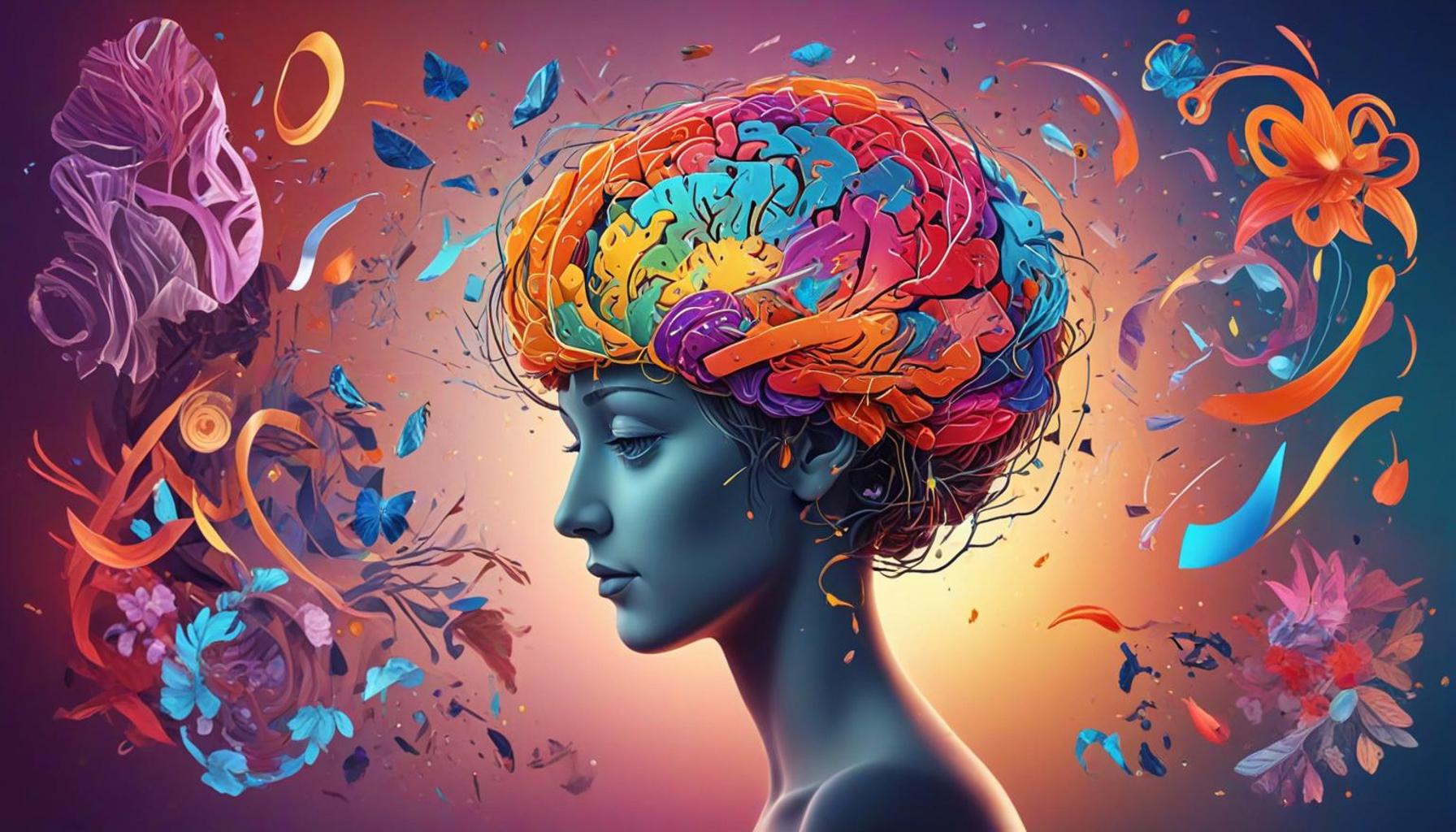
A Deep Dive into the Fascinating World of Memory Training
The journey of memory recovery unfolds in multifaceted layers, often echoing the complexities of human experience. For individuals wrestling with challenges stemming from traumas or obscure recollections, the prospect of memory training serves as a vital opportunity for emotional and cognitive healing. This exploration highlights not just the mechanics of memory training but also its profound effects on mental health and overall well-being.
Memory training encompasses a rich array of techniques tailored to amplify both recall and recognition abilities. Among the primary components of this training are:
- Structured exercises: Engaging activities such as memory games, mnemonic devices, and visualization techniques help reinforce neural pathways. For instance, the classic game “Concentration” not only improves memory skills but also fosters cognitive flexibility. Visualization, where one imagines information vividly, can be particularly powerful in making memories more tangible.
- Professional guidance: Experienced therapists and psychologists frequently guide individuals through customized memory training sessions. These professionals assess personal needs, employing tailored methods that resonate with the individual’s circumstances. For example, cognitive-behavioral approaches may be combined with mindfulness techniques to address both memory retrieval and the emotional responses tied to those memories.
- Practical applications: The techniques of memory training are increasingly vital for individuals recovering from significant life events such as accidents, natural disasters, or personal losses. In settings such as Nigeria, where the impact of communal traumas can linger, memory training can be an essential tool in rebuilding personal narratives and fostering resilience.
In Nigeria, the growing awareness surrounding mental health signifies a positive shift. As more people recognize the importance of memory recovery, they are increasingly embracing both traditional healing methods and contemporary memory training approaches. This unique blend can enrich the recovery process, merging ancestral wisdom with modern psychological principles.
Research underscores that memory training does more than enhance memory recall; it possesses the capacity to stabilize emotions and reinforce personal identity. In our investigation, we will reveal:
- The effectiveness of various memory training methods, examining how diverse strategies yield different outcomes.
- Insights drawn from contemporary psychological studies, underpinning the correlation between memory and emotional health.
- Personal testimonials showcasing the transformative journeys of individuals who have bravely navigated their pathways to memory recovery.
Join us on this enlightening journey as we unravel the intricate connections between memory training, trauma recovery, and the courageous quest to reclaim lost memories. With stories that resonate with both local and universal experiences, this exploration promises to be both engaging and enlightening, shedding light on the importance of memory health in our lives.

CHECK OUT: Click here to explore more
Unlocking the Power of Memory: Recovery Techniques Explored
The manipulation and enhancement of memory serve as critical tools in fostering recovery for those grappling with the effects of trauma or struggling to reclaim lost memories. When individuals experience distressing events, their memories can become fragmented, buried beneath layers of emotional pain. The implementation of memory training techniques aims not only to recover these memories but also to facilitate emotional healing. An understanding of how varied methods can empower individuals on their path to recovery is essential.
There are multiple methodologies at the forefront of memory training, each uniquely designed to assist individuals in re-establishing connections with their past. These methods often blend elements of psychology and experiential learning, resulting in transformative memories that contribute to personal resilience. Below are notable strategies employed in memory training:
- Repetitive Recall: This technique involves periodically revisiting memories, even the challenging ones, in exercises that require individuals to verbalize or write down their experiences. Repeated exposure to these memories can assist in their integration into a cohesive narrative, helping to lessen the emotional charge associated with them.
- Mindfulness Meditation: Incorporating mindfulness practices helps individuals focus on the present without judgment. Research indicates that mindfulness can enhance memory retention and retrieval while providing a platform for individuals to explore their thoughts and feelings in a safe environment, thereby aiding in emotional regulation.
- Artistic Expression: Engaging in creative outlets such as painting, music, or writing allows individuals to explore memories in non-verbal ways. These forms of expression can unlock subconscious memories, leading to unexpected discoveries and insights that facilitate recovery.
- Group Therapy Sessions: In communal settings, sharing experiences can create a sense of belonging and security. These settings allow individuals to learn from each other’s stories, often inspiring hope and revealing shared coping techniques that enhance their own memory recovery processes.
The adaptability of memory training techniques holds promise for a diverse population, including in regions like Nigeria where communal values and collective traumas play significant roles in personal recovery. For example, when groups engage in memory-sharing circles, they create rich narratives that bind communities, fostering an environment where individuals find solace and understanding in shared experiences.
Despite the optimism surrounding memory training, it is essential to approach these methods with a balanced perspective. Research continues to evolve, shedding light on the effectiveness and limitations of various memory-enhancing techniques. Moreover, individual responses to these training programs can differ significantly, influenced by factors such as age, trauma history, and cultural context. Thus, the conversation surrounding memory recovery must recognize the need for personalized approaches that resonate with each individual’s unique journey.
As we delve deeper into this exploration, we will uncover how memory training intertwines with broader mental health themes, revealing insights that challenge conventional perspectives and inspire further research and understanding in the realm of psychological recovery.
The Role of Memory Training in Trauma Recovery
Memory training plays a pivotal role in the recovery process for individuals dealing with traumas and lost memories. It is crucial to understand that trauma can significantly impact cognitive function, leading to fragmented memories and emotional distress. Engaging in memory training exercises not only stimulates the brain’s healing mechanisms but also aids in reconstructing lost narratives of personal experiences.One effective memory training technique is the use of visualization, which encourages individuals to create vivid mental images of their past. This method helps strengthen neural connections, facilitating the retrieval of long-buried memories. Research indicates that repeated practice can enhance memory recall and improve overall cognitive function, thereby providing a structured pathway for individuals to revisit and process traumatic events.Additionally, mnemonics have emerged as a significant tool in memory rehabilitation. These memory aids can help individuals organize information related to their trauma, making it easier to access pertinent memories in a safe environment. Evidence suggests that utilizing mnemonic devices not only improves memory retrieval but also boosts emotional regulation, allowing individuals to confront and integrate their experiences more effectively.Technology has also introduced new modalities for memory training, such as mobile applications designed to enhance cognitive skills through games and exercises. These interactive platforms can foster motivation and engagement, transforming the often daunting task of memory recovery into a more enjoyable process. As engagement increases, so does the potential for successful recovery, revealing the profound impact of memory training on individual healing journeys.The relationship between memory training and trauma recovery is complex and multifaceted. Continued research is essential to fully understand how various practices can be tailored to meet individual needs. As we delve deeper into this subject, it is evident that memory training holds significant promise not only for recovering lost memories but also for restoring a sense of self and emotional well-being.
YOU MAY ALSO LIKE: Read read another article
The Role of Neuroscience in Memory Recovery
Understanding the effectiveness of memory training in trauma recovery is greatly enhanced through insights from neuroscience. Recent studies underscored the brain’s remarkable plasticity, which offers a foundation for recovery methods. Neuroplasticity, the ability of the brain to form new connections and pathways, becomes particularly relevant when considering the effects of trauma on memory. Research suggests that successful memory training techniques can stimulate neuroplastic change, promoting healthier memory constructs and emotional responses.
One promising area of neuroscience intersects with memory training through the concept of contextual encoding. Findings indicate that memories are not standalone fragments; rather, they are embedded in rich contextual details that define our experiences. This means that memory training focused on contextual cues, like engaging with environmental triggers (sights, sounds, or smells) related to the traumatic event, could enhance the recall of lost memories. By reconstructing these contexts in a nurturing environment, individuals may find it significantly easier to retrieve the memories they thought were lost forever.
Furthermore, advances in technology are paving new pathways for memory recovery interventions. For instance, virtual reality (VR) applications are gaining traction as tools for memory training, allowing individuals to safely confront traumatic environments and memories. In Nigeria, where storytelling is integral to the culture, integrating VR technology with given narratives could amplify the collective healing experience. Individuals could immerse themselves in safe re-enactments of their stories, potentially facilitating emotional release and cognitive processing.
Research has also revealed the importance of emotional regulation in the memory recovery process. Trauma can lead to overwhelming emotional responses that inhibit memory retrieval. Training techniques that incorporate cognitive behavioral therapy (CBT) principles help individuals regain control over their emotions. For example, guiding individuals to challenge negative thoughts associated with memories can significantly alter their perceptions. In essence, practicing CBT in conjunction with memory training not only aids in confronting difficult memories but also reduces anxiety and enhances retention.
Moreover, cultural relevance cannot be overstated in this discussion. Nigeria’s diverse regions emphasize differing cultural narratives and communal bonds that shape memory recovery applications. In the Yoruba culture, the rich oral tradition can play a pivotal role in memory training. By harnessing the power of spoken stories shared within families or communities, individuals may find increased resilience and clarity in navigating their traumatic experiences.
Additionally, empirical studies underscore the impact of a supportive social environment on memory recovery. Those who engage in memory training supported by family, friends, or community are statistically more likely to achieve positive outcomes. This suggests that fostering an atmosphere of emotional support and validation could enhance the overall effectiveness of memory training programs.
As these insights illustrate, the effectiveness of memory training in the recovery of traumas and lost memories is deeply intertwined with both physiological and cultural components. The interplay between neuroscience, technology, traditional practices, and social support networks reveals the multifaceted nature of memory recovery. As this field advances, further research is crucial to optimize these techniques and develop personalized memory training programs that cater to diverse experiences and backgrounds. Whether through cutting-edge technology or rooted in cultural practices, avenues for exploration remain limitless.
YOU MAY ALSO LIKE: Read read another article
Conclusion
The exploration of memory training in the context of recovering from traumas and lost memories opens up a realm of hope for many individuals affected by adversity. As we have seen, innovative approaches grounded in neuroscientific research have shown that the brain’s plasticity allows for the potential reconstruction of suppressed memories. Techniques that emphasize contextual encoding and environmental cues can actively facilitate memory retrieval, making what was thought to be inaccessible more reachable.
Moreover, the integration of advanced technologies like virtual reality into memory training presents promising possibilities. This is particularly relevant in Nigeria, where the rich fabric of oral traditions can serve as a powerful tool for narrative reconstruction and communal healing. Utilizing technology in conjunction with cultural storytelling can enhance the emotional and cognitive experiences necessary for memory recovery.
It is equally important to recognize the role of social support in enhancing the effectiveness of these training programs. The profound impact of family, friends, and community on emotional regulation cannot be overlooked. With thoughtful consideration of both technological innovations and cultural contexts, the pathways for recovery become not only more effective but also more inclusive.
As research continues to evolve, it is crucial for practitioners to advocate for tailored memory training solutions that resonate with individual backgrounds and experiences. The future holds potential for breakthrough findings that may redefine how we view trauma recovery. With memory training as a cornerstone of intervention, individuals have a brighter chance at reclaiming their narratives and, in essence, their lives.

Linda Carter
Linda Carter is a writer and puzzle expert specializing in mind games, brain teasers, and cognitive challenges. With extensive experience helping individuals enhance their problem-solving skills and think critically, Linda shares her knowledge on our platform. Her goal is to empower readers with practical advice, engaging puzzles, and strategies to sharpen their minds and achieve success in the captivating world of mind games and puzzles.