
The Connection Between Memory Exercises and Academic Performance in Students

The Importance of Memory Exercises in Academic Performance
In today’s academic landscape, the emphasis on not just knowledge acquisition but retention is paramount. Students in Nigeria often face numerous challenges, from crowded classrooms to limited resources. Amidst these challenges, enhancing academic performance through effective strategies becomes a priority. With the competition for educational advancement intensifying, developing effective study habits is crucial for success.
Memory exercises may hold the key to unlocking a student’s full potential. These exercises can help with:
- Improving concentration and focus. Techniques such as mindfulness meditation and focused listening can significantly enhance the brain’s capability to concentrate for longer periods.
- Boosting retention of information. Memory aids, like mnemonic devices, enable students to remember complex information by associating it with familiar concepts.
- Enhancing problem-solving skills. Engaging in puzzles and brain teasers challenges students to think critically and approach problems from different angles.
Research suggests a strong correlation between memory training and student achievement. Engaging in structured memory exercises can:
- Lead to better grades. Students who practice memory exercises often see improvements in their academic performance, as these techniques allow for more effective information processing.
- Foster a positive attitude towards learning. As students experience success through improved memory, they can develop a greater appreciation for their education and be more motivated to learn.
- Promote long-term academic resilience. Students equipped with solid memory skills can tackle academic challenges head-on, knowing they have the tools to succeed.
For Nigerian students, who often juggle multiple subjects and extracurricular activities, these techniques can be especially beneficial. In a context where the pressure to excel is pronounced, effective memory strategies are not merely an advantage but rather a necessity. With increasing competition for university placements and scholarships, the stakes have never been higher.
This article delves into the fascinating connection between memory exercises and academic performance, exploring various strategies and their potential impact on students’ learning journeys. From utilizing flashcards to implementing spaced repetition techniques, each approach can serve as a powerful ally in the quest for academic excellence. Additionally, understanding how different memory types—such as auditory, visual, and kinesthetic—affect learning can guide students to tailor their study methods to fit their unique needs.
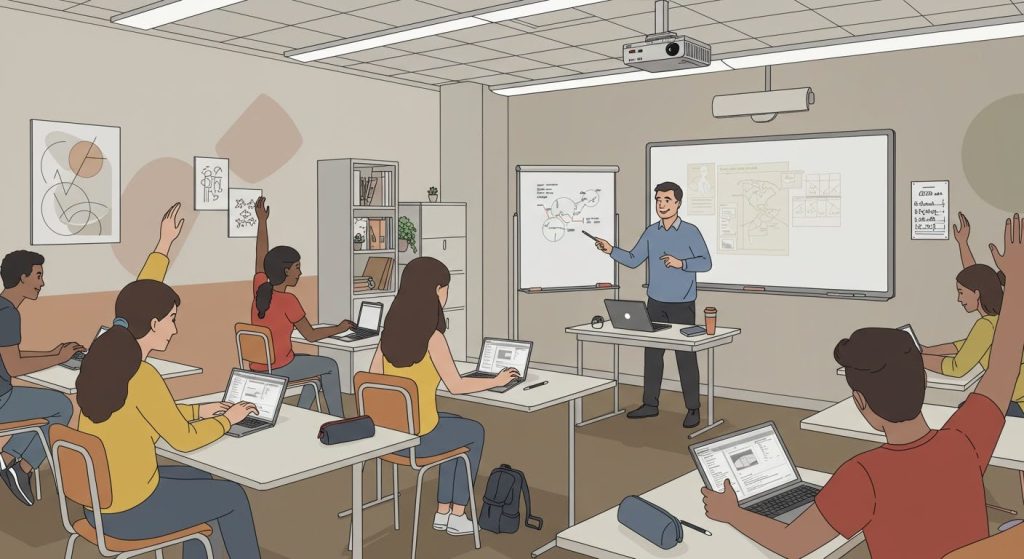
Join us as we unlock the science behind memory and its crucial role in shaping success in education. By investing time in memory exercises, Nigerian students can not only improve their immediate academic outcomes but also set the foundation for lifelong learning and achievement.
RECOMMENDED: Check out this similar article
Understanding Memory Types and Their Role in Learning
To unpack the connection between memory exercises and academic performance, it is essential to first understand the different types of memory that students utilize while learning. Research indicates that there are three primary types of memory: auditory, visual, and kinesthetic. Each of these memory types can affect how students absorb information and engage with their studies.
1. Auditory Memory
Students who possess a strong auditory memory tend to learn best through listening. This can include lectures, discussions, and audio materials. Engaging in memory exercises such as summarizing spoken information and participating in study groups can enhance retention. Techniques like recording lectures to listen later or using rhymes and rhythms in learning can significantly improve memory recall. For students in Nigeria, where collaborative learning is often encouraged, this auditory approach can be especially effective when combined with group discussions on complex subjects.
2. Visual Memory
Visual memory refers to the ability to recall and recognize images and visual information. Students with this type of memory benefit greatly from using diagrams, charts, and color-coded notes. Memory exercises like creating mind maps or flashcards can harness this strength, allowing for improved retention of information. Incorporating visual aids in studying can turn abstract concepts into tangible representations, helping students grasp challenging topics. For example, Nigerian students studying sciences can draw labeled diagrams of biological processes, reinforcing their understanding.
3. Kinesthetic Memory
Kinesthetic memory involves learning through hands-on experiences and physical activity. Students who are kinesthetic learners often excel with interactive tasks, such as experiments or role-playing scenarios. Memory exercises for this type of learner might include constructing models or engaging in educational games that require physical involvement. This approach can be particularly useful in Nigeria’s practical education contexts, where students may engage in laboratory activities or fieldwork to solidify their learning.
Recognizing one’s dominant memory type enables students to customize their study methods, leading to greater academic success. By applying tailored memory exercises, students can enhance their learning experience and boost their performance across various subjects. The incorporation of these practices not only addresses the immediate challenges posed by demanding curricula but also equips students with essential skills for long-term educational resilience.
In addition to understanding memory types, it is important for students to embrace a variety of memory exercises to cultivate resilience against academic pressures. The dynamic nature of education demands adaptability, and students who are proactive about enhancing their memory skills are better positioned for future success.
This exploration into how memory exercises relate to academic performance sets the stage for a deeper investigation into specific strategies that can be directly integrated into Nigerian classrooms, ensuring students can thrive amidst the challenges they face.
| Advantage | Impact on Academic Performance |
|---|---|
| Enhanced Retention | Memory exercises strengthen brain pathways, leading to improved retention of information for exams. |
| Increased Focus | Practicing memory techniques sharpens attention span, thereby enhancing classroom participation and engagement. |
| Cognitive Flexibility | Memory exercises encourage adaptable thinking, which assists students in tackling diverse academic challenges. |
Memory is undeniably tied to academic success, with research indicating that incorporating memory exercises can lead to significant improvements in student performance across subjects. Enhanced retention, as seen in repetitive memory exercises, not only preserves knowledge long-term but also allows students to recall information more efficiently during assessments. Moreover, increased focus attained through engaging memory strategies fosters a more active learning environment.Students equipped with higher cognitive flexibility often excel in problem-solving and creative tasks, critical for success in both STEM and liberal arts disciplines. By diving deeper into the science of memory training, educators and students alike can unlock potential pathways to improved academic outcomes.
ADDITIONAL INSIGHTS: Expand your understanding here
Memory Exercises: Techniques and Their Impact on Academic Achievement
In the pursuit of understanding the connection between memory exercises and academic performance, it is crucial to delve into specific techniques that can be utilized by students to enhance their memory capabilities. These exercises not only help students in retaining information but also improve their overall academic performance. This section introduces several effective strategies that can be adopted by students, particularly in the Nigerian educational context, where methodologies are continually evolving.
1. Spaced Repetition
Spaced repetition is a powerful learning technique that involves reviewing information at gradually increasing intervals. This method capitalizes on the psychological spacing effect, helping to consolidate information in long-term memory. For Nigerian students, this can be particularly useful in preparing for examinations, as it allows for meaningful engagement with the material over time rather than cramming. Utilizing apps such as Anki or Quizlet can aid in setting up spaced repetition schedules, making study sessions more efficient and productive.
2. Visualization Techniques
Visualization techniques are particularly beneficial for students with a strong visual memory. By turning concepts into visual representations, students can create mental images that facilitate recall during exams or class discussions. Techniques such as creating infographics or illustrating stories with graphics can be both enjoyable and beneficial, forming a more profound understanding of the subject matter. For instance, students learning about historical events in Nigeria can employ timelines or concept maps to link events visually, making recall easier and more intuitive.
3. Mnemonics and Acronyms
Mnemonics and acronyms are age-old techniques that help students memorize lists or complex information. This method can be particularly useful for subjects like biology or chemistry, where terms and processes may be overwhelming. Students can devise creative phrases or words using the first letters of the terms they need to memorize. For example, in Nigeria, learning the classification of living organisms can become a fun exercise by creating a catchy acronym to simplify the process. Such techniques not only enhance memory but also foster a more engaging study atmosphere.
4. The Feynman Technique
The Feynman Technique is a method that encourages students to teach a concept they have learned to someone else in simple terms. This strategy emphasizes understanding over rote memorization, as students must break down their knowledge to communicate it effectively. This technique promotes mastery of the material while also identifying any gaps in understanding that need to be addressed. In a diverse student environment like those found in Nigerian universities, peer teaching can be an effective way for students to reinforce their learning through collaborative efforts.
5. Active Recall
Active recall is another efficient memory technique that involves actively retrieving information from memory rather than passively reviewing notes. This can include practice tests or flashcards that prompt students to recall information without looking at their materials. For Nigerian students, where access to educational resources can vary, forming study groups to quiz one another on significant topics prior to examinations can be incredibly beneficial. Active recall not only boosts retention rates but also enhances confidence as students learn to retrieve information independently.
As students in Nigeria navigate the complexities of their curricula, employing diverse memory exercises can have a transformative impact on their academic performance. By integrating these techniques into their study routines, they can foster a deeper understanding of their subjects and develop essential skills that will benefit them throughout their educational journey and beyond.
RECOMMENDED: Check out this similar article
Conclusion: Bridging Memory and Academic Success
In conclusion, the relationship between memory exercises and academic performance in students is profound and multifaceted. As we have explored, techniques such as spaced repetition, visualization, and active recall equip students with the tools necessary to not only memorize facts but to understand and apply knowledge effectively. This is particularly important in the Nigerian educational landscape, where the pressure to excel academically is intense, and the need for innovative study techniques is paramount.
Moreover, by incorporating these memory-enhancing strategies into their daily study routines, students can unlock their cognitive potential, improving retention and comprehension of complex subjects. The integration of collaborative techniques like the Feynman Technique fosters a supportive learning environment, allowing students to learn from one another and deepen their understanding of the material.
Ultimately, the advantages of cultivating robust memory skills resonate beyond the classroom, preparing students for future challenges in their academic and professional lives. To thrive in an increasingly competitive educational system, Nigerian students must embrace these memory exercises, seeing them not just as study tools, but as essential components for their journey towards academic excellence. By prioritizing and actively engaging in memory improvement strategies, students can catalyze their learning experiences, transforming potential into achievement.

Linda Carter
Linda Carter is a writer and puzzle expert specializing in mind games, brain teasers, and cognitive challenges. With extensive experience helping individuals enhance their problem-solving skills and think critically, Linda shares her knowledge on our platform. Her goal is to empower readers with practical advice, engaging puzzles, and strategies to sharpen their minds and achieve success in the captivating world of mind games and puzzles.