
The Impact of Memory Games on Mental Health and Cognitive Decline Prevention

The Impact of Memory Games on Cognitive Health
Memory games have emerged as a captivating tool in the realm of mental health and cognitive decline prevention. In a world filled with stressors that compromise our mental agility, these engaging activities serve not only as a source of entertainment but also as vital exercises for the brain. The structured challenge they offer helps individuals from all walks of life keep their minds sharp and agile, fostering both personal enjoyment and cognitive health.
Research has shown that consistent engagement in memory games can lead to remarkable benefits. One of the most significant advantages is the improved cognitive abilities these games can help develop. Regular play has been linked to enhanced memory retention, sharper attention spans, and better problem-solving skills. For instance, studies have found that seniors who regularly play memory-enhancing games experience greater mental clarity and improved cognitive function, essential for everyday tasks.
Additionally, memory games can dramatically enhance mood. Engaging in these fun challenges can act as a buffer against feelings of anxiety and depression. The joy derived from playing and the mental engagement it provides can lead to a more positive emotional state. This is especially relevant in Nigeria, where mental health awareness is still developing; integrating memory games into daily life could support broader mental health initiatives that foster emotional well-being.
Another powerful impact of these games is their ability to promote cognitive resilience. Participating in memory games can be particularly beneficial for older adults, potentially slowing the progression of cognitive decline associated with aging. In a nation where life expectancy is rising, such preventive measures are increasingly crucial. Encouraging older Nigerians to partake in memory games can foster a sense of community and shared experience, which is vital for mental health.
In Nigeria, the integration of these games into daily routines can take many forms. Traditional card games, such as Ludu or Oware, offer cultural relevance while still promoting cognitive engagement. On the other hand, modern digital apps targeted at various age groups, such as Lumosity or Peak, provide a tech-savvy approach to brain training. These games can easily be accessed on mobile devices, making them convenient and attractive options for the tech-savvy youth and the older generation alike.
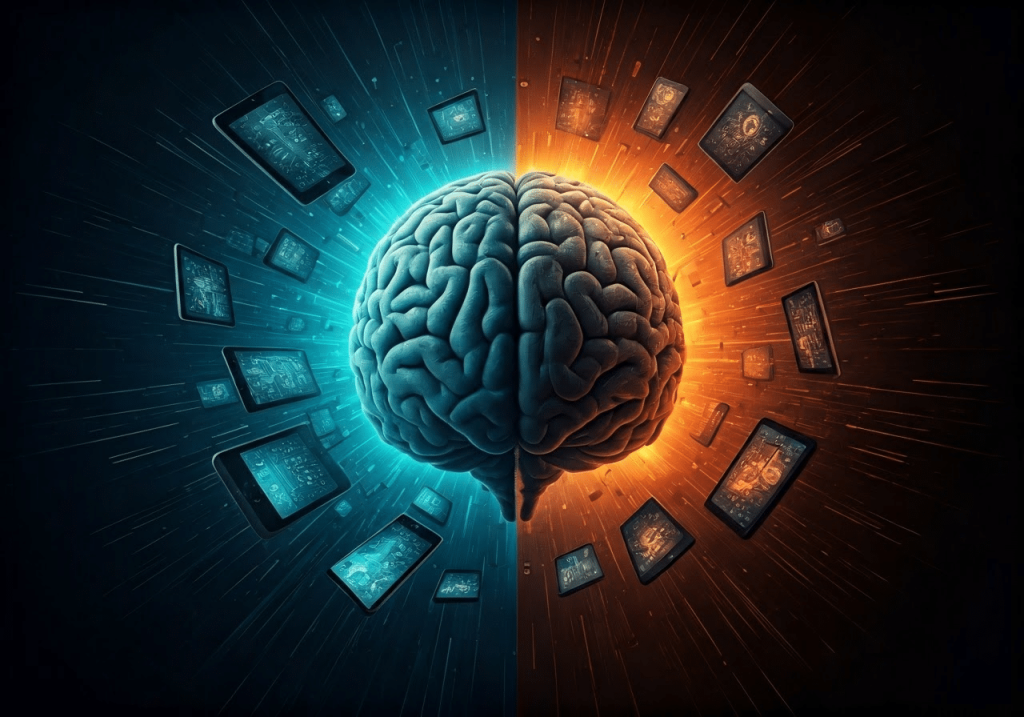
This article aims to delve deeper into the profound effects of memory games on our mental landscape and how they can serve as a preventative measure against cognitive decline. Engaging in memory exercises is not just about enjoyment; it’s about investing in our mental futures. Get ready to uncover insights that could change your perspective on daily brain exercises and explore new horizons in mental health consciousness!
ADDITIONAL INSIGHTS: Expand your understanding here
Unlocking the Benefits of Memory Games
In the quest for maintaining cognitive health, memory games have established themselves as a fundamental resource. These activities play a crucial role in engaging various aspects of the brain, helping individuals enhance their cognitive skills while enjoying a stimulating pastime. As Nigeria grapples with rising concerns about mental health, the potential of memory games as preventive measures against cognitive decline cannot be overlooked.
Studies indicate that participating in memory games can lead to substantial improvements in brain functions. Some of the key cognitive abilities that benefit from these engaging activities include:
- Enhanced memory retention: By challenging the brain to remember patterns, sequences, and details, individuals can sharpen their recall abilities, making it easier to retain information in daily life.
- Increased attention span: Focus and concentration are strengthened through regular practice with memory challenges, which can be particularly beneficial in a fast-paced world.
- Improved problem-solving skills: The strategic elements of many memory games compel players to think critically, thus developing their ability to approach complex situations with effective solutions.
Moreover, the social aspect of memory games adds another layer of benefit. Engaging in these games often involves family participation or friendly competition, fostering social connections that are pivotal for mental well-being. In communal cultures like Nigeria, these interactions can provide a sense of belonging, significantly enhancing emotional health.
Memory games also introduce a playful framework for learning. Whether through traditional board games or innovative digital platforms, they offer opportunities for players to challenge themselves while minimizing stress. Particularly among older adults, these games can stimulate cognitive function and curb feelings of isolation often associated with aging. With various age-appropriate options available, every demographic can find a suitable memory game to engage with, making brain training accessible to all.
The benefits extend beyond mere enjoyment. Engaging in memory games has been found to lead to noticeable changes in overall brain health, particularly in slowing the cognitive decline associated with aging. Research suggests that people who regularly participate in these mentally stimulating activities show fewer signs of memory loss and improved overall cognitive resilience.
In summary, memory games offer a dual advantage: they are not only enjoyable and entertaining but also serve as vital tools for enhancing and preserving cognitive health. By incorporating these activities into daily routines, individuals can empower themselves and their loved ones to face the mental challenges of life more proactively.
| Advantages | Details |
|---|---|
| Enhanced Memory | Memory games stimulate the brain, leading to improved memory retention and recall. |
| Reduced Risk of Cognitive Decline | Regular engagement in cognitive activities can lower the likelihood of developing conditions like Alzheimer’s disease. |
| Stress Relief | Playing memory games provides a fun escape, helping to reduce stress and promote overall mental wellness. |
| Social Interaction | Many memory games are played in groups, fostering social connections that are vital for mental health. |
The impact of memory games extends far beyond simple entertainment. Research indicates that these games can significantly improve cognitive function, making them a powerful tool in mental health promotion. Engaging in memory games not only boosts neural connectivity but can also foster an environment where social interaction flourishes. The combination of mental challenge and social engagement contributes to a greater sense of community and belonging, essential facets of emotional stability.Furthermore, memory games are known to trigger the brain’s reward system, releasing dopamine and creating a sense of accomplishment. This psychological effect can combat feelings of anxiety and depression, reinforcing the importance of these activities in everyday routines. As more individuals incorporate memory-boosting games into their daily lives, exciting findings reveal promising correlations between these practices and cognitive decline prevention—an area ripe for more exploration and understanding.
SEE ALSO: Click here to read another article
Cognitive Benefits Amplified through Modern Approaches
The evolution of memory games has seen remarkable transformations, moving from traditional board games to interactive digital experiences. This shift not only caters to the younger generation but also resonates with older adults who might prefer the ease of digital formats. Various applications available in Nigeria today offer brain-training exercises designed to enhance executive function, attention, and working memory. This modern approach emphasizes the importance of adaptability in engaging individuals across different age demographics.
A study conducted by prominent neuroscience research institutions revealed that regular engagement with cognitive games can lead to improved neural connectivity. Notably, participants who dedicated just 15 minutes daily to memory games showed significant enhancement in their cognitive flexibility and processing speed. This evidence suggests that even brief periods of brain training can contribute to long-term mental health benefits, making memory games an attainable exercise for busy professionals and retirees alike.
Moreover, memory games bolster not just individual cognitive skills but also foster important qualities such as resilience and growth mindset. The nature of these games encourages players to approach challenges with a positive attitude, enhancing their ability to cope with stress and emotional upheaval. In a society facing various socio-economic pressures, incorporating enjoyable, challenging activities can serve as a vital outlet for mental distress.
- Building resilience: Memory games require players to adapt to new rules and strategies. This flexibility promotes a resilient mindset, preparing individuals to handle real-life challenges more effectively.
- Encouraging growth mindset: The encouragement to learn and improve from mistakes fosters a culture of self-improvement, enabling players to relish their progress while accepting setbacks.
Another noteworthy aspect lies in the integration of culture within memory games. Exploring traditional Nigerian patterns or cultural references enriches the gaming experience, making it more relatable and pleasurable for local players. Customized memory games inspired by local folktales or regional history can instill pride and strengthen cultural identity while sharpening cognitive abilities. This cultural fusion not only anchors players in their heritage but also encourages interpersonal connections rooted in shared experiences.
Furthermore, engaging in memory games can have substantial implications for mental health, particularly for individuals at risk of cognitive decline, such as those with a family history of dementia. Research indicates that regular mental stimulation can delay the onset of Alzheimer’s disease and other forms of dementia by up to five years. These findings highlight the necessity of integrating memory games into routine activities, particularly for older adults, as a proactive approach to safeguarding against cognitive decline.
Additionally, memory games provide an accessible means of combating loneliness, a concerning issue among the elderly population in Nigeria. Playing in pairs or groups reinforces companionship and can serve as a means of social engagement, which is vital for emotional well-being. This collaborative aspect of memory games is essential, especially in cultures that uphold communal values, making it an excellent platform for fostering deeper connections.
In summary, the multifaceted benefits of memory games—ranging from enhancing cognitive function to promoting social engagement—underscore their indispensable role in addressing the rising concerns around mental health and cognitive decline in Nigeria. Innovative approaches to these games continue to highlight their relevance in today’s digital age, making them not just a leisurely activity but an essential component of mental wellness strategies.
ADDITIONAL INSIGHTS: Expand your understanding here
Conclusion
As we’ve explored throughout this article, the impact of memory games extends far beyond mere entertainment. These engaging activities are proving to be a powerful tool for enhancing mental health and serving as a preventative measure against cognitive decline. The shift towards interactive digital formats has made these brain-training exercises more accessible than ever, effectively bridging generational gaps and promoting cognitive engagement among all age groups, especially the elderly.
Scientific research consistently affirms that even minimum daily engagement with memory games can foster significant improvements in cognitive flexibility and neural connectivity. Moreover, the integration of cultural elements into these games not only enriches the experience but also reinforces cultural identity, making them particularly relevant for Nigerian players. These connections through shared experiences are invaluable in fostering community and emotional well-being, especially in a country where social engagement is key to mental health.
Furthermore, the adaptation of memory games into daily routines has the potential to delay the onset of dementia and improve resilience and coping strategies in the face of stress. As mental health issues rise amidst various socio-economic challenges, the importance of incorporating memory games into lifestyle practices becomes increasingly evident. In conclusion, memory games are not only a tool for cognitive enhancement but also a vital component of comprehensive mental wellness strategies, encouraging individuals to take proactive steps toward safeguarding their cognitive health. By embracing these accessible, enjoyable activities, we can collectively contribute to a more resilient and mentally healthy society.

Linda Carter
Linda Carter is a writer and puzzle expert specializing in mind games, brain teasers, and cognitive challenges. With extensive experience helping individuals enhance their problem-solving skills and think critically, Linda shares her knowledge on our platform. Her goal is to empower readers with practical advice, engaging puzzles, and strategies to sharpen their minds and achieve success in the captivating world of mind games and puzzles.