The Role of Board Games in Improving Memory and Social Interaction

Exploring the Multifaceted Value of Board Games
In a world increasingly dominated by digital interactions, board games stand out as tangible tools for enhancing our mental faculties and nurturing relationships. With social gatherings in Nigeria often centering around shared activities, board games not only provide entertainment but also serve as a vital conduit for engaging discussions and enriching interactions.
Why are board games significant?
- Memory Improvement: Board games like Scrabble and Ludo are not merely about chance; they require players to recall specific rules and strategically plan their moves. For instance, in Scrabble, players must not only focus on current word placements but also remember previously used letters and their point values, fostering enhanced memory skills.
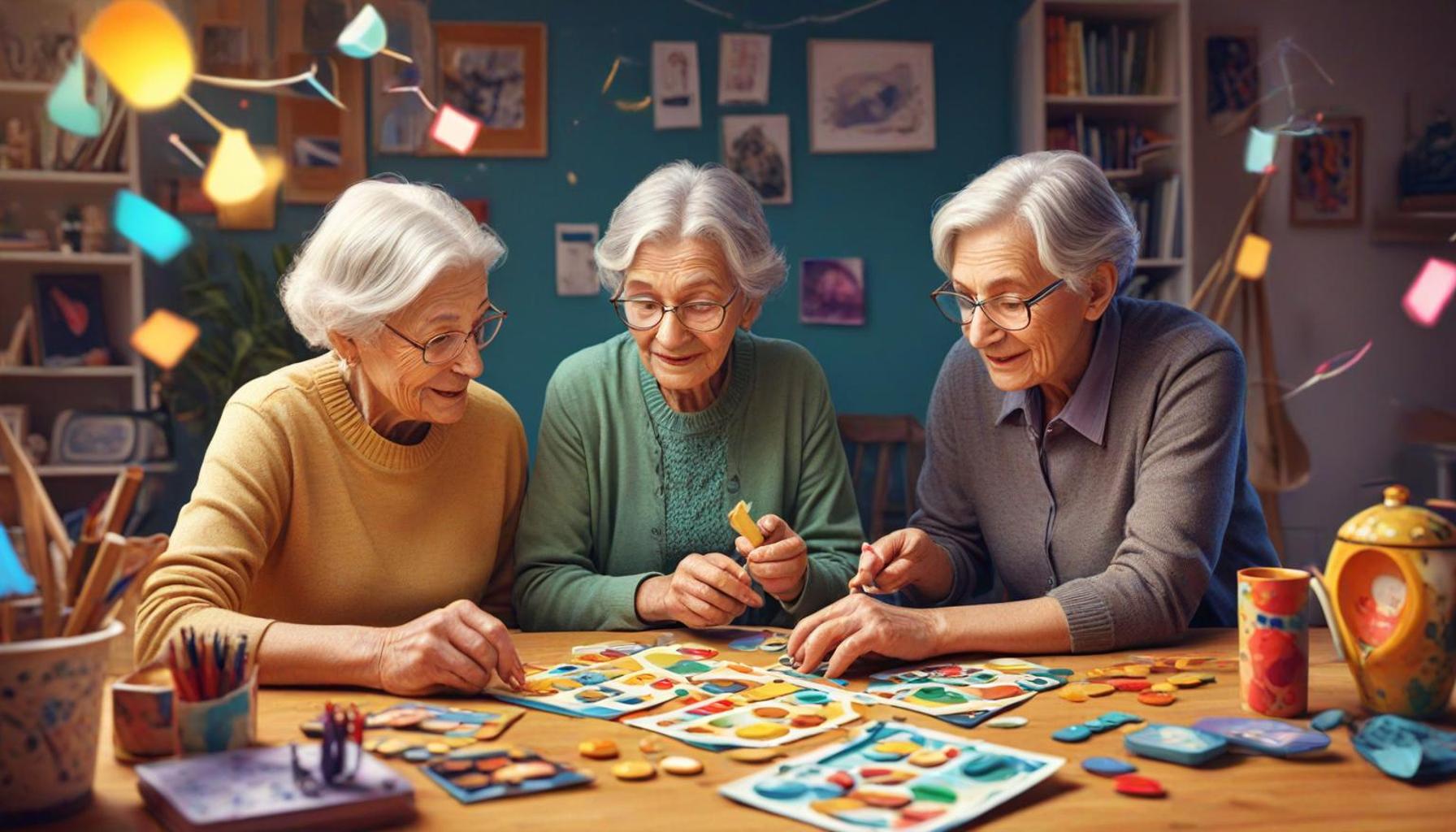
- Social Interaction: One of the greatest joys of playing board games is the laughter and camaraderie they engender. Whether it’s a family gathering on a Sunday afternoon or a lively get-together with friends, games become an experience that fortifies bonds. Celebrated local games like Ayo, where strategy meets chance, remind us of our rich heritage while also spurring friendly competition.
- Cultural Relevance: Traditional games such as Dambe or Oware are deeply embedded in Nigerian culture. They not only symbolize community and cooperation but also reflect the rich history and values of various ethnic groups. By participating in these games, players are not only enjoying themselves but are also preserving their cultural narratives for future generations.
Research underscores the cognitive benefits derived from board game play, indicating significant enhancements in both short-term and long-term memory. Engaging in these activities sharpens mental agility; players must think on their feet, adapt strategies, and remember crucial moves that can turn the tide of the game. Moreover, the face-to-face nature of traditional board games fosters an inviting atmosphere, essential for developing social skills such as communication, teamwork, and empathy.
Ultimately, the charm of board games lies in their unique ability to challenge the intellect while simultaneously enriching human connections. As more families in Nigeria embrace these traditional and contemporary games, they not only introduce elements of fun and joy but also cultivate lifelong learning, cooperation, and a deeper understanding of one another. The next time you gather with loved ones, consider pulling out a board game; it could very well lead to unforgettable memories and a strengthened sense of community.
ADDITIONAL INSIGHTS: Expand your understanding here

The Cognitive Benefits of Board Games
Board games serve as a powerful bridge between fun and cognitive development, particularly in enhancing memory. Research suggests that strategic thinking in board games stimulates brain regions associated with memory and learning. Games that require players to remember complex rules or track pieces can significantly improve cognitive function. For instance, classics like Chess and Checkers demand players not only to foresee their opponent’s moves but also to retain in memory the sequence of tactics employed throughout the game, fostering both short-term recall and long-term memory retention.
In Nigeria, where traditional games like Oware and Ayo abound, the impact of memory improvement becomes clearly evident. These games are not just about playing; they require understanding and remembering an extensive range of strategies and counters. Players need to recall previous turns and anticipate future moves, effectively exercising their mental faculties. This exercise can lead to improved cognitive abilities that extend beyond the game board into daily life, making players more adept at problem-solving and decision-making.
The Social Dynamics of Board Games
Beyond cognitive improvements, the social interactions fostered by board games are invaluable. Engaging in board games is inherently a communal experience, bringing people together around a shared goal. According to social psychologists, these shared activities can significantly enhance interpersonal connections and communication skills, which are essential in building a supportive community. Games often spark laughter, conversation, and sometimes even healthy debate, allowing players to express themselves while reinforcing their ties with one another.
In the context of Nigerian culture, where community and kinship are highly valued, board games such as Dambe do more than entertain; they cultivate an environment for social bonding. Players come together, sharing not only strategies but also stories, creating a tapestry of shared experiences that contribute to a robust social fabric. Such interactions are crucial for developing empathy as players learn to appreciate different perspectives and emotions through gameplay.
- Enhanced Communication: Board games require players to articulate their thoughts and strategies, leading to improved verbal skills and confidence in expressing ideas.
- Teamwork and Cooperation: Many games necessitate collaboration, teaching players the importance of working together to achieve common objectives.
- Conflict Resolution: The competitive nature of games promotes healthy conflict resolution skills, as players must navigate differences in opinion and approach.
As families and friends in Nigeria gather around their favorite board games, they inadvertently engage in activities that dramatically enhance their cognitive abilities and strengthen their social networks. Each roll of the dice or turn of a card becomes part of a larger narrative, fostering memories that last long after the game is over. The compelling fusion of mental exercise with social enjoyment makes board games an ideal vehicle for growth, entertainment, and connection in our increasingly complex world.
The Role of Board Games in Improving Memory and Social Interaction
Board games have long been recognized not only as a source of entertainment but also as effective tools for enhancing memory and social interaction. Engaging with friends and family over a game board stimulates the brain in ways that are both enjoyable and educational.
One of the most fascinating aspects of board games is their impact on cognitive functions. Many games require players to remember strategies, track scores, or recall previous moves. This constant mental engagement can lead to improved cognitive skills. Studies show that players who regularly partake in board games often display enhanced memory capabilities compared to those who do not. By challenging the brain in a fun context, these games serve as excellent exercises for developing long-term memory and boosting overall mental agility.
Additionally, board games create a unique environment that fosters social interaction. Unlike digital games, which can lead to isolation, board games invite real-life conversations and relational dynamics. Playing together allows participants to develop better communication skills, learn to collaborate, and even practice conflict resolution in a safe and controlled setting. Moreover, the shared experience of playing can strengthen existing relationships and help build new friendships.
| Cognitive Benefits | Social Connection |
|---|---|
| Enhances memory retention through active participation. | Encourages face-to-face communication and collaboration. |
| Strengthens cognitive functions such as attention and problem-solving. | Facilitates opportunities for building relationships and new friendships. |
As we consider the multifaceted role board games play, it becomes clear that their value extends far beyond mere entertainment. By improving memory and enhancing social interaction, these games hold the potential to positively impact our overall well-being. Whether you are playing with family or friends, board games create a dynamic atmosphere that enriches personal connections while providing a fun platform for mental growth. What better way to explore the benefits than to dive into a game night?
ADDITIONAL INSIGHTS: Expand your understanding here
Board Games as Tools for Learning and Development
In addition to improving memory and social interaction, board games can also serve as powerful educational tools that promote learning across a variety of subjects. Many modern board games are designed specifically with educational outcomes in mind, making them ideal for families and schools alike. For instance, games like Scrabble and Bananagrams not only encourage vocabulary development but also enhance spelling skills through fun and engaging gameplay. This interactive approach to learning is especially effective for children, as they tend to absorb information better when they are actively involved in a game.
Nigerian environments, including schools and community centers, are beginning to recognize the potential of board games as effective learning aids. Games like Monopoly or The Game of Life can introduce children to basic financial concepts and life skills, teaching them about budgeting, resource management, and strategic planning in a playful context. The incorporation of local themes and elements into these games can further enhance learning, allowing children to connect concepts with their cultural realities.
Emotional Intelligence through Gameplay
Beyond cognitive skills, board games are noteworthy for their ability to foster emotional intelligence. Through gameplay, participants encounter situations that evoke varied emotional responses, such as triumph, disappointment, and frustration. This provides an opportunity for players to develop resilience and emotional regulation. Players learn to face the consequences of their decisions, improving not only their ability to manage emotions but also their capacity for empathy—understanding how opponents feel during competitive moments.
The profound effect of board games on emotional development can be particularly beneficial in Nigerian settings, where communal experiences are vital for nurturing social cohesion. Team-based games, such as Pictionary or Taboo, can require players to work through misunderstandings, ultimately leading to improved conflict resolution skills. Moreover, because these games are generally based on collaboration, they promote a sense of belonging and community, essential in creating supportive environments for emotional growth.
- Encouraging Perseverance: Challenges encountered during gameplay teach players the value of persistence and grit, crucial traits for overcoming obstacles in various aspects of life.
- Building Confidence: As players navigate the rules and strategies of games, they gain self-assurance, which can translate into other areas such as academic performance or social interactions.
- Stimulating Cultural Awareness: Games that reflect Nigerian history, folklore, or geography can enrich players’ cultural awareness, helping them appreciate their heritage while engaging in fun activities.
In essence, the multifaceted role of board games extends far beyond mere entertainment. They become instruments of personal and community development, enhancing cognitive skills, emotional intelligence, and cultural appreciation among players. The engaging nature of these games proves that learning and social interaction can coexist harmoniously, emphasizing not only the enjoyment but also the value they hold in the hearts and minds of players in Nigeria and beyond.
RECOMMENDED: Check out this similar article
Conclusion: The Lasting Impact of Board Games
In conclusion, the significance of board games transcends mere leisure activities, serving as essential catalysts for memory enhancement and enriching social interactions. As highlighted throughout this article, these games foster cognitive development by stimulating various thought processes, from strategic planning to problem-solving. In Nigerian cultural contexts, board games are not only avenues for entertainment but also powerful tools that facilitate learning in diverse subjects, paving the way for children to grasp vital life skills and cultural appreciation through engaging gameplay.
Moreover, the emotional growth derived from board gaming cannot be understated. By navigating the challenges and triumphs of gameplay, players cultivate resilience, empathy, and social cohesion. The dynamics of teamwork and competition provide a fertile ground for developing essential life skills such as conflict resolution and emotional regulation, vital in today’s interconnected world.
As we continue to explore the impact of educational and recreational activities on personal development, it is crucial to promote board games as integral components of community engagement initiatives and educational systems. With the rise of local adaptation and innovation in game design, Nigerians can further embrace games that reflect their rich heritage, making the gaming experience not only enjoyable but also culturally relevant.
Ultimately, whether you are a parent seeking to boost your child’s learning, a teacher aiming to create interactive classroom environments, or simply someone looking to connect with friends and family, integrating board games into daily life can significantly enrich experiences. The journey of discovery, laughter, and learning awaits—inviting you to roll the dice and uncover the endless possibilities that board games offer.

Linda Carter
Linda Carter is a writer and puzzle expert specializing in mind games, brain teasers, and cognitive challenges. With extensive experience helping individuals enhance their problem-solving skills and think critically, Linda shares her knowledge on our platform. Her goal is to empower readers with practical advice, engaging puzzles, and strategies to sharpen their minds and achieve success in the captivating world of mind games and puzzles.