The Importance of Memory Training in the Rehabilitation of Patients with Brain Injuries
The Importance of Memory Training in Cognitive Rehabilitation
Brain injuries can result in profound cognitive impairments that not only affect memory but also disrupt daily living activities. In such cases, memory training becomes an essential component of rehabilitation, instrumental in fostering recovery and improving the quality of life for affected individuals. With appropriate strategies, patients can regain lost cognitive functions, leading to enhanced independence and a return to more normal life patterns.
In Nigeria, where the availability of rehabilitation resources can greatly differ across regions, the integration of memory training into rehabilitation practices holds great promise. Let’s delve into some critical aspects that shape this transformative approach:
- Neuroplasticity: The brain’s remarkable ability to reorganize itself plays a vital role in recovery. Neuroplasticity allows other parts of the brain to take over the functions of impaired areas. This adaptability means that through systematic training and engagement, individuals can reinforce their cognitive abilities.
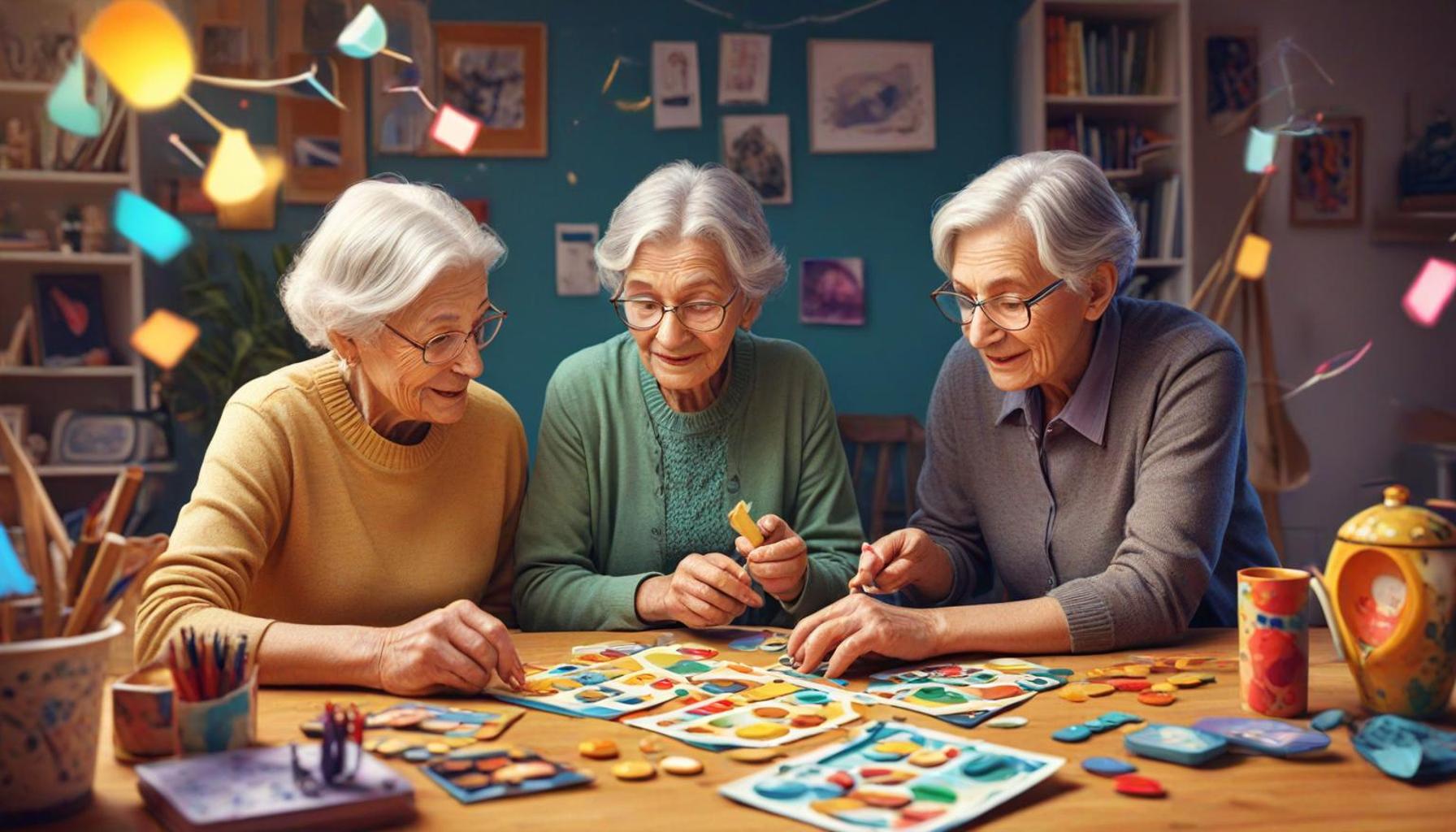
- Cognitive Exercises: Engaging in targeted activities, such as word puzzles, memory games, and even traditional Nigerian board games like Ludu, can stimulate and enhance memory function. These exercises not only support cognitive recovery but also provide a sense of accomplishment.
- Social Interaction: Interacting with family, friends, and community members can significantly benefit cognitive function and emotional health. Group activities, community events, or support groups can mitigate feelings of isolation and provide crucial emotional support vital for rehabilitation.
- Tailored Programs: Customized memory training programs that cater to an individual’s specific needs, lifestyle, and background can lead to more effective outcomes. In Nigeria, healthcare professionals can collaborate with patients and their families to create personalized training pathways that incorporate relevant cultural elements.
Implementing structured memory training can yield remarkable results. Research indicates that patients involved in memory enhancement programs often report:
- Increased confidence in recalling information, which fosters greater engagement in social and professional settings.
- Enhanced ability to perform daily living activities, from managing finances to remembering appointments.
- Improved overall mental well-being, as they feel empowered to take control of their cognitive challenges.
As we explore the significance of memory training in cognitive rehabilitation, we will uncover how these innovative methods are profoundly impacting the lives of those with brain injuries in Nigeria. Such training not only reshapes cognitive abilities but also inspires hope and resilience among individuals and their families as they navigate the rehabilitation journey.
CHECK OUT: Click here to explore more

Unlocking Recovery through Targeted Memory Training
The significance of memory training in the rehabilitation of patients with brain injuries cannot be overstated. Cognitive rehabilitation transcends simple memory enhancement; it opens doors to a world where individuals reclaim autonomy over their lives. Memory training equips patients with the tools they need to navigate complex daily tasks and reintegrate into society. For many, these strategies are not just exercises; they form the crux of their rehabilitation journey.
The first step in understanding the impact of memory training involves recognizing the concept of neuroplasticity. This term describes the brain’s capacity to reorganize itself by forming new neural connections throughout life. In the context of rehabilitation, this phenomenon allows patients to leverage untouched areas of their brains to compensate for functions impaired by injury. As they engage in memory exercises, their brains undergo stimulating changes that help restore cognitive abilities. This becomes especially vital in Nigeria, where traditional healthcare systems may not always prioritize cognitive rehabilitation.
Engagement in cognitive exercises emerges as a cornerstone of effective memory training. These deliberately chosen activities, ranging from simple tasks to complex problem-solving challenges, serve to enhance memory capacity. In Nigerian communities, traditional games such as Ludu or even local storytelling can be fun yet profound avenues to boost cognitive skills. These familiar practices not only stimulate the mind but also create a comfortable environment for patients, making rehabilitation feel less overwhelming. Rounding out cognitive exercises are digital applications and memory games that are increasingly becoming popular among younger generations, ensuring that methods suit every age group.
Another pivotal aspect is the role of social interaction in memory training. Interacting with family and friends fosters emotional connections that can facilitate cognitive recovery. In many Nigerian cultures, community support is paramount, making group activity a natural avenue for progress. Social gatherings, game nights, and community events not only provide emotional solace but also promote healthy cognitive competition. Individuals can practice memory recall in a supportive context, which can inspire and motivate one another to overcome challenges together.
Additionally, the development of tailored programs plays a crucial role in memory training success. Personalized approaches that account for an individual’s unique life experiences and cultural background can significantly enhance the rehabilitation experience. In Nigeria, where diversity in traditions and languages exists, these customized strategies can yield more significant results. Healthcare professionals can work closely with patients and their families to co-create programs that are reflective of their lifestyles, ensuring they are engaging and effective.
In summary, the foundation of successful cognitive rehabilitation is laid on memory training techniques that capitalize on neuroplasticity, engaging cognitive exercises, the power of social interaction, and personalized programs. As we venture deeper into the world of memory training, we will uncover how each of these aspects intertwines to create a robust framework for recovery, eventual independence, and significantly improved quality of life for individuals battling the effects of brain injuries.
| Advantage | Description |
|---|---|
| Enhanced Cognitive Function | Memory training exercises stimulate brain activity, leading to improved cognitive abilities and overall brain health. |
| Emotional Resilience | Training memory can help restore self-confidence and emotional stability, making patients more adaptable to daily life challenges. |
Memory training is not just about recalling facts; it involves engaging various cognitive skills that can significantly enhance a patient’s quality of life after a brain injury. Studies have suggested that personalized memory training techniques can lead to observable improvements in both memory retention and overall brain function. The process also fosters a safe environment for cognitive rehabilitation, allowing for gradual progression that accommodates the patient’s unique challenges.Moreover, as patients engage with memory exercises, they often unlock dormant skills and abilities that pandemic their rehabilitation journey. This is particularly critical in situations where prompted memory recall can lead to successful social interactions, thus reinforcing social skills that might otherwise diminish due to the injury.By focusing on emotional resilience through memory training, patients are likely to experience an uplifted spirit, directly aiding their recovery process. The interplay of memory exercises with psychological support structures creates a comprehensive approach to therapy. As we delve deeper into the rehabilitation protocols, one can appreciate the transformative potential that memory training holds, inviting all to explore these cutting-edge methodologies further.
LEARN MORE: This related article may interest you
The Multifaceted Approach to Enhancing Memory Retention
As we delve deeper into the significance of memory training for patients recovering from brain injuries, it is essential to explore the methodologies that can effectively enhance memory retention. A multi-modal approach encompassing various aspects of learning can significantly bolster cognitive rehabilitation efforts. One promising avenue is the utilization of visual aids and mnemonic devices, which provide tangible assistance in improving memory recall. Research indicates that incorporating visual elements, such as diagrams, pictures, and color-coding, can aid in establishing more profound associations and making complex information easier to remember. This strategy aligns perfectly with the vibrant and rich culture of Nigeria, where visual art forms play a pivotal role in storytelling and knowledge sharing.
Another promising method lies in the incorporation of music therapy as a component of memory training. Music has a remarkable ability to evoke memories and emotions, making it a key resource in rehabilitation. In Nigeria, traditional music can serve as a valuable tool that resonates culturally with individuals, providing both familiarity and comfort. Therapists can use songs or rhythms familiar to the patients to facilitate memory recall and improve cognitive function. The rhythmic patterns and melodies can stimulate brain areas related to memory and spatial awareness, crucial components for those recovering from brain injuries.
Furthermore, adopting a mindfulness-based approach can yield significant benefits in memory training. Mindfulness practices, such as meditation and breathing exercises, foster greater awareness and concentration, contributing to better memory retention. By encouraging individuals to stay present in the moment, they can enhance their ability to encode new information. Given the high levels of stress often associated with brain injuries, mindfulness can provide psychological relief, allowing for a more conducive environment for memory training. In Nigeria, where communal support systems significantly influence individual well-being, mindfulness practices can be seamlessly integrated into existing social frameworks.
Adapting Technology for Cognitive Recovery
In an age where technology permeates every aspect of life, its role in memory training for brain injury rehabilitation cannot be overlooked. Digital applications that offer various cognitive exercises are gaining ground globally, and Nigeria is no exception. These apps often gamify memory training, turning practice into engaging experiences that can motivate patients to work on their cognitive skills. Features such as daily challenges, progress tracking, and customizable exercises allow patients to address their specific cognitive deficits while also experiencing a sense of accomplishment.
Moreover, virtual reality (VR) technology promises innovative solutions for cognitive rehabilitation. By immersing patients in realistic environments, VR provides a unique opportunity for individuals to practice memory and problem-solving in a controlled setting. For example, patients can be presented with everyday situations that require memory recall, such as navigating a familiar market or engaging in conversations with community members. Such simulated experiences can be highly beneficial, as they prepare individuals for real-life interactions in a supportive environment.
The Effect of Professional Guidance
An essential component of successful memory training is the involvement of trained professionals who specialize in cognitive rehabilitation. These therapists not only assess individual needs but are also instrumental in developing comprehensive memory training plans tailored to each patient. In Nigeria, as professionals gain expertise in cognitive recovery strategies, their role will be pivotal in ensuring that memory training focuses on practical and culturally relevant applications. Through active collaboration among therapists, patients, and family members, memory training can become a shared journey that fosters resilience and hope.
The diverse strategies emerging in the field of memory training illustrate the profound impact it can have on the rehabilitation of individuals with brain injuries. As these techniques intertwine, they illuminate a pathway for recovery, empowerment, and enhanced cognitive function, enabling individuals to transcend the limitations imposed by their injuries.
RECOMMENDED: Check out this similar article
Conclusion
In the realm of brain injury rehabilitation, memory training emerges as a cornerstone of recovery, illustrating its undeniable importance in helping individuals reclaim their cognitive abilities and enhance their overall quality of life. By adopting a holistic approach that incorporates a variety of techniques—from visual aids and music therapy to mindfulness practices and advanced technology such as VR—rehabilitation programs can be tailored to meet the unique needs of each patient. This multifaceted strategy not only fosters cognitive recovery but also engages individuals on a personal level, a crucial step in their journey toward reintegration into society.
Furthermore, the integration of professional guidance amplifies the effectiveness of memory training. By collaborating with trained therapists who understand the cultural context and specific challenges faced by Nigerian patients, a supportive and effective cognitive recovery plan can be developed. Such professional involvement ensures that memory training becomes not merely a series of exercises but a shared experience that cultivates resilience, motivation, and hope.
As research continues to unveil the depths of our cognitive capabilities, it is evident that investing in memory training is essential. For patients recovering from brain injuries, each small step towards improved memory can translate into significant strides in their rehabilitation. Therefore, it is imperative for stakeholders within healthcare, families, and communities to emphasize the role of memory training as they nurture the potential of survivors. Together, we can pave the way for successful rehabilitation that celebrates restoration and empowers individuals to thrive once again.

Linda Carter
Linda Carter is a writer and puzzle expert specializing in mind games, brain teasers, and cognitive challenges. With extensive experience helping individuals enhance their problem-solving skills and think critically, Linda shares her knowledge on our platform. Her goal is to empower readers with practical advice, engaging puzzles, and strategies to sharpen their minds and achieve success in the captivating world of mind games and puzzles.