
Developing Social and Cognitive Skills: How Board Games Can Enhance Critical Thinking
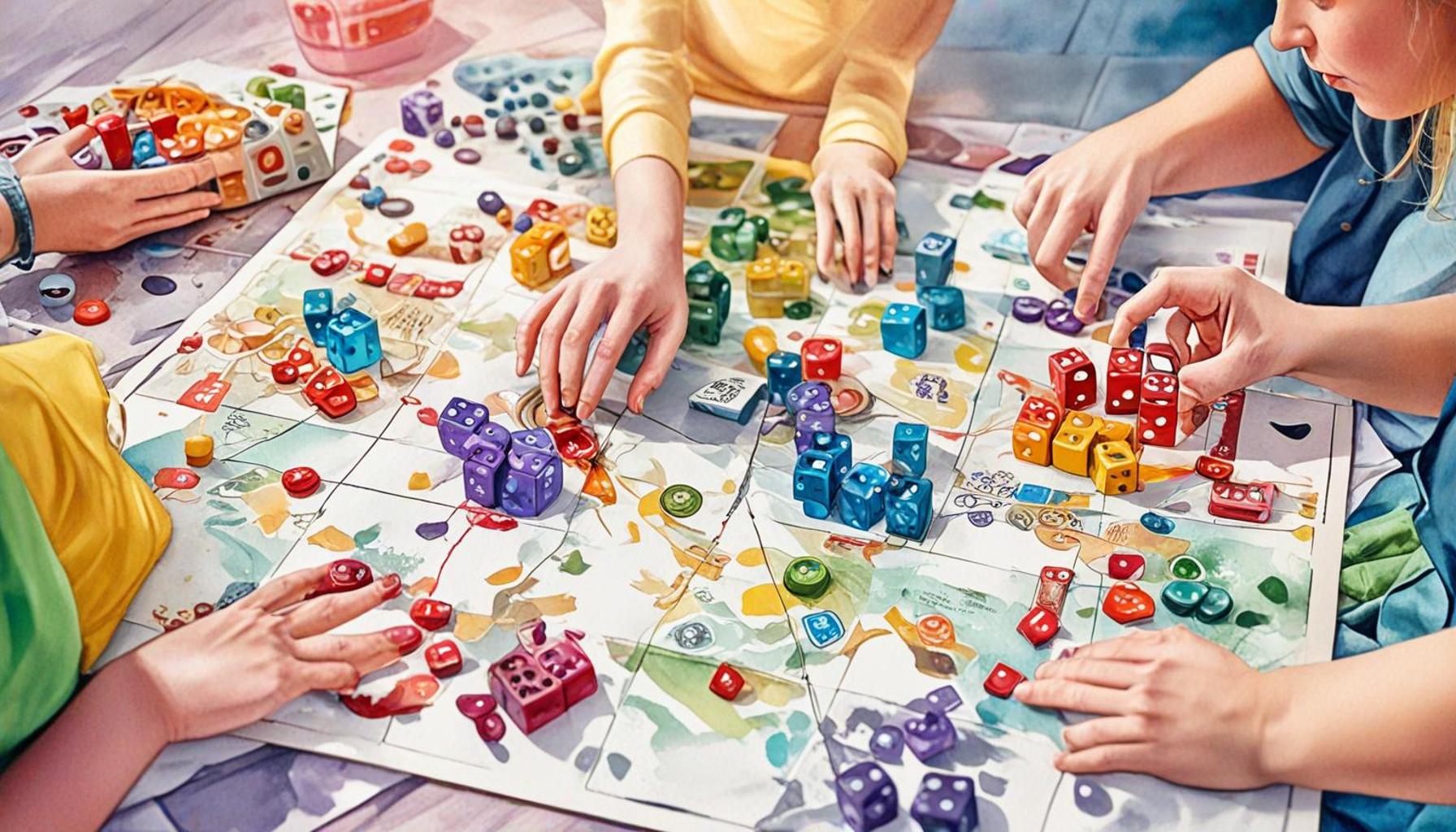
Unlocking Potential Through Play
In an age dominated by digital distractions, board games present a timeless opportunity to cultivate both social and cognitive skills. These games do not merely entertain; they engage players in deep thought and foster important life skills. As families and friends gather around a game board, the benefits extend far beyond fun, creating lasting bonds and impactful learning experiences.
Key Benefits of Board Games
- Critical Thinking: Players must strategize, make decisions, and anticipate opponents’ moves, engaging in a mental dance that sharpens their analytical abilities. In games like chess, for example, players analyze positions and predict future moves, enhancing their foresight and planning capabilities.
- Social Interaction: Board games encourage communication and teamwork, essential in both personal and professional settings. By fostering dialogue, players learn to share ideas and navigate group dynamics. Even local games like Ayo promote interaction, where players must verbally engage with each other to negotiate moves and strategies.
- Problem Solving: Each game presents unique challenges requiring adaptation and resilience. Games like Settlers of Catan teach players to negotiate, compromise, and find innovative solutions under pressure, making them effective in real-life scenarios.
In Nigeria, a rich tradition of games exists, from Damii to Ludu, many of which are now finding their way into educational frameworks. Schools and community centers have started leveraging these traditional and contemporary board games to promote healthy competition and collaboration among players of different ages and backgrounds. For instance, initiatives in urban areas of Nigeria encourage students to participate in board game tournaments, equipping them with critical thinking skills that extend into their academic and future professional endeavors.
Moreover, the rise in game cafés and community game nights across cities like Lagos and Abuja has further made board games accessible to those seeking social connections in a bustling environment. This social setting allows players not only to develop their cognitive skills but also to form friendships that transcend age and cultural differences.
This exploration into board games reveals their significant capacity to bolster our cognitive and social abilities. From learning to work in teams to enhancing memory and reasoning skills, the impact of board games on personal development is profound and inspires a deeper investigation into their role within our communities. As this trend continues to gain traction, it is clear that board games will remain a valuable tool for education and social interaction in Nigeria and beyond.
LEARN MORE: This related article may interest you

The Power of Board Games in Skill Development
Board games serve as a traditional yet dynamic medium through which individuals can develop vital social and cognitive skills. From the clash of strategies in classic titles like chess to the vibrant negotiations of Settlers of Catan, these games not only entertain but also challenge players to think critically and engage meaningfully with others. Considering Nigeria’s rich cultural heritage, where traditional games like Ayo and Ludu thrive alongside modern variants, the transformative potential of board games in enhancing critical thinking becomes increasingly relevant.
Engaging the Mind and Heart
At the heart of board games lies a unique blend of mental stimulation and social interaction, making them unlike any other pastime. The mental stimulation is evident in various aspects:
- Strategic Planning: In games such as chess, players must anticipate their opponent’s moves while devising their strategies. This kind of critical thinking cultivates a proactive mindset, enabling individuals to think several steps ahead in real-life scenarios.
- Adaptive Problem Solving: Each game presents varying challenges, which require players to adapt their strategies continually. Games like Catan promote creativity in problem-solving as players must negotiate resources, showcasing their ability to find solutions amidst constraints.
- Enhanced Memory: Many board games require players to remember rules, past moves, and opponents’ strategies, thus honing their memory retention abilities. For example, games like Monopoly demand players remember property values and potential strategies for purchasing houses—all crucial in navigating the game.
The role of social interactions within these games cannot be overstated. Engaging in board games requires players to communicate openly, leading to the enhancement of interpersonal skills. Players learn to:
- Negotiate: In competitive settings, players must persuade others, making negotiation a critical skill that carries over into everyday life.
- Collaborate: Many games require teamwork, necessitating players to work together towards a common goal while understanding and respecting differing opinions.
- Manage Conflict: Inherent in competition is the potential for disagreements, creating a natural environment for players to practice conflict resolution and emotional intelligence.
In a country like Nigeria, where community ties and collaboration are essential, board games provide an excellent platform to practice these skills. Initiatives in schools and community centers have integrated board games into their programming, allowing children and adults to engage constructively. By facilitating tournaments and game nights, participants not only learn valuable skills but also foster friendships that last beyond the game board.
This synergistic relationship between board games and the enhancement of both cognitive and social skills underscores their importance not just as a form of entertainment, but as key instruments in fostering critical thinking. As many Nigerians are discovering, engaging in board games can significantly enrich our communities and personal lives, making them a tool worthy of exploration and appreciation.
| Advantage | Description |
|---|---|
| Critical Thinking Development | Board games promote analytical reasoning by challenging players to devise strategies and anticipate opponents’ moves. |
| Social Interaction | These games encourage communication and teamwork, fostering bonds as players work together towards shared goals. |
As players engage in board games, they encounter complex situations requiring thoughtful decision-making, which is a foundation for developing strong critical thinking skills. This aspect of gameplay reminds us that every move can lead to different consequences, encouraging an analytical approach to challenges. The social interaction aspect cannot be overlooked either; it empowers individuals to express their ideas and thoughts more openly, which is essential for enhanced cognitive development.Additionally, board games can serve an educational purpose — teaching valuable lessons about strategic planning and consequence management. Whether through cooperative games that require teamwork or competitive games that enhance individual strategy, the opportunities for learning are abundant. As players navigate the intricate world of board games, they not only refine their cognitive skills but also strengthen their social abilities. This combination sets the stage for a comprehensive learning experience, making board games a treasure trove for personal and social growth.
RECOMMENDED: Check out this similar article
The Role of Board Games in Educational Settings
As educational methodologies continue to evolve, integrating board games into the curriculum emerges as a potent strategy for developing social and cognitive skills. In the Nigerian context, many schools and educators have begun to realize the significant role that board games can play in fostering critical thinking among students. By making learning engaging and interactive, these games not only serve as a valuable teaching tool but also promote essential life skills.
Promoting Literacy and Numeracy
Board games can be powerful instruments for enhancing literacy and numeracy skills. Games such as Scrabble and WordSearch require players to utilize their vocabulary and spelling capabilities actively, encouraging language development. The requirement to form coherent words under pressure cultivates quick thinking and strengthens linguistic skills, ultimately enhancing players’ communication abilities.
Similarly, games like Monopoly and Uno introduce players to key mathematical concepts such as addition, subtraction, and probability in an enjoyable, hands-on way. Through the practical application of these skills, players reinforce their understanding, making mathematical concepts feel accessible and relevant outside the classroom.
Encouraging Critical Thinking and Decision-Making
The nature of board games encourages players to analyze situations and think critically about potential outcomes. Research supports the idea that engaging in strategic play enhances decision-making processes; participants learn to recognize patterns, weigh risks against rewards, and make informed choices based on analysis rather than impulsive reactions. This is particularly crucial in a country like Nigeria, where strategic thinking is invaluable in both personal and professional lives.
- Risk Assessment: Players engage in constant evaluation of their positions within the game, fostering a mindset that encourages careful analysis in real-world scenarios. This is key for individuals facing challenges and opportunities in a dynamic environment, where decisions can significantly impact their futures.
- Long-term Planning: Board games require players to consider not only immediate actions but also future implications. This multi-faceted approach translates well to life outside the game, teaching individuals to set realistic goals and devise comprehensive plans to achieve them.
Fostering Cultural Exchange and Inclusion
Perhaps one of the most enriching aspects of board games is their ability to bring individuals from diverse backgrounds together, facilitating cultural exchange and fostering inclusivity. In Nigeria, where there are more than 250 ethnic groups, board games offer a unique avenue for people to bond over shared interests, celebrate differences, and learn from one another. Engaging in board games can prompt conversation, sparking interest in different traditions and creating a stronger sense of community.
Moreover, initiatives that involve community game nights have proven effective in bridging gaps among different social groups. These gatherings encourage interpersonal connections and create safe spaces for dialogue, breaking down barriers that may otherwise exist. As players interact and form friendships, they simultaneously develop essential social skills—a vital element in navigating Nigeria’s multicultural landscape.
Ultimately, the integration of board games into both educational settings and community structures holds immense potential for enhancing critical thinking, social interaction, and personal growth. This approach not only enriches individual lives but also contributes to building stronger, more cohesive communities across Nigeria—an outcome that can significantly shape the future of the nation.
ADDITIONAL INSIGHTS: Expand your understanding here
Conclusion
In an age where critical thinking competencies are paramount for success in both personal and professional realms, the integration of board games into education and community activities provides an innovative solution to enhance social and cognitive skills in Nigeria. The unique ability of these games to engage players in strategic thinking fosters a robust environment conducive to skill development. By promoting literacy and numeracy through language-oriented and mathematical games, learners are not only entertained but actively participating in their educational journeys.
Furthermore, board games serve as a vehicle for essential decision-making and long-term planning abilities. With every roll of the dice or placement of a token, players learn to assess risk, navigate challenges, and consider the broader implications of their actions—a competency that has far-reaching consequences beyond game nights. The social aspect of board gaming also cannot be understated, as it encourages inclusivity, fosters community bonds, and inspires dialogue among individuals from diverse backgrounds, which is especially important in a culturally rich nation like Nigeria.
Exploring the profound influence of board games in shaping individuals’ minds offers a refreshing perspective on traditional education. As Nigeria moves forward, leveraging board games could play a crucial role not only in classroom settings but also as part of community initiatives, leading to a more engaged populace equipped with the critical thinking skills essential for tackling contemporary challenges. In this journey of exploration and development, board games prove to be more than just a source of fun—they are a cornerstone of growth, learning, and collective progress.

Linda Carter
Linda Carter is a writer and puzzle expert specializing in mind games, brain teasers, and cognitive challenges. With extensive experience helping individuals enhance their problem-solving skills and think critically, Linda shares her knowledge on our platform. Her goal is to empower readers with practical advice, engaging puzzles, and strategies to sharpen their minds and achieve success in the captivating world of mind games and puzzles.