How Real-Time Strategy Games Develop Planning and Problem-Solving Skills
Unlocking Skills Through Play
In today’s fast-paced world, where strategic thinking is more critical than ever, real-time strategy (RTS) games are gaining recognition for their unique ability to cultivate essential skills. These games challenge players to make quick decisions, adapt strategies, and implement plans under pressure, all while managing resources and units effectively. By their very nature, RTS games immerse players in environments that simulate the complexities of real-life scenarios, requiring acute awareness and analytical capabilities.
Several key features of RTS games contribute to skill development:
- Resource Management: Players learn to allocate resources efficiently to enhance their chances of success. For instance, in games like Age of Empires, players must manage food, gold, and wood—resources that are crucial for developing technology and units. This aspect mirrors real-world business management, where resource optimization is key to maintaining operations.
- Strategic Planning: Formulating long-term strategies in a dynamic environment sharpens foresight and adaptability. In titles such as StarCraft, players strategize not just for immediate conflict but also for future challenges, requiring them to consider the opponent’s moves and potential technological advancements, akin to strategic planning in corporate environments.
- Problem-Solving: Players encounter various challenges that require innovative solutions, fostering critical thinking. The unpredictability of opponents’ actions in RTS games means players must think on their feet to devise counter-strategies, much like navigating day-to-day challenges in personal and professional life.
The digital landscape in Nigeria is expanding with enthusiastic gamers embracing these genres. With a growing population of tech-savvy youth, RTS games offer a platform for skill development that aligns well with Nigeria’s aspirations in technology and entrepreneurship. As players engage with titles such as Command & Conquer and local adaptations of classic strategies, they find that the complex decision-making processes translate well into other areas of life.
As players immerse themselves in these engaging experiences, they soon realize that the lessons learned have profound implications for real-life situations. Whether in business negotiations or everyday problem-solving scenarios, the cognitive skills honed in RTS games prove invaluable. For instance, Nigerian entrepreneurs can leverage the strategic thinking developed through gaming to navigate the competitive terrain of startups, where quick decision-making and resource allocation are critical for success.
Recognizing how these games foster essential skills invites players, educators, and parents to rethink the role of gaming in personal development. By promoting these immersive experiences in schools or youth clubs throughout Nigeria, we can harness the educational potential of gaming and equip the younger generation with critical life skills that will benefit them in the digital age.
YOU MAY ALSO LIKE: Read read another article
Strategic Thinking and Resource Allocation
At the heart of real-time strategy games lies the necessity of strategic thinking. Players are not merely participants; they become commanders who must anticipate outcomes and prepare for diverse situations. This experience requires them to think ahead and develop plans that are flexible enough to adjust when unforeseen circumstances arise. The act of plotting multiple steps ahead—a hallmark of effective planning—transforms the gaming experience into an educational tool that sharpens the mind.
In Nigeria, where businesses are often built from the ground up, the principles learned through RTS games can mirror the entrepreneurial spirit found in local markets. Just as a player must evaluate their choices in regards to limited resources—perhaps designing a headquarters while gathering troops—an entrepreneur must make calculated decisions on investing in inventory or marketing to ensure viability.
- Identifying Resources: Players must assess available resources, ranging from materials to manpower. In games like Civilization, understanding and optimizing the use of these resources is crucial, reflecting the resourcefulness required in real-life projects such as community development initiatives.
- Evaluating Risks: The environment in RTS games often shifts, similar to the uncertainties faced in business. Players must weigh the risk versus the reward of each tactical decision. A rush towards a critical objective can lead to victory or devastating losses, just as investing heavily in a new venture can yield profits or lead to failure.
- Time Management: Every second counts in real-time strategy games. Players must delegate tasks efficiently, ensuring that no time is squandered. This skill can translate seamlessly into managing work deadlines or juggling multiple responsibilities—many of which young professionals in Nigeria face in a competitive job market.
Moreover, RTS games inherently foster a mentality geared toward problem-solving. Players are often presented with scenarios that require immediate action—whether defending against an unexpected attack or strategizing for a critical resource shortage. The quick-thinking nature of these challenges helps develop a problem-solving mindset that equips individuals to handle similar real-world pressures. For young Nigerians navigating the complexities of education and career paths, the ability to develop solutions on the fly can significantly impact their success.
In an era where innovation is vital, the systematic approach emphasized in RTS games extends beyond mere entertainment. Players find themselves adopting a mindset that not only shapes their gaming strategies but profoundly influences their real-world interactions and decisions. The challenges faced while building virtual empires encourage a culture of adaptation and resilience—qualities essential for thriving in today’s ever-evolving marketplaces. As more individuals engage with these games, it becomes increasingly clear that the skills refined through play are not just relegated to the screen; they have the potential to transform lives and careers in tangible ways.
How Real-Time Strategy Games Develop Planning and Problem-Solving Skills
Real-Time Strategy (RTS) games offer a unique platform for players to enhance their planning and problem-solving abilities in dynamic environments. These games require immediate decision-making while simultaneously managing resources, executing strategies, and adapting to opponents’ moves. Each gameplay scenario presents a complex set of challenges, compelling players to use critical thinking and analytical skills to formulate effective plans.
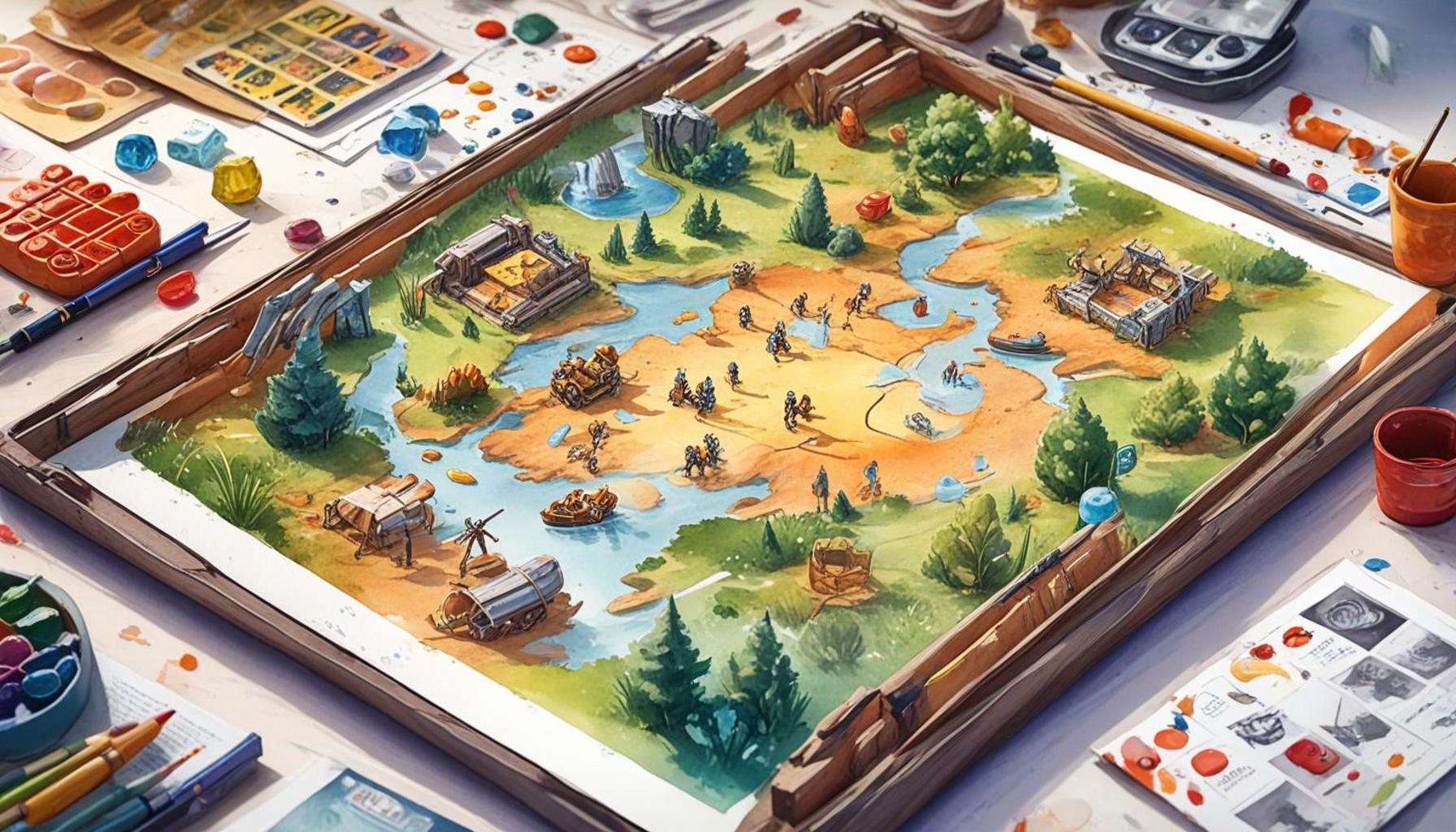
For instance, players must analyze geography, assess unit strengths and weaknesses, and predict enemy actions, all in real time. This multifaceted approach encourages a holistic view of problems, leading to a deeper understanding of strategic foresight and adaptability.
The skills honed in RTS games extend beyond virtual realms; they are applicable in real-world situations such as project management, military strategy, and even personal finance. As players collaborate or compete, they also learn to communicate effectively, assign roles within teams, and adjust plans based on feedback and evolving conditions—key attributes for successful problem-solving.
| Category | Description |
|---|---|
| Enhanced Decision-Making | Players learn to make quick, informed decisions under pressure, improving their mental agility. |
| Resource Management Skills | Effective utilization of resources teaches players strategic prioritization and long-term planning. |
Furthermore, the competitive aspect of RTS games cultivates resilience. As players encounter setbacks or defeat, they must analyze their tactics, learn from their mistakes, and adapt accordingly—a vital aspect of effective problem-solving in any field.
Certainly, engaging in RTS games is not just about entertainment; it shapes cognitive abilities that are crucial for navigating life’s myriad challenges.
LEARN MORE: This related article may interest you
Collaboration and Team Dynamics
Another integral aspect of real-time strategy (RTS) games is how they foster collaboration and team dynamics. In many popular titles, players often have the option to engage in cooperative gameplay or multiplayer scenarios, where success relies on shared decision-making and strategic alliances. This interaction encourages the development of interpersonal skills essential for navigating complex social environments, much like the collaborations needed in various sectors within Nigeria, from business partnerships to community initiatives.
Working in teams requires players to communicate effectively, delegate roles, and synchronize their efforts towards achieving a common goal. In RTS games like Warcraft III or Age of Empires, players must articulate their strategies, ensuring that every team member understands their responsibilities and the overall plan. This kind of communication is critical in Nigerian workplaces, where clarity in roles can ultimately lead to project success or failure.
- Building Trust: Trust is the bedrock of successful collaboration. In RTS games, players must rely on teammates to execute their plans effectively. When players make strategic sacrifices or share resources with their allies, it helps to build trust—an essential component of any effective teamwork scenario, whether it’s in a startup environment or a nonprofit organization tackling social issues.
- Conflict Resolution: Conflicts inevitably arise in both RTS games and real life. Players often face disagreements regarding tactics or resource management. Successfully navigating these conflicts in the heat of a game can teach valuable lessons in diplomacy and negotiation skills. For Nigerian youth, refining these abilities is crucial, as they often find themselves mediating differences in diverse team environments.
- Feedback and Adaptation: In a multiplayer RTS, teams can reflect on their performances, share feedback, and adapt their strategies. The iterative process of evaluating outcomes and adjusting tactics can improve overall decision-making capabilities. This mirrors real-world scenarios where assessments lead to refined strategies in business or community projects.
The element of teamwork in RTS games extends beyond mere enjoyment; it cultivates a collaborative spirit that is incredibly relevant in Nigeria’s increasingly interconnected labor market. As local professionals engage with these games, they develop a keener understanding of the importance of collective effort. This understanding is particularly valued in Nigerian culture, where communal support structures often lead to success in both business and community engagement.
Furthermore, RTS games offer a framework that emphasizes the importance of strategic alliances. Players are constantly reminded that a lone wolf approach can lead to defeat. Instead, forming and maintaining alliances is paramount. This concept of teamwork and negotiation in gaming reflects real-life networks in Nigeria, where business and social success often hinge on collaboration and mutual support. By positioning players to view the world as a complex web of interactions and relationships, RTS games prepare individuals to thrive in multifaceted environments.
Ultimately, the skills acquired through teamwork in RTS games translate seamlessly into various aspects of life, enhancing both personal and professional relationships. In a country as culturally diverse as Nigeria, the lessons learned through collaboration in virtual realms can empower individuals to build strong communities and successful ventures, fostering a spirit of unity and resilience that resonates far beyond the gaming screen.
LEARN MORE: This related article may interest you
Conclusion
In conclusion, real-time strategy (RTS) games serve as a powerful medium for developing essential planning and problem-solving skills that are increasingly relevant in today’s fast-paced world. Through managing resources, navigating complex scenarios, and formulating detailed strategies, players enhance their cognitive abilities and become adept decision-makers. In the context of Nigeria, where a thriving and dynamic economy relies on quick thinking and adaptability, the lessons learned from these games can prove invaluable.
The collaborative nature of RTS games fosters significant teamwork attributes, such as effective communication, trust-building, and conflict resolution, all of which are critical in both professional and social settings. As players work together towards shared objectives, they not only improve their personal skills but also contribute to collective achievements that reflect real-life partnerships found in various sectors across Nigeria.
Moreover, the iterative process of learning from mistakes and adapting strategies within the gaming environment mirrors the realities of business and social initiatives. This ability to assess outcomes and pivot strategies is crucial for success in a country characterized by diversity and rapid change. Thus, the skills honed through RTS gaming are not just confined to entertainment; they extend far beyond, equipping players with the tools necessary to thrive in complex and challenging environments.
As the gaming landscape continues to evolve, exploring these enriching experiences within RTS games could be a transformative journey for Nigerian youth, paving the way for stronger communities and resilient ventures. The lessons gained from the virtual world could very well lead to real-world breakthroughs, fostering a culture of innovation, teamwork, and strategic thinking.

Linda Carter
Linda Carter is a writer and puzzle expert specializing in mind games, brain teasers, and cognitive challenges. With extensive experience helping individuals enhance their problem-solving skills and think critically, Linda shares her knowledge on our platform. Her goal is to empower readers with practical advice, engaging puzzles, and strategies to sharpen their minds and achieve success in the captivating world of mind games and puzzles.