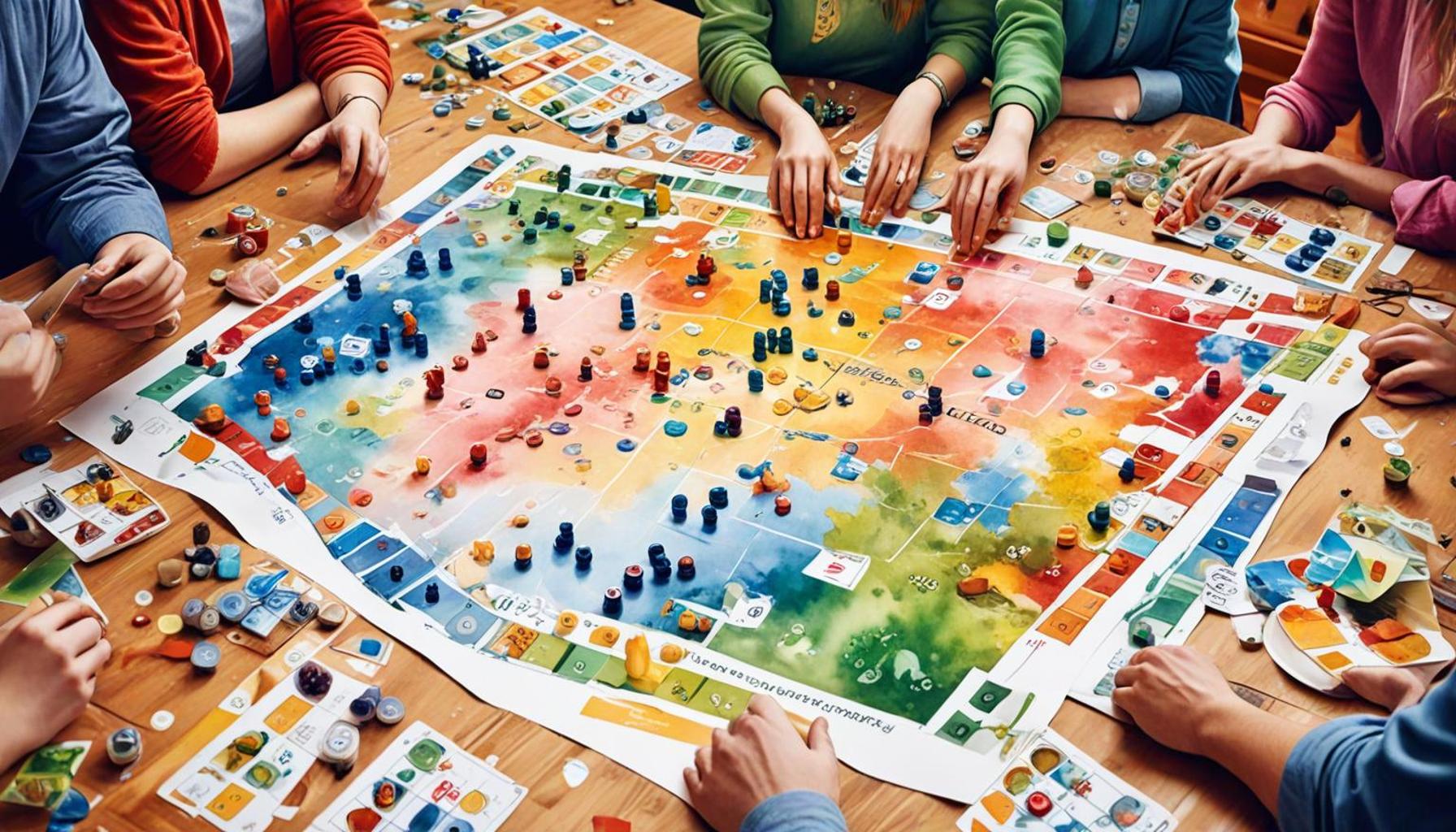
How Word Games Can Enhance Mental Agility and Strategic Thinking
Unlocking Your Mind Through Word Games
In a world increasingly driven by information and communication, nurturing your cognitive abilities is essential for both personal and professional growth. Among the various methods available for enhancing mental prowess, word games stand out as an engaging and effective solution. These games not only offer entertainment but also foster essential skills that can translate to everyday life, particularly in a multilingual environment like Nigeria, where over 500 languages are spoken.
Word games can be a powerful tool for enhancing mental agility and strategic thinking. Here’s how these captivating activities can benefit players of all ages:
- Vocabulary expansion: As players engage in games like Scrabble or Boggle, they are often pushed to confront unfamiliar words. This encourages them to learn meanings, pronunciations, and usage, thereby broadening their vocabulary. For example, a player might discover the word ‘jamboree’—a term not commonly used in everyday conversation—expanding their linguistic repertoire.
- Critical thinking: Many word games require quick thinking and problem-solving skills. In games like crossword puzzles, players must decipher clues and come up with words that fit specific criteria, honing their ability to think on their feet and devise strategies to complete the puzzle efficiently.
- Memory enhancement: Retaining words and their meanings aids in improving memory. Regularly playing these games can create strong associations between words and concepts, making it easier for players to recall information in other contexts. This skill is particularly beneficial in academic settings where language proficiency is key to success.
- Social interaction: Participating in word games with friends or family members promotes teamwork and communication. For example, playing a game of Scrabble at a family gathering not only strengthens bonds but also facilitates lively discussions about word meanings and strategies, thereby enriching the overall experience.
The popularity of games like Scrabble and crossword puzzles is evident in homes across Nigeria, where families often gather around a board or a newspaper to challenge each other’s wits. Each session serves as a mental workout that sharpens the brain and fosters strategic insight. The profound connection between language and logic that these games create is invaluable for players seeking to enhance their cognitive flexibility.
As you delve deeper into the realm of word gaming, an abundance of strategies and techniques await discovery. These not only improve language skills but also bolster cognitive functions that are vital for navigating daily challenges. By embracing these games, individuals can cultivate sharper thinking capabilities that extend beyond the confines of the game board and into various aspects of life.
So, let’s embark on this enlightening journey to uncover how word games can transform your approach to learning and mental performance, making them a worthy addition to your cognitive toolkit.

YOU MAY ALSO LIKE: Read read another article
The Cognitive Benefits of Word Games
Word games serve as an excellent medium for cultivating mental agility and enhancing strategic thinking. Each game offers a unique set of challenges that can integrate seamlessly into daily routines while providing significant cognitive benefits. Engaging in these activities not only sharpens one’s language skills but also fosters critical brain functions essential for success in various aspects of life.
Boosting Mental Agility
At its core, mental agility refers to the brain’s ability to rapidly process information, adapt to new challenges, and switch between tasks efficiently. Word games are designed to promote this essential skill. Consider the game of Boggle, for example. In this fast-paced environment, players must quickly identify words from a random assortment of letters. The time constraints and the need to think rapidly push individuals to employ mental flexibility, allowing them to juggle possibilities and choose the most efficient strategies on the spot.
Moreover, the maze of words in games like Scrabble encourages players to utilize strategic approaches when placing tiles on the board. Successful players must analyze the current state of the game and anticipate their opponents’ moves, which hones their critical thinking abilities. This mental exercise parallels real-life situations where quick adaptability and foresight are crucial—whether in business negotiations or in everyday decision-making.
Strategic Thinking Development
Strategic thinking is not merely an academic skill; it is deeply integrated into everyday life, particularly in a diverse nation like Nigeria, where navigating social interactions often requires a nuanced understanding of language and culture. Engaging in word games is a practical way to develop this skill. Players learn to evaluate risks and rewards based on their word choices and the points those words may generate.
To further emphasize the strategic component of word games, let’s explore a few benefits that emerge from this form of play:
- Pattern Recognition: Players must identify patterns in letters and words, enhancing their ability to recognize relationships and anticipate consequences. Understanding these patterns helps not only in games but also in interpreting complex information in academic or professional settings.
- Resource Management: Like managing resources in a business, players of Scrabble must balance their letter tiles and utilize them wisely to maximize points. This encourages an analytic perspective, enabling better decision-making skills in different areas of life.
- Future Planning: Successful players must think ahead, predicting future moves based on their current choices. This foresight mirrors strategic business planning, where anticipating competitors’ actions can lead to a significant advantage.
As players indulge in the joys of word games, they inadvertently engage in cognitive workouts that prepare their minds for various real-world challenges. In this way, the simple act of playing becomes a reservoir of skills that can be drawn upon in professional and personal contexts. Whether in a bustling Lagos café or a quiet family gathering in the northern states, the appeal of word games transcends borders, making it an enduring beloved pastime and a formidable tool for mental enhancement.
| Advantage | Description |
|---|---|
| Enhanced Vocabulary | Playing word games increases exposure to new words and their usage, enriching one’s vocabulary. |
| Strategic Planning | Word games necessitate foresight and strategy in making moves that can lead to victory. |
The influence of word games extends far beyond entertainment; they are tools of cognitive enhancement. One significant advantage is the enhanced vocabulary that players develop. Engaging with diverse lexicons not only helps in improving verbal skills but also deepens understanding of language nuances. Players inadvertently learn the subtleties of word usage, idiomatic expressions, and even cultural contexts.Furthermore, these games stimulate strategic planning, where players must anticipate opponents’ moves, evaluate the board, and formulate effective tactics for success. This aspect of word games ignites critical thinking and aids in building mental frameworks that are applicable in real-world scenarios. Through careful analysis and prediction, players cultivate skills that are invaluable not only in gaming but also in everyday decision-making and problem-solving contexts. As the demand for these cognitive attributes rises, word games emerge as an engaging solution for those seeking to refine their mental agility and strategic prowess. Whether you’re a casual player or a word aficionado, the benefits are undeniably profound.
CHECK OUT: Click here to explore more
Word Games as Tools for Social Interaction and Community Building
Beyond personal cognitive development, word games also play a significant role in fostering social interaction and building community ties. In a diverse nation like Nigeria, where cultural richness and variation are woven into the fabric of daily life, word games serve as a universal language, bridging gaps between generations, cultures, and even linguistic boundaries. Playing games such as Scrabble, Ludo, or Hangman in group settings promotes not only mental sharpness but also enhances relationships and community cohesion.
The Social Dynamics of Word Games
When people gather to engage in word games, they unknowingly harvest a plethora of elements essential for social well-being. These games offer a platform for individuals to connect on a personal level, share laughs, and create memorable experiences together. For instance, families in urban centers like Lagos or Enugu often incorporate word games into family gatherings, allowing each member to contribute their unique perspectives and vocabulary. This interaction engages players in meaningful discussions, thereby enhancing their communicative abilities alongside their cognitive skills.
The competitive nature of word games also instills a sense of camaraderie. As players strategize together, they learn the importance of teamwork, support, and sportsmanship. In local competitions, community members might form teams, collectively identifying strategies and supporting one another in crafting their best moves. This environment encourages collaboration and fosters a shared sense of purpose, thus strengthening community bonds.
Encouraging Lifelong Learning
Moreover, word games instill a culture of lifelong learning, crucial for cognitive development across the lifespan. Children and adults alike can benefit from engaging with words in dynamic and engaging ways. For example, the game of ‘Scrabble’ not only improves vocabulary but also encourages players to explore the meanings of unfamiliar words as they play. In classrooms, teachers in Nigeria can enhance language lessons by integrating word games, making learning enjoyable and interactive. This active engagement enables better retention of knowledge and inspires students to explore their linguistic capabilities further.
Adapting Word Games to Promote Cultural Awareness
Interestingly, many local variations of traditional word games can be created to reflect indigenous languages, proverbs, or cultural nuances. This not only encourages the preservation of local dialects but also enhances cultural awareness among players, enabling them to appreciate the richness of Nigeria’s linguistic diversity. For instance, a word game themed around popular Nigerian proverbs could serve as both a fun activity and a learning opportunity that stimulates discussion around heritage, values, and community ethics.
Furthermore, observing others play word games can also enhance one’s own understanding of word formation, strategic play, and problem-solving skills. This vicarious learning encourages individuals to reflect on their own choices while engaging with the players around them, enriching their overall game experience.
As technologies advance, the digital realm of word games through mobile applications and online platforms has expanded, making these games more accessible than ever. Individuals in urban or rural areas can connect with others, thereby creating a more interconnected community of word game enthusiasts. Such forums not only stimulate mental agility and strategic thinking but also foster a sense of belonging, breaking down geographical barriers and uniting people through a shared love of language.
RECOMMENDED: Check out this similar article
Conclusion: Embracing the Power of Word Games
In summary, word games are not just entertaining pastimes; they are invaluable tools for enhancing mental agility and fostering strategic thinking. Through their ability to challenge our cognitive abilities, improve vocabulary, and stimulate creative problem-solving, these games empower individuals of all ages to sharpen their minds in an engaging way. In a vibrant country like Nigeria, where language and culture intersect seamlessly, word games serve as a bridge, connecting communities and generations while enhancing communication and understanding.
Beyond individual benefits, these games cultivate a sense of community and support, teaching essential life skills like teamwork and sportsmanship. As families gather around a Scrabble board or friends engage in a spirited game of Ludo, they create lasting bonds that deepen their social interactions and contribute to a sense of belonging. Moreover, adapting word games to reflect local languages and cultural nuances can enrich cultural appreciation and promote linguistic diversity, fostering respect for Nigeria’s heritage.
As we continue to explore the digital landscape, the accessibility of word games through mobile applications is paving the way for an even broader community of players. This interconnectedness not only fuels mental engagement but also encourages a culture of lifelong learning. Ultimately, embracing word games not only enhances our cognitive faculties but also brings us closer together, uniting us in a shared passion for language and learning. Whether played in the comfort of our homes or online with friends afar, the benefits of word games are evident—making them an essential element of our intellectual and social lives.

Linda Carter
Linda Carter is a writer and puzzle expert specializing in mind games, brain teasers, and cognitive challenges. With extensive experience helping individuals enhance their problem-solving skills and think critically, Linda shares her knowledge on our platform. Her goal is to empower readers with practical advice, engaging puzzles, and strategies to sharpen their minds and achieve success in the captivating world of mind games and puzzles.