The Importance of Board Games in Developing Collaboration and Teamwork Strategies
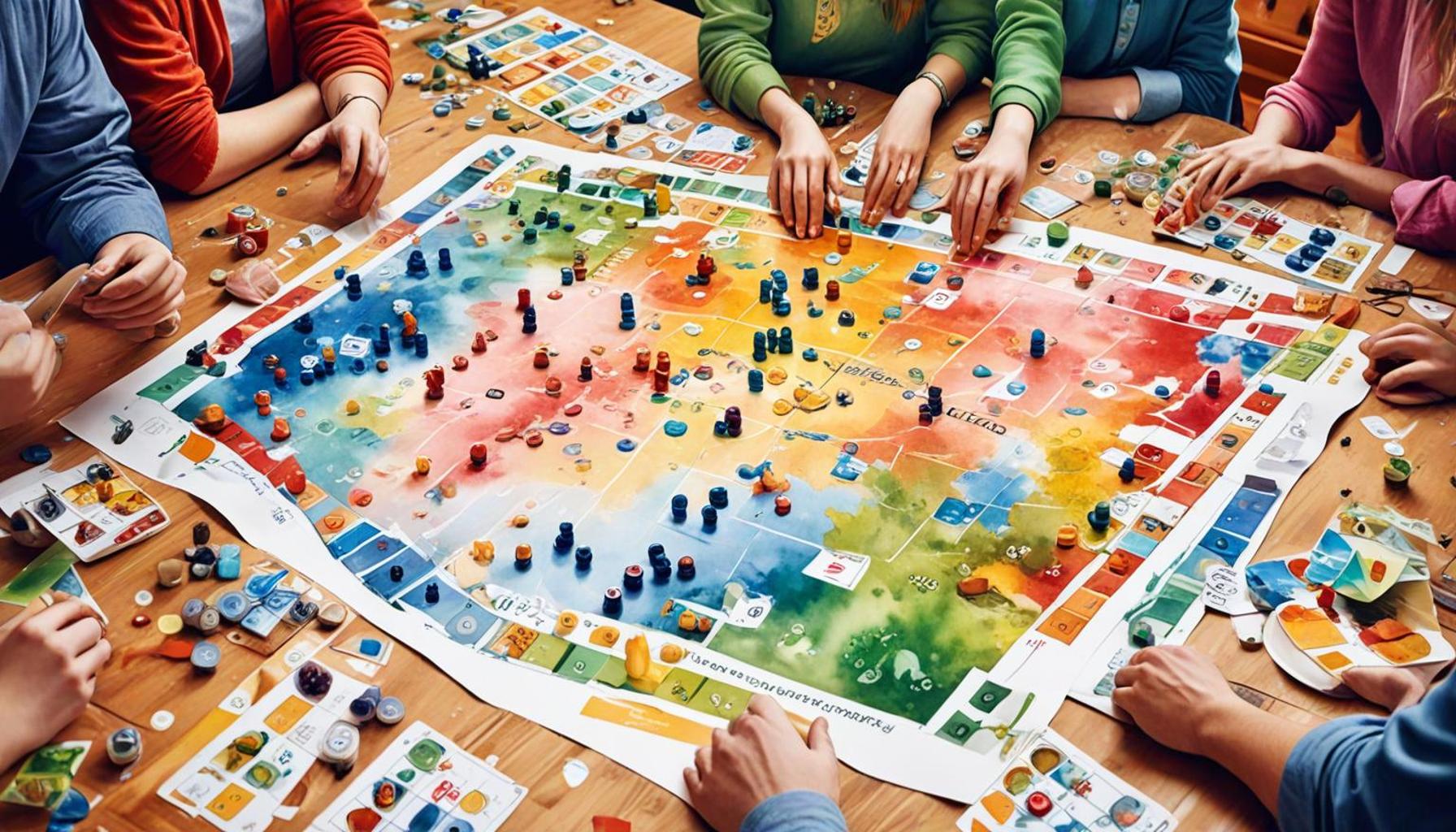
The Multifaceted Benefits of Board Games
Board games have long been a source of entertainment, but their role extends beyond mere fun. They offer unique opportunities for individuals to engage in collaboration and develop effective teamwork strategies in a variety of settings. This is particularly significant in Nigeria, where social interactions are vital for both personal and professional relationships.
Playing board games can act as a powerful catalyst for fostering essential skills that are transferable to various spheres of life. In a country with a rich tapestry of cultures and communities, games like Monopoly, Scrabble, or traditional games such as Ludo are not just leisure activities; they serve to enhance crucial interpersonal abilities.
Key Skills Developed Through Board Games
- Enhanced Communication: Players must articulate thoughts and strategies clearly as they engage with teammates and competitors alike. The necessity to express ideas succinctly can lead to improved verbal communication skills, which are vital in both personal and professional environments.
- Problem-Solving: Many board games present teams with challenges that demand collective brainstorming and creative problem-solving approaches. As teams strategize, players learn to analyze problems from multiple angles, a skill that proves invaluable in the workplace.
- Conflict Resolution: Disagreements during gameplay provide a safe environment to practice diplomacy and conflict resolution skills. Players learn to listen to differing opinions and negotiate solutions, a process that enhances their ability to navigate real-life conflicts peacefully.
The benefits are not just limited to personal enjoyment. Engaging in board games can lead to measurable improvements in workplace cohesion, educational settings, and community relations. Numerous studies have demonstrated that:
- Teamwork activities increase productivity by fostering a collaborative spirit among coworkers.
- Participants develop critical thinking skills and can adapt quickly to changing scenarios, an increasingly vital ability in a fast-paced world.
- Collaboration fosters creativity and innovation, which are crucial for economic growth and community development.
Real-Life Examples and Applications
Whether it’s gathering friends for a game of Ludo or diving into a strategy-based game like Settlers of Catan, the lessons learned during these sessions can be applied to everyday challenges. For instance, a group of students employing strategic thinking in a game might find it easier to tackle group projects at school. Similarly, coworkers who engage in team-building games can unlock new levels of collaboration when facing deadlines and challenges in their daily work.
As we explore this topic further, we will delve into specific board games that enhance collaboration skills and their long-term impact on teamwork strategies. The path of play is inviting, rich with opportunity, and significantly beneficial in cultivating a cooperative spirit in Nigeria’s diverse society.
RECOMMENDED: Check out this similar article
Board Games as a Catalyst for Collaborative Skills
As the world continues to evolve rapidly, particularly in a vibrant society like Nigeria, the ability to work well with others is becoming increasingly essential. Board games, often seen merely as leisurely pastimes, play a pivotal role in nurturing collaboration and teamwork strategies. These games provide a structured yet flexible environment that encourages players to come together, strategize, and communicate effectively. The focus is not on winning at all costs but on the collective experience of tackling challenges.
When players engage in board games, they inherently navigate complex social dynamics. This engagement fosters vital skills such as empathy, leadership, and mutual respect. For instance, players are often required to take turns, share resources, and encourage one another, setting the stage for transparent communication. This learning experience extends beyond the game board, impacting how individuals interact in workplaces, classrooms, and community settings.
The Social Dynamics of Board Games
Unlike solitary video games or passive television watching, board games necessitate face-to-face interactions, paving the way for building relationships. This is particularly relevant in Nigeria, a nation characterized by its rich cultural diversity where interactions shape communities. In essence, board games offer:
- Social Interaction: They provide an avenue for players to engage, share laughter, and forge connections, which is paramount in a society that values relationships.
- Team Identification: Players often form teams, which helps individuals identify and assume roles within a group setting. These roles might translate to leadership positions or collaborative tasks in other areas of life.
- Trust Building: Regular interactions during gameplay can build trust among participants. Trust is the foundation of effective teamwork, crucial for overcoming challenges together.
Examples abound: in a classroom setting, a game of Scrabble can promote vocabulary development while fostering teamwork among students. A group of pupils strategizing to form words not only enhances their language skills but also cultivates the habit of relying on one another’s strengths. The same principle applies in workplaces where employees might use games designed for team-building exercises to enhance productivity and camaraderie.
Navigating Challenges Through Gaming
Another frequently overlooked aspect is the ability of board games to facilitate risk-taking and adaptability among participants. Players face in-game decisions that can have significant outcomes, teaching them how to weigh pros and cons before arriving at a consensus. This skill directly translates to real-life decision-making processes, especially in high-stakes environments such as business negotiations or community leadership.
By integrating board games into various social and professional gatherings, individuals can hone their teamwork abilities in a relaxed setting, ensuring they are equipped to tackle real-world issues collaboratively. The profound takeaway from engaging in such games is the transferability of skills gained during play into everyday interactions, creating communities that work cohesively towards common goals.
The potential of board games as tools for fostering collaboration and teamwork cannot be understated. As we continue to explore their impact, we will delve into specific examples of board games that effectively promote these skills and examine their long-term benefits in Nigerian society.
| Category | Details |
|---|---|
| Enhanced Communication | Board games foster effective communication through strategies that require players to express ideas and collaborate actively. |
| Problem-Solving Skills | Engaging in board games helps players develop critical thinking as they navigate challenges together, making them adept at resolving conflicts. |
| Team Roles and Dynamics | Participants learn about different roles, recognizing strengths within a team, which enhances collaboration and overall performance. |
| Trust-Building | Playing together encourages transparency and accountability, fostering trust that is essential for successful teamwork. |
The unique dynamics of board games provide an extraordinary environment where individuals can learn the nuances of working together. In a world that often prioritizes technology over interpersonal interactions, these games serve as refreshing tools that strengthen bonds and encourage cooperative strategies. Engaging in these interactive experiences not only cultivates camaraderie but also unveils the vital components required for effective teamwork, equipping players with invaluable skills applicable in various aspects of life, including professional environments. As organizations increasingly recognize the significance of collaboration in achieving goals, integrating board games into team-building exercises can yield remarkable results. Thus, delving into the diverse benefits that board games offer may be the key to unlocking your team’s potential.
RECOMMENDED: Check out this similar article
Enhancing Problem-Solving Skills Through Board Games
Another crucial component of collaboration and teamwork strategies fostered by board games is their ability to enhance problem-solving skills. Participants are often confronted with obstacles that require collective brainstorming and innovative thinking to overcome. This aspect is particularly beneficial in Nigeria’s dynamic business environment, where creative solutions are essential for survival and growth. In various board games, such as Catan or Dixit, players must navigate complex scenarios, negotiate with others, and devise strategies that incorporate diverse perspectives.
Moreover, engaging in board games enables players to understand that achieving success often necessitates a shared effort. As they explore different strategies, participants learn to embrace each other’s ideas while refining their approaches. This collaborative style of problem-solving not only strengthens teamwork but also instills a sense of shared ownership in group achievements. For example, during a game of Monopoly, players must negotiate trades, offering creative solutions to secure advantageous positions. This type of negotiation mirrors real-life business dealings and serves as a practice ground for enhancing teamwork in professional settings.
The Psychological Benefits of Playing Together
The psychological advantages of participating in board games are equally noteworthy. Collaborative play can reduce stress levels and build morale, fostering a productive mindset that is crucial for successful teamwork. The simple act of sharing laughter and excitement while playing can significantly improve interpersonal relationships, allowing players to bond over shared experiences. Such connections provide a psychological comfort zone, making it easier for individuals to express their thoughts and collaborate openly.
Particularly in group settings such as corporate team-building events or social gatherings in Nigeria, board games function as effective icebreakers. They can dissolve any initial tensions among participants, paving the way for more meaningful dialogues. By creating an environment that promotes shared joy and collective challenges, board games help in establishing a foundation of trust, crucial for effective teamwork.
Integrating Cultural Elements in Board Games
Furthermore, the integration of local cultural themes into board games can enhance players’ sense of identity while promoting teamwork. Board games that feature elements of Nigerian culture can resonate deeply with players, reinforcing team cohesion through shared values and experiences. Games like Snakes and Ladders or locally inspired card games often pull from traditional narratives, invoking a sense of cultural pride and community among players.
This connection to culture cultivates a profound understanding of collaboration, as players work towards common objectives rooted in their societal norms. For instance, playing a game centered around local history not only entertains but educates participants about their heritage, ultimately fostering a spirit of teamwork infused with cultural appreciation.
The impact of board games extends to intergenerational interactions as well. Older and younger generations can come together through gaming, bridging generational gaps while cultivating collaboration. This unique combination of problem-solving, social interaction, and cultural engagement amplifies the role of board games as exceptional tools for nurturing teamwork and collaboration in Nigeria.
As we venture further into the correlation between board games and teamwork, it becomes evident that the skills honed through these multiplayer experiences can shape cooperative strategies across diverse aspects of life—from working collectively on community projects to achieving success in professional teams.
SEE ALSO: Click here to read another article
Conclusion: The Role of Board Games in Fostering Collaboration and Teamwork
In conclusion, the significance of board games in developing collaboration and teamwork strategies cannot be overstated. These interactive platforms serve as more than just entertainment; they are vital tools through which individuals can enhance their problem-solving skills, build psychological resilience, and integrate cultural values. By navigating various challenges and engaging in strategic discussions, players learn to embrace diversity of thought and work toward collective goals. This experience ultimately equips them with skills that transcend gaming, positively impacting their professional and community interactions.
Moreover, the unique integration of local cultural themes into board games reflects and strengthens community bonds, instilling a shared identity that fuels cooperation. In a country like Nigeria, where communal values and unity play a pivotal role, such games become vital channels for promoting teamwork while simultaneously preserving cultural heritage. As players engage across generational divides, they foster skills crucial for bridging the past with a forward-thinking approach.
Ultimately, the multifaceted advantages that board games offer make them invaluable in nurturing teamwork and collaboration. Encouraging more individuals and organizations to embrace board gaming not only enhances cooperative strategies but also contributes to a more connected and collaborative society. Therefore, as we recognize the potential of these games, we invite everyone to explore their own board game experiences, fostering a culture of collaboration that enriches both personal and professional landscapes.

Linda Carter
Linda Carter is a writer and puzzle expert specializing in mind games, brain teasers, and cognitive challenges. With extensive experience helping individuals enhance their problem-solving skills and think critically, Linda shares her knowledge on our platform. Her goal is to empower readers with practical advice, engaging puzzles, and strategies to sharpen their minds and achieve success in the captivating world of mind games and puzzles.