
How Word Puzzles Increase Mental Agility in Children
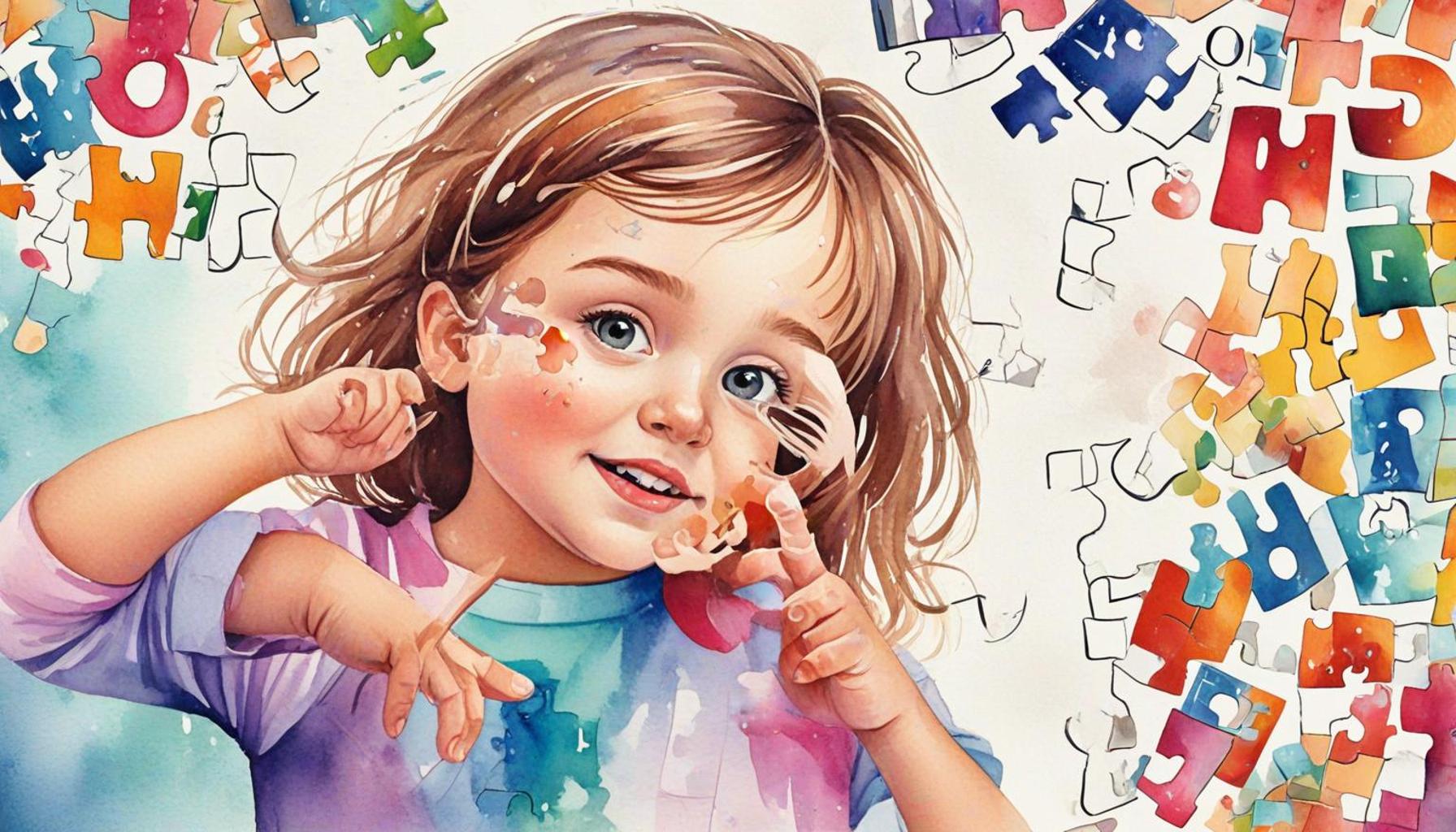
The Role of Word Puzzles in Child Development
Word puzzles are fascinating and engaging tools that do much more than just fill time. For children, they are gateways to enhancing mental agility, providing a multi-faceted approach to learning. When children immerse themselves in these intriguing activities, they embark on a journey that not only enriches their vocabulary but also enhances critical cognitive functions. Let’s delve into some specific aspects that showcase the incredible benefits of incorporating word puzzles into children’s daily routines.
- Cognitive Development: Engaging in word puzzles requires a level of critical thinking and problem-solving that is essential for brain development. When a child encounters a word search, for instance, they must analyze patterns and think strategically about which words fit where. This kind of mental exercise promotes flexibility in thought processes, encouraging children to think outside the box. For instance, Nigerian children may navigate puzzles featuring their indigenous languages alongside English, offering them a dual cognitive challenge.
- Vocabulary Expansion: Exposure to new words through puzzles is invaluable for building a robust vocabulary. Each puzzle presents an opportunity to encounter unfamiliar terms, creating a learning environment that is both enjoyable and effective. By mastering these words, children are better equipped to express their thoughts and ideas. In Nigeria, where multilingualism is prevalent, this can also aid children in bridging gaps between their native languages and English, enriching their linguistic capabilities.
- Focus and Concentration: Completing word puzzles requires sustained attention and concentration, skills that are critical in academic and daily life. As children work through these challenges, they learn to maintain focus over extended periods. This is particularly beneficial in classroom settings, where distractions abound. Research has shown that children who regularly participate in attention-demanding tasks, like puzzles, often display improved focus across various subjects, from mathematics to reading.
In recent years, Nigeria has seen a significant rise in the popularity of word puzzles among parents eager to provide their children with educational resources at home. As schools begin to recognize the importance of integrating fun, interactive learning activities into their curricula, the allure of word puzzles has become more pronounced. For example, schools may host puzzle-solving competitions, fostering a sense of community and encouraging collaboration among classmates. This trend not only emphasizes the importance of playful learning but also promotes a love for education, which is crucial in a rapidly evolving world.
As we explore further into the world of word puzzles, we discover a variety that caters to different interests and abilities, from crosswords that challenge higher-level thinkers to engaging word searches that appeal to younger children. Each type offers tangible benefits that extend beyond mere fun, equipping the younger generation with essential skills that will serve them well throughout their lives. Engaging with word puzzles isn’t just play; it’s a vital part of laying a robust foundation for lifelong learning.
ADDITIONAL INSIGHTS: Expand your understanding here
Unlocking the Benefits: Word Puzzles as Tools for Growth
As children engage with word puzzles, they are not merely having fun; they are unlocking a treasure trove of cognitive benefits that enhance their mental agility. This dynamic interplay of play and learning fosters a range of skills essential for thriving in today’s fast-paced world. Let’s take a closer look at the various ways in which word puzzles contribute to a child’s mental development.

- Enhancing Problem-Solving Skills: Solving word puzzles requires more than just knowledge of vocabulary; it demands a robust approach to problem-solving. Children learn to observe patterns, make connections, and assess multiple angles before arriving at a solution. For example, while attempting to fit words into a crossword, they must evaluate what letters already exist in the puzzle, teaching them the valuable skill of strategic thinking. This analytical mindset is crucial not only in academic settings but also in everyday decision-making areas, from planning homework to navigating social situations.
- Developing Perseverance: One of the understated advantages of tackling word puzzles is their ability to cultivate perseverance in children. As they encounter complex challenges, children learn to persist despite frustration, translating this grit into other areas of their lives. In Nigeria, where cultural narratives often emphasize tenacity, such attributes can be instrumental in overcoming future obstacles, whether academic or personal.
- Boosting Memory Retention: Many word puzzles require children to recall previously learned vocabulary or concepts, thus strengthening their memory retention. This practice not only primes them for the challenges ahead in their education but ultimately aids in their ability to recall information effectively. For younger Nigerian students, this can lead to improved performance on language assessments and a greater appreciation for literature.
Furthermore, engaging with word puzzles can foster a sense of cultural identity among Nigerian children. When puzzles incorporate local languages and idioms, they become a useful medium for reinforcing linguistic heritage. By learning words in their native languages alongside English, children open pathways to deeper cultural understanding, which is increasingly valuable in a globalized world.
As schools and parents continue to recognize the profound advantages of word puzzles, initiatives to integrate such activities into the curriculum are on the rise. After-school clubs and family-oriented puzzle nights contribute to enhancing children’s enthusiasm for learning while nurturing essential life skills. The combination of entertainment and education that word puzzles provide is unmatched, offering a powerful tool for fostering mental agility that can benefit children well into their adulthood.
In navigating this rich terrain of language and puzzles, children not only learn but flourish. The world of word puzzles is vast and varied, and as we further explore its impact, we uncover how such simple yet effective tools can lead to incredibly beneficial outcomes in a child’s intellectual journey.
How Word Puzzles Enhance Cognitive Development
Word puzzles serve as an exceptional tool for enhancing children’s cognitive abilities and boosting mental agility. Engaging children in activities that challenge their minds can lead to significant improvements in various areas of their development. Research indicates that participation in word puzzle games can effectively foster critical thinking skills, vocabulary expansion, and memory retention.
When children solve word puzzles, they are not only entertained but are also exercising their problem-solving skills. Each puzzle presents unique challenges that require children to think creatively and strategically. This kind of mental exercise strengthens the neural connections in a child’s brain, promoting better performance in both academic and everyday settings.
Additionally, word puzzles enhance language skills by introducing children to new words and phrases. As they decipher clues and discover new terms, their vocabulary blossoms, fostering confidence in communication. Furthermore, these puzzles encourage children to make predictions about language patterns, thus aiding in their understanding of syntax and semantics.
Moreover, engaging with word puzzles can significantly improve a child’s attention span. The focused nature of working through puzzles requires concentration, which translates into better focus in school and other activities. As children learn to stay engaged with a task, they are also developing persistence—an essential skill for overcoming obstacles throughout life.
The combination of mental challenges, language development, and focus makes word puzzles an invaluable resource. Parents and educators looking for effective methods to enhance mental agility in children would benefit from incorporating word puzzles into regular activities, thus laying a strong foundation for lifelong learning and personal growth.
| Advantage | Explanation |
|---|---|
| Cognitive Enhancement | Puzzles challenge children’s problem-solving and critical thinking abilities. |
| Vocabulary Development | Children learn new words and improve language comprehension through engaging clues. |
| Improved Focus | Working on puzzles helps enhance attention spans and concentration levels in children. |
The multifaceted benefits of word puzzles make them an appealing option for parents and educators seeking to promote healthy cognitive development in children.
LEARN MORE: This related article may interest you
Deepening Cognitive Connections through Word Puzzles
Word puzzles serve as remarkable instruments for fostering a range of cognitive connections that are pivotal for children’s mental agility. Beyond just engaging in fun, these activities facilitate a blend of linguistic skills, cognitive flexibility, and even social interaction. Here, let’s unpack some key dimensions of how word puzzles contribute to children’s mental growth.
- Encouraging Language Skills: One of the most apparent benefits of word puzzles is their profound impact on language skills. As children navigate through various types of puzzles, such as word searches or jumble games, they are actively enhancing their vocabulary. Exposure to new words and the nuances of language enables them to express themselves more clearly and confidently. In Nigeria, where linguistic diversity flourishes, incorporating local dialects into puzzles not only enriches vocabulary in English but also reinforces the significance of indigenous languages. Such linguistic dexterity nurtures a holistic understanding of communication that will serve children throughout their educational and professional lives.
- Fostering Collaboration and Social Skills: Solving word puzzles can often be a collaborative effort, especially when done as a group activity in classrooms or family settings. This collaborative aspect promotes social skills such as teamwork, patience, and respectful communication. Children learn to articulate their thoughts, consider others’ ideas, and arrive at a consensus while working together. In Nigeria, where community and family ties are crucial, engaging in puzzle-solving as a collective can strengthen these bonds while simultaneously enhancing a child’s ability to work as part of a team—a skill that is increasingly valued in today’s global society.
- Building Attention to Detail: Word puzzles are excellent for cultivating a child’s capacity to pay attention to detail. The intricate nature of these puzzles requires children to focus intently on their spelling, sentence structure, and word placement. Such keen attention can translate effectively into better performance in school subjects such as mathematics and science, where precision is critical. Educational experts have pointed out that this emphasis on detail is particularly beneficial for children as they prepare for standardized assessments, fostering a mindset geared toward accuracy and methodical problem-solving.
- Stimulating Creativity: Engaging with word puzzles can ignite a child’s creativity as they think outside the box to discover solutions. While trying to solve a riddle or coming up with synonyms for a word in a crossword, children are encouraged to tap into their imaginative instincts. This creative engagement aids not only in developing original thinking but also in nurturing an appreciation for the beauty of language and expression, which is key for their overall intellectual growth. This is especially significant in Nigeria, where storytelling and oral traditions are rich, fostering a culture that celebrates creative expression.
Moreover, the accessibility of word puzzles makes them an inclusive tool for mental agility. They can be easily adapted to suit varying age groups and cognitive levels, ensuring that all children—regardless of their starting point—can benefit from these stimulating activities. Parents and educators can create customized puzzles that reflect curriculum themes or cultural stories, effectively merging education with entertainment.
As we delve deeper into the role of word puzzles in shaping mental agility, we discover a multifaceted approach to learning that paves the way for a brighter academic future. With enhanced cognitive abilities, social skills, creativity, and a grounded sense of language, children are well-equipped to navigate the multifaceted challenges of both present and future.
YOU MAY ALSO LIKE: Read read another article
Conclusion: Embracing the Power of Word Puzzles
In conclusion, the exploration of how word puzzles increase mental agility in children uncovers significant benefits that extend far beyond mere entertainment. These cognitive challenges not only enhance language skills, foster social interactions, and build attention to detail, but they also stimulate creativity and adapt seamlessly to varying learning needs. By immersing children in the world of word puzzles, we empower them to develop critical thinking and problem-solving abilities essential for their academic success.
Particularly in the context of Nigeria, where cultural heritage intertwines with modern education, integrating local dialects into word puzzles amplifies educational value and nurtures an appreciation for diverse languages and stories. This context not only strengthens cognitive connections but also reinforces cultural identity, further enriching the learning experience.
Ultimately, word puzzles emerge as versatile tools that can profoundly influence children’s cognitive development. Encouraging parents and educators to incorporate these activities into daily routines can lead to enhanced mental agility, better educational outcomes, and well-rounded individuals capable of thriving in a complex world. As we recognize the myriad benefits offered by word puzzles, it becomes evident that fostering a love for these engaging activities can lay a strong foundation for lifelong learning and success.

Linda Carter
Linda Carter is a writer and puzzle expert specializing in mind games, brain teasers, and cognitive challenges. With extensive experience helping individuals enhance their problem-solving skills and think critically, Linda shares her knowledge on our platform. Her goal is to empower readers with practical advice, engaging puzzles, and strategies to sharpen their minds and achieve success in the captivating world of mind games and puzzles.