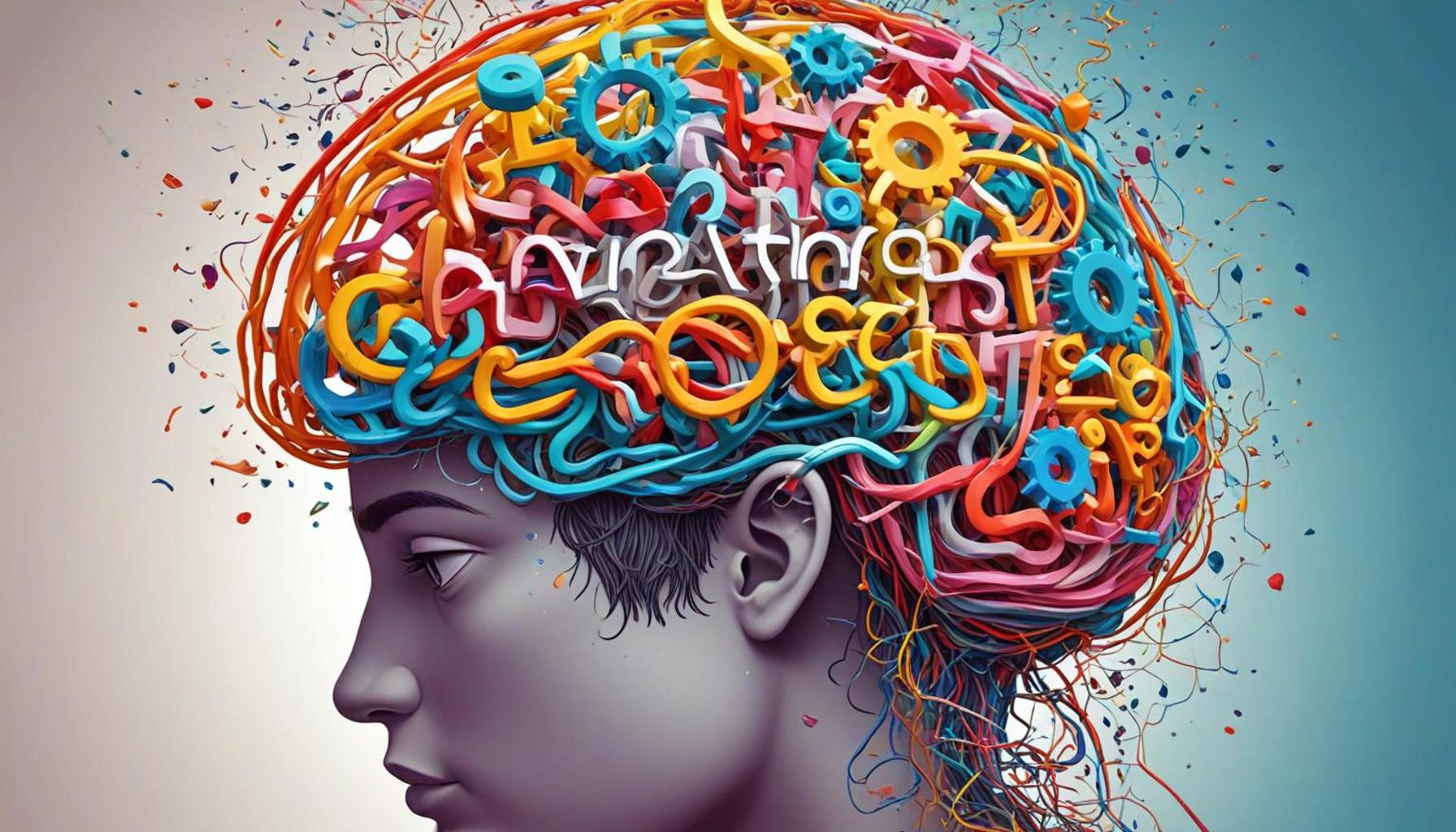
The Influence of Memory Games on Increasing Mental Agility in Adolescents

Unlocking Potential Through Play
Adolescence is a pivotal time in a person’s life, especially in terms of cognitive development. During this stage, the brain undergoes remarkable changes, and every experience can significantly influence a young person’s future. One effective method for enhancing mental agility during these formative years is through the use of memory games. These games are not just simple pastimes; they play a crucial role in fostering essential cognitive skills.
Engaging with memory games offers numerous benefits that extend far beyond mere entertainment. These games can:
- Enhance concentration and focus: Many memory games require players to pay close attention to details, which trains their ability to concentrate on tasks over extended periods.
- Boost problem-solving skills: Players are often challenged to think critically and develop strategies to succeed, fostering a mindset geared towards finding effective solutions.
- Improve information retention: By regularly participating in memory challenges, adolescents can learn techniques to remember information more effectively, a skill that is invaluable in academic settings.
In Nigeria, where educational challenges are evolving, integrating memory games into learning and development strategies could provide a much-needed boost for students. For example:
- Schools can incorporate memory exercises into their classrooms, especially during exam preparation, to help students better absorb and recall information.
- Families can organize fun memory competitions at home, turning learning into an enjoyable activity that involves the whole family.
- Youth organizations can host memory-themed events or workshops, creating an engaging environment that promotes cognitive growth and social interaction among adolescents.
The science behind memory games reveals promising outcomes. Research indicates that regular participation in these activities can:
- Increase brain plasticity, which is crucial for learning and adapting to new information.
- Strengthen neural pathways, making it easier for adolescents to quickly and accurately retrieve information.
- Encourage a proactive learning mindset, where young people take charge of their own education and seek out opportunities to grow.
As adolescents navigate various academic and social pressures, tools like memory games can offer a significant advantage. The findings surrounding their psychological and cognitive benefits invite further exploration. By understanding how play can lead to profound cognitive development, local educators, parents, and community leaders can work together to harness this untapped potential. With initiatives tailored to Nigerian culture, memory games can not only enhance learning but also build connections and foster a sense of community among youth. This multifaceted approach can pave the way for a more educated and engaged generation, ready to tackle the challenges of tomorrow.

YOU MAY ALSO LIKE: Read read another article
The Power of Play: Cognitive Benefits of Memory Games
The incorporation of memory games into the daily routines of adolescents has emerged as an innovative strategy to enhance mental agility. As young brains evolve and adapt during these formative years, research increasingly supports the notion that engaging in structured game play can have a lasting impact on cognitive flexibility. This development is particularly relevant in the Nigerian context, where educational systems are constantly adapting to meet the needs of a diverse student population.
Memory games stimulate the brain in several ways, each contributing to enhanced cognitive functionality:
- Heightened Attention Span: Many memory games require players to retain various pieces of information while maintaining focus on the task at hand. As participants navigate these challenges, they inherently improve their ability to concentrate, ultimately leading to better performance in academic and social situations.
- Enhanced Critical Thinking: Memory games often involve strategic planning and quick decision-making. Adolescents must think critically to devise effective approaches to recall and utilize information, thus strengthening their problem-solving skills.
- Memory Techniques Mastery: Regular engagement with memory-focused exercises equips young individuals with essential techniques for information retention, which are invaluable for navigating the complexities of school curricula.
Numerous studies have highlighted the profound impacts of memory games on cognitive health. For instance, a recent study revealed that participants who played memory-enhancing games showed a notable improvement in brain plasticity—the brain’s capability to reorganize itself by forming new neural connections. This plasticity is crucial for learning new skills and adapting to challenges, ultimately contributing to greater academic success.
Furthermore, the capacity to strengthen neural pathways is fundamentally linked to the ability to retrieve information efficiently and accurately. For adolescents, this heightened retrieval capability means exam preparation becomes less daunting and learning new subjects becomes more achievable. In the long term, these benefits can lead to improved academic performance, as students become proactive in their learning journeys.
In a culture richly blended with tradition and modern influences, Nigeria’s educators and parents can creatively incorporate memory games into the learning experience. Schools could host weekly memory challenges that not only engage students but also create a communal learning environment. Family game nights focused on memory activities could help reinforce what is learned in school while building lasting connections at home. Additionally, youth clubs and organizations can introduce memory games as part of their programming, fostering a sense of camaraderie while encouraging mental growth.
The implications of such initiatives extend beyond mere entertainment; they present an opportunity to cultivate a generation that is not only aware of academic expectations but also equipped with solid cognitive tools to tackle them. By valuing the role of memory games in enhancing mental agility, stakeholders in the Nigerian education system can work towards creating a more resilient and adaptive future for adolescents.
The Cognitive Benefits of Memory Games
Memory games are more than just playful activities; they are powerful tools that foster mental agility in adolescents. Engaging in these games improves memory retention and enhances cognitive functions such as attention, problem-solving, and information processing speed. By consistently challenging the brain, memory games train it to perform better, creating a more agile mind that can adapt to new information quickly.
Types of Memory Games Beneficial for Adolescents
Various types of memory games can be employed to enhance mental agility, each offering unique benefits. For instance, card-matching games are not only enjoyable but also encourage spatial awareness and recall skills. Additionally, online memory puzzles have become popular, merging technology with cognitive training. The interactivity of these digital formats keeps adolescents motivated and eager to learn, promoting consistent practice.
Scientific Backing and Statistics
Research indicates that adolescents who participate in regular memory exercises show a significant improvement in their academic performance. A study published in the Journal of Cognitive Enhancement highlighted that participants who engaged in memory games for just 20 minutes a day experienced a 15% increase in testing scores related to memory and attention. Statistics like these emphasize the importance of incorporating memory games into daily routines, not merely as recreational exercises but as essential components of cognitive development.
Social Interaction and Teamwork
Moreover, memory games can also serve as a platform for social interaction, promoting teamwork and collaboration among adolescents. Whether played in groups or pairs, these games often require players to communicate effectively and strategize together, nurturing vital social skills that are equally important in today’s collaborative educational environments.
| Type of Game | Cognitive Benefits |
|---|---|
| Card-Matching Games | Enhances spatial awareness and memory recall. |
| Online Memory Puzzles | Fosters problem-solving skills and adaptability to new information. |
Engaging adolescents in memory games not only boosts their brain functions but also provides a structured way to improve mental resilience and efficiency. As the digital world grows, integrating these games into educational curricula can create a significant impact on the mental agility of future generations.
RECOMMENDED: Check out this similar article
Memory Games: Bridging Traditional and Modern Learning
As the push for educational reform becomes more pronounced in Nigeria, memory games can serve as a bridge between traditional learning methods and modern pedagogical approaches. Adolescents, who often find themselves caught between preserving cultural heritage and embracing globalization, can find a unique learning tool in these games. The flexibility of memory games allows them to integrate local cultural references, which can enhance engagement and make the learning process more relatable.
Incorporating memory games into learning curriculums provides an opportunity to emphasize local knowledge and history. For instance, games can be designed around traditional Nigerian folktales or indigenous languages, thereby not only improving mental agility but also fostering a sense of identity and pride in cultural heritage. This dual benefit heightens adolescents’ motivation to engage in their studies while keeping their cultural roots alive.
Moreover, the social aspect of memory games cannot be overstated. Group memory activities can stimulate teamwork and collaboration skills, which are essential for success in both academic and social spheres. Adolescents develop soft skills like communication and empathy as they encourage and support one another in gameplay. Workshops and clubs focusing on memory challenges can become platforms for peer learning, thereby enriching the educational experience.
Practical Implementation in Nigerian Schools
Educators in Nigeria have begun to recognize the effectiveness of memory games as a pedagogical tool. Schools can sponsor events such as memory tournaments, providing students with a competitive yet fun environment to apply their learning. Such initiatives can include traditional Nigerian games that involve memory elements, creating a fusion of entertainment and education. This approach not only benefits the students’ cognitive skills but also fosters community involvement as parents and local organizations rally to support these events.
Additionally, the digital age presents exciting possibilities for memory games. With the rise of mobile technology, developers can create applications that feature memory-building exercises tailored to the Nigerian context. These digital platforms can offer interactive quizzes, cultural trivia, and even gamified versions of classroom subjects, ensuring students remain engaged while sharpening their mental agility.
Furthermore, research supports the idea that playing memory-enhancing games consistently leads to long-term cognitive benefits. A study published in the Journal of Educational Psychology indicated that adolescents engaging in regular memory games exhibited significant improvements in their cognitive speed and accuracy over time. These findings suggest that when adolescents practice memory games, they not only enhance their current academic performance but also lay the groundwork for success in future educational endeavors.
Engaging in memory games also encourages a growth mindset among adolescents—a belief that their abilities can improve with effort and dedication. By confronting and overcoming the challenges posed by these games, young learners can cultivate resilience and self-efficacy. Such attitudes are invaluable as they advance their academic journeys and transition into adulthood.
By continuing to explore innovative methodologies such as memory gaming, educators, parents, and policymakers can better prepare Nigerian adolescents for the challenges of the future. The future holds promise, as adolescents cultivate their mental agility while simultaneously deepening their cultural connections.
SEE ALSO: Click here to read another article
Conclusion: Unlocking Potential through Memory Games
In summary, the incorporation of memory games into the educational framework holds immense potential for enhancing mental agility among Nigerian adolescents. These games offer more than just entertainment; they act as a multifaceted tool that promotes cognitive development, cultural identity, and social skills. By bridging traditional learning with modern techniques, memory games enrich the learning experience and resonate deeply with local cultures, making education more relevant and engaging for students.
The significant cognitive benefits, supported by research, indicate that regular participation in memory games can lead to improved concentration, problem-solving skills, and overall academic performance. As adolescents navigate the complexities of identity and culture, these games provide a creative means to foster pride and connection to their roots. Furthermore, the collaborative nature of group memory activities nurtures essential interpersonal skills that are critical for future success in both academic and social contexts.
As Nigerian educators, parents, and policymakers explore innovative strategies to enhance learning outcomes, embracing memory games can lay the groundwork for cultivating agile minds ready to tackle upcoming challenges. The potential to integrate this approach into schools—be it through tournaments, digital applications, or culturally relevant content—could revolutionize how students engage with their learning. Ultimately, the fusion of fun, cognitive development, and cultural awareness through memory games represents a promising pathway toward empowering the next generation. The future is bright for adolescents as they harness these tools to thrive academically and beyond.

Linda Carter
Linda Carter is a writer and puzzle expert specializing in mind games, brain teasers, and cognitive challenges. With extensive experience helping individuals enhance their problem-solving skills and think critically, Linda shares her knowledge on our platform. Her goal is to empower readers with practical advice, engaging puzzles, and strategies to sharpen their minds and achieve success in the captivating world of mind games and puzzles.