
The importance of memory games in stress reduction: a look at the mind-body connection
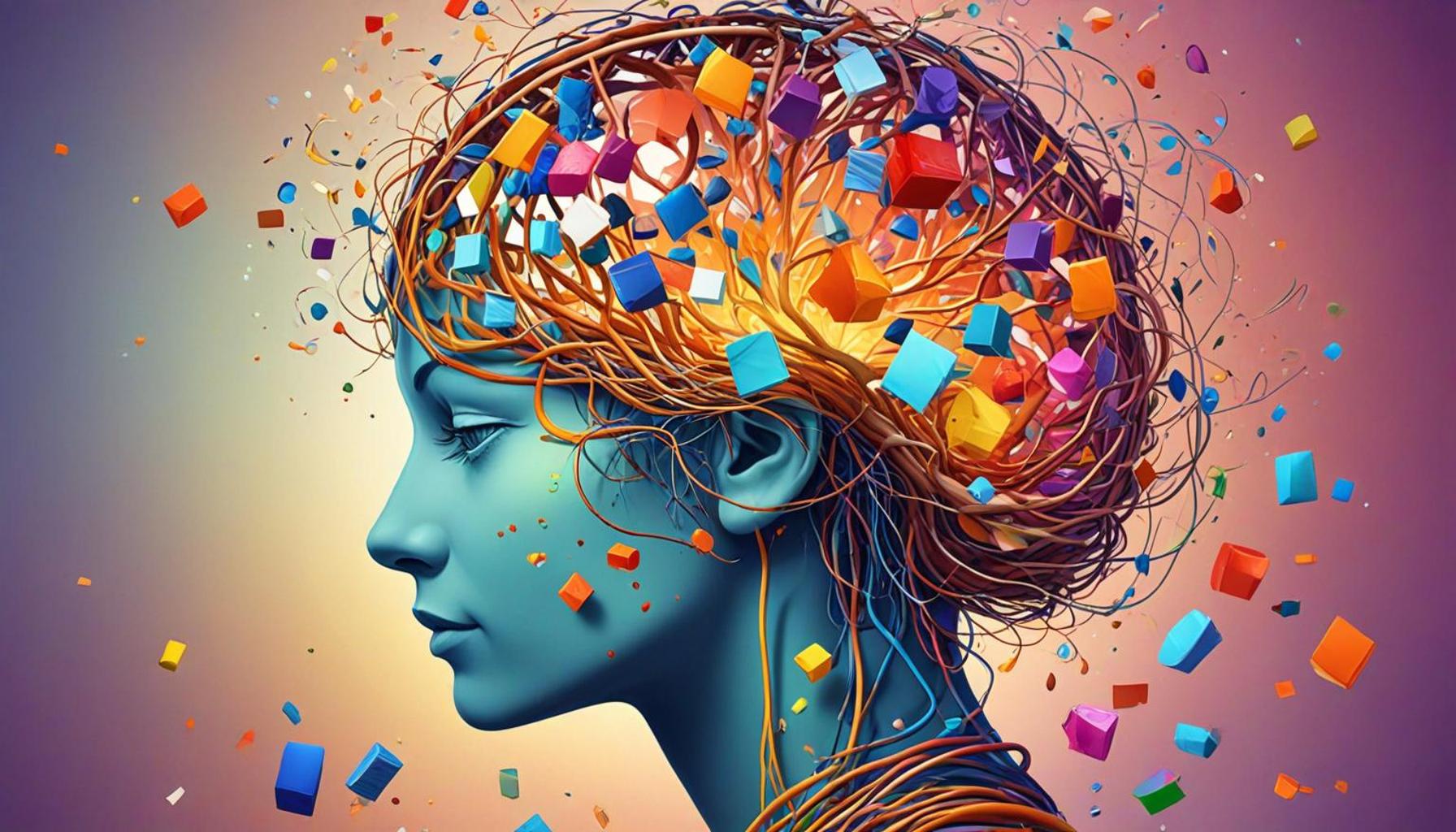
The Impact of Stress on Mental Health
In the hustle and bustle of contemporary life, stress has emerged as a formidable opponent for individuals across the globe. This is particularly true in Nigeria, where everyday challenges—ranging from economic pressures to familial responsibilities—can evoke feelings of anxiety and overwhelm. In light of these persistent stressors, it becomes crucial to explore effective methods for alleviating stress and enhancing overall well-being.
Unveiling Memory Games as a Stress Relief Tool
Recent research has illuminated the effectiveness of memory games in alleviating stress. Engaging in these cognitive exercises not only stimulates the brain but also promotes a profound connection between the mind and body. By participating in memory games, individuals can break away from their daily stressors, immersing themselves in an activity that fosters relaxation and mental clarity.
Benefits of Memory Games for Stress Reduction
Memory games offer a plethora of advantages that contribute to stress reduction:
- Enhance cognitive function: These games challenge and engage the mind, promoting improved memory and concentration. A study by the American Psychological Association found that consistent engagement in brain-training activities can lead to long-term enhancement of cognitive abilities.
- Encourages relaxation: By channeling one’s focus into the game, individuals can temporarily escape from their daily pressures. This form of distraction not only alleviates stress but helps individuals cultivate a more mindful approach to their surroundings.
- Improves mood: Participation in memory games has been linked to an increase in the release of feel-good hormones, such as serotonin. This biochemical uplift can be pivotal in combating stress-related mood disturbances.
Additionally, memory games can be particularly gratifying when enjoyed in social settings. In Nigeria, where community and family ties are vital, engaging in group activities can foster connections and create lasting memories. Whether it’s playing a lively round of a popular Nigerian card game or engaging in a simple memory matching activity, these interactions strengthen communal bonds and contribute to a supportive atmosphere.
The social aspect of memory games offers an intriguing pathway for individuals to connect with one another, combatting feelings of isolation that often accompany stress. By creating a space for shared laughter and enthusiastic competition, memory games can enhance not only individual mental health but also collective community well-being.
Exploring and integrating memory games into our daily routines can yield significant benefits, paving the way for improved mental health and effective stress management. For Nigerians seeking innovative methods of stress relief, it is indeed worth investigating the transformative potential these games hold.
ADDITIONAL INSIGHTS: Expand your understanding here
The Science Behind Memory Games and Stress Relief
As stress levels continue to escalate in our fast-paced world, finding effective methods for relief is paramount. Memory games, often regarded as simple leisure activities, serve a greater purpose in the realm of mental health and wellness. Studies have shown that the mind-body connection plays an essential role in how individuals respond to stress. Engaging in memory games can activate various cognitive functions, which in turn affects our emotional state.
When individuals participate in memory games, they engage specific parts of the brain associated with memory recall and concentration. This stimulation does not only improve cognitive abilities but also triggers positive neurological responses that can lead to a significant reduction in stress. For instance, a 2021 study published in the *Journal of Mental Health* reported that participants who engaged in memory-enhancing activities experienced lower cortisol levels, known as the stress hormone, compared to those who did not partake in such activities.
Connecting Physical and Emotional Well-Being
The impact of memory games on stress can also be linked to the physiological changes they induce in the body. When the brain is engaged in a stimulating activity, it releases neurotransmitters like dopamine and serotonin. These chemicals are not only responsible for improving mood but also play a critical role in enhancing our overall well-being. The act of focusing on a game provides a mental break from daily worries, offering a fresh perspective that can lead to clearer thinking and improved emotional stability.
This is particularly relevant in Nigeria, where many individuals grapple with economic and societal pressures. Memory games, whether traditional ones like Ludu or modern digital formats, create a therapeutic distraction. In doing so, they allow players to cultivate a sense of achievement and joy, which is pivotal in combating the adverse effects of stress.
How Memory Games Foster Mindfulness
Moreover, memory games promote mindfulness—an essential element in the stress reduction process. By concentrating on the game’s mechanics, individuals can achieve a state of flow, where time seems to stand still, and worries momentarily fade into the background. This meditative state improves emotional resilience, enabling individuals to handle stressors with greater ease.
- Boosts Focus: Memory games demand attention and engagement, which diverts focus from stressors.
- Increases Mindfulness: Players practice being present in the moment, reducing tendencies toward rumination.
- Strengthens Neural Connections: The repetition involved in gameplay reinforces brain pathways, improving overall cognitive health.
In summary, memory games do not merely entertain; they serve as a powerful tool for stress relief. The interplay between cognitive engagement and emotional well-being fosters a healthier mind-body connection. For individuals in Nigeria facing various stressors, embracing memory games could pave the way for a more balanced and serene approach to life.
The Role of Memory Games in Enhancing Cognitive Function
Memory games are not just entertaining; they serve as a cognitive workout that engages the brain in various ways. The practice of regularly interacting with memory exercises can lead to a remarkable improvement in mental agility. In a society that often prioritizes productivity, staying mentally sharp can provide a necessary buffer against stress. Engaging in these activities stimulates the brain, enhancing the neural connections involved in recall and recognition, which are essential for effective decision-making and problem-solving.Additionally, the mind-body connection plays a significant role in how we experience stress. Research has demonstrated that when individuals partake in memory games, they often enter a meditative state where anxiety levels decrease. This correlation stems from the game’s ability to focus attention and promote mindfulness, allowing players to detach from daily stresses and immerse themselves in the present moment.
Memory Games and Emotional Well-Being
The emotional benefits of memory games are equally compelling. They create a safe environment for people to bond, especially in group settings, fostering social interactions that can lead to decreased feelings of loneliness and isolation. These shared experiences are crucial for emotional resilience, reinforcing our capacity to cope with stress.Furthermore, memory games can evoke feelings of accomplishment and self-esteem as players achieve milestones or improve their performance over time. This positive feedback loop encourages continued participation, further enhancing both cognitive function and emotional health. By integrating memory games into our daily routines, we can harness their power to improve not just our mental state but our overall emotional well-being as well.
Discovering the Science Behind Memory Games
Studies have shown that frequent engagement with memory games can lead to long-term improvements in cognitive reserve, a factor that significantly influences our ability to adapt to stress as we age. According to research published by neuroscientists, activities that challenge our brain help build a buffer against age-related cognitive decline, making memory games a valuable tool for individuals looking to maintain mental health throughout their lives.The implications are clear: incorporating memory games into your lifestyle is not merely a fun pastime but a vital part of a holistic approach to stress management and mental resilience. By understanding the profound connection between mental exercises and emotional health, we can unlock new pathways to success in managing stress and enhancing overall quality of life.
CHECK OUT: Click here to explore more
Memory Games as a Tool for Cognitive Resilience
In addition to their stress-relieving properties, memory games play a significant role in enhancing cognitive resilience. Cognitive resilience refers to the ability of the mind to adapt and recover from stress or adverse experiences. A study in *Psychological Science* found that regular participation in memory games improves executive functions such as problem-solving, planning, and decision-making. These skills are particularly essential in a challenging environment like Nigeria, where economic uncertainties and social dynamics can create a constant backdrop of stress.
Furthermore, memory games offer unique opportunities for social interaction. Multiplayer formats enable players to engage with friends and family, fostering a sense of community and support. Such social connections are crucial for combating stress, as they provide emotional support and reduce feelings of isolation. The African proverb, “If you want to go fast, go alone; if you want to go far, go together,” reflects the importance of collaboration and connection. Playing memory games together can enhance relationships, making individuals feel more grounded and less overwhelmed by their daily challenges.
The Role of Cultural Relevance in Memory Games
Memory games are versatile and adaptable across different cultural contexts, making them an ideal choice for communities in Nigeria. Traditional games like Okpokolo or Damino not only provide entertainment but also evoke nostalgia and cultural pride. Engaging in these games can elicit positive memories and feelings associated with one’s heritage, promoting mental well-being and reducing stress. This cultural significance can deepen the positive effects of memory games, making them even more effective in alleviating anxiety.
- Promotes Cultural Heritage: Traditional memory games connect individuals with their roots, which can be a source of strength during turbulent times.
- Facilitates Learning: Integrating modern educational memory games in schools can enhance students’ learning experiences while also reducing stress.
- Encourages Creativity: Many memory games require players to devise strategies, stimulating creative thinking and problem-solving skills.
Additionally, technologies like mobile apps and online platforms have made memory games more accessible. These digital formats cater to various age groups, allowing for personalized gameplay that can fit around busy schedules. For instance, young professionals in Lagos might find a quick mobile game during their commute to be a constructive way to unwind from a hectic day, thereby nourishing their minds while simultaneously managing stress.
Long-term Benefits of Sustained Engagement with Memory Games
Engaging with memory games consistently can yield long-term benefits for mental health. Research indicates that regular cognitive stimulation can delay the onset of cognitive decline associated with aging. For elderly Nigerians, participating in these activities can help maintain mental sharpness and emotional well-being, significantly enhancing their quality of life. Moreover, the collaborative nature of many traditional games promotes intergenerational engagement, encouraging elders to share knowledge and wisdom while enjoying a playful experience.
As the evidence continues to mount, it becomes increasingly clear that memory games are much more than just a means of entertainment. They nurture cognitive resilience, promote social interaction and cultural identity, and provide mental relief in stress-laden environments. For individuals across Nigeria, indulging in these games might just represent a small but mighty instrument in fostering holistic mental health and improving the mind-body connection.
RECOMMENDED: Check out this similar article
Conclusion: Embracing Memory Games for Holistic Well-being
In an era marked by constant change and emotional turbulence, the significance of memory games in the realm of stress reduction cannot be overstated. Not only do these engaging activities stimulate cognitive functions, enhancing problem-solving and decision-making, but they also foster social connections that are vital for emotional well-being. As we have explored, the versatility of memory games—ranging from traditional games like Okpokolo to modern mobile applications—provides opportunities for individuals across Nigeria to engage their minds while nurturing their psychosocial health.
Moreover, the culturally relevant nature of these games resonates deeply within communities, igniting a sense of pride and nostalgia. This cultural connection not only enriches the gameplay experience but also contributes to a robust mental landscape that is less susceptible to the pressures of daily life. Engaging in memory games can become a communal activity that not only enhances interpersonal relationships but also serves as an anchor in turbulent times, reminding individuals of their shared heritage and collective resilience.
Ultimately, the path to mental wellness may lie in something as simple and enjoyable as a memory game. Whether played among friends, family, or through digital platforms during a busy day, these games stand as an accessible solution to combat stress, promote cognitive resilience, and strengthen the mind-body connection. As the benefits of memory games unfold, it is clear that they offer more than mere entertainment; they hold the potential to transform our approach to managing stress and fostering holistic well-being.

Linda Carter
Linda Carter is a writer and puzzle expert specializing in mind games, brain teasers, and cognitive challenges. With extensive experience helping individuals enhance their problem-solving skills and think critically, Linda shares her knowledge on our platform. Her goal is to empower readers with practical advice, engaging puzzles, and strategies to sharpen their minds and achieve success in the captivating world of mind games and puzzles.