The Role of Card Games in Improving Critical Analysis and Strategic Planning

Discovering the Depth of Card Games
Often dismissed as mere entertainment, card games are, in fact, a treasure trove of cognitive development, proving to be essential tools for improving critical analysis and strategic planning skills. This aspect of card games not only makes them enjoyable but also valuable resources for players of all ages, including children, teens, and adults alike.
In Nigeria, traditional card games such as Whot, Tarok, and Kun’tago have a cherished place in the cultural landscape. These games extend beyond simple leisure activities—they transform into strategic battlegrounds that sharpen mental agility. Players are constantly challenged to evaluate their options, strategize their moves, and anticipate their opponents’ next actions. This leads to improved decision-making capabilities, an essential life skill.
Benefits of Playing Card Games
- Critical Thinking: Card games require continuous analysis of various scenarios and potential outcomes. For instance, in Whot, players must decide which card to play based on what cards their opponents are likely to hold. This promotes a high level of engagement and helps to enhance logical reasoning.
- Strategic Planning: Formulating tactics is integral to success in card games. In Tarok, players must develop strategies while considering both offensive and defensive actions, molding their approach based on the current state of play and their opponents’ strategies.
- Risk Assessment: Understanding the balance between risks and rewards sharpens judgment. For example, Kun’tago requires players to assess whether taking certain risks will lead to victory or potential loss, fostering a better understanding of probability and outcomes.
As a growing number of Nigerians engage in card games, the benefits extend well beyond leisure and enjoyment. These games cultivate important cognitive skills crucial in educational and professional settings. The necessity of critical thinking and strategic planning is more pronounced than ever in our rapidly changing global environment, which values innovation and strategic foresight.
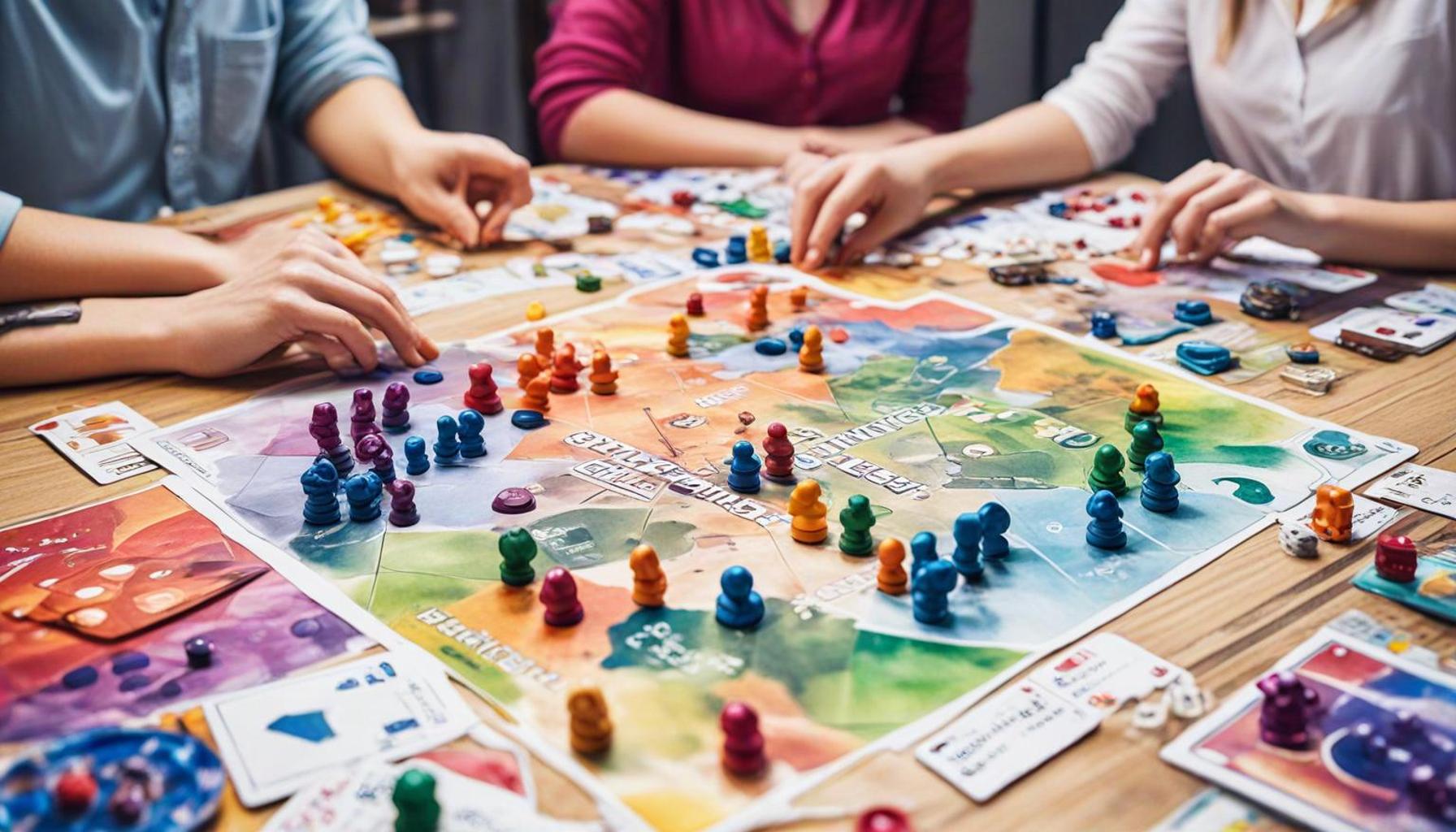
Moreover, the social aspect of playing card games offers additional benefits. Engaging with peers or family during card games can foster teamwork, improve communication skills, and even enhance emotional intelligence, allowing players to understand and respond to the feelings and strategies of others. This interaction can help build stronger community ties and friendships.
Hence, exploring how these simple yet profound games unlock complex skills can inspire excitement in players and learners alike, proving that the power of card games is worth delving into deeper.
CHECK OUT: Click here to explore more
Enhancing Cognitive Skills Through Card Games
Card games, while often perceived simply as casual pastimes, are intrinsic to fostering a range of cognitive skills that play a crucial role in critical analysis and strategic planning. As players engage in these games, they invariably enhance their ability to think critically about the world around them. In Nigeria, the popularity of games like Whot, Tarok, and the recently popularized Kun’tago underscores their importance as more than just recreational activities. They become powerful instruments that encourage players to scrutinize choices and develop forward-thinking plans.
A fundamental aspect of playing card games is the necessity of making decisions based on incomplete information. Each player must analyze how their opponents think and what strategies they are likely employing. This dynamic creates a rich environment for practicing critical thinking. For instance, players must weigh their options and predict their opponents’ next moves while considering the implications of their own choices. This analysis translates to real-world situations where decision-making can have far-reaching consequences.
The Process of Strategic Planning
In the realm of card games, strategic planning becomes a critical skill that emerges through continuous play. In a game like Tarok, players are required to devise methods that are both offensive and defensive. They must not only focus on winning individual rounds but also consider the overall trajectory of the game. Strategies need to adjust frequently based on the flow of the game, mirroring the need for flexibility in strategic planning in everyday life.
Players refine their approaches through trial and error, understanding that sometimes a bold move may pay off while other times, caution may be warranted. This dance between risk and reward is a fundamental element that enhances players’ ability to assess situations holistically. Furthermore, the process often leads players to evaluate the consequences of their actions in both the game and life scenarios.
- Enhanced Decision-Making: The simultaneous nature of card games fosters environments where players must make quick decisions, creating a foundation for improved decision-making abilities in daily life.
- Adaptability: Players learn to shift their strategies in reaction to opponents’ moves, instilling a sense of adaptability that is invaluable in professional settings.
- Scenario Analysis: Analyzing possible outcomes based on current situations allows players to accumulate an understanding of outcome probabilities, a skill that is beneficial in financial and logistical planning.
Through these experiences, players are not just passing time; they are honing their critical analysis and strategic planning skills, which are essential for success both in academics and in the burgeoning job market in Nigeria. The insights gained while playing these games can be transformative, equipping individuals with the tools needed to navigate complex decision-making processes and foster innovative solutions.
The Role of Card Games in Improving Critical Analysis and Strategic Planning
Card games offer a distinctive blend of entertainment and cognitive development. By engaging players in strategic gameplay, these games become platforms for honing critical thinking skills. When players participate in card games, they are not merely playing for fun; they’re engaging in a mental exercise that fosters problem-solving abilities and enhances their decision-making processes.
One of the most significant advantages of card games is their capacity to cultivate a keen sense of foresight and adaptability. Players must constantly assess their opponents’ motives, weigh risks against rewards, and modify their strategies on the fly. This dynamic environment encourages a greater understanding of both tactical and strategic planning. As players navigate through various scenarios, they learn to anticipate future moves and plan accordingly, which is invaluable not just in gaming but in real-life situations such as business and personal relationships.
| Advantage | Description |
|---|---|
| Critical Analysis | Enhances players’ ability to evaluate situations and make informed decisions. |
| Strategic Planning | Encourages foresight, leading to improved forecasting and adaptability. |
Moreover, card games foster an environment of social interaction that can also enhance communication skills. Players often discuss their strategies and reasoning with one another, leading to a constructive exchange of ideas. The interpersonal dynamics of playing cards—whether in casual gatherings or competitive arenas—stimulate critical dialogue and deepen one’s understanding of diverse perspectives. Such experiences not only make the gameplay richer but also prepare players for effective collaboration beyond the card table.
Ultimately, the wide-ranging benefits of card games extend beyond mere enjoyment, serving as tools for developing essential life skills. By incorporating strategic gameplay into personal and professional settings, individuals can continue to sharpen their critical analysis and planning capabilities throughout their lives.
ADDITIONAL INSIGHTS: Expand your understanding here
Interpersonal Skills and Emotional Intelligence Through Card Games
Beyond cognitive advancements, card games play a significant role in enhancing interpersonal skills and fostering emotional intelligence. As much as individual skillsets expand, the social dynamics inherent in these games offer players opportunities to connect with others, read social cues, and negotiate outcomes. This aspect of card gaming is particularly relevant in Nigeria, where a culture of community and social interaction thrives. Whether playing Whot at family gatherings or engaging in competitive Tarok tournaments, players are invariably forced to navigate social landscapes, sharpening their emotional acumen.
Through competition, players encounter moments of victory and loss, each revealing critical lessons in humility, resilience, and empathy. The reactions of players to wins and defeats provide a fertile training ground for understanding both their own emotions and those of others. For instance, emotive responses to gameplay—be it joy following a successful strategy or frustration after an unexpected defeat—can teach participants how to manage their feelings and respond to others’ emotional states. This is a fundamental aspect of emotional intelligence, crucial in interpersonal relationships within both personal and professional contexts.
The Power of Collaboration and Team Dynamics
Card games also bring about numerous team-building opportunities, particularly when played in partnerships or team formats. Games like Kun’tago require players to work collaboratively, strategizing together while navigating individual decision-making. This format encourages communication and collective objective-setting, allowing players to understand the impact of their strategies not just in isolation but also in collaboration with others. In a society that values communal efforts, such experiences in card games reflect broader societal principles, where teamwork drives success.
- Effective Communication: Success often hinges on clear communication, both in articulating one’s own strategy and in listening to teammates. These experiences enhance verbal and non-verbal communication skills, making participants more articulate and attentive in various settings.
- Conflict Resolution: Disagreements inevitably arise during competitive play. Players learn to engage in conflict resolution, navigating tensions that enhance their ability to manage disputes constructively without damaging relationships.
- Motivating Others: Often, one player will need to uplift a teammate or guide them through a strategy. This ability to motivate and inspire boosts teamwork and fosters supportive environments both in games and in real-life collaborations.
Moreover, the recurrent nature of these interactions allows players to not only build rapport but also cultivate long-term relationships. In Nigeria’s tight-knit communities, these relationships can translate to stronger networks both socially and economically, opening doors to collaborative ventures outside the realm of gaming. Thus, the interplay between strategy and social interaction in card games aligns with important societal dynamics, making the development of interpersonal skills through play not just an individual benefit but also a communal one.
As these games continue to resonate with both the young and old across the nation, their role in shaping players into adept critical thinkers and strategic planners becomes increasingly evident. Whether at the local market or during family celebrations, the engagement with card games proves to be far more than mere entertainment; it forms foundational skills that audiences can employ in various aspects of life. With every shuffle of cards, players find themselves armed with critical analysis and strategic insight that extends well beyond the gaming table.
LEARN MORE: This related article may interest you
Conclusion: The Impact of Card Games on Cognitive and Social Skills
In summary, card games serve as a multifaceted platform for enhancing critical analysis and strategic planning skills, underpinned by rich interpersonal dynamics and emotional intelligence development. Engaging with games like Whot and Tarok not only promotes cognitive growth through strategic thinking and decision-making but also cultivates a deeper understanding of social relationships. The experiences drawn from winning or losing offer invaluable lessons on humility, negotiation, and resilience, all of which are applicable in real-life situations—from family interactions to professional collaborations.
The collaborative nature of many card games fosters teamwork and effective communication, equipping players with the skills necessary to navigate complexities in group settings. As players learn to articulate strategies, resolve conflicts, and inspire one another, they build not only networks of support but also a sense of community that strengthens societal bonds.
As card games continue to weave through the cultural fabric of Nigeria, their significance transcends mere pastime leisure; they act as practical training grounds for honing mental acuity and social prowess. By embracing these games, individuals gain a toolkit for analyzing situations critically and planning strategically, empowering them to tackle challenges in diverse aspects of life. Indeed, the engaging shuffle of cards does not just promise fleeting enjoyment but lays a foundation for lifelong skills and meaningful interaction.

Linda Carter
Linda Carter is a writer and puzzle expert specializing in mind games, brain teasers, and cognitive challenges. With extensive experience helping individuals enhance their problem-solving skills and think critically, Linda shares her knowledge on our platform. Her goal is to empower readers with practical advice, engaging puzzles, and strategies to sharpen their minds and achieve success in the captivating world of mind games and puzzles.