The Role of Puzzles and Riddles in Improving Planning and Anticipation Skills
The Cognitive Edge of Puzzles and Riddles
Puzzles and riddles serve not only as engaging recreational activities but also as vital tools for enhancing planning and anticipation skills. When individuals, whether children or adults, dive into these cognitive challenges, they strengthen their brain’s ability to approach problems systematically. This skillset is essential, as it translates seamlessly into real-life scenarios, influencing daily decision-making and problem-solving endeavors.
In Nigeria, the tradition of riddles has flourished, particularly within the fabric of storytelling and cultural gatherings. These riddles showcase a long-standing heritage, providing both entertainment and education through diverse challenges. For instance, the common riddle “What has roots that nobody sees, is taller than trees?” stimulates intellectual curiosity and community interaction, embodying how riddles can enhance cognitive development.
- Boost problem-solving capabilities: Engaging with riddles requires the solver to think critically and approach problems from various angles. For example, solving a riddle may involve recognizing patterns or making connections that are not immediately obvious, honing one’s analytical skills.
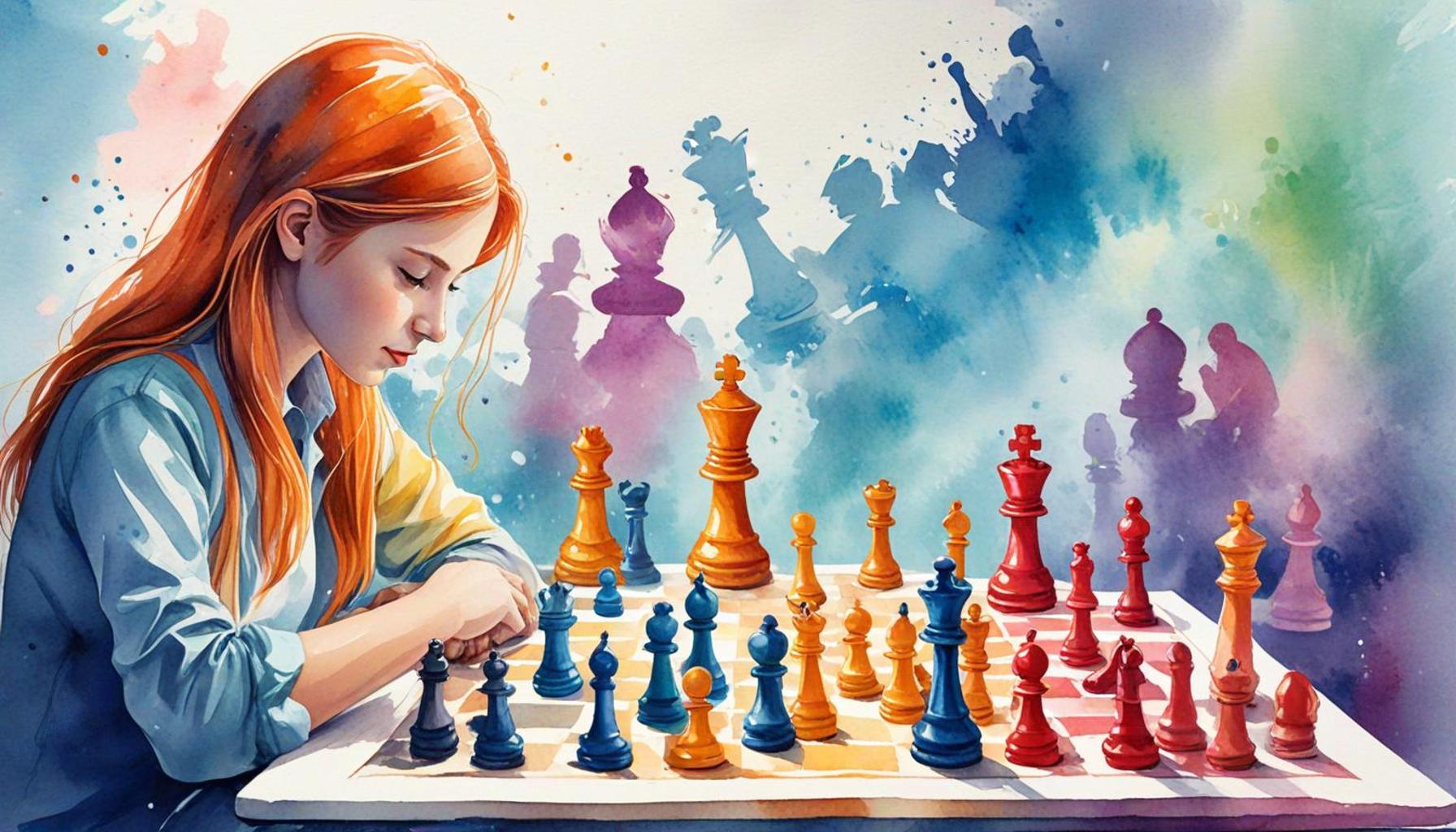
- Encourage strategic thinking: Many puzzles require planning ahead and considering potential outcomes. Chess is an excellent example, where each move could lead to a win or loss, teaching players the importance of foresight and strategy.
- Enhance memory and recall: Remembering clues, solutions, or the rules of a puzzle sharpens memory skills. This memory enhancement can make everyday tasks more manageable, from remembering appointments to following multi-step instructions.
Furthermore, engaging with puzzles and riddles can serve multiple purposes beyond mere enjoyment:
- They train the brain to foresee outcomes, strengthening{‘ ‘} planning skills. This foresight is essential when making decisions about education, career choices, or even personal relationships.
- They encourage a proactive approach to problem resolution. Instead of waiting for a solution to manifest, individuals learn to take initiative, a vital trait in dynamic environments like Nigerian marketplaces.
- They foster patience and perseverance among participants. The challenge of solving a difficult puzzle teaches the value of dedication, a lesson that can be beneficial in both academic and professional settings.
As we further explore the relationship between these brain games and cognitive skills development, it becomes clear that they offer profound psychological benefits. Engaging with puzzles can reduce stress and promote a sense of achievement once a challenge is overcome, enhancing overall mental well-being. The educational implications of this engagement are vast, encouraging a more enriched approach to learning, both in schools and during informal gatherings.
In conclusion, the cognitive benefits of puzzles and riddles go beyond mere entertainment. By understanding their profound impact on planning, anticipation, and problem-solving skills, individuals can leverage these activities for personal development and lifelong learning.

YOU MAY ALSO LIKE: Read read another article
Unraveling the Skills: Planning and Anticipation
As individuals engage with puzzles and riddles, two skills become central to the experience: planning and anticipation. The intricate nature of these brain teasers incentivizes solvers to map out potential paths and forecast various outcomes while deciphering solutions. By delving deeper into how puzzles stimulate these cognitive skills, we can uncover their significance in both personal and professional arenas.
When confronted with a riddle, one must pause and reflect on the clues provided, often requiring multiple attempts or reframing of the question. This reflective practice sharpens planning skills as solvers strategize the most effective approach to find the answer. For example, participants in the traditional game of *Dumbijon,* a popular riddle contest in Nigeria, must not only recall clues but also anticipate their opponents’ moves and responses. This heightened level of engagement fosters a sharper mind, dedicated to finding a solution through both logical deductions and creative thinking.
- Initiating foresight: Predicting the steps needed to arrive at a solution demands foresight. When working through complex mazes in logic puzzles, solvers learn to envision their next several moves, reinforcing their ability to think several steps ahead—a skill invaluable in almost every aspect of life.
- Encouraging patience: Tackling challenging riddles often requires numerous attempts and adjustments. This process cultivates patience, teaching individuals the importance of remaining composed and committed. In environments like bustling Nigerian marketplaces, where participants often negotiate and anticipate others’ strategies, such patience is crucial to achieve desired outcomes.
- Enhancing adaptability: Different puzzles require varied strategies. When faced with an unexpected twist in a pattern or clue, solvers train themselves to adapt their planning and rethink their strategies accordingly. This adaptability can be directly related to success in a rapidly changing job environment.
Puzzles and riddles also function as a platform for practicing decision-making under uncertainty. When faced with potential forks in the road during a puzzle, individuals must assess risks, evaluate possibilities, and ultimately commit to a course of action. This decision-making process becomes second nature in real-world situations, whether deciding on a new career path or determining strategies for business growth. For instance, a marketer in Nigeria may use planning techniques learned from solving complex puzzles to allocate resources effectively or anticipate market trends.
Moreover, these cognitive challenges inherently promote a methodical approach to anticipating the implications of choices made today on future outcomes. By engaging with puzzles, individuals develop a frame of reference for assessing consequences in their daily lives, making them more equipped to plan effectively and anticipate subsequent challenges.
As we navigate through the intricate world of puzzles and riddles, it becomes evident that their role transcends mere entertainment. They provide critical insights into how we can enhance our planning and anticipation skills, ultimately aiding personal growth and professional success.
The Cognitive Benefits of Solving Puzzles and Riddles
Puzzles and riddles serve as more than mere entertainment; they are powerful tools for enhancing cognitive functions, particularly in the realms of planning and anticipation. Engaging with these brain teasers fosters skills that are essential in everyday decision-making and future planning.
Enhancing Problem-Solving Abilities
When faced with a difficult puzzle, individuals activate a variety of mental processes to decipher solutions. This practice enhances their ability to assess a situation, anticipate potential outcomes, and devise effective strategies. The complex nature of many puzzles compels solvers to think critically and predict consequences, thereby sharpening their overall cognitive agility.
Strengthening Memory and Attention
Completing puzzles requires a combination of memory retention and attention to detail. Individuals must remember clues, patterns, and past experiences to unlock solutions. Regular engagement with puzzles leads to improved working memory, enabling individuals to manage information effectively and maintain focus, both vital for successful planning and anticipation of future events.
Fostering Creativity
Puzzles often require out-of-the-box thinking and a willingness to experiment with various approaches. The creative thought process involved in solving riddles encourages individuals to explore multiple perspectives and develop flexible thinking patterns. This creativity not only applies to riddles but translates to innovative problem-solving in planning scenarios.
| Category | Description |
|---|---|
| Cognitive Flexibility | Puzzles enhance adaptive problem-solving, increasing readiness for changes in plans. |
| Strategic Thinking | Riddles improve long-term planning by encouraging players to anticipate various outcomes. |
As we delve deeper into understanding the role of puzzles and riddles, it becomes evident that these engaging challenges not only entertain but also equip individuals with essential planning and anticipation skills. By integrating such activities into daily routines, individuals can promote mental agility that extends beyond the realm of puzzles and applies to real-world situations. The benefits are far-reaching, influencing decision-making abilities, creativity, and overall cognitive health.
RECOMMENDED: Check out this similar article
Strategic Thinking: Bridging Puzzles to Real-Life Challenges
The engagement with puzzles and riddles extends beyond mere intellectual stimulation; it cultivates a robust framework for strategic thinking that enhances decision-making in everyday life. In Nigeria, where individuals often navigate competitive environments, the principles derived from solving puzzles are invaluable. Participants in group riddle-solving activities, such as those found in community gatherings, not only enjoy the challenge but also sharpen their practical skills in planning and anticipation.
- Collaborative analysis: Group dynamics play a significant role in solving complex puzzles. When individuals come together to piece together clues, they engage in a process of collaborative analysis, bringing different perspectives to the fore. This exposure to a variety of thought processes enhances their planning skills as they learn to consider alternative approaches. In Nigerian corporate settings, team brainstorming sessions mirror this collaborative space, where leaders and employees must anticipate team reactions to their strategies.
- Time management: Many puzzles come with a ticking clock, forcing solvers to manage their time effectively. As individuals work to meet deadlines while navigating intricate challenges, they become adept at prioritizing tasks and streamlining their planning efforts. This skill translates seamlessly into the workplace, where timely decision-making can determine the success of a project. For example, during product launches in Nigeria, marketers must swiftly create plans while anticipating consumer response.
- Problem decomposition: Larger puzzles can often be daunting, causing individuals to feel overwhelmed. The act of breaking down these puzzles into smaller, more manageable parts enhances one’s ability to strategize. This decomposition method is crucial not only for solving riddles but also for tackling extensive work projects, as employees can focus on individual components before integrating them into a larger plan.
Puzzles and riddles serve as microcosms for real-world situations, requiring individuals to evaluate multiple variables simultaneously. Take, for instance, the classic “Eight Queens Problem”, which challenges solvers to place eight queens on a chessboard such that no two queens threaten each other. The strategic planning and foresight required here directly correlate to managing complex projects where multiple factors must be considered to avoid conflicts and achieve desired outcomes.
The application of these skills is particularly relevant in Nigeria’s vibrant entrepreneurial landscape. Aspiring business owners are often faced with intricate challenges, and those who engage with logical puzzles can better anticipate market shifts and consumer behavior. The lessons learned through these cognitive exercises empower them to design innovative solutions that are both strategic and effective.
Furthermore, puzzles encourage a mindset of continuous learning and experimentation. As individuals attempt various methods and strategies to tackle a riddle, they foster resilience and a willingness to learn from mistakes. This adaptability is paramount in today’s fast-paced world, where the ability to pivot and reassess plans becomes essential. In sectors like technology and agriculture, where Nigerian entrepreneurs face market volatility, the skills gained from tackling puzzles offer significant advantages.
In essence, the intersection of puzzles and real-life applications illustrates a profound connection to planning and anticipation skills. As individuals refine these skills through playful engagement with riddles, they prepare themselves not only for intellectual challenges but also for the multifaceted dynamics of life and work in Nigeria.
YOU MAY ALSO LIKE: Read read another article
Conclusion: Unpacking the Impact of Puzzles and Riddles
The exploration of how puzzles and riddles contribute to enhancing planning and anticipation skills reveals a fascinating interplay between cognitive development and real-world applications. Engaging with these mind-bending challenges not only entertains but also equips individuals with essential skills for navigating both personal and professional landscapes. As demonstrated, the collaborative analysis inherent in group puzzle-solving fosters teamwork and exposes participants to diverse perspectives, a crucial asset in Nigeria’s nuturing corporate atmosphere.
Moreover, time management and problem decomposition, central to puzzle-solving, equip individuals to approach intricate tasks methodically and effectively. This systematic thinking is invaluable in fast-paced industries where quick yet informed decision-making can significantly influence outcomes. The entrepreneurial spirit thriving in Nigeria stands to benefit immensely from the strategic foresight and innovative problem-solving skills honed through regular engagement with such cognitive activities.
Furthermore, as Nigeria continues to face various challenges, the adaptability and resilience cultivated through riddles will become increasingly relevant, allowing individuals to navigate uncertainties with confidence. The mental frameworks developed via puzzles prepare people to anticipate market shifts, consumer behaviours, and even personal hurdles with greater ease. In essence, prioritizing the integration of puzzles and riddles into everyday life could serve as a catalyst for enhanced cognitive agility and strategic capacity across multiple sectors. Thus, while indulging in these engaging activities, individuals are not merely solving riddles; they are, in fact, crafting their future success.

Linda Carter
Linda Carter is a writer and puzzle expert specializing in mind games, brain teasers, and cognitive challenges. With extensive experience helping individuals enhance their problem-solving skills and think critically, Linda shares her knowledge on our platform. Her goal is to empower readers with practical advice, engaging puzzles, and strategies to sharpen their minds and achieve success in the captivating world of mind games and puzzles.