
The relationship between card games and stress reduction: strategies to relax the mind
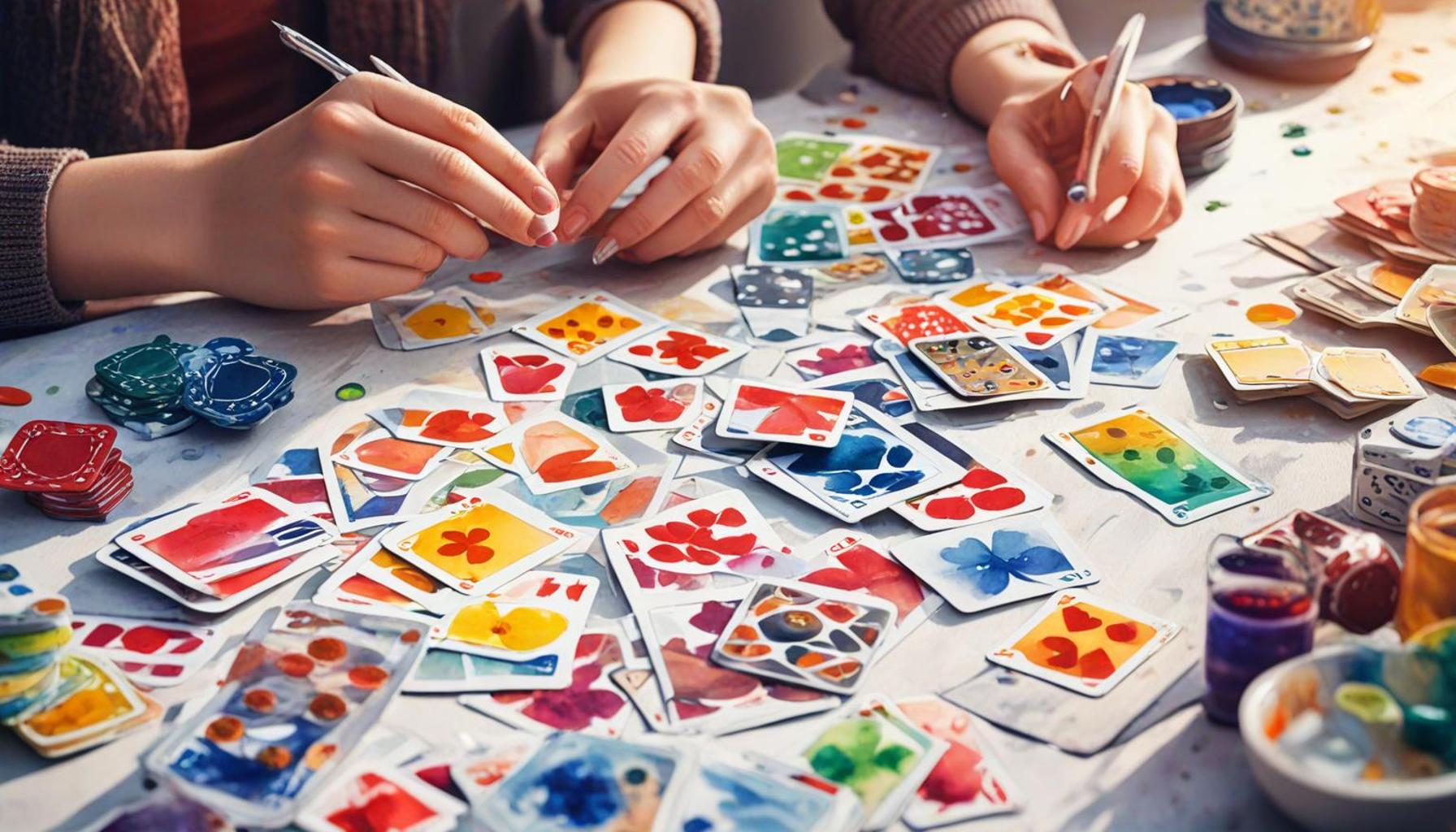
The Unseen Benefits of Card Games for Stress Relief
In today’s fast-paced and demanding environment, stress has become an almost universal experience. People are continually searching for effective methods to alleviate tension and promote relaxation. Among the numerous stress relief techniques, card games stand out as a unique and enjoyable means of achieving mental calmness and emotional balance.
Research has demonstrated that participating in card games produces noteworthy psychological advantages. For instance:
- Enhancing Focus: When immersed in the rules and strategies of a card game, such as the popular Nigerian card game Whot!, players divert their attention away from everyday stressors. The mental engagement required can foster a temporary escape, which often leads to reduced anxiety levels.
- Social Interaction: Playing card games with family and friends not only strengthens bonds but also creates a sense of belonging. This interaction is particularly crucial in a vibrant culture like Nigeria’s, where communal activities are highly valued. Games played during family gatherings or festivals promote a spirit of unity and joy, countering feelings of loneliness.
- Cognitive Engagement: Card games often involve strategizing and critical thinking, which can enhance cognitive functions. For example, games like Poker or Bridge require players to calculate odds, remember cards, and evaluate opponents’ behaviors, all of which stimulate brain activity and provide a profound sense of accomplishment.
In Nigeria, traditional card games like Whot! engage participants in exhilarating play while also creating a communal atmosphere that fosters laughter and connection. Whether in bustling city markets or peaceful rural settings, these games serve as a vital aspect of socializing and stress relief. In the midst of playful banter and friendly competition, many find solace from daily pressures.
Moreover, playing card games can facilitate mindfulness—the practice of being present and fully engaged in the moment. This can lead to increased emotional stability and overall mental well-being. By concentrating solely on the gameplay, individuals can learn to shift their focus away from anxiety-provoking thoughts, achieving a state of mental tranquility.
This article aims to illuminate how card games can be practical tools for stress relief and provide engaging strategies for integrating them into daily routines. Whether it’s setting up a weekly game night or introducing games to work breaks, card games can offer both a fun distraction and an effective method to unwind. Through the lens of cultural appreciation and social interaction, readers are encouraged to explore the potential of card games as a therapeutic outlet in their everyday lives.
RECOMMENDED: Check out this similar article
The Transformative Power of Card Games on Mental Well-being
In a country as vibrant and bustling as Nigeria, where the rhythm of life often leaves little room for pause, people constantly seek ways to manage the stress that pervades everyday life. The magic of playing card games offers not only an enjoyable pastime but also a pathway to relaxation and enhanced mental clarity. Engaging in traditional games such as Whot! and Ludo can effectively serve as a haven, allowing players to escape the burdens of daily pressures and cultivate a stronger sense of well-being.
Mindfulness Through Gameplay
One of the most remarkable benefits of card games is their potential to foster mindfulness. This concept, rooted in the practice of being fully present, allows individuals to break the cycle of negative thinking often exacerbated by stress. Consider the following ways card games enhance mindfulness and help reduce stress:
- Focused Concentration: The intricate rules and strategies required in card games demand unwavering attention. Players must immerse themselves in the game, which diverts their focus from personal challenges and external distractions. For instance, while playing Whot!, the player’s mind is continuously engaged in calculating the best possible moves rather than dwelling on stressors from the outside world.
- Enhanced Problem-Solving Skills: Each card game presents its unique challenges, promoting dynamic adaptability. Whether you are figuring out your next move in Rummy or anticipating your opponent’s strategy in Speed, this cognitive engagement boosts mental agility and redirects attention away from stress triggers, creating a healthy outlet for collective problem-solving.
- Sense of Control: Given the prevailing climate of uncertainty in life, card games empower individuals with a sense of control. The process of strategizing and making decisions fosters a feeling of self-efficacy, which is crucial for managing stress and anxiety. This autonomy can be especially important for young adults navigating the transition to adulthood or for individuals facing challenging life decisions.
Building Connections Through Play
Moreover, card games serve as a unifying force, promoting social interactions among friends and family. Gatherings centered around games like Blackjack or Monopoly not only entertain but also strengthen personal relationships. The joyous atmosphere these games create can diminish feelings of isolation and foster a supportive community. Consider how family game nights can be a source of laughter and storytelling, creating cherished memories that bind generations together.
In a country where community is highly valued, the act of playing card games can offer more than just a fun experience; it creates a space for bonding, sharing life stories, and building networks of support. For example, during regional festivities or family reunions, the simplicity of playing cards can transform moments into lasting connections among participants.
Integrating Card Games into Your Life
Ultimately, the therapeutic aspects of card games reside in their ability to provide accessible strategies for relaxation. Integrating these games into your weekly routine, whether with family or during community gatherings, can create a much-needed oasis of calm amidst life’s demands. The next time you feel overwhelmed by the pace of life, consider reaching for a deck of cards. Invite friends or family to join in a game; this seemingly small gesture may yield significant benefits in reducing stress and enhancing overall mental health.
The Relationship Between Card Games and Stress Reduction: Strategies to Relax the Mind
Card games are not just a source of entertainment; they represent an effective tool for stress reduction. Engaging with card games can create a calming environment that encourages relaxation and mindfulness. The act of focusing on the game allows players to divert their attention from daily stressors, which is a core strategy for mental relaxation.
Cognitive Engagement and Mindfulness
Many card games require critical thinking, strategy formulation, and concentration. This mental engagement serves as a distraction from stressors, similar to meditation practices. When players immerse themselves in the game’s mechanics—whether it’s poker, bridge, or solitaire—they begin to cultivate a state of mindfulness. This focused attention helps to quiet the noise of external pressures, promoting a sense of peace.
Sociability and Connection
Moreover, card games are often played in a group setting, enhancing social interaction. This camaraderie is beneficial for emotional health as laughter and fun foster strong social bonds. The shared experience can lighten the mood and reduce feelings of isolation, which are rampant in today’s fast-paced world. When playing with friends or family, players have a chance to communicate openly, which is vital for emotional well-being.
Emotional Outlet and Stress Management
When defeated in a card game, players experience loss, a feeling that can be therapeutic in a safe environment. Learning how to cope with loss helps build resilience in dealing with stress in real life. Winning, on the other hand, can promote a sense of accomplishment and confidence, thereby boosting overall morale and reducing anxiety levels.
Table for Quick Reference
| Category | Advantages |
|---|---|
| Cognitive Engagement | Enhances focus and mindfulness, redirecting thoughts from stresses. |
| Social Benefits | Fosters community, reduces feelings of isolation through group play. |
| Emotional Outlet | Promotes resilience against stress by handling wins and losses. |
Encouraging the practice of card games can lead to significant wellness benefits. By facilitating engagement, fostering connections, and serving as emotional outlets, card games can become a strategic component in stress reduction techniques, allowing the mind to relax and recharge.
LEARN MORE: This related article may interest you
The Social Psychology of Card Games and Stress Management
The psychological impact of social interaction cannot be overstated when discussing the role of card games in stress reduction. In a society such as Nigeria’s, where communal life thrives, playing card games can lead to significant emotional benefits. Engaging with others in a relaxed environment not only functions as a distraction from stressors but also positively influences mental health through the establishment of social bonds.
Community Engagement and Support Networks
In many Nigerian cultures, gatherings often revolve around shared activities, and card games are a staple of such events. Whether it’s playing Eso (the Nigerian version of Ludo) in a local park or enjoying a spirited game of Drafts during a family reunion, these situations serve as platforms for community engagement. The undeniable sense of belonging that emerges from these interactions can alleviate feelings of anxiety and isolation. As per studies from the American Psychological Association, social support significantly buffers stress, promoting resilience in challenging times.
Emotional Expression Through Gameplay
Card games also present opportunities for creativity and emotional expression. For instance, when playing games like Tarot or Bridge, players often share personal stories and jokes, creating a lighthearted atmosphere. This emotional exchange is crucial for mental well-being as it encourages individuals to articulate and process their feelings in a communal setting. In a traditional Yoruba setting, storytelling during games not only entertains but also strengthens intergenerational ties, promoting a sense of continuity and understanding among players.
Cognitive Engagement and Mental Sharpness
The mental stimulation provided by card games is another crucial aspect contributing to stress reduction. These games often require strategizing, predicting opponents’ moves, and adapting to ever-changing scenarios, which not only keeps the brain sharp but also distracts players from their worries. For instance, a game of Solitaire can engage an individual’s cognitive faculties while simultaneously offering a momentary escape from daily pressures. Research conducted by the National Institutes of Health indicates that mentally stimulating activities, such as card games, can help improve cognitive skills such as problem-solving and decision-making, essential components for managing stress.
Simple Rituals of Relaxation
Beyond the competitive spirit and strategic thinking of card games lies a more meditative aspect—forming a personal habit or ritual around gameplay can further aid in stress management. Setting aside regular time for playing games, like traditional Patience, can serve as a cue to the mind for relaxation. These ritualistic practices often lead individuals to establish regular moments of serenity, fostering a healthier mindset. For example, many families in Nigeria set aside Sunday afternoons for card games, prepping delicious snacks and creating an atmosphere that allows for laughter and relaxation—something crucial for mental health.
In today’s fast-paced world, integrating these simple yet impactful card game rituals into our lives can provide a gentle reminder of the importance of slowing down, connecting with others, and tending to our mental well-being.
SEE ALSO: Click here to read another article
Conclusion: Embracing Card Games for Stress Relief
In summation, the relationship between card games and stress reduction is both profound and multifaceted, offering a rich tapestry of benefits that resonate deeply within the Nigerian cultural context. From fostering community engagement to facilitating emotional expression, the environments created by these games provide invaluable opportunities for individuals to connect, share, and heal. The playful nature of card games not only serves as an escape from daily pressures but also sharpens cognitive skills, contributing to an overall enhancement of mental health.
Moreover, the simple rituals associated with regular gameplay, such as the cherished Sunday gatherings, serve as essential touchpoints for relaxation and mindfulness, effectively creating a shared space where laughter and camaraderie can flourish. Research indicates that these collective experiences help mitigate feelings of isolation, thereby providing strong psychological support that is vital for managing stress. With so many having turned to digital engagements in recent times, abandoning the tactile and social aspects of traditional games can be a missed opportunity for genuine connection and stress alleviation.
As we adapt to the ups and downs of contemporary living, embracing card games not only strengthens intergenerational ties but also illuminates a path toward understanding and resilience. Encouraging communities to prioritize such gatherings highlights their power as effective strategies to relax the mind. In exploring this timeless pastime, we can unlock new dimensions of social support and mental fortitude, essential for navigating life’s challenges with grace.

Linda Carter
Linda Carter is a writer and puzzle expert specializing in mind games, brain teasers, and cognitive challenges. With extensive experience helping individuals enhance their problem-solving skills and think critically, Linda shares her knowledge on our platform. Her goal is to empower readers with practical advice, engaging puzzles, and strategies to sharpen their minds and achieve success in the captivating world of mind games and puzzles.