
Cognitive Challenges: How Logic Games Stimulate Strategic Thinking in Youth
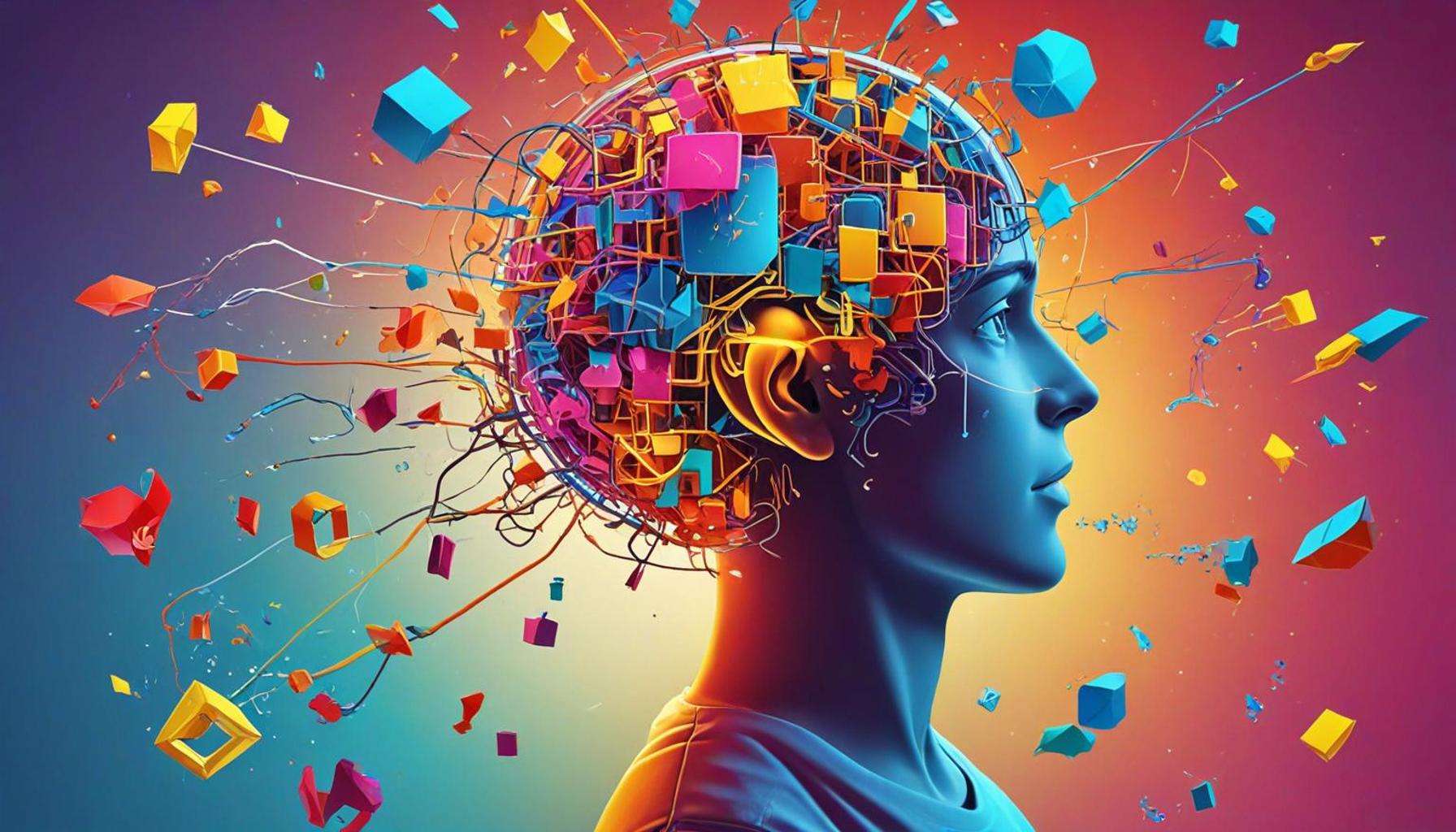
Engaging Young Minds through Cognitive Challenges
In an age where digital distractions reign, engaging youth in cognitive challenges has become increasingly vital. Logic games, often perceived as mere entertainment, hold profound potential for enhancing strategic thinking skills. These games serve as a gateway to developing critical cognitive abilities that are essential for personal and academic success. The benefits of these games extend beyond enjoyment, offering substantial enhancements to various cognitive faculties.
One of the most prominent benefits of logic games is the improvement of problem-solving skills. When players engage with puzzles, they learn to break down complex challenges into manageable parts. For instance, a young Nigerian student tackling a Sudoku puzzle not only practices numerical logic but also learns to formulate strategies under pressure. This skill transfers to real-life scenarios, enabling them to approach problems in their studies or day-to-day life more effectively.
Enhanced decision-making is another critical aspect achieved through these games. Logic games, such as chess or modern digital simulations, require players to anticipate consequences and consider the best course of action. This competitive aspect encourages quick thinking and informed choices, an invaluable skill as youths transition from school to the workforce. An example can be seen in youth chess clubs across Nigerian cities, where young players learn to think several steps ahead, cultivating foresight that is crucial in any professional landscape.
Moreover, logic games promote increased focus and concentration. The challenges presented demand sharp attention to detail, thereby honing players’ ability to concentrate on tasks. A game like “Damas” requires players to focus on their opponent’s moves while planning their strategy, fostering a mindset that is attentive and proactive. This concentration helps young participants, whether in a classroom setting or while studying for exams, to maintain their attention on their educational tasks.
In Nigeria, traditional games like chess and damas have been part of cultural heritage, promoting strategic thinking for generations. Now, introducing modern logic games like mobile puzzle apps can bridge the gap between tradition and innovation. By fostering environments where youth engage with these cognitive challenges, we prepare them not just for academic achievements but for the complexities of real-life decision-making.

The significance of utilizing logic games extends beyond mere play; it offers a structured approach to cultivating resilient thinkers. As we explore the impact of these games, the potential for transforming young minds into adept strategists becomes ever clearer. By integrating both modern and traditional logic games into educational programs and community activities, we can inspire a new generation equipped for the challenges of today and tomorrow. Through this, the future of cognitive development in Nigeria remains bright and full of promise.
CHECK OUT: Click here to explore more
Unlocking Mental Agility through Logic Games
The modern world demands a high level of cognitive agility, particularly for today’s youth poised at the brink of adulthood. As the educational landscape evolves, logic games emerge as invaluable tools in this endeavor, not just for entertainment, but as engaging platforms for cultivating essential cognitive skills. These games seamlessly blend enjoyment with serious learning, making them an ideal avenue for young minds eager to navigate the complexities of both academic and real-world challenges.
At the core of many logic games is the ability to foster critical thinking. Confronted with rules and constraints, young players must analyze various scenarios, weigh options, and develop tactical solutions. The renowned game of chess, for example, allows players to explore various strategies while learning to adapt their plans in response to opponents. This not only enhances their individual decision-making processes but also builds an awareness of others’ strategies—an essential skill in both collaborative and competitive environments.
Moreover, logic games nurture creative thinking, encouraging players to think outside conventionally established patterns. Each game presents unique scenarios that require unexpected solutions. For instance, the popular game of Checkers demands players to consider various ways to outmaneuver opponents while simultaneously strategizing to safeguard their own pieces. This dynamic not only promotes strategic foresight but also stimulates youth to think innovatively—an increasingly important trait in today’s fast-paced world.
The Benefits of Engaging with Logic Games
By integrating logic games into their everyday routines, young individuals reap a host of benefits, including:
- Enhanced analytical skills: Players develop the ability to assess situations more critically, leading to better data interpretation and logical reasoning.
- Improved social skills: Many of these games are played in groups, fostering communication and teamwork as players engage with others to solve problems collaboratively.
- Increased resilience: Logic games often involve generating solutions in the face of setbacks, teaching young minds to persist despite challenges, a trait essential for success in life.
- Boosted confidence: Mastering challenging games instills a sense of accomplishment, empowering youth to tackle academic challenges and greater life hurdles.
Such benefits are particularly crucial in the Nigerian context, where ongoing initiatives aim to enhance educational outcomes and innovative thinking among students. Schools and community centers are beginning to recognize the role of logic games, integrating them into curricula and extracurricular programs. Additionally, the rise of online platforms offering various logic puzzles and games makes these cognitive challenges accessible to a broader audience, especially in urban centers where technological integration is rapidly advancing.
As we delve deeper into how these cognitive games shape strategic thinkers, it’s essential to highlight the pivotal role they play in preparing Nigerian youth not only for academic pursuits but also for the increasing complexities of a globalized world.
| Advantage | Description |
|---|---|
| Enhanced Problem-Solving Skills | Logic games present complex challenges that require youth to think critically and devise strategies, enhancing their problem-solving abilities. |
| Improved Decision-Making | Engaging with logic games fosters quick thinking under pressure, enabling young individuals to make effective decisions in various situations. |
Logic games play an integral role in developing essential cognitive skills among youth. By regularly participating in these activities, children not only bolster their strategic thinking but also become adept at navigating complex scenarios. The challenges presented by logic games often prompt players to weigh the consequences of their decisions meticulously, shaping their future capabilities in real-world problem-solving. Furthermore, these games can be a significant confidence booster as players achieve milestones while honing their abilities. With countless formats available, from puzzle-solving to strategy-based board games, there exists a vast landscape of cognitive stimulation waiting to be explored. This engagement is not just play; it’s a robust method for nurturing the minds of the future.
YOU MAY ALSO LIKE: Read read another article
Fostering Lifelong Learning through Logic Games
The importance of logic games extends beyond immediate cognitive benefits, resonating deeply with the principles of lifelong learning. As young players engage with these games, they acquire a mindset that champions curiosity and continuous improvement. In a rapidly evolving world, where new challenges emerge daily, this adaptive thinking and love for learning will serve them well into adulthood. For youth in Nigeria, especially, this characteristic can be pivotal in navigating diverse career paths in an era defined by technological advancement and globalization.
In the context of education, logic games are increasingly being recognized as tools for promoting self-directed learning. When youth tackle complex puzzles or navigate strategic challenges, they are not simply following a predetermined path. Instead, they explore multiple approaches to problem-solving, refining their ability to learn from mistakes—a skill crucial for academic success and personal development. For instance, Sudoku and similar number puzzles encourage players to establish their own solving methods while grappling with trial and error. This process nurtures a sense of ownership over one’s learning, empowering students to take charge of their educational journeys.
The Role of Technology in Enhancing Engagement
The integration of technology with logic games has brought about an explosion of opportunities for cognitive challenges among Nigerian youth. With the increasing access to smartphones and computers, a myriad of applications now provide interactive platforms for logic games. This digital transformation not only enhances engagement but also makes it easier for youth to connect with peers globally, discussing strategies and sharing insights on various gameplay experiences.
Moreover, gamified learning experiences can offer instant feedback—a feature that might be less prevalent in traditional classroom settings. This element of immediate assessment allows players to understand their logical reasoning abilities and make adjustments in real-time, fostering an ongoing learning loop that benefits players not just in games, but also in real-life situations where quick decisions are essential.
Incorporating Logic Games in Community Initiatives
Recognizing the immense potential of logic games, communities across Nigeria are initiating programs that leverage these cognitive tools for developmental purposes. After-school clubs and workshops focused on board games, brain teasers, and online puzzles have started to attract youth, creatively intertwining enjoyment with educational content. Such programs facilitate intergenerational learning, as experienced players mentor novices, thereby strengthening community bonds and enhancing social interactions.
Schools are also beginning to embrace logic games as part of their pedagogical strategies, incorporating them into STEM curricula to enhance problem-solving skills and logical reasoning from an early age. These initiatives align with national educational policies aimed at fostering innovation and critical thinking among students in preparation for future economic opportunities.
Furthermore, the competitive aspect of logic games can help spark interest in fields such as mathematics, computer science, and engineering—areas where Nigeria seeks to build a thriving workforce. As young minds discover the joys of strategic thinking through games, they may find themselves drawn to these crucial sectors, fueling the nation’s growth in an increasingly digital age.
In summary, logic games offer youth not just a source of entertainment but a pathway to develop vital skills for their future. As governments, educational institutions, and communities continue to promote these cognitive challenges, Nigeria’s young generation stands to benefit immensely, equipping them with the strategic thinking abilities required to thrive in a complex global landscape.
YOU MAY ALSO LIKE: Read read another article
Conclusion: The Future of Youth Through Logic Games
As we move forward in an increasingly complex world, the role of logic games in shaping the cognitive landscape for youth cannot be underestimated. These cognitive challenges not only fine-tune strategic thinking but also imbue young minds with essential skills for future endeavors. By fostering problem-solving capabilities, encouraging resilience, and promoting creativity, logic games pave the way for critical thinking that transcends the playroom.
In Nigeria, where the youth demographic presents a potent force for change, embracing logic games offers a dual advantage of entertainment and education. Whether through after-school programs or digital platforms, these games serve as accessible tools for cultivating a framework of lifelong learning. As students engage with various puzzles and strategic challenges, they nurture the adaptability and self-directed learning that are crucial in today’s global job market.
Moreover, community initiatives and educational institutions committed to integrating logic games into their curricula are creating an environment where every young individual can thrive. This collective investment in cognitive development can profoundly impact not only personal growth but also ignite economic progress and innovation across the nation.
In summary, as logic games continue to inspire young minds across Nigeria, they not only entertain but also equip future leaders with the strategic abilities needed to navigate life’s complexities. Enhancing cognitive skills through gameplay is not just an opportunity—it is a necessity for nurturing a generation prepared to face the challenges of tomorrow.

Linda Carter
Linda Carter is a writer and puzzle expert specializing in mind games, brain teasers, and cognitive challenges. With extensive experience helping individuals enhance their problem-solving skills and think critically, Linda shares her knowledge on our platform. Her goal is to empower readers with practical advice, engaging puzzles, and strategies to sharpen their minds and achieve success in the captivating world of mind games and puzzles.