
The Influence of Narrative Adventure Games on Strategic and Creative Decision-Making

Unpacking the Influence of Narrative Adventure Games
The realm of narrative adventure games presents a rich tapestry of storytelling that transcends traditional gaming. Defined by intricate plots and profound character development, these games invite players to step into the narrative, crafting their unique paths while facing moral dilemmas. The design of these games fosters not only engagement but also critical life skills that players can carry into the real world.
At the heart of these games lies the concept of choice. Players are repeatedly confronted with decisions that challenge their ethical frameworks and strategic planning abilities. For instance, in games like “Life is Strange,” players must navigate through a series of choices that determine not only the protagonist’s fate but also the dynamics of relationships they build throughout the story. Such scenarios encourage players to develop:
- Strategic Thinking: By weighing consequences, players learn to evaluate different pathways and anticipate outcomes, a skill transferable to life’s many challenges, from academic pursuits to professional scenarios.
- Creative Decision-Making: The need to think outside the box emerges clearly in games like “Oxenfree,” where players can choose dialogue paths that yield completely different experiences, enhancing their ability to approach real-world problems with creativity.
- Emotional Intelligence: Understanding character motivations fosters empathy. An example is in “The Walking Dead,” where players face emotional burdens with decisions that resonate with real-world ethical dilemmas, promoting compassionate responses in various social situations.
In Nigeria, the gaming industry is burgeoning, and narrative adventure games play a pivotal role in developing crucial life skills among the youth. As more young Nigerians engage with these games, they find a dual-purpose; a source of entertainment and a framework for personal development. In communities where educational resources may be limited, gamers often hone vital skills that can translate into:
- Leadership abilities: Many games require players to guide teams through challenges, preparing them for leadership roles in communal and professional settings.
- Enhanced collaborative skills: Multiplayer settings in titles such as “Among Us” foster a spirit of teamwork as players must work harmoniously to succeed, mirroring the collaborative atmosphere found in many Nigerian workplaces.
- Improved adaptability: Narrative twists often compel players to adjust their strategies rapidly, akin to navigating the fast-paced changes seen in Nigeria’s dynamic job market and social landscapes.
The synthesis of entertainment and education embodied by narrative adventure games reflects a broader trend of harnessing digital experiences for personal growth. These titles are not merely games; they are tools for shaping a new generation of strategic thinkers and empathetic leaders in Nigeria and beyond. Understanding this influence highlights the potential of narrative adventures to revolutionize learning and personal development, making it essential for stakeholders in education and youth development to recognize and engage with this evolving medium.
CHECK OUT: Click here to explore more
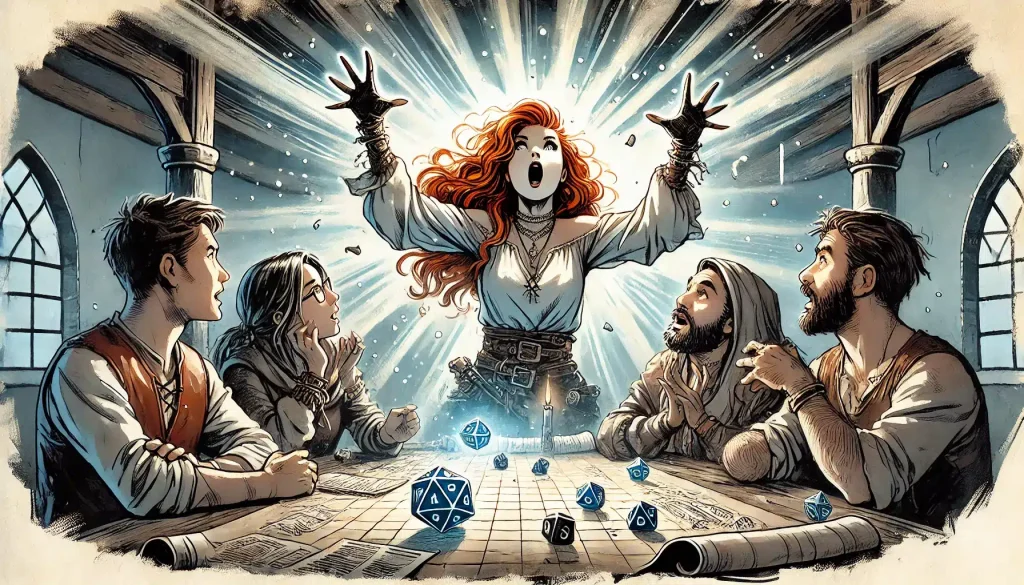
Narrative Adventure Games: A Catalyst for Strategic and Creative Growth
Narrative adventure games serve as immersive platforms where players explore rich storylines and engage in complex decision-making processes. Each game session presents a tapestry of scenarios that demand not only tactical foresight but also imaginative problem-solving. For example, Nigerian gamers are increasingly finding resonance with titles such as “The Wolf Among Us” and “Grim Fandango,” where they wrestle with choices that mold their gaming experiences and echo their own life events. The significance of these games stretches beyond mere entertainment; they are transformative tools that can cultivate strategic and creative decision-making skills within diverse contexts.
One of the most compelling aspects of narrative adventure games is their inherent focus on consequential choices. These games challenge players to think several steps ahead, dissecting the ramifications of their decisions. The mechanics at play function as a microcosm of real-world scenarios where outcomes are inextricably linked to the choices made. Here in Nigeria, where the rapid pace of change can often require nimble thinking, such gaming experiences teach players to evaluate risks and rewards effectively. Players learn to consider factors such as:
- Understanding Collaborative Dynamics: Games often present situations where players must negotiate with others, mirroring the necessity of teamwork in real-life projects, especially within Nigeria’s growing entrepreneurial landscape.
- Resource Management: Many narratives have players managing limited resources while pursuing objectives, a skill that translates well into managing finances or project planning in personal or professional pursuits.
- Conflict Resolution: Players frequently encounter conflicts that they must navigate, making decisions that can soothe tensions or escalate disputes, akin to the challenges faced in community or workplace interactions.
The educational potential of these narrative-driven experiences cannot be understated. As players navigate through hundreds of branching paths, they not only seek immediate satisfaction but also develop a deeper understanding of the implications behind their actions. With the rise of the gaming industry in Nigeria, local developers are beginning to carve out unique storytelling pathways that resonate with cultural narratives. This localization not only enhances the entertainment value but also equips young players with insights that are relevant to their own environments.
Moreover, these games offer a safe space for experimentation. Unlike in real life, where stakes may be high, players can explore flawed decisions and learn from their mistakes without dire consequences. This dynamic encourages a mindset of trial and error, fostering resilience and adaptability—qualities that are vital in navigating Nigeria’s evolving economic landscape. The iterative nature of gameplay also means that players often return to previous choices, refining their strategies and deepening their understanding of the narrative framework.
As we delve deeper into this fascinating intersection of gaming and decision-making, it’s essential to recognize the broader implications of these experiences. Narrative adventure games do more than tell stories; they provide innovative venues for skill development, ultimately shaping a generation equipped to tackle the complexities of both personal and professional arenas.
| Category | Description |
|---|---|
| Storytelling | Narrative adventure games engage players through immersive storytelling, enhancing empathy and decision-making skills. |
| Strategic Thinking | Players must develop strategic plans to navigate complex plots and scenarios, fostering creativity in tackling challenges. |
| Character Development | Building relationships with characters shows the impact of collaboration and ethical decision-making on outcomes. |
| Problem Solving | Engagement in challenging puzzles encourages players to approach problem-solving with innovation and critical thinking. |
The elements presented in this table illustrate how narrative adventure games uniquely influence players’ abilities in strategic and creative decision-making. As players become engrossed in their stories, they not only experience entertainment but also cultivate skills that enhance their real-world decision-making abilities. The blend of storytelling with strategic challenges showcases the potential games have to develop a holistic understanding of cause-and-effect relationships, which is essential for effective leadership and innovation in various sectors.
RECOMMENDED: Check out this similar article
The Role of Empathy and Emotional Intelligence in Gameplay
In the realm of narrative adventure games, players are often thrust into scenarios that require a profound understanding of characters’ motivations, desires, and emotional states. This immersion fosters empathy, a crucial element in strategic and creative decision-making. As Nigerian gamers navigate these complex narratives, they engage in a form of emotional intelligence training that transcends the gaming experience and touches their real-world interactions.
For instance, games such as “Life is Strange” have players confront difficult ethical dilemmas, leading them to weigh not just the benefits or drawbacks of their choices but also how these decisions impact the lives of others. This nuanced understanding encourages players to step outside of their own perspectives, fostering a heightened sense of empathy that resonates deeply within community contexts in Nigeria. The importance of empathy can be seen in various sectors—from business negotiations to social initiatives—where understanding diverse viewpoints can make or break successful outcomes.
Furthermore, the incorporation of diverse narrative threads and characters reflective of different cultural backgrounds allows players to experience multiple perspectives. As players engage with these characters, they often encounter issues related to gender, socio-economic status, and identity, providing a rich tapestry that promotes critical thinking. With Nigeria’s diverse population, these storytelling elements can foster unity and understanding, enabling gamers to address complex societal issues in more informed ways.
Challenge as a Means of Growth
Another compelling feature of narrative adventure games is how they invite players to confront challenges. The sense of achievement that comes from overcoming obstacles is vital in strengthening both strategic thinking and creative problem-solving skills. Games often present multifaceted challenges that require players to draw upon various skills simultaneously—this could mean combining analytical reasoning with creative ingenuity to reach a solution. An example is found in “The Walking Dead” series, where players grapple with survival decisions that hinge on resources, relationships, and moral choices.
Research supports the idea that adversity within games can lead to enhanced cognitive flexibility and innovation. As players work through in-game challenges, they learn to approach problems from different angles, a valuable trait in Nigeria’s competitive job market. The ability to innovate and adapt is essential, particularly in a rapidly evolving economic landscape where traditional pathways are often disrupted.
- Role of Reflection: Players are encouraged to reflect on their decisions and the consequences thereof, a practice that is advantageous for executive function skills necessary in daily life.
- Creating Safe Spaces for Dialogue: Multiplayer aspects or community-driven narratives invite discussions among players, propelling collaborative decision-making as players weigh collective versus individual benefits.
- Transference of Skills: The diverse skill set acquired through gameplay finds relevance beyond the screen; whether in business, education, or social services, the lessons learned can be pivotal.
The tangible skills cultivated through these narrative adventures align closely with the requirements of a dynamic workforce. As the game industry continues to grow in Nigeria, it will be exciting to observe how these narrative experiences shape attitudes, decision-making processes, and ultimately contribute to a generation capable of thoughtful and impactful engagement in various spheres of life.
ADDITIONAL INSIGHTS: Expand your understanding here
Conclusion: Navigating Decision-Making through Digital Narratives
The exploration of narrative adventure games reveals their profound influence on both strategic and creative decision-making processes. As demonstrated throughout this article, these games not only create immersive worlds that engage players’ emotions but also significantly enhance their empathy and emotional intelligence. This emotional engagement serves as a powerful tool, enabling players to better navigate real-world complexities by fostering a deeper understanding of diverse perspectives.
Furthermore, the challenges presented within these games cultivate essential skills in strategic thinking and creative problem-solving. By confronting obstacles that require innovative solutions, players learn to approach challenges with cognitive flexibility and adaptability. Such skills are increasingly crucial in Nigeria’s evolving economic landscape, where traditional strategies may no longer suffice. Thus, the lessons gained from gaming transcend the screen, impacting professional and personal contexts alike.
The opportunity for reflection and community dialogue within these games further enriches the learning experience, urging players to consider the broader implications of their choices. As the narrative adventure gaming industry flourishes in Nigeria, it becomes imperative to recognize how these digital experiences are shaping a generation equipped for thoughtful and impactful engagement. By investing in the potential of narrative-driven gameplay, we can inspire innovative thinkers and empathetic leaders ready to tackle the challenges of our time.
Ultimately, the influence of narrative adventure games on decision-making opens up a fascinating dialogue about the intersections of play, learning, and real-world application. Therein lies the potential for a generation of gamers transformed not just by the stories they play through, but by the lessons they carry into the adventure of life itself.

Linda Carter
Linda Carter is a writer and puzzle expert specializing in mind games, brain teasers, and cognitive challenges. With extensive experience helping individuals enhance their problem-solving skills and think critically, Linda shares her knowledge on our platform. Her goal is to empower readers with practical advice, engaging puzzles, and strategies to sharpen their minds and achieve success in the captivating world of mind games and puzzles.