Problem-Solving Strategies in Escape Games: Learning to Think Outside the Box

Understanding the Allure of Escape Games
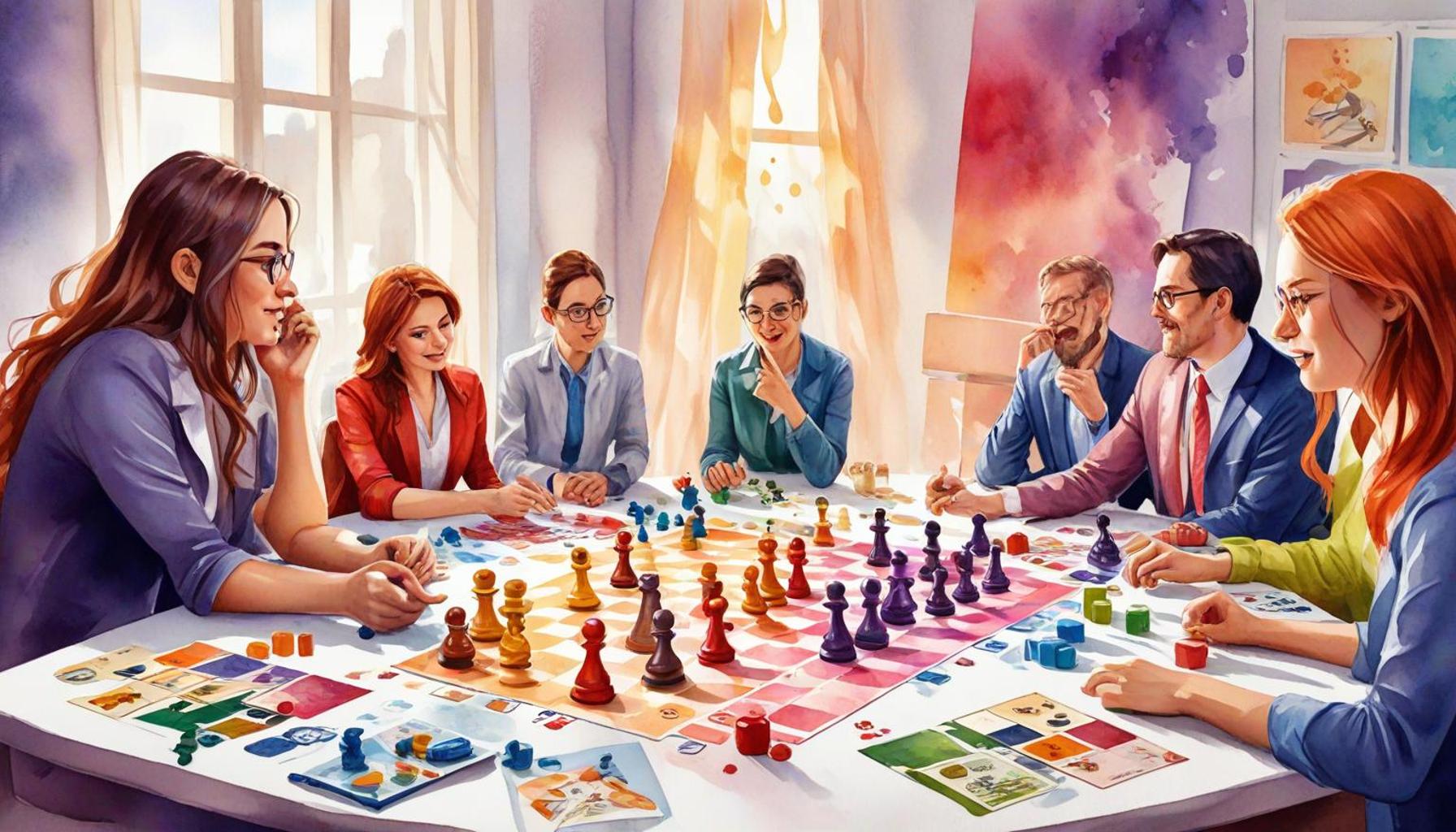
Escape games have surged in popularity, offering a unique blend of adventure and intellectual challenge that captivates a wide audience. In Nigeria, this trend is particularly noticeable, with groups of friends and families gathering to engage in these thrilling experiences. The variety of themes and immersive storylines allows players to step into a world of mystery, suspense, and teamwork. But beyond mere entertainment, what truly draws people to these interactive games?
At the core of every escape game lies a rich tapestry of problem-solving strategies that can foster creativity and enhance critical thinking skills among participants. These strategies not only elevate gameplay but also equip individuals with practical abilities that are transferable to everyday life. Let’s explore these strategies in detail:
- Teamwork: Escape games require collaboration and communication among players. Bringing together different perspectives and strengths can lead to innovative solutions. For instance, when faced with a tricky puzzle, one player’s analytical skills might complement another’s intuition, resulting in an effective resolution.
- Critical Thinking: Players must analyze clues meticulously and evaluate potential options to progress. In a Nigerian-themed escape room, for instance, participants might need to interpret local folklore or solve puzzles related to cultural heritage, honing their ability to think critically and make informed decisions.
- Time Management: With a ticking clock adding pressure, players learn to prioritize tasks and manage their time effectively. This skill translates well into real-world situations, such as managing work deadlines or planning events, where efficiency is key.
- Creative Approaches: Thinking outside the box is essential in escape games. Players often encounter challenges that require unconventional solutions; for example, they might need to use everyday objects in unexpected ways to unlock a clue. This cultivates a mindset that embraces innovation and resourcefulness.
Moreover, engaging in escape games offers more than just thrills; it contributes significantly to personal development. Participants often leave with not only a sense of achievement but also insights into their own problem-solving skills. Reflecting on these experiences can lead to greater self-awareness and enhanced abilities in handling real-life challenges.
As Nigeria continues to develop a vibrant escape room culture, it becomes increasingly clear that these interactive puzzles foster not just fun but also growth. By diving deeper into the strategies discussed, players can better prepare themselves to tackle not only the challenges presented within the games but also those encountered in everyday life. Ultimately, escape games serve as a dynamic platform for learning, growth, and connection.
YOU MAY ALSO LIKE: Read read another article
Exploring Effective Problem-Solving Strategies
When participants enter the world of escape games, they encounter an environment where conventional ways of thinking are not just challenged but often turned upside down. In this creative space, players develop a toolkit of problem-solving strategies that can be utilized both in and out of the game. Here, we delve into some of the most effective strategies that players can embrace as they navigate their escape adventures.
The Importance of Team Dynamics
Teamwork stands at the forefront of escape game mechanics. Unlike solitary puzzles, these games encourage groups to work together, merging individual skills into a cohesive problem-solving unit. In Nigeria, where community and collaboration are highly valued, this aspect resonates perfectly. By enhancing communication and trust among team members, players learn to draw on each other’s strengths and perspectives. For instance, a participant with a flair for analytical reasoning may team up with a more creative thinker, resulting in unique solutions to complex riddles. Whether deciphering a code or arranging physical elements within the room, teamwork enhances the potential for success.
Emphasizing Critical Evaluation
In escape rooms, every clue serves a purpose, demanding players to engage in critical thinking throughout the experience. Participants often find themselves sifting through layers of information, requiring careful evaluation of every detail. A typical scenario in a Nigerian escape game, for instance, might involve interpreting a historical artifact that holds the key to unlocking the next phase of the adventure. This process refines players’ abilities to assess situations and make decisions based on incomplete information, honing a vital skill for both everyday life and high-stakes situations. By practicing such evaluation techniques, players enhance their aptitude for independent and logical thinking.
The Art of Time Management
Perhaps one of the most exhilarating aspects of escape games is the countdown clock. This time pressure prompts players to sharpen their time management skills significantly. The ability to prioritize tasks under tight deadlines is a critical life skill, directly applicable in various professional and personal contexts. In an escape room, participants must identify which puzzles to tackle first, ensuring they maximize their chances of success within the allocated time. This training in time management fosters an understanding of how to approach deadlines effectively, paving the way for improved performance in real-world situations such as project completion, event organization, or day-to-day responsibilities.
Encouraging Creative Problem-Solving
Engagement in escape games practically demands players to embrace creative problem-solving. The puzzles frequently require ingenuity, with objects and clues that can often yield unconventional solutions. For instance, a common scenario could involve using items available in the room in unexpected ways to unlock a combination. This reliance on creativity fosters a mindset that does not shy away from innovative approaches, encouraging players to think outside the box. The ability to view problems from diverse angles not only assists in puzzle resolution but also instills an adaptable and resourceful mentality, essential qualities in today’s fast-paced world.
As players delve deeper into escape games, they discover that the collaboration, reflection, and innovative thinking required to solve challenges are invaluable assets—both inside the game and beyond. The skills nurtured during these escape missions develop not only personal fulfillment but also enrich interpersonal and professional relationships across various contexts.
| Category | Advantages |
|---|---|
| Enhanced Critical Thinking | Escape games require players to analyze complex situations, make quick decisions, and adapt strategies based on emerging scenarios, thus sharpening their critical thinking skills. |
| Team Collaboration | These games foster teamwork as players must communicate effectively and strategize collectively, promoting a sense of camaraderie and teaching valuable life skills in collaboration. |
| Creative Solutions | Players are often required to think creatively to solve puzzles, pushing boundaries of conventional thinking and leading to innovative problem-solving approaches. |
| Stress Management | Navigating time constraints and puzzles under pressure enhances stress management skills, teaching players how to remain calm and focused in intense situations. |
Escape games provide a hybrid environment where fun meets rigorous cognitive challenges. Players dive into immersive narratives that unveil intricate puzzles requiring the application of various problem-solving strategies. As they engage, they are not just entertained; they are enhancing their ability to think critically and creatively. Each puzzle they crack alongside their teammates unlocks a new level of understanding about collaborative thinking and adaptive strategies. This learning process encourages the participants to not only solve puzzles but to also view challenges from multiple perspectives, making these games a rich training ground for real-world scenarios. Exploring the mechanisms behind problem-solving strategies in these captivating environments reveals significant insights into enhancing cognitive flexibility and creativity that can be applied beyond the escape room.
CHECK OUT: Click here to explore more
Harnessing the Role of Intuition
In the fast-paced environment of escape games, players often encounter scenarios where intuition plays an essential role in decision-making. This instinctual ability to draw from past experiences and knowledge helps participants make snap judgments about potential solutions. For example, a player may recognize a pattern in puzzle design that resembles similar puzzles they’ve encountered in other games. This form of intuitive thinking supports quicker problem-solving in high-pressure situations, providing a framework that can be applied outside the escape room. In Nigeria, where rich cultural traditions inform many practices, tapping into intuition allows players to connect personal backgrounds and experiences with the strategies used in these games, thus enhancing their approach to challenges.
The Power of Observation
Observation is a skill that often gets overlooked but is critical in escape games. Participants must develop a keen eye to notice every detail within the environment, transforming seemingly insignificant elements into vital tools for success. A strategy that players can embrace is the practice of a thorough environmental scan. This means not just looking for clues but also taking note of peculiarities or anomalies in the space—like an irregularity in a painting or an odd arrangement of furniture. For instance, in a Nigerian-themed escape room, a uniquely placed cultural artifact might serve as a crucial hint. By honing their observational skills, players enhance their attention to detail in everyday life, inevitably aiding in effective communication and grasping complex concepts.
Experimentation and Adaptability
One of the most dynamic aspects of escape games is the frequent requirement for experimentation. Players must regularly test hypotheses based on their initial assessments to determine what works and what doesn’t. This hands-on approach encourages a sense of curiosity and persistence, as trial and error often lead to breakthroughs. For example, if a group tries several combinations on a lock with no success, they learn to adapt by revisiting clues they initially dismissed. Such experimentation fosters a growth mindset, encouraging players to embrace failures as learning opportunities. In the context of Nigeria’s vibrant and diverse communities, experimenting with solutions can inspire innovative enterprises and collaborations, turning challenges into viable pathways for success.
Learning Through Reflection
Post-game reflection is another vital strategy that participants often overlook but can significantly enhance their problem-solving abilities. Engaging in discussions after the game enables players to analyze their performance, extracting key lessons that can be applied to future challenges. Such reflective practices encourage critical thinking, as players assess what strategies were effective, what could be improved, and how different approaches might yield varied results. This introspection is particularly pertinent in Nigeria, where learning from community experiences is a crucial facet of cultural identity. As players share their insights and lessons, they cultivate a collective intelligence that strengthens bonds and enhances future collaborative efforts.
In summary, escape games offer an array of opportunities for players to develop valuable problem-solving strategies. From leveraging intuition and honing observational skills to fostering adaptability through experimentation and learning from reflection, these strategies not only enrich the escape game experience but also equip individuals with tools for success across diverse environments and challenges, affirming their relevance far beyond the confines of the game itself.
SEE ALSO: Click here to read another article
Conclusion
In conclusion, the world of escape games serves as a significant platform for individuals to cultivate essential problem-solving strategies that transcend the boundaries of the game itself. By harnessing various techniques such as intuition, keen observation, adaptability through experimentation, and reflective practices, players can enhance their cognitive skills and enrich their daily lives. Each puzzle solved and each clue discovered fosters a greater understanding of how to approach problems creatively and strategically.
For participants in Nigeria, the relevance of these strategies is particularly pronounced as they navigate through complex challenges within a rapidly evolving society. The ability to think outside the box and embrace failures as stepping stones toward success empowers not only individuals but also communities in fostering innovation and collaboration. As players channel their learned insights into broader contexts—be it business, education, or community engagement—they demonstrate the profound impact of engaging in games that prioritize critical thinking and teamwork.
Ultimately, escape games are more than just entertainment; they are interactive learning experiences that bridge cultural contexts and challenge players to refine their problem-solving toolkits. As you embark on your next escape adventure, remember that each moment is an opportunity to apply these strategies, not just in the game but in real-world scenarios, allowing you to thrive in any situation that requires out-of-the-box thinking.

Linda Carter
Linda Carter is a writer and puzzle expert specializing in mind games, brain teasers, and cognitive challenges. With extensive experience helping individuals enhance their problem-solving skills and think critically, Linda shares her knowledge on our platform. Her goal is to empower readers with practical advice, engaging puzzles, and strategies to sharpen their minds and achieve success in the captivating world of mind games and puzzles.