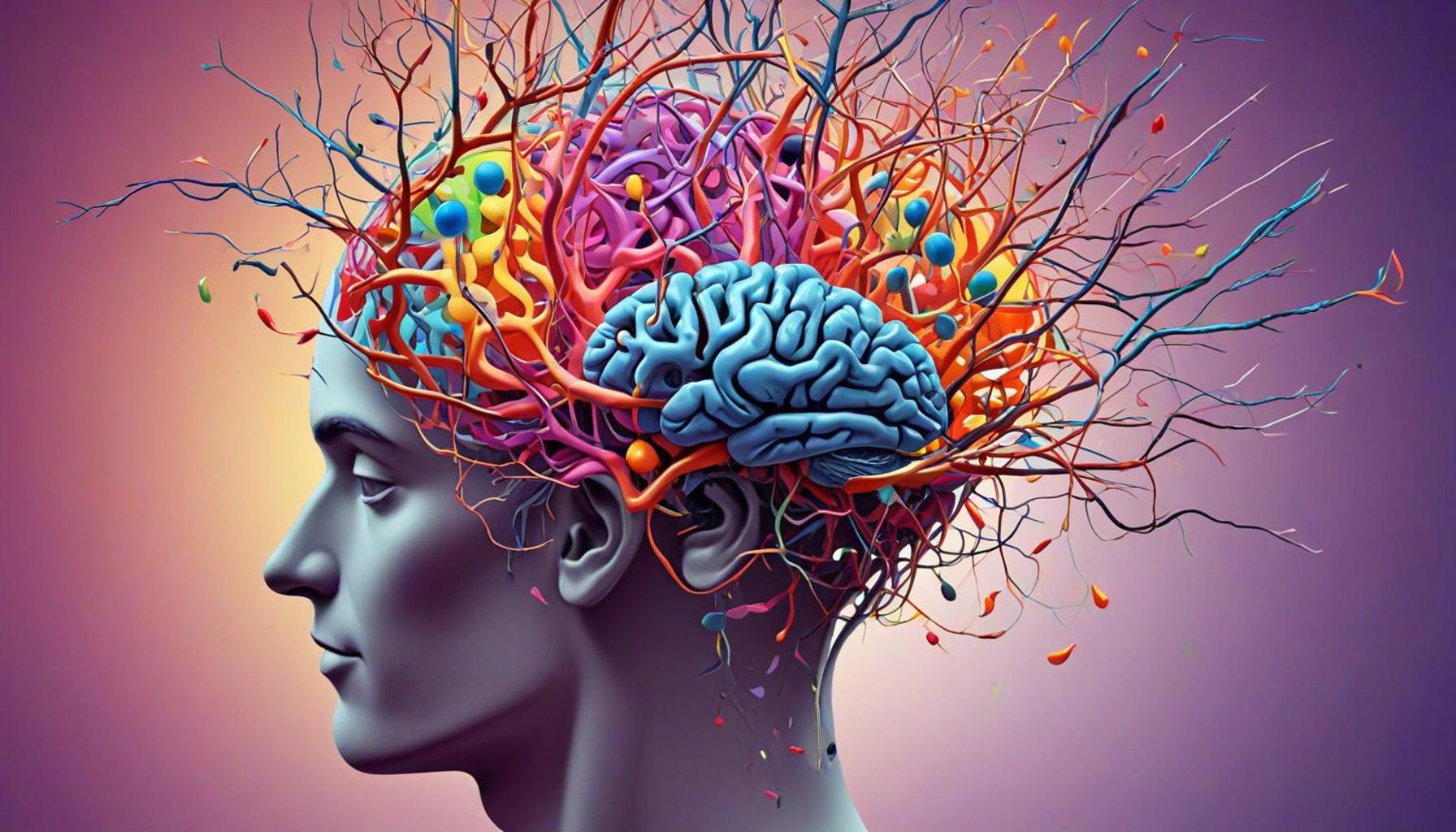
How Memory Training Can Help in Preparing for Competitions and Exams

Harnessing Your Cognitive Potential
In today’s world, where information floods our daily lives at an unprecedented rate, having exceptional memory skills can make a significant difference, particularly for students and professionals in Nigeria. The incorporation of memory training techniques into preparation routines can not only improve academic performance but can also bolster confidence and overall mental acuity.
Consider the following advantages that memory training offers:
- Improved Recall: Effective memory techniques, such as mnemonic devices and visualization, can dramatically enhance one’s ability to quickly and accurately recall information. For instance, students preparing for the Unified Tertiary Matriculation Examination (UTME) could use visualization techniques to transform complex concepts into memorable images, making the information easier to retrieve during exams.
- Greater Focus: Concentration is a skill that can be cultivated through memory training. Techniques such as mindfulness meditation or the use of apps designed to improve focus can help individuals minimize distractions during study sessions and ensure that they can absorb and retain information more effectively.
- Stress Reduction: The enhanced memory resulting from these techniques helps alleviate anxiety that often accompanies exams and competitions. By knowing that you are better equipped to remember essential information, you can approach high-pressure situations with more calm and poise, ultimately leading to improved performance.
In Nigeria, where educational competitions are fierce, possessing robust memory skills can be paramount to achieving excellence. As students gear up for pivotal exams, the difference between success and failure can hinge on their ability to efficiently process and recall large chunks of study material. Beyond academics, memory techniques are equally valuable in skill-based competitions, such as debates and academic quizzes. In these instances, rapid recall and understanding of diverse topics are essential for outperforming rivals.
Moreover, memory training offers benefits beyond the classroom. In a professional context, employees who harness memory techniques can improve their job performance by better retaining critical information, mastering presentations, and enhancing their decision-making abilities. This kind of training can lead not only to better job performance but also to career advancement opportunities.
Ultimately, mastering memory techniques is an empowering journey, one that elevates not just academic capabilities but also broadens cognitive horizons. By taking steps to enhance memory, individuals in Nigeria can unlock their brain’s full potential, paving the way to success in all areas of life. The question remains: are you ready to take the plunge and discover the untapped abilities of your mind?

CHECK OUT: Click here to explore more
Optimizing Your Learning Experience
Memory training is not just a set of techniques; it is a transformative approach that can enhance how we absorb, retain, and recall information. Particularly in Nigeria, where educational pressures mount, mastering memory techniques can significantly impact students’ outcomes during pivotal exams and competitions. The underlying principle is simple: enhancing memory equates to improving comprehension and performance.
To leverage memory training in preparation for competitions and exams, it is vital to understand various strategies that can be implemented. Here are some key techniques that offer concrete benefits:
- Chunking: This method involves breaking down large volumes of information into smaller, manageable units or “chunks.” For instance, instead of trying to memorize a long list of historical dates for an exam, students can group these dates by the events they represent, making them easier to remember and recall.
- Spaced Repetition: This technique encourages revisiting study material at increasing intervals. By spacing out revisions, students can enhance their long-term retention of information. Utilizing apps that incorporate spaced repetition can make this process more structured and efficient for students preparing for competitive assessments.
- Mind Mapping: Creating visual frameworks can help students structure information organically. Mind maps allow learners to link concepts and facts visually, resulting in better understanding and memory retention. For instance, a student studying biology could create a mind map connecting different bodily systems, which facilitates easier recall during exams.
These memory techniques serve to not only enhance academic performance during examinations but also prepare students for practical applications in competitive settings. For instance, consider a scenario where students participate in quiz competitions or debates. Rapid recall of facts and the ability to draw connections between various topics can provide a competitive edge. In such events, the ability to articulate knowledge on the spot is crucial, showcasing the importance of effectively trained memory.
Furthermore, the role of memory training extends beyond academic settings. For professionals, it can lead to exceptional performance in meetings, effective presentations, and networking situations. Employees who utilize memory techniques to retain key information about clients or projects stand to gain a significant advantage in their careers. The ability to recall pertinent information effortlessly not only informs decision-making but also instills confidence in professional interactions.
As the educational landscape in Nigeria becomes increasingly demanding, the capacity for improved memory can be a game-changer. With competitive exams like JAMB and WAEC looming large on the horizon, students are encouraged not only to study hard but also to study smart by integrating memory training into their preparation. In harnessing these methods, they’ll likely discover a newfound ability to absorb information more efficiently.
Enhancing Cognitive Skills through Memory Training
Memory training is not just about rote memorization; it involves developing cognitive skills that are essential for excelling in competitive environments. By engaging in structured memory exercises, students can sharpen their focus and concentration, essential traits for taking exams or competing in various fields. Techniques such as mnemonic devices, visualization, and spaced repetition allow learners to retain information more effectively.Moreover, memory training promotes better information retrieval. This improvement can significantly boost confidence, enabling students to recall essential concepts quickly during high-pressure situations. As a result, learners often find themselves performing better not only in exams but also in competitions where quick thinking is crucial.In addition, practicing memory techniques activates different areas of the brain, leading to enhanced neuroplasticity. This means that memory training can assist in creating new neural pathways, making it easier to process and remember vast amounts of information. Furthermore, students often notice an increase in their overall learning speed, aiding in faster preparation for approaching tests and competitive events.Also, adopting memory training as a regular routine can reduce exam anxiety. The more adept a learner becomes at recalling information, the lesser the stress associated with performance. Hence, students who incorporate memory training into their study regimen can develop a robust mental framework that supports both their academic journey and competitive aspirations.
| Advantage | Description |
|---|---|
| Improved Focus | Memory training enhances concentration, allowing for better absorption of information. |
| Better Information Retrieval | Practicing recall boosts confidence, enabling quick access to learned material. |
| Increased Neuroplasticity | Memory exercises stimulate brain pathways, facilitating effective learning. |
| Reduction in Exam Anxiety | Familiarity with material leads to lower stress levels during assessments. |
SEE ALSO: Click here to read another article
Harnessing the Power of Memory Techniques for Exam Success
In addition to the foundational memory strategies mentioned earlier, students in Nigeria can benefit from incorporating advanced techniques that tailor their studying methods to individual needs. These personalized approaches foster a deeper understanding of material and are critical in maximizing performance under pressure during competitions and exams. Here are some enhanced memory techniques to consider:
- Storytelling Technique: Transforming information into narratives can significantly improve memory retention. By creating stories that include the facts you need to remember, students can encode the information in a more meaningful way. For instance, to remember key events in Nigerian history, a student might weave a narrative that connects significant leaders, battles, and outcomes, seamlessly linking them to a compelling storyline that makes recall much simpler.
- Visualization: The power of mental imagery cannot be overstated. When students visualize concepts and associate them with shapes, colors, or even actions, they engage more senses in the learning process. For subjects like mathematics or science, students can visualize equations or diagrams, which aids their understanding and memory. For instance, picturing a chemical reaction as a colorful explosion of elements can help retain complex information.
- Association Techniques: Creating connections with existing knowledge makes new information easier to remember. Students can link new vocabulary words to familiar images or ideas. For example, when learning new scientific terms, relating them to their applications in everyday life can make the terms more relatable, thereby enhancing memory retention
Furthermore, the timing of study sessions plays a critical role in maximizing memory capabilities. Cognitive science suggests that the brain is more receptive to new information during specific times of day when individuals are naturally alert. For many students, this could be during early mornings or late evenings, which may not align with standard schooling hours. Establishing a consistent study routine that incorporates memory training techniques during these peak times can lead to significant improvements in performance.
The application of memory training also has a profound impact on stress management during exam preparations. High-stakes exams, such as JAMB, can induce anxiety that hampers cognitive function and memory recall. By integrating memory training into their study habits, students can cultivate a sense of mastery over the material they are preparing, leading to increased confidence and reduced stress levels. Techniques like deep breathing and mindfulness practices alongside memory work can further enhance mental clarity and focus.
Additionally, the importance of group study sessions should not be overlooked. Collaborative learning allows students to share insights and teach one another, which reinforces memory. Engaging in discussions about study material with peers can aid in solidifying knowledge. Expanding on the storytelling technique, students in a study group could take turns creating narratives around exam topics, enhancing both their understanding and retention of the subject matter.
As Nigeria’s academic calendar becomes increasingly competitive, students should embrace the advantages that memory training provides. The integration of these techniques not only prepares candidates for exams but also imparts skills that are crucial for lifelong learning and professional excellence. Each strategy encourages a more dynamic and engaging learning environment, ensuring that students are not just rote learners but critical thinkers equipped to face future challenges.
SEE ALSO: Click here to read another article
Conclusion: Unlocking Potential Through Memory Training
In a rapidly evolving educational landscape, the ability to retain and recall information effectively has become more critical than ever, especially for students in Nigeria facing competitions and high-stakes exams. Memory training is not merely an academic supplement; it is a powerful tool that empowers students to enhance their learning experience. By employing advanced memory techniques like storytelling, visualization, and association, students can transform complex material into engaging, easily recalled information.
The incorporation of personalized study routines that consider optimal cognitive functioning times maximizes retention and understanding. When students are equipped with these strategies, they not only improve their performance but also cultivate confidence, which is essential during the stress of exam preparations. The integration of memory training into daily study habits can significantly mitigate the anxiety associated with significant assessments, enabling students to perform at their best when it matters most.
Moreover, the value of collaborative learning and peer discussions bolsters memory retention and comprehension, creating a community of support that enriches the learning experience. As students in Nigeria continue to chart their paths in an increasingly competitive academic environment, embracing memory training offers a promising avenue for securing academic success and laying the groundwork for lifelong learning.
Ultimately, memory training equips students not just to ace their exams but to become analytical thinkers and adept problem-solvers ready to tackle future challenges. By investing time in developing these skills, students can unlock their full academic potential and thrive in both their educational endeavors and future careers.

Linda Carter
Linda Carter is a writer and puzzle expert specializing in mind games, brain teasers, and cognitive challenges. With extensive experience helping individuals enhance their problem-solving skills and think critically, Linda shares her knowledge on our platform. Her goal is to empower readers with practical advice, engaging puzzles, and strategies to sharpen their minds and achieve success in the captivating world of mind games and puzzles.