
How Neuroplasticity Can Be Enhanced by Memory Training in Adults
The Amazing Power of Neuroplasticity
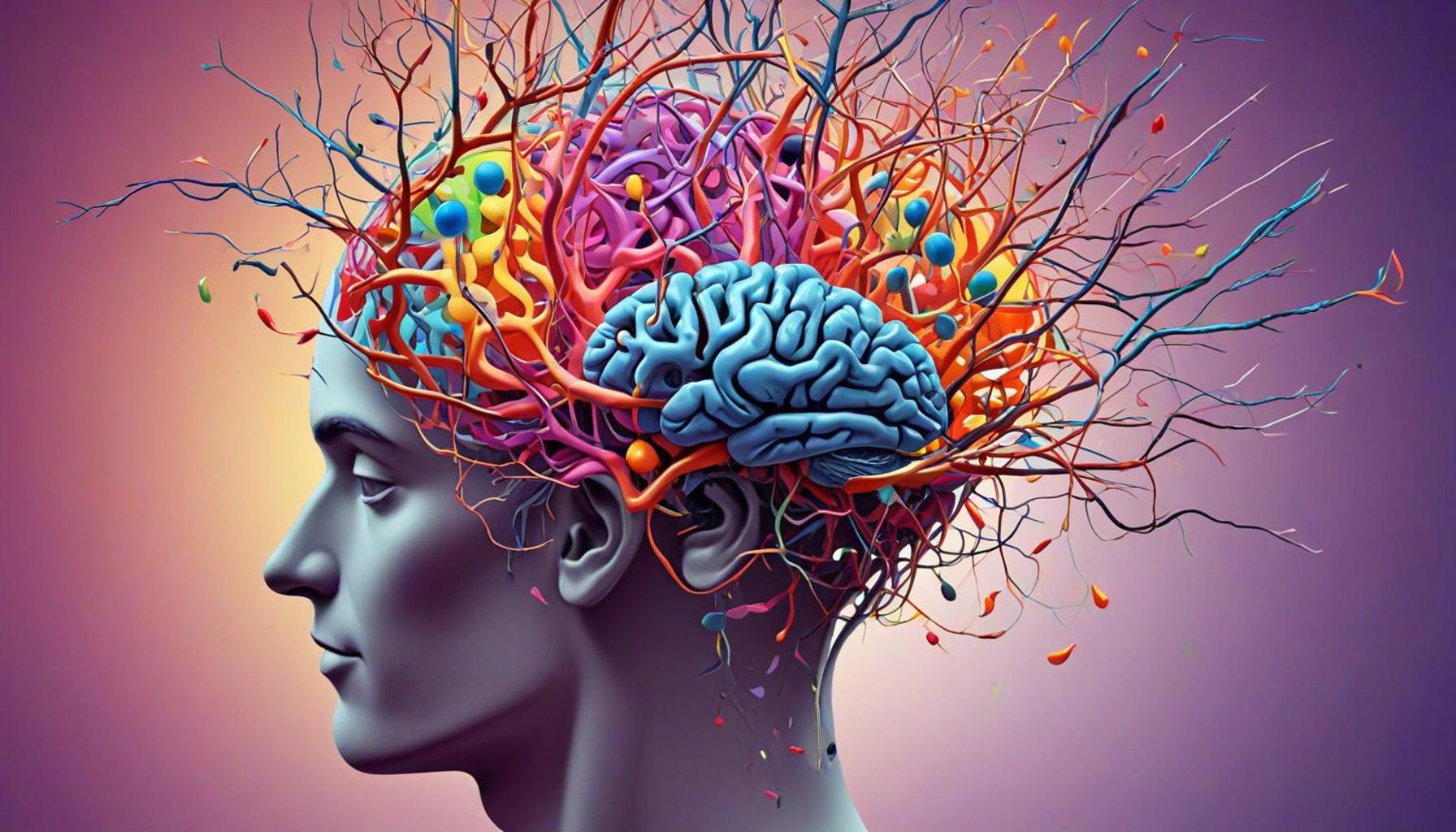
The human brain is an incredibly adaptable organ, capable of remarkable changes throughout our lives. This adaptability is known as neuroplasticity, which describes the brain’s ability to reorganize itself by forming new neural connections. While traditionally associated with early childhood development, research shows that this flexibility continues into adulthood, providing unique opportunities for personal development and cognitive enhancement.
In Nigeria, where rapid modernization and urbanization are reshaping lifestyles, the pursuit of enhanced memory and cognitive skills is becoming increasingly important. Many people are recognizing that improving mental agility can lead to better performance in education, careers, and daily life. Here are some compelling benefits of engaging in memory training:
- Improved focus: Memory training exercises enhance one’s ability to concentrate. Techniques such as meditation, mindfulness, and memory games fine-tune the mind, making it easier to maintain focus amidst distractions typical in busy Nigerian cities.
- Enhanced learning: Adults who engage regularly in memory exercises can absorb and retain new information more efficiently. For instance, participating in workshops or online courses can drastically improve skills, whether related to their profession or personal growth.
- Increased brain health: Cognitive activities stimulate the growth of new brain cells, fostering resilience against age-related decline. Activities like solving puzzles or participating in community discussions not only keep the brain engaged but also connect individuals with their culture, enriching their social lives.
Numerous studies have confirmed the profound impact that consistent memory training can have on neuroplasticity. Engaging in intellectually stimulating activities—like puzzles, learning a new language native to a region in Nigeria, or playing an instrument—can trigger the brain to forge new pathways, essentially restructuring its very architecture.
As individuals navigate the complexities of modern life—whether it’s the rush of Lagos or the diverse communities of Abuja—the ability to enhance neuroplasticity through memory training could be revolutionary. Imagine a workplace where employees are not only skilled but also have enhanced cognitive abilities, leading to improved innovation and productivity. Or a community where people actively engage in lifelong learning and cultural enrichment.
To unlock this potential, consider integrating memory training into your daily routine. Simple steps, such as dedicating time each day to brain exercises, reading a book, or even socializing with diverse groups can foster cognitive growth. Keep reading to discover more innovative strategies to harness the brain’s potential and transform your cognitive capabilities.
ADDITIONAL INSIGHTS: Expand your understanding here
Understanding the Mechanisms of Neuroplasticity
To fully appreciate how neuroplasticity can be enhanced through memory training, it is essential to understand the mechanisms that underlie these brain changes. Neuroplasticity is fundamentally about the brain’s capacity to adapt in response to experiences. It encompasses both functional changes, such as the way different brain regions communicate when learning new information, and structural changes, including the formation of new synapses and pathways.
As adults engage in memory training, certain cognitive activities stimulate the brain, activating regions associated with memory, focus, and learning. This stimulation facilitates the rewiring of neural connections. For example, studies indicate that older adults who participate in regular memory exercises show observable increases in grey matter density, particularly in areas such as the hippocampus, which is crucial for memory formation and spatial navigation.
Memory training can take many forms, and the diversity of options available ensures that there is something for everyone. Here are a few effective methods:
- Mental Exercises: Activities such as sudoku, crossword puzzles, and memory games challenge the brain, prompting it to engage in problem-solving and information retrieval.
- Learning a New Language: Acquiring a new language requires the brain to forge new connections and enhance existing ones, making it an excellent exercise in neuroplasticity.
- Musical Training: Playing an instrument involves complex cognitive processes, including memorization, auditory processing, and motor coordination, all of which promote brain adaptability.
Furthermore, recent research highlights the importance of timing in memory training. Engaging in brain exercises during formative periods of the day—when cognitive abilities are at their peak—can yield significant benefits. For many adults, this might mean early morning practice or afternoons dedicated to learning new skills. Consistency is key, as regular engagement with memory-enhancing activities fosters long-term neuroplastic changes, ultimately leading to better cognitive health over time.
In Nigeria, where technology and access to educational resources are rapidly evolving, adults are presented with unprecedented opportunities to participate in memory training. Online platforms offer courses that cater to various interests, from professional skills to personal hobbies. As more individuals recognize the value of preserving mental acuity in an increasingly competitive landscape, memory training can serve as an essential tool for thriving in both personal and professional spheres.
In as much as memory training requires dedication and persistence, the rewards are substantial. Increased lifetime cognitive reserves are significant; enhanced memory is merely a byproduct of a broader cognitive enhancement that can lead to improved quality of life. This underscores why it is crucial for adults to embrace memory training as a means to unlock the remarkable potential of their brains through neuroplasticity.
Understanding Neuroplasticity and Its Benefits
Neuroplasticity is the brain’s remarkable ability to reorganize itself, forming new neural connections throughout life. This characteristic is not only vital for recovery from brain injuries but also plays a crucial role in learning and memory enhancement. As adults age, the decline in cognitive functions can lead to challenges in memory retention, making the promotion of neuroplasticity through targeted training essential.
Memory training exercises can greatly stimulate neuroplastic changes. These exercises, ranging from memory games to mnemonics, create neuro pathways that retain information more efficiently. Engaging in complex activities such as learning new languages or playing musical instruments fosters cognitive engagement, thus revitalizing the brain’s plasticity.
Moreover, incorporating lifestyle changes such as physical activity, balanced nutrition, and mindfulness practices can significantly enhance these memory training efforts. Studies have shown that regular aerobic exercise increases the release of brain-derived neurotrophic factor (BDNF), a protein that supports the growth of new neurons and connections. Notably, adopting a holistic approach that combines cognitive and physical training can offer profound benefits.
For adults seeking to enhance their memory and cognitive agility, the journey of activating neuroplasticity begins with simple commitments to memory training practices and lifestyle adjustments. By consciously engaging in these efforts, individuals can significantly improve their cognitive health and resilience throughout their lives.
| Advantage | Description |
|---|---|
| Enhanced Memory Retention | Memory training aids in the formation of new neural pathways, improving the retention of information. |
| Increased Cognitive Resilience | Regular training enhances mental flexibility and adaptability to new challenges, essential for lifelong learning. |
In conclusion, the power of neuroplasticity opens vast opportunities for adults to enrich their cognitive capacities through structured memory training. By embracing these concepts, individuals can embark on a fulfilling journey that promises not only to sustain but also to amplify their mental acuity over time.
LEARN MORE: This related article may interest you
Memory Training Strategies that Facilitate Neuroplasticity
The connection between memory training and neuroplasticity goes beyond merely exercising cognitive skills. The effectiveness of various strategies can significantly influence the brain’s ability to adapt and transform. Certain memory training methods have been shown to promote neuroplasticity more effectively than others, and understanding these can empower adults to take control of their cognitive health.
One prominent approach is the use of mnemonic devices. These are memory aids that help to encode and retrieve information using patterns, acronyms, or visual imagery. For instance, a method called the “Method of Loci,” involves imagining placing items to be remembered along a familiar route. Research indicates that using such techniques significantly enhances recall abilities and fosters the creation of new neural pathways, reinforcing the brain’s adaptability.
Another compelling method is the practice of mindfulness meditation. This practice not only enhances focus and attention but also demonstrates compelling evidence of inducing structural changes in the brain. A study by neuroscientists examined participants who engaged in mindfulness meditation and found increased cortical thickness in regions associated with sensory processing and cognitive function. This illustrates that activities promoting awareness and mental clarity contribute to neuroplasticity while helping adults combat age-related cognitive decline.
Incorporating physical activity alongside memory training is also vital. Exercise is not only beneficial for physical health; it is a powerful facilitator of neuroplasticity. Activities ranging from brisk walking to dance stimulate the release of neurotrophic factors, which nourish and support neuron growth. In Nigeria, where traditional forms of exercise like cultural dance are prevalent, integrating these movements into daily routines can create a dual benefit. Dance not only serves as a memory training tool to remember steps and rhythms but also fosters a rich social experience that stimulates mental agility.
Moreover, the field of neuroscientific research is unearthing intriguing insights into the influence of social interaction on memory training. Engaging in group activities or study sessions with friends can enhance motivation and commitment to learning new material. These interactions have been shown to stimulate dopamine release, a neurotransmitter essential for reward-driven learning. Thus, adults involved in group-based memory training not only benefit from the material itself but also forge stronger neural connections through social engagement.
Lastly, leveraging technology has revolutionized the way memory training is approached. Mobile apps and online platforms offering brain games are becoming increasingly popular in Nigeria, allowing adults to incorporate memory enhancement into their daily routines conveniently. These platforms provide immediate feedback and track progress, further motivating individuals to challenge themselves consistently. The adaptable nature of these tools means that they can cater to various skill levels, making memory training accessible to all.
In summary, the intersection of memory training and neuroplasticity is a vibrant area of research and practice. By employing various techniques, such as mnemonic devices, mindfulness meditation, physical activity, social engagement, and technology-driven tools, adults can optimize their cognitive potential. Embracing these practices not only promotes immediate benefits in memory recall but paves the way for a lifetime of cognitive resilience and adaptability.
CHECK OUT: Click here to explore more
Conclusion
In the quest to maintain and enhance cognitive health, understanding how neuroplasticity can be boosted through effective memory training is crucial for adults across Nigeria and beyond. By embracing techniques like mnemonic devices, mindfulness meditation, and physical exercise, individuals can actively reshape their neural pathways and improve their overall mental agility. The integration of social engagements, such as group study sessions, underscores the importance of community in fostering cognitive resilience, reinforcing that learning is not merely an isolated endeavor.
The advent of technology in memory training—through mobile applications and online platforms—offers a new dimension of accessibility, allowing individuals to challenge themselves in a tailored environment. As more Nigerians adopt these innovative tools, the potential for enhanced memory and neuroplasticity becomes increasingly attainable. This intersection of tradition, social interaction, and modern technology reflects the multifaceted approach necessary for cognitive enhancement.
Ultimately, the relationship between memory training and neuroplasticity opens intriguing possibilities for adults seeking to sharpen their minds. Investing time in these strategies not only unlocks immediate benefits in recall and comprehension but also sets the stage for lasting cognitive health. As research continues to illuminate these connections, the focus on neuroplasticity provides a promising horizon for those eager to harness the brain’s remarkable capacity for growth and transformation.

Linda Carter
Linda Carter is a writer and puzzle expert specializing in mind games, brain teasers, and cognitive challenges. With extensive experience helping individuals enhance their problem-solving skills and think critically, Linda shares her knowledge on our platform. Her goal is to empower readers with practical advice, engaging puzzles, and strategies to sharpen their minds and achieve success in the captivating world of mind games and puzzles.