
The Effect of Memory Games on Family Cohesion and Intergenerational Connections
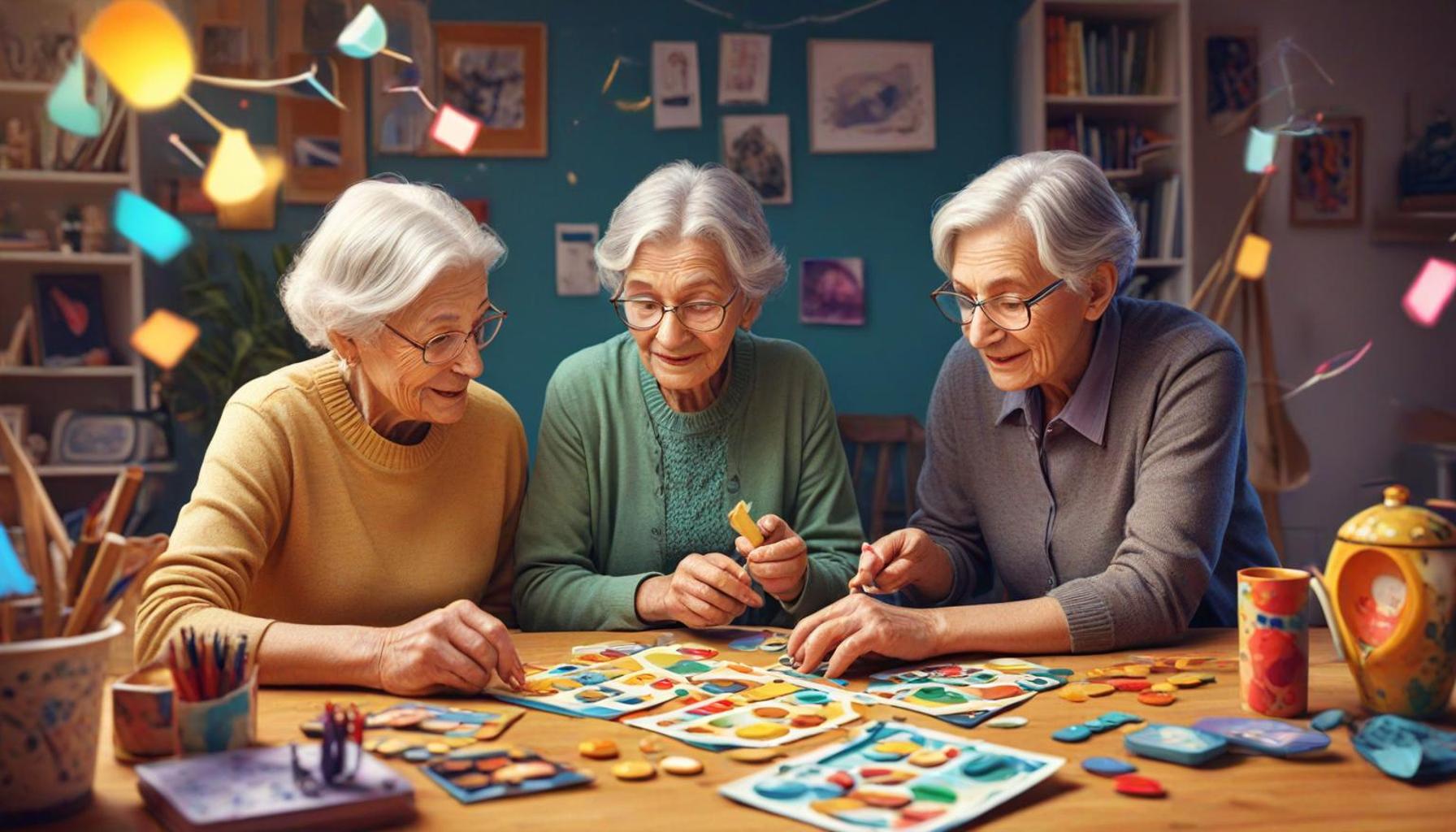
Understanding the Impact of Memory Games
In today’s fast-paced world, maintaining family cohesion has become more challenging than ever. Memory games emerge as an engaging and effective solution to enhance connections within families, particularly between generations. These games are not merely a source of entertainment; they fulfill a vital function in fortifying familial bonds, contributing to emotional well-being, and promoting a sense of togetherness.
Memory games encourage interaction and communication, thereby leading to improved relationships among family members. When families come together to play these games, they create a shared space for laughter and connection. Such activities play a pivotal role in breaking the ice and fostering relationships that may have been strained or overlooked. Below are some significant benefits of engaging in memory games:
- Enhances bonding: Playing memory games creates shared moments that foster closeness. The ability to reminisce about past experiences or laugh together over shared challenges can deepen the emotional connections within the family unit.
- Improves cognitive skills: Memory games stimulate the brain, enhancing recall and concentration. For younger players, these games can help develop critical thinking and problem-solving skills as they learn to remember patterns and strategies.
- Bridges generational gaps: Younger and older family members can connect through relatable themes and challenges found in many memory games. Sharing different perspectives allows for a richer conversation between generations, helping to dissolve long-standing communication barriers.
Furthermore, memory games can also serve as an opportunity for learning and sharing cultural heritage—a vital aspect of Nigerian families. Games can be tailored to reflect traditional stories, proverbs, or even folklore specific to various ethnic groups. This not only promotes intergenerational connections but also ensures the transmission of cultural values. For instance, an elder might share a lesson from a well-known folktale while playing, thereby instilling important morals and contributing to the ongoing narrative of Nigeria’s rich cultural tapestry.
As families invest time in memory games, they cultivate a supportive environment where every member feels valued and heard. These shared experiences build trust and empathy among family members. Discovering the full potential of these games can illuminate the path to deeper familial ties, encouraging readers to explore their benefits further. By rediscovering simple, yet profound, forms of interaction such as memory games, families in Nigeria can not only enhance their cohesiveness but also ensure the preservation of their unique cultural identity for generations to come.
SEE ALSO: Click here to read another article

The Role of Memory Games in Strengthening Family Dynamics
Memory games serve as a powerful tool in fostering family cohesion by promoting interaction and reinforcing emotional bonds between family members. These games do not simply provide amusement; they create opportunities for meaningful connections that transcend age differences, illustrating how play can facilitate deeper understanding and camaraderie within families. This is particularly important in the context of Nigerian families, where the interplay of tradition and modernity can often lead to generational divides.
One of the key aspects of memory games is their ability to engage all ages. Children, parents, and grandparents can participate together, engaging in activities that evoke laughter and joy. When family members gather around a board or a deck of cards, they embark on a shared journey that can enhance relationships. Research has shown that play can lead to an increase in positive emotions and decrease tension, making memory games an effective way to strengthen ties among family members.
Benefits Beyond Entertainment
Memory games provide numerous benefits that can significantly impact family dynamics:
- Encourages collaboration: These games often require team efforts or cooperative strategies. Families must work together to succeed, which can work wonders in building teamwork skills and creating a sense of belonging.
- Stimulates curiosity: The challenge of remembering patterns or sequences can generate profound curiosity, especially among younger members. This engagement can spark conversations about experiences, preferences, or stories from the past, further bridging the generational gap.
- Fosters resilience: Playing memory games encourages the acceptance of mistakes and the perseverance needed to improve. Families can celebrate small victories while also discussing challenges faced during gameplay, promoting a mindset of resilience in the face of difficulty.
Furthermore, memory games often provide insight into family history and individual stories, becoming a medium for elders to impart wisdom while engaging younger relatives. Elders in Nigerian society often carry a wealth of cultural insights and familial history, which can be transmitted during gameplay. When families customize memory games to include questions about their family lineage or cultural practices, they not only foster intergenerational connections but also celebrate their shared identity and heritage.
It’s evident that through simple acts of play, families can cultivate resilience, cooperation, and understanding, creating a nurturing environment where every member feels valued. By embracing the experience of memory games, Nigerian families can weave rich tapestries of connection, ensuring that together, they not only cherish their shared present but also preserve their vibrant past for the younger generations to treasure.
The Effect of Memory Games on Family Cohesion and Intergenerational Connections
Memory games have been a traditional pastime, but their significance extends far beyond mere entertainment. These games, often simple in design yet profound in impact, serve as a bridge connecting generations within families. They facilitate interaction and foster understanding, creating a communal atmosphere that strengthens family ties. By engaging in memory games, family members not only challenge their cognitive abilities but also create shared experiences that cultivate a sense of belonging. For instance, grandparents might reminisce about their childhood while teaching their grandchildren the rules of a specific game, generating valuable conversations and storytelling opportunities. This lays the groundwork for enhanced family connections.Moreover, memory games can also improve mental agility in all age groups. Research has shown that regular engagement in memory-based activities enhances neuroplasticity, which is essential for cognitive health, especially in older adults. Therefore, families can unite around games, enjoying quality time while simultaneously promoting mental wellness.As more families recognize the benefits of these interactive activities, memory games are gaining popularity as intentional tools for bonding. The ideals of teamwork, patience, and communication emerge during gameplay, which can translate into improved interpersonal skills off the game board. It becomes evident that memory games are more than just tools for recreation; they are vital instruments for building enduring familial relationships. To delve deeper into the specific advantages of memory games, one can explore their multifaceted impact on mental health, communication improvement, and enhancing emotional security within families. Memory games stand out as an excellent way to fortify familial bonds. Relationships, once nurtured through shared experiences, evolve into strong foundations for future generations.
| Category | Advantages |
|---|---|
| Cognitive Enhancement | Memory games improve memory retention and mental agility across all ages. |
| Strengthening Bonds | They create shared experiences, fostering communication and mutual understanding among family members. |
CHECK OUT: Click here to explore more
Enhancing Communication and Storytelling through Memory Games
In addition to fostering emotional ties, memory games significantly enhance communication within Nigerian families, paving the way for storytelling and shared experiences that strengthen intergenerational connections. In a world where rapid modernization often draws families apart, memory games emerge as a tool that bridges these gaps by sparking conversations that might not occur in other contexts. Whether it’s the simple act of recalling a childhood memory or discussing the outcomes of a recent game, these interactions can lead to a deeper understanding of each other’s backgrounds.
One effective method is through personalized memory games that include questions or images related to family history. For instance, a grandmother might integrate her own stories and significant events into the game, encouraging children to learn about their roots. This approach not only turns gaming into an educational experience but also allows young players to connect with their family’s past in a fun and engaging way. Additionally, as children share their thoughts or narrate personal stories while playing, they learn to express themselves more clearly, cultivating their communication skills in a positive environment.
Promoting Cultural Heritage and Values
Memory games also play a pivotal role in promoting <strong)cultural heritage and values, particularly within the rich and diverse cultural backdrop of Nigeria. Many memories tied to traditional values, customs, and historical narratives can be reinforced through interactive gameplay. Families can create custom games that reflect local proverbs, historical figures, and cultural practices, providing younger generations with a playful yet informative experience of their identity.
This is particularly significant for Nigerian families, who often navigate the challenges of maintaining cultural continuity while engaging with modern influences. Incorporating cultural elements into memory games can help instill pride and understanding of one’s heritage while simultaneously forming a bridge between different generations. For example, by understanding the significance of certain proverbs or historical events, younger family members can appreciate the wisdom and insights from their elders, thus promoting respect and a sense of responsibility to uphold such traditions.
Evidence from Research and Studies
Research has revealed that engaging in memory games not only boosts cognitive ability but also plays a significant role in reinforcing familial bonds. A study conducted by the American Psychological Association demonstrated that families who engage in regular shared play experiences tend to report heightened levels of attachment and trust among members. This finding underscores the psychological benefits of leveraging such games for family cohesion. Furthermore, studies indicate that intergenerational play, like memory games, leads to reduced feelings of loneliness and increased life satisfaction, particularly among older adults. Such findings are vital, considering the demographic trends in Nigeria, where increasing numbers of elderly individuals strive for meaningful connections as they age.
The incorporation of memory games within family routines could serve as an antidote to the isolation often felt during noteworthy milestones like birthdays or holidays. Instead of merely engaging in solitary celebrations, families can instead facilitate inclusive interactions that allow for connection, laughter, and shared stories. These games can act as a catalyst for discussions on their heritage and values while providing important opportunities for younger family members to bond with their elders.
CHECK OUT: Click here to explore more
Conclusion: Reaping the Benefits of Memory Games in Family Dynamics
In exploring the effect of memory games on family cohesion and intergenerational connections, it becomes evident that these seemingly simple activities hold profound implications for fostering closeness among family members. By enhancing communication, promoting cultural heritage, and cultivating a deeper understanding of one another, memory games can rejuvenate relationships that often falter amid the hustle and bustle of modern life.
The research underscores the importance of shared experiences in strengthening familial bonds, revealing that regular engagement through memory-focused play nurtures emotional attachments and trust. Particularly within the Nigerian context, where the richness of cultural narratives and values plays a vital role, memory games provide an interactive platform for families to not only learn about their history but also pass down traditions to younger generations. As elders share their stories and wisdom, they instill respect and a sense of responsibility in the youth, ensuring the continuity of cultural identity.
Thus, incorporating memory games into family routines can serve as an antidote to feelings of isolation, especially during key family milestones. They spark laughter, ignite conversations, and ultimately create cherished memories that reinforce the familial fabric. Families seeking to enhance cohesion and intergenerational connection should consider integrating such engaging activities into their lives. By doing so, they can create a more meaningful and connected family environment that honors tradition while embracing the joy of togetherness.

Linda Carter
Linda Carter is a writer and puzzle expert specializing in mind games, brain teasers, and cognitive challenges. With extensive experience helping individuals enhance their problem-solving skills and think critically, Linda shares her knowledge on our platform. Her goal is to empower readers with practical advice, engaging puzzles, and strategies to sharpen their minds and achieve success in the captivating world of mind games and puzzles.